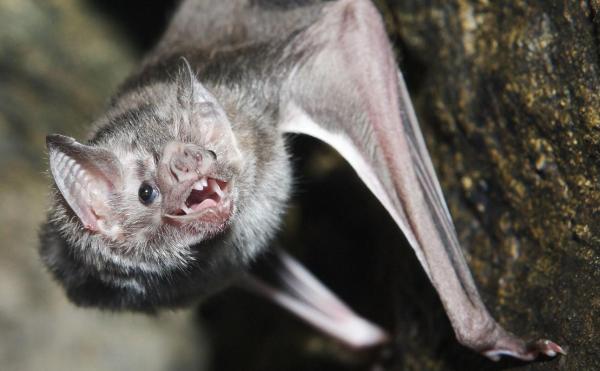
From menacing vampires of folklore to real-life creatures with a taste for blood, the animal kingdom presents us with an intriguing array of species that have adapted to feed on this vital fluid. Prepare to be amazed by the diverse range of blood-sucking insects, mammals, and other organisms that have found their niche in this intriguing feeding strategy. Discover the intricacies of their feeding behaviors, the risks they pose, and the intricate ecological webs they are a part of.
In this article from AnimalWised, we showcase a list of animals that feed on blood, as well as the intriguing reasons behind their unique dietary choices.
What are animals that feed on blood called?
Blood-sucking animals, as they are commonly known, encompass a range of species that have the unique feeding behavior of consuming blood. Although many of these animals are parasites that depend on the blood of other creatures, it is important to note that not all fall under this classification.
Some blood-suckers, such as vampire bats and certain insects, can act as disease vectors by transmitting bacteria and viruses present in their hosts' blood to other animals. Interestingly, this feeding strategy has evolved independently in different species, highlighting its effectiveness in diverse environments.
Contrary to the exaggerated portrayals often seen in movies and television, blood-eating animals are not insatiable creatures driven solely by an unquenchable thirst for this vital fluid. Instead, this specialized feeding behavior represents an adaptation that serves a specific purpose in their natural diets.
Why some animals feed on blood?
Feeding on blood provides unique advantages for their survival and nutrition. Here are a few reasons why certain animals have developed the ability to feed on blood:
- Nutritional requirements: blood is a rich source of essential nutrients such as proteins, iron, and vitamins. Animals that have adapted to feed on blood have found a concentrated and easily accessible food source that meets their specific nutritional needs. This adaptation allows them to thrive in environments where other food sources may be scarce.
- Availability of prey: for some blood-feeding animals, their preferred hosts may be abundant in their environment, making blood an easily accessible and reliable food source. This adaptation allows them to exploit a particular ecological niche and thrive in specific habitats. In some ecosystems, these animals play a crucial role in controlling host populations.
- Reduced competition: feeding on blood can be a niche strategy that reduces competition for resources. By specializing in a unique food source, these animals can avoid competition with other species that rely on different food types. This specialization can also lead to unique evolutionary traits that enhance their ability to extract and digest blood efficiently.
It's important to note that not all animals that feed on blood are parasites. Some species, like vampire bats, have evolved to feed on blood as their primary diet, while others, such as certain insects, engage in blood-feeding as part of their feeding repertoire. Additionally, some blood-feeding animals exhibit fascinating behaviors, such as forming symbiotic relationships with their hosts.
Animals that feed on blood
Here are some blood-feeding animals and their characteristics:
Bats
- Common Vampire Bat (Desmodus rotundus): found in Chile, Mexico, and Argentina. It feeds on cattle, dogs, and occasionally humans by making small cuts on the skin to access the blood. Their saliva contains anticoagulant properties that prevent the blood from clotting during feeding.
- Hairy-legged Vampire Bat (Diphylla ecaudata): prefers forests and caves in the United States, Brazil, and Venezuela. Feeds on poultry blood, such as chickens. Despite their name, they rely on stealth rather than aggression to obtain their meals.
- White-winged Vampire Bat (Diaemus youngi): inhabits wooded areas in Mexico, Venezuela, and Trinidad and Tobago. Feeds on bird and cattle blood, transmitting rabies. This species often targets specific parts of their host's body, where blood vessels are closer to the surface.
Fish
Lampreys are fish that resemble eels and belong to the classes Hyperoartia and Petromyzonti. They have a distinctive circular mouth with suction cups that they use to attach to their prey. They feed by attaching to the skin of their victims and extracting blood with their teeth. While lampreys primarily prey on fish, including sharks, and can sometimes attach to mammals, it is important to note that their diet may vary depending on the species and their specific habitat. They play a significant role in maintaining the balance of aquatic ecosystems.
Leeches
The leech, scientifically known as Hirudo medicinalis, is an annelid worm commonly found in rivers and streams across Europe. With its suction cup-like mouth, the leech attaches to the skin of its host and feeds by penetrating the flesh and consuming blood. Historically, leeches have been used for therapeutic bloodletting, although their effectiveness in modern medicine is now a subject of debate due to potential risks associated with disease transmission and the availability of alternative treatments. Nonetheless, in some regions, leeches are still employed for specific medical procedures.
Birds
The vampire ground finch (Geospiza septentrionalis) primarily feeds on a diet consisting of seeds, nectar, insects, and occasionally eggs. The name "vampire" is given to this species due to its behavior of pecking at wounds or open wounds on other bird species, such as the Nazca booby and the blue-footed booby, in search of blood. However, it does not rely on blood as a primary food source, and its diet consists mainly of other food items. This opportunistic feeding strategy highlights the adaptability of the species to scarce food resources.

Insects that feed on human blood
When it comes to blood-feeding species, insects are the most notable, especially those that rely on human blood for nourishment. Here are some examples:
Mosquito
Mosquitoes belong to the Culicidae family, comprising 40 genera and 3,500 different species. Measuring only 15 millimeters, they fly and reproduce in areas with water reservoirs, making them dangerous pests in humid tropical regions. Female mosquitoes, known for their blood-feeding habits, can transmit diseases like dengue fever to humans, while males feed on sap and nectar. Their ability to locate hosts through carbon dioxide and body heat detection is particularly remarkable.
Tick
Ticks, members of the Ixodoidea genus, encompass various genera and species. They are the largest mites globally and feed on the blood of mammals, including humans. Ticks are notorious for transmitting dangerous diseases, such as Lyme disease. Besides the risks of disease transmission, improper removal of a tick from the skin can lead to infections at the feeding site. It's crucial to understand the life cycle of ticks to better manage their impact on public health.
Crab louse
The crab louse (Phthirus pubis) is an insect that parasitizes human hair. Measuring only 3 millimeters, it has a yellowish body and is commonly associated with infestations in the genital area, although it can also be found in hair, armpits, and eyebrows. Crab lice feed on blood multiple times a day, causing itching as a prominent symptom of infestation. Infestations are often treated with medicated shampoos or lotions.
Sandfly
The sandfly (Phlebotomus papatasi) is a mosquito-like insect primarily found in Europe. Measuring 3 millimeters, it is almost transparent or very light in color, with a hairy body. While males feed on nectar and other substances, females engage in blood-feeding during the reproduction phase. Sandflies are known vectors of diseases. Efforts to control sandfly populations often focus on habitat management and the use of insect repellents.
Flea
Fleas belong to the order Siphonaptera, encompassing around 2,000 different species worldwide, particularly thriving in hot climates. These blood-feeding insects not only rely on their hosts for sustenance, but also reproduce rapidly, infesting the host and transmitting diseases such as typhus. Understanding their life cycle is key to effectively managing flea infestations in both humans and pets.
Scabies mite
The scabies mite (Sarcoptes scabiei) is responsible for causing scabies in mammals, including humans. Measuring a mere 250 to 400 microns, this tiny parasite burrows into the host's skin to feed on blood and creates tunnels for reproduction before eventually dying. The intense itching caused by scabies mites is a result of an allergic reaction to the mites' presence.
Bedbug
Bedbugs (Cimex lectularius) are insects that typically infest houses, particularly inhabiting beds, pillows, and other fabrics close to their warm-blooded prey. Though only 5 millimeters long, they are reddish-brown in color, making them visible upon close inspection. Bedbugs feed on the blood of humans and other warm-blooded animals, leaving distinctive bite marks on the skin. Effective management of bedbug infestations often requires a combination of chemical and non-chemical methods.
You might also be interested in this other article, where we explain the main differences between fleas and ticks.

If you want to read similar articles to Animals That Feed on Blood, we recommend you visit our Facts about the animal kingdom category.