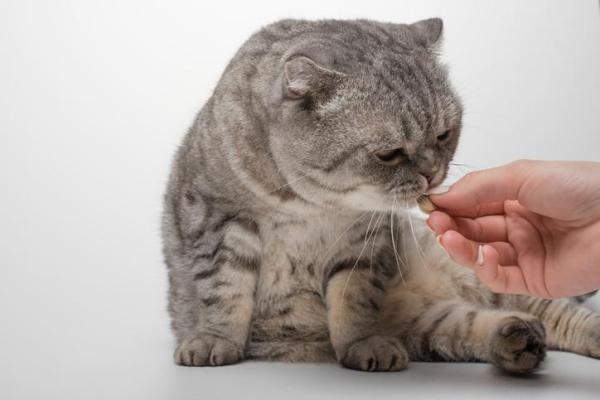
Gastrointestinal disorders are one of the most common medical problems for cats. They are also one of the most diverse, ranging from mild irritation to life-threatening disorders. This is partly due to the varied causes of digestive problems in cats, which include ingestion of harmful substances, viral infection, bacterial infection, and parasitical infestation, among others. Such problems often disrupt the delicate balance of microbiota, also known as gut flora.
It has been claimed that probiotics may help restore the balance of feline gut flora, but research into the area is limited. This is why AnimalWised asks, are probiotics safe for cats? We explore the possible benefits of giving probiotics to your cat, what potential side effects might arise, and whether they are advisable for your cat.
What are prebiotics and probiotics for cats?
Probiotics are living microorganisms ingested to influence the gut flora (microbiota) of a larger multicellular organism. The microbiome is the collective system of all microbiota in the body. Scientists have been investigating the human microbiome to better understand body functions and repair mechanisms. The hope is that a deeper understanding will eventually lead to improved treatment options for a wide range of medical issues.
Despite many studies, our knowledge of the exact function of microbiota is limited. Understanding of the feline microbiome is even less comprehensive, although it is believed their basic function is similar to that in humans.
Probiotics are a type of bacteria and function by enhancing gut flora, often increasing their numbers. They are supposedly indigestible by the body's gastrointestinal system, so they remain in the GI tract and influence the microbiome by directly feeding gut flora and stimulating growth.
While probiotics can remain in the GI tract for a long time, they don't always remain in the mucosal cells. Many are simply eliminated via feces and, therefore, need to be topped up regularly[1].
Prebiotics for cats
Prebiotics have a similar outcome in that they benefit gut microflora, but their function and origin differ. They are a type of dietary fiber found in food. They are not digested by the upper intestinal tract, but they ferment when they reach the intestines. This fermentation feeds the microbiota.
Examples of prebiotics for cats are the fibers found in vegetables, fruit skin, legumes, etc. For feline medicine, the most used cat prebiotics are:
- Beta glucans
- Mannan-oligosaccharides (glucomannans)
- Fructooligosaccharides (oligofructans)
These prebiotics are also thought to facilitate the removal of pathogenic organisms in the cat's gastrointestinal system. This is why some fruits and vegetables are considered beneficial to cats, despite them being obligate carnivores. Additionally, prebiotics can help improve the absorption of essential nutrients, further enhancing a cat's overall health.
Symbiotics for cats
Symbiotics are treatments combining both prebiotic and probiotic strains. They are commercially available in various markets, claiming to be a more comprehensive treatment for various ailments. It has been tested as a preventive in dogs to reduce instances of diarrhea, which is especially important in kennels[2]. For cats, symbiotics may potentially prevent similar gastrointestinal disturbances and support overall gut health.
The feline microbiome (intestinal flora in cats)
As stated above, the microbiome is the microbiological ecosystem found in our cat's digestive tract. It includes billions of different microorganisms, including both beneficial and harmful bacteria.
Harmful bacteria, such as Salmonella, Clostridium, or Shigella, can damage the intestinal mucosa, causing systemic problems and seriously affecting the well-being of the cat. An acute case can be life-threatening, but even smaller amounts of harmful bacteria can cause damage. While completely removing harmful bacteria is not feasible, maintaining a balance with beneficial bacteria is crucial for ensuring a cat's health.
Without such a balance in the feline microbiome, nutrients in the GI tract will not be properly absorbed. This can lead to inflammation of the GI tract and affecting their behavior. It should be noted that an imbalanced microbiome can also compromise the immune system, making cats more susceptible to infections and diseases.
Healthy cat food
The main way both humans and felines try to maintain a balance of their microbiome is via nutrition. On a very basic level, a healthy diet can maintain a healthy gut and positive dietary changes can help address certain health problems related to the digestive system. Generally, the right diet for a cat is based on:
- High quality and low-fat proteins
- Soluble and insoluble dietary fiber
- Easily digestible nutrients in the form of vitamins, minerals, etc.
Commercially produced cat food is designed to meet all of the nutritional requirements of a cat, including balancing their gut flora. Proponents of probiotics for cats claim using them as a supplement helps keep cats healthy by addressing issues diet alone cannot. Some people try to do the same by providing a homemade diet for cats.
Whatever type of diet is offered to a cat, it should be discussed with a veterinarian beforehand. Many homemade diets for cats do not properly address their nutritional needs and can adversely affect their health. In this regard, a veterinarian can recommend suitable dietary adjustments and supplements, ensuring the cat's nutritional requirements are adequately met.
Causes of gastrointestinal diseases in cats
The main causes of gastrointestinal disease are, among others:
- Food indiscretion (ingestion of rotten or infected food)
- Food intolerance
- Intestinal parasites
- Inflammatory diseases
While gastrointestinal diseases are often related to the stomach and intestines, they are not limited to these body parts. The pancreas and other organs can be affected by gastrointestinal disease. Additionally, factors like stress, sudden dietary changes, and exposure to toxins can also contribute to gastrointestinal issues, highlighting the importance of a stable and nurturing environment for your cat.

Types of probiotics for cats
The probiotics for cats on the market have specific strains found in the gut flora of felines. Here, presented with their scientific name, are the most commonly used in commercial products:
- Lactobacillus (brevis, rhamnosus, buchneri, casei, acidophilus)
- Enterococcus faecium
- Bifidobacterium bifidum
- Saccharomyces Boulardii
All of the above probiotics are either types of bacteria or yeast, the latter being a more complex single-cell organism thanks to the presence of a nucleus. It's important to note that selecting the right probiotic strain can be crucial for addressing specific health issues in cats.
Probiotic brands for cats
The make of probiotic for cats depends on where you live. Some come in tablet form, but the most common are available in powdered form, which are scooped into the cat's food. Many are not pet-specific and are used for both cat and dog dietary supplements.
In the USA and some other markets, the following are commonly sold feline probiotics:
- Purina Pro Plan FortiFlora Cat Probiotic Supplementiberica
- Pet Ultimates Probiotics for Cats
- Fera Pet Organics Probiotics
- Premo Probiotics for Cats
Knowing whether a probiotic brand is safe for your cat is tricky as this young industry is not yet well-regulated. It's advisable to consult with a veterinarian to ensure the chosen product is suitable for your cat's specific needs.
Human probiotics for cats
Similar to drugs and medicines designed for humans, the action and chemical construction are not the same for felines. Since humans and cats do not share the same microbiota, it is unsafe to give human probiotics to your cat. This distinction is crucial, as administering inappropriate strains can lead to unintended health issues or exacerbate existing conditions.
Why are probiotics prescribed in cats?
There are various reasons why cats may be given probiotics, all claiming to keep them safe. While they are mostly related to gastrointestinal diseases, the holistic effect of their gut health in the rest of their body theorizes that it can be used to reduce various symptoms. Proponents of probiotics for cats suggest they can help in the following areas:
- Diarrhea: or any altered consistency of feces due to a viral disease such as feline panleukopenia or parasitic diseases such as giardiasis.
- Antibiotics: probiotics have been prescribed in human medicine as a way to minimize side effects, especially diarrhea. The consumption of antibiotics, while getting rid of harmful bacteria, is thought to also kill beneficial bacteria[3]. Taking probiotics might help to restore this balance, although it is not yet common practice among veterinarians.
- Stress: some claim it can help reduce stress in the cat, especially that which is related to gastrointestinal problems. Stress-induced digestive issues can significantly impact a cat's quality of life, so managing stress levels is crucial.
- Flatulence: excessive production of gas from intestinal problems might be reduced.
- Constipation: another symptom that sometimes occurs due to gastrointestinal issues.
- Immune system booster: kittens and senior cats are more vulnerable due to a reduced immune system, and probiotics may be able to give it a boost. By enhancing the gut flora, probiotics could potentially fortify the immune response, helping cats fend off infections more effectively.
- Overweight and obesity: there is believed to be a relationship between a bacterial imbalance in the intestines of our cats and feline obesity.
- Chronic diseases: such as inflammatory bowel disease or feline intestinal lymphoma.
- Other diseases: such as hormonal imbalances and allergies.
- Infections: probiotics may be useful in treating recurrent infections, especially those related to the GI system like urinary tract infections. Additionally, probiotics might aid in recovery by promoting a healthier gut environment, which is integral to overall health.

Should we give probiotics to our cats?
While many proponents highlight the various benefits of probiotics for cats, concerns have also been raised. Such concerns are related not only to safety but also to efficacy. While it is undeniable that bacteria in the gut affect the health of the cat, knowing the true nature of these interactions is very difficult. For example, while we know overweight and obese cats have an altered gut microbiome compared to leaner cats, this finding could not be linked to differences in specific bacterial groups[4]. Without knowing these specific bacterial interactions, it is challenging to determine which probiotics to administer.
Part of the problem in deciding whether probiotics are safe for cats is the often contrasting information from scientific studies. This occurs even within the same study. For example, one crossover trial suggests that probiotic treatment concurrent with antibiotic treatment can decrease antibiotic-associated gastrointestinal signs, but the significance is unknown, and this does not include diarrhea[5].
What seems to be one of the main issues is that, although we know probiotics have an effect on the cat's microbiome, we do not seem to know how this can affect each individual cat. Although human studies cannot always be applied to cats, they can offer insights. There is evidence that probiotic treatment in humans can lead to brain fogginess, gas, and bloating[6], suggesting the same may happen for our cat. The variability in responses underscores the need for personalized veterinary advice when considering probiotic supplementation.
There is also concern that businesses may try to exploit the potential benefits of probiotics for cats by selling unnecessary supplements. Caring for a cat and ensuring their safety can be costly enough without adding more expenses to their well-being.
A lack of major adverse reactions in clinical trials implies that probiotics are safe for cats. However, there is no clear evidence of their efficacy. What does seem apparent is that the most usefulness occurs in cats that are unwell. Giving probiotics to healthy cats may upset the balance of their microbiome and cause issues that would otherwise not be present.
A recent report in the Lancet sums up the considerations cat guardians need to make about giving probiotics to their cats:
While the logic behind probiotics might seem sound, it is clear that we have a long way to go before understanding the complexity of the microbiota and the effects—both good and bad—that probiotics might have... Commercially available products might not contain the correct strains or quantities of bacteria to provide benefits, and most probiotic supplements contain only single strains, vastly oversimplifying the complexity of the microbiota. While taking a supplement for improved health is certainly an attractive prospect, those looking to aid their gut microbiota might be better served by consuming a healthy, varied diet.
While this is directed at probiotic use in humans, the same approach can be taken for cats. If probiotics are to be used, it should only be at the recommendation of a trusted veterinarian. They can assess the cat's overall health needs and best mitigate any potential side effects from their consumption. More important seems to be providing a healthy and balanced diet for your cat. Additionally, ongoing research may eventually offer more clarity on the role of probiotics, potentially leading to more effective and targeted supplements for feline health.

If you want to read similar articles to Are Probiotics for Cats Safe?, we recommend you visit our Healthy diets category.
1. Bezkorovainy, A. (2001). Probiotics: Determinants of Survival and Growth in the Gut. The American Journal of Clinical Nutrition, 73(2), 399-405.
https://academic.oup.com/ajcn/article/73/2/399s/4737569
2. Rose, L., Rose, J., Gosling, S., & Holmes, M. (2017). Efficacy of a Probiotic‐Prebiotic Supplement on Incidence of Diarrhea in a Dog Shelter: A Randomized, Double‐Blind, Placebo‐Controlled Trial. Journal of Veterinary Internal Medicine, 31(2), 377-382.
https://onlinelibrary.wiley.com/doi/full/10.1111/jvim.14666
3. Grzeskowiak, Ł., et al. (2015). Microbiota and Probiotics in Canine and Feline Welfare. Anaerobe, 34, 14-23.
https://www.ncbi.nlm.nih.gov/pubmed/25863311
4. Kiler, I. N., et al. (2016). Overweight and the Feline Gut Microbiome - a Pilot Study. J Anim Physiol Anim Nutr, 100(3), 478-484.
https://www.ncbi.nlm.nih.gov/pubmed/26452635
5. Stokes, J. E., et al. (2017). Randomized, Controlled, Crossover trial of Prevention of Clindamycin‐Induced Gastrointestinal Signs Using a Synbiotic in Healthy Research Cats. Journal of Veterinary Internal Medicine, 31(5), 1406-1413.
https://www.ncbi.nlm.nih.gov/pmc/articles/PMC5598878/
6. Rao, S., et al. (2018). Brain Fogginess, Gas and Bloating: a Link Between SIBO, Probiotics and Metabolic Acidosis. Clinical and Translationa
1. Editors. (2019). Probiotics: Elixir or Empty Promise? The Lancet Gastroenterology & Hepatology, 4(2), 81.
https://doi.org/10.1016/S2468-1253(18)30415-1
2. Jabr, F. (2017). Do Probiotics Really Work? Retrieved January 15, 2020, from
https://www.scientificamerican.com/article/do-probiotics-really-work/