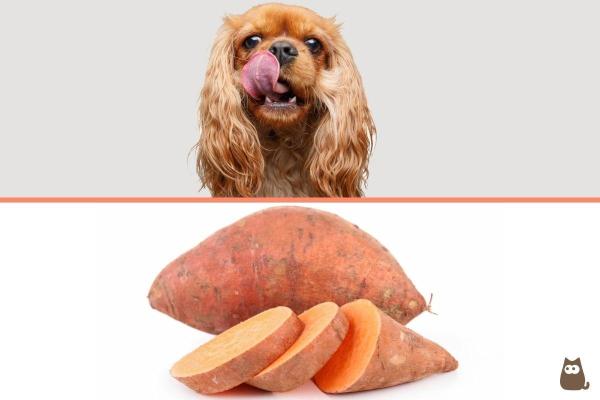
Sweet potatoes, also known as “yams”, are starchy root vegetables with a high nutritional value. They come in a variety of sizes and colors and are grown worldwide. Sweet potatoes are a great source of fiber, vitamins, and minerals. They provide numerous health benefits not only for you, but for your dog. They can be safely included in your dog's diet, but not on a daily basis.
If you are interested in learning about all the healthy benefits of sweet potatoes and how to properly include them in your dog's diet, keep reading this AnimalWised article to find out if sweet potatoes are safe for dogs.
Are sweet potatoes safe for dogs?
Sweet potatoes can be included as a healthy source of carbohydrates in your dog's diet. In fact, sweet potatoes are a common ingredient in many commercial dog foods. However, you should offer them to your dog occasionally and in moderation since sweet potatoes are high in carbohydrates and can spike blood sugar levels in some dogs.
In the following sections, we will explain the benefits of sweet potatoes for dogs and how to properly incorporate them into their diet. It's essential to ensure that your dog's diet remains balanced and doesn't rely heavily on any single food source.
Benefits of sweet potatoes for dogs
These are some of the most important benefits that sweet potatoes can bring to your dog:
- Sweet potatoes are high in carbohydrates and sugar, about 100 kcal per 100 g of edible portion. However, they have lower calories and carbohydrates than the average spud. They are an exceptional fuel source for young dogs or dogs with high physical performance. Additionally, they are an excellent source of dietary fiber, which aids in digestion and can help prevent constipation.
- Regarding their vitamin content, sweet potatoes stand out for their high content of vitamin A, which is necessary for the proper functioning of the immune system, vision, growth, and development. They also contain β-carotenes, a pigment that is later transformed into vitamin A in the body. Vitamin C and vitamin E are also found in considerable amounts, contributing to healthy skin and a strong immune system. Finally, they also contain B vitamins such as vitamin B9 (folic acid) and vitamin B6, which are indispensable for brain and nervous system health.
- In terms of their mineral content, sweet potatoes are a good source of potassium and phosphorus, which help improve heart health by helping to regulate blood pressure. These minerals also play a crucial role in maintaining muscle function and bone health.
It should be noted that sweet potatoes also contain antioxidants, which can help reduce inflammation in the body and support your dog's overall well-being. If you are interested in learning more about other recommended fruits and vegetables for dogs, keep reading this other article.
How to feed sweet potatoes to your dog
As we have explained before, sweet potatoes can be safely included in your dog's diet because of their many health benefits. However, since they are rich in sugars, you shouldn't include them in your dog's daily diet. If you feed your dog commercial feed, you can occasionally offer sweet potatoes as a treat.
Before feeding your dog sweet potatoes, keep in mind that you should always peel and cook them beforehand. You should never offer raw sweet potatoes to your dog, since they contain dioscorin, an alkaloid-type plant toxin that affects their central nervous system. Heat destroys this toxin, hence the importance of cooking them before.
There are two ways of cooking sweet potatoes:
- Bake them: cut them into strips or dices, place them on a baking tray with parchment paper, and add a few drops of olive oil. Then cook them in the oven at 180ºC for about 20 minutes. Baking enhances the natural sweetness of the potatoes, making them an enticing treat for your dog.
- Cook them: cut them into cubes, place them in a pot with water, and cook them for about 15 minutes. If you usually feed your dog a homemade ration, you can boil the sweet potatoes with the rest of the ingredients: proteins, cereals, and other vegetables. Cooking them this way ensures that they are soft and easy for your dog to digest.
Additionally, consider mashing the cooked sweet potatoes and mixing them with your dog's regular food for a tasty surprise. Just remember to introduce any new food gradually to avoid digestive upset.

When should you not give sweet potatoes to your dog
Sweet potatoes have a high content of carbohydrates, which is why it might be inappropriate to include them in the diet of some dogs. Avoid feeding sweet potatoes to your dog in any of the following scenarios:
- Obesity: in the case of overweight dogs, it is better to provide a low carbohydrate diet and avoid high content of carbohydrates. Excess carbohydrates can contribute to weight gain, exacerbating obesity issues.
- Advanced age: in older dogs, the basal metabolism decreases up to 20%, which implies that the energy intake must be also reduced. Older dogs often require a diet that is lower in calories but rich in essential nutrients to support their aging bodies.
- Diabetes: in diabetic dogs, carbohydrates with a high glycemic index, such as sweet potatoes, should be replaced by those with slow absorption. Managing blood sugar levels is crucial for diabetic dogs, and low-glycemic foods are generally recommended.
- Hypothyroidism: The metabolic rate of hypothyroid dogs decreases, so it is also important to reduce the amount of carbohydrates in their diet. A controlled diet helps manage weight and supports thyroid function.
At AnimalWised, we advise you to always consult a veterinarian who specializes in animal nutrition before offering sweet potatoes to your dog. A professional can provide tailored advice based on your dog's specific health needs and dietary requirements.
If you want to read similar articles to Are Sweet Potatoes Good for Dogs?, we recommend you visit our Homemade diets category.
- European Federation of Pet Food Manufacturers. (2017). Nutritional guides for complete and complementary foods for dogs and cats .
- Ministry of Agriculture, Fisheries and Food. Sweet potato Retrieved from: https://www.mapa.gob.es/es/ministerio/servicios/informacion/batata_tcm30-102417.pdf