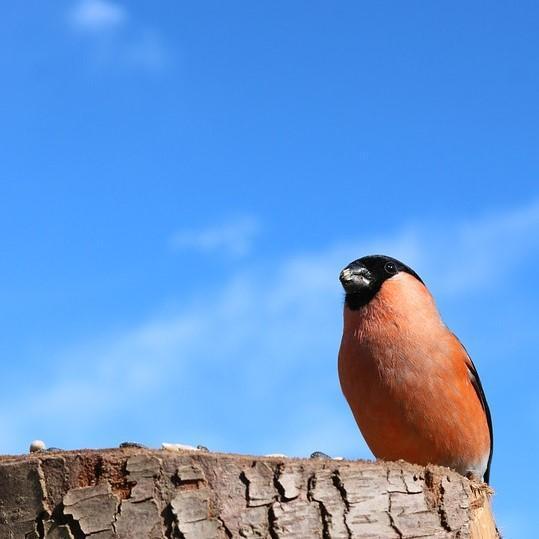
A bird's health is very important and, if you want one as a pet, you should provide the best for its welfare. In the case of birds intended for food, their health has an obvious and direct impact on public health.
This AnimalWised article will talk about coccidiosis, a contagious disease that must be detected and treated as soon as possible as it can be very serious. Read on to find out what is coccidiosis in birds, its symptoms and suitable treatment.
What is coccidiosis?
Coccidiosis is a disease caused by coccidia, a kind of protozoa that is spread through fecal-oral contact. They reproduce inside the bird, causing damage to the gastrointestinal tract. They are then distributed in their feces, causing new outbreaks of infection.
The disease primarily causes enteritis in the gastrointestinal tract, that is, inflammation of the cells of the intestinal wall, and bloody diarrhea. Coccidiosis can lead to significant health issues in affected birds, such as malnutrition and severe weight loss if left untreated.
It affects different kinds of birds, including domestic and farm birds. In this latter case, developing chicks and young adults are more susceptible to the disease. Chicks less than three weeks old or mature chickens very rarely suffer from this disease. It is critical to monitor young birds closely, as their immune systems are not fully developed.
The protozoa that causes coccidiosis in birds are coccidia of the genus Eimeria, manifested in the following strains or species:
- E. tenella
- E. acervulina
- E. Maximum
- E. necatrix
- E. mivati
- E. Mitis
- E. praecox
- E. Nagari
Different genus of these protozoa can affect different species, from dogs and cats to cattle. This highlights the importance of maintaining a clean and controlled environment, especially in mixed-species farms.
Symptoms of coccidiosis in birds
A bird suffering from coccidiosis will present the following symptoms:
- Bloody feces
- Weakness and drowsiness
- Inflammation of the cloaca
- Blood stains in the area around the cloaca
- Reduction in head size
- Poor feather quality
- Decreased appetite
If you suspect coccidiosis you must go to the vet immediately, as it is very important to confirm the diagnosis and begin treatment as soon as possible. Early intervention can prevent severe complications and improve the chances of recovery.

Treatment of coccidiosis in birds
Coccidiosis can be fatal for birds. Death is caused by a loss of electrolytes due to dehydration. Unfortunately, coccidiosis can only be treated in the early stages of the disease. It should be noted that once the disease progresses, supportive care focusing on rehydration and nutrition becomes crucial.
Due to the contagious nature of coccidiosis, part of the treatment should be based on isolating the sick bird from other birds. Otherwise, the disease can spread quickly and can be fatal. When treated early, an anticoccidial - usually decoquinate - is used, which inhibits the development of protozoa and allows for a good prognosis. In severe cases, additional medications may be required to address secondary infections.
The veterinarian will let you know when the bird has overcome coccidiosis and therefore when it can return to being in contact with other birds. It's essential to follow all veterinary advice to prevent recurrence.

Prevention of coccidiosis in birds
Coccidiosis in birds can be prevented. In farm birds, immunization with commercial vaccines is carried out, as domestic birds are the most likely to be subjected to continuous stress. In other cases, coccidiostats used in rotation are administered together with food. This is the most widespread system. Regular cleaning of bird enclosures and proper waste management are also crucial in reducing the risk of infection.
You should make regular visits to the vet in order to adequately prevent coccidiosis. Birds need frequent check-ups to ensure their optimal health and well-being. Additionally, maintaining a balanced diet and reducing environmental stressors can help enhance the birds' immune response.
This article is purely informative. AnimalWised does not have the authority to prescribe any veterinary treatment or create a diagnosis. We invite you to take your pet to the veterinarian if they are suffering from any condition or pain.
If you want to read similar articles to Coccidiosis in Birds - Symptoms, Treatment and Prevention, we recommend you visit our Intestinal problems category.