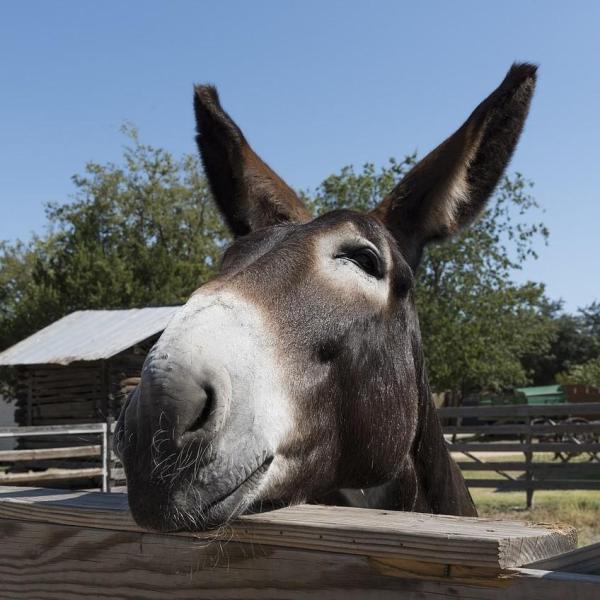
The domestic donkey or ass, scientifically named Equus africanus asinus, belongs to the equine family, which also includes the wild ass, the zebra, and the horse. The domestic donkey is considered a farm or work animal, as they have been used to carry heavy loads since ancient times. Nowadays, donkeys are also used for riding therapy, helping children with affective disorders and people with varying degrees of disability. Some people even keep donkeys as pets!
Donkeys are long-living animals with a life expectancy of between 30 and 40 years: adopting a donkey means assuming a great responsibility. However, they are kind and sweet-natured and are capable of establishing strong ties with other animals and their human owners. Are you thinking about adopting a donkey? In this AnimalWised article we'll go over the main guidelines and basic care for a domestic donkey.
What are donkeys as pets like?
Donkeys have an undeserved reputation for being stubborn, which is a million miles from the truth. Donkeys are very intelligent and contemplative animals, but also very friendly. If you are patient and affectionate with your pet donkey, you'll manage to teach them some basic commands, such as allowing you to ride them or walk them on a lead.
One very important aspect of caring for a donkey is their high sociability; if a donkey doesn't have the company of another member of their species they may feel sad and dejected, and this will have a direct impact on their health.
It is recommended to keep two donkeys rather than one, with the following combinations being the most recommended:
- Two female donkeys.
- Two neutered male donkeys.
- One female donkey and one male donkey, providing that the male is neutered if you don't want them to breed.
You should note that the decision to keep more than one pet donkey should be sustained over time, since these animals create very deep ties and later depriving them of a companion would be counterproductive.
If you have dogs, you should know that donkeys don't get on particularly well with them when they live together except in cases where both animals are raised together.
Donkeys are also known for their protective nature. In some farming communities, they are used as guard animals to protect other livestock from predators. This trait can be beneficial if you have other animals as pets, but it's important to introduce them properly to ensure harmony.

A barn for a pet donkey
Donkeys are very tough animals, but they always have a preference for warm temperatures. One reason why is because their coat isn't waterproof; water has a general cooling effect over their body which can lead to the development of pneumonia and bronchitis if the donkey isn't kept in a sheltered and relatively warm place.
Therefore, domestic donkeys should be provided with a fully covered shed or barn which is large enough for them to exercise during the winter without the need to be exposed to the adverse weather. The floors should be hard and made of wood, and they should later be covered with straw for added warmth.
Additionally, it's important to ensure proper ventilation in the barn to prevent respiratory issues. The barn should also be cleaned regularly to maintain hygiene and reduce the risk of infection. Providing some natural light will also benefit the donkeys, as it helps regulate their natural behaviors and routines.

How much exercise do donkeys need?
Another basic aspect of caring for donkeys is providing them with lots of physical exercise. Donkeys need to exercise every day if they are to stay healthy and happy. It is especially important to maintain their body weight which, as you will read below, can easily increase if they are overfed.
Donkeys will exercise on their own accord if they have a large enough field. On the other hand, you will need to take them to a place in which they can exercise during the winter months. If the weather is very cold and rainy, you should have an alternate area in mind which is large and covered as we mentioned above.
Engaging donkeys in activities like walking or light trekking can also be a good way to ensure they get adequate exercise. These activities not only help in maintaining physical health but also provide mental stimulation. Training your donkey to follow simple commands during these activities can further strengthen your bond with them.

What is the best diet for a donkey?
A domestic donkey's basic diet:
A domestic donkey's diet needs to be rich in fiber and low in sugar, taking special precautions not to overfeed them because they can easily become obese, which consequently undermines their health.
Donkeys need to eat small amounts of food at regular intervals. The best option is to base their diet on barley straw, with grass being an additional supplement that shouldn't make up a large part of their diet.
If it is winter, or for whatever reason the donkey doesn't have enough grass, it is possible to supplement their diet with meadow grass. Always make sure you don't give your donkey alfalfa, unless the donkey is pregnant or lactating.
You can sporadically reward your donkey with carrots, apples, bananas - peel included - or mint leaves. Your donkey will love these delicious treats!
The donkey, obviously, should always have access to clean and fresh water. You'll need to regularly check their water supply in the winter to make sure that it doesn't freeze.
Forbidden foods for donkeys:
You should make sure that the donkey doesn't eat cereals or grains, as these are rich in starches and sugars. Since donkeys are herbivores, it goes without saying that you cannot give them meat or fish under any circumstances.
It's important that you keep an eye on your donkey to make sure it doesn't consume certain toxic plants, especially the following:
- Yew
- Groundsel
- Acorns
- Oak leaves
- Red maple leaves.
Additionally, ensure that any pasture where your donkey grazes is free from these plants. Regular pasture maintenance can help prevent accidental ingestion. Consulting with a veterinarian about any new plants or feeds you introduce can also help avoid dietary issues.

Veterinary care for pet donkeys
If you keep donkeys as pets or farm animals it is extremely important for them to undergo regular veterinary checks, because despite being a strong and tough animal they will need the following basic care:
- Domestic donkeys need to be administered vaccines for tetanus, flu and distemper on a yearly basis. Depending on the geographical area, it may be necessary to administer other vaccines as well; ask your vet and check your country's regulations.
- The donkey's feces should be regularly analysed in order to rule out the presence of intestinal parasites.
- The vet should regularly examine the donkey's teeth to rule out any growth disorders.
Before adopting a donkey as a pet, you should previously find out information about the location and the professionals that can provide the veterinary care required by this animal. You should only keep a donkey if you're absolutely sure you can keep them healthy and happy for all their lives.
In addition to regular check-ups, it is also beneficial to establish a routine health monitoring practice at home. This includes observing their behavior daily for any signs of discomfort or illness, checking their hooves for damage, and monitoring their eating and drinking habits. This proactive approach can help catch potential health issues early.

Other guidelines on caring for donkeys
In order to keep a pet donkey in a perfect state of health and well-being, you will also need to keep the following considerations in mind.
- The area where the donkey's food will be kept needs to be maintained in perfect hygiene conditions.
- The donkey's barn should be cleaned every other day.
- A donkey's hooves need to be trimmed every 8 weeks or so because, just like nails, they are always growing.
- Donkeys are not big fans of water, so the best way to keep them healthy is to brush them on a daily basis.
Besides caring for your pet donkey in the ways described above, we want to finish off by stressing once again that affection and kindness are most important when caring for domestic donkeys.
Moreover, spending quality time with your donkey, such as grooming sessions or simply being present while they graze, can strengthen your bond. This emotional connection is just as crucial as physical care, as it greatly contributes to their overall happiness and well-being.

If you want to read similar articles to Donkeys as Pets: Guidelines and Basic Care, we recommend you visit our Basic care category.