
There are several causes that can result in a cat reducing its habitual water consumption. Some of the many causes behind a cat not drinking water include illness, excessive heat, and behavioral problems. If your cat is not drinking water, this cannot be ignored. Dehydration in cats is extremely dangerous and, if not treated accordingly, can result in heightened illness.
For more about how to get a cat to drink water, keep reading here at AnimalWised. These 10 effective ways of getting a cat to drink will allow you to make sure that your cat avoids dehydration and additional illness.
How much water should a cat drink?
It’s difficult to determine exactly how much water a cat should drink per day, as water intake varies depending on a cat’s size, the time of year, general diet, and age. In addition, felines that only consume commercial feed, for example, will require more water than those that eat wet food on a regular basis.
On the other hand, kittens, immunosuppressed, and older cats will need to drink more water, especially in summer. In general, however, a healthy adult cat weighing roughly five kilograms should generally drink around 250 milliliters of water a day, under normal conditions. These amounts are a general guide rather than a strict target, since a cat’s needs can change with its activity level, health, and the amount of moisture in its food.
If, however, you notice that your cat is drinking more water than normal, it could be a sign of:
- Diabetes in cats
- UTI
- Thyroid problems
- Liver failure
If you notice that your cat is drinking a lot of water, we recommend consulting a veterinarian as soon as possible in order to rule out the possibility of a pathology. For more, we recommend reading our article: my cat is drinking a lot of water.

Cat stopped drinking water: why?
There are many reasons that can cause a cat to stop drinking water; the most common include:
- Lack of hygiene when it comes to the bowl or fountain.
- Behavioral problems
- Certain pathologies such as a feline urinary tract infection, common in domestic cats.
If your cat is suddenly not drinking water and you don’t know why, we recommend consulting a veterinarian in order to make sure that the cause is not rooted in illness. A sudden change in drinking habits is worth paying attention to, especially if you also notice changes in urination or energy levels. What is also important to recognize if your cat is not drinking water are signs of a dehydrated cat. Keep reading to find out what these symptoms are!
Cat not drinking water but eating
If you notice that your cat is not drinking water as well as showing symptoms of dehydration in cats, this is a cause for concern.
Is my cat dehydrated?
A dehydrated cat will show symptoms such as:
- Decrease in appetite.
- Dry gums.
- Decrease in skin elasticity.
- Visibly sunken eyes.
- Decrease in body temperature.
For more, we recommend reading our article where we discuss in more depth how to tell if a cat is dehydrated.
If your cat is not drinking water but eating, you can use this as a basis to rehydrate your cat. If your cat is not drinking but eating, we recommend offering it wet cat food in order to replenish lost electrolytes. Eating does not rule out dehydration, so contact a veterinarian if symptoms appear or your cat’s condition worsens. For more, read our article where we list the best homemade remedies for dehydrated cats.

How to get a cat to drink water
Our top tips on how to get a cat to drink water include:
- Use a suitable container: the ‘plastic’ taste that water acquires in low-quality containers can cause a cat to stop drinking water. Therefore, we recommend changing to a stainless steel or glass container. A wide, shallow bowl can be more comfortable for some cats to drink from.
- Change your cat’s water daily : cats love fresh and renewed water. If a cat’s water has been sitting for too long, they will likely not drink it. Replace your cat’s water once a day and clean the water bowl or container once a week (at least). Rinse it well so that no soap residue or smell puts your cat off.
- Place your cat’s water in an appropriate place: did you know that you should properly separate your cat’s water from its food or sandbox? If your cat’s water is placed in the same room as the above-mentioned objects, it’s likely to put your cat off drinking it. A quiet spot that is easy for your cat to reach can make the bowl more inviting.
- Use bottled water: some cats hate the taste of tap water; offer your cat higher-quality water. Filtered water may be another option if your cat dislikes the taste of water from the tap.
- Add broth to your cat’s food: most cats will reject food soaked in water; however, many cats love to have their food soaked in fish or meat broth. Make sure that this broth does not contain any onion or salt, and let it cool before serving.
- Offer your cat several drinking troughs: distribute several containers around the home, which will stimulate a cat’s water intake. Place them in different areas so your cat can drink wherever it feels comfortable.
- Install a cat water source or fountain: because cats are so incredibly hygienic, they prefer to drink from moving water. In addition, moving water for cats is a source of enrichment which spurs on their curiosity. Clean the fountain regularly and follow its care instructions to keep the water fresh.
- Offer moist food: as we’ve already mentioned, offering your cat wet food will not only stimulate its appetite, but provide it with that extra needed hydration.
- Have fun with your cat: stimulating your cat both physically and mentally with taps and running water will strengthen its bond with this form of hydration. Keep the experience calm and supervised, and never leave taps running unattended.
- Visit your veterinarian: if your cat's water intake has drastically decreased and does not improve with these above-mentioned tricks, we recommend consulting your veterinarian.

How to get a cat to drink water when sick
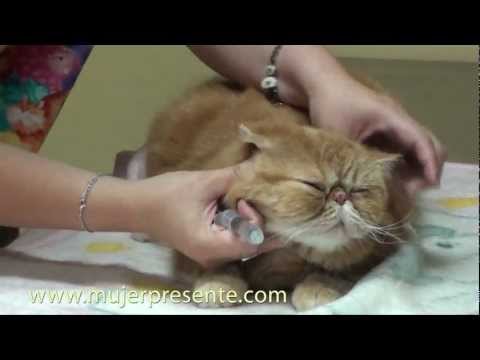
Is your sick cat not drinking water? In the case of a sick cat, a veterinarian may suggest offering your cat water through a needleless syringe. But, how do you apply electrolyte solution for cats?
The first thing you should do is buy a syringe at a pharmacy (WITHOUT A NEEDLE). Make sure you have someone to help you hold the cat to avoid causing excessive stress and anxiety in your feline. If your cat is moving excessively, gently wrap it in a towel. Only give water or electrolyte solution this way if your veterinarian recommends it, and follow their instructions.
Then, gently locate your cat’s jaw and fangs. Add slight pressure with your index finger and thumb, which should gently force your cat’s mouth open. From here, offer it water carefully, a little at a time from the side of the mouth, and allow your cat to swallow. Do not force liquid into the back of the throat.
How to get a cat to drink water
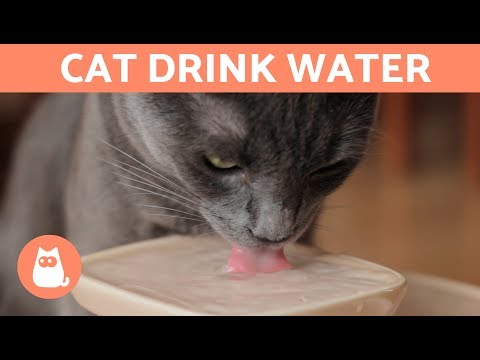
Has your cat stopped drinking water? For more on how to get a cat to drink water after surgery or in general, watch our video below!
If you want to read similar articles to How to Get a Cat to Drink Water, we recommend you visit our Extra care category.
- Hydration (Cornell University College of Veterinary Medicine)
- Encouraging your cat to drink (International Cat Care)