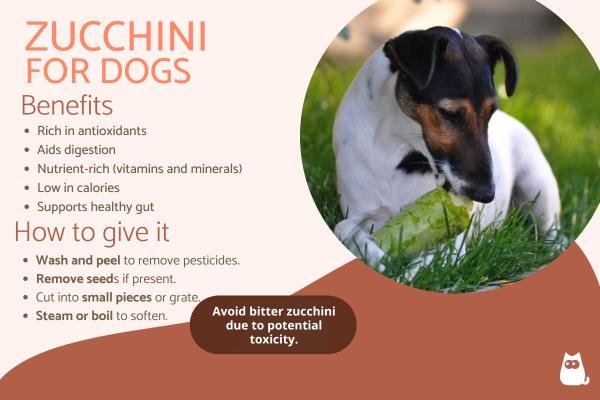
Hailing from North America, zucchini is a versatile summer squash beloved by humans and, fortunately, safe for dogs to enjoy in moderation. This summer squash, a member of the Cucurbitaceae family alongside pumpkins, offers a wealth of health benefits for both humans and canines. Packed with essential nutrients and low in calories, this green vegetable offers numerous health benefits for our dogs.
In this AnimalWised article, we'll explore if zucchini is good for dogs, provide safe preparation guidelines, and discuss potential side effects.
Is zucchini good for dogs?
Zucchini is a healthy and safe treat for dogs when given in moderation. It's low in calories and high in fiber, making it a great option for dogs on a diet or those with digestive issues. In addition to these benefits, zucchini provides hydration, which is particularly beneficial during hot weather when dogs need extra fluids.
However, it is important to note that zucchini also contains cucurbitacins. These compounds, found mainly in the leaves, stems, and roots of the plant, impart a bitter taste and can be toxic to dogs if they penetrate the fruit. To avoid this, always ensure zucchini is fresh and properly prepared.
A dog's primary nutritional needs are best met through a diet specifically formulated for canines. Commercial dog food provides a balanced mix of essential nutrients, while veterinarian-prepared homemade meals can offer tailored nutrition. Always prioritize these options to ensure your dog receives the complete nourishment required for optimal health and well-being. Discover more about a healthy dog diet in our other article.
Benefits of zucchini for dogs
Zucchini is packed with antioxidants, including carotenoids. These powerful compounds help protect your dog's cells from damage caused by harmful free radicals, potentially slowing down aging and supporting overall health. Furthermore, antioxidants can contribute to a stronger immune system, helping your dog ward off illnesses more effectively.
Zucchini aids digestion due to its high water content, which helps prevent constipation and softens stools. It contains both soluble fiber, which promotes the growth of beneficial bacteria by creating short-chain fatty acids in the intestine, and insoluble fiber, which increases stool bulk and reduces constipation. This combination helps prevent intestinal issues such as colitis, irritable bowel syndrome, and leaky gut syndrome.
Additionally, zucchini is a good source of vitamins, particularly A, C, K, and B6, as well as essential minerals like copper, zinc, magnesium, and phosphorus. These nutrients support various bodily functions, including bone health and metabolism.
Lastly, zucchini is a low-calorie treat that can help manage your dog's weight. Its high water and fiber content promote satiety without contributing to blood sugar spikes. This makes it an excellent treat for dogs prone to obesity or those on a low-calorie diet.
How to give zucchini to my dog?
Zucchini can be offered to dogs in various ways due to its versatility. However, zucchini should not constitute more than 10% of your dog's regular diet, with the appropriate amount depending on the dog's size. It is also advisable to introduce zucchini gradually to your dog's diet to monitor for any digestive upset. Gradual introduction allows you to detect any intolerance early on.
Here are some methods to prepare zucchini for your dog:
- Raw: raw zucchini retains higher amounts of vitamin A. Cut it into small pieces or grate it over your dog's main food, provided it's homemade, as mixing raw zucchini with commercial dog food is not recommended. This method preserves the vegetable's natural crunch, which some dogs may enjoy.
- Cooked: cooking zucchini makes it softer and easier to digest. You can add it to homemade meals or serve it alone. Cooking also reduces the risk of any remaining cucurbitacins.
- Baked: baking zucchini enhances its flavor and retains its benefits. Your dog will enjoy this preparation. Baking also allows you to avoid using oils or fats that might upset your dog's stomach.
- Grilled: grilling zucchini with minimal oil adds some fat, making it more appetizing for your dog, but consider the extra calories. Always ensure it's fully cooled before serving.
- Mashed: whether raw or cooked, you can mash zucchini into a paste or porridge and mix it with your dog's homemade food for easier ingestion. This is especially beneficial for older dogs or those with dental issues.
Always wash and peel the zucchini to remove pesticides and dirt before preparation.
While zucchini is generally safe for dogs, it's important to prepare it correctly. Remove any seeds before feeding it to your dog, as they can be a choking hazard. Additionally, avoid giving your dog bitter zucchini, as it may contain toxic cucurbitacins. If in doubt, taste a small piece yourself first.
Can dogs eat zucchini with skin?
Yes, the skin of zucchini is actually quite nutritious for dogs. It contains a good amount of fiber and antioxidants. So, there's no need to peel it before feeding it to your dog.
Just make sure to wash the zucchini thoroughly to remove any pesticides or dirt before serving. This ensures that it's safe and clean for your pet.

Side effects of zucchini for dogs
While zucchini is generally safe for dogs, there are a few potential side effects to be aware of:
- Digestive upset: If given in excessive amounts or too quickly, zucchini's high fiber content can lead to diarrhea, gas, or vomiting. Monitoring portion sizes can help prevent these issues.
- Choking hazard: Large pieces of zucchini can pose a choking risk. Always cut zucchini into small, bite-sized pieces to ensure safe consumption.
- Allergies: While rare, dogs can develop allergies to any food, including zucchini. Symptoms of an allergic reaction might include itching, swelling, or digestive upset. Always observe your dog for any adverse reactions when introducing new foods.
For the most part, zucchini is generally a safe and healthy treat for dogs. However, it's crucial to be aware of a potential risk: cucurbitacins.
Cucurbitacins are compounds found in the cucumber family, including zucchini. While modern varieties have significantly reduced cucurbitacin levels, some bitter zucchini can still contain harmful amounts. Consuming bitter zucchini can lead to severe gastrointestinal upset in dogs, including excessive drooling, nausea, vomiting, diarrhea, lethargy, and even shock.
To ensure your dog's safety:
- Always taste the zucchini before feeding it to your dog. A bitter taste indicates the presence of cucurbitacins.
- Purchase zucchini from reputable sources to minimize the risk of bitterness.
- Discard any zucchini that exhibits a bitter taste, as it is not safe for your dog.
Discover other healthy fruits and vegetables for your dog in our next article.
Contraindications of zucchini for dogs
While zucchini is generally safe for dogs, there are a few specific circumstances where it might not be suitable:
- Digestive sensitivity: dogs with sensitive stomachs might experience digestive upset, such as diarrhea or gas, when consuming zucchini. Monitoring their reaction when introducing zucchini is advised.
- Allergies: as with any food, there's a possibility of a dog developing an allergy to zucchini. Symptoms might include itching, swelling, or gastrointestinal issues. Always introduce new foods cautiously.
- Diabetes: while zucchini is low in carbohydrates, it's essential to monitor blood sugar levels in diabetic dogs when introducing new foods. Consult with your veterinarian if you have concerns.
It's crucial to introduce zucchini gradually to your dog's diet and observe for any adverse reactions. If you notice any signs of discomfort or allergy, discontinue feeding zucchini and consult your veterinarian. Discover the most common food allergies in dogs in our next article.
If you want to read similar articles to Is Zucchini Good for Dogs?, we recommend you visit our Homemade diets category.
- Can Dogs Eat Zucchini? (American Kennel Club)
- Toxic and Non-toxic Plants: Zucchini Squash (ASPCA)
- Pet Friendly Human Food (Pet Poison Helpline)