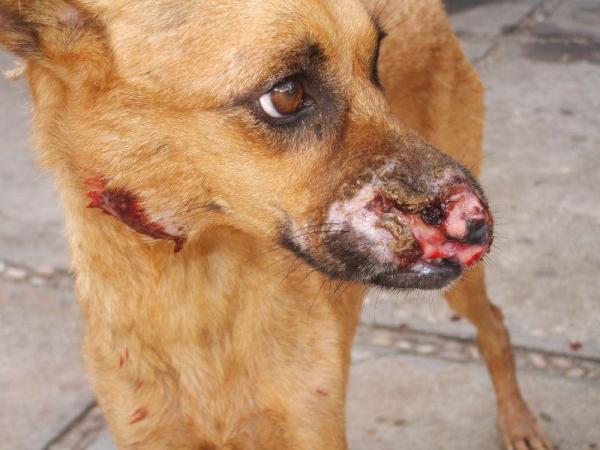
Leishmaniasis in dogs is a disease caused by a protozoan parasite (Leishmania). This parasite is transmitted by the bite of an infected sand fly. A leishmaniasis vaccine may help reduce the risk of infection in dogs. However, if your dog is already suffering from this disease, you may be wondering: How long does a dog with leishmaniasis live? Life expectancy depends on the individual case. There are different stages of leishmaniasis[1].
If you want to know the symptoms of canine leishmaniasis, its treatment and prevention, you’ve come to the right place. Keep reading to find out everything you need to know about this parasitic infection in dogs.
Leishmania in dogs: symptoms
Canine leishmaniasis is classified into two types: cutaneous leishmaniasis (affecting the skin) and visceral leishmaniasis (which can affect internal organs, including the kidneys and liver). In addition, other symptoms can be associated with this disease, although they are less frequent.
One of the most common symptoms of leishmaniasis in dogs is a lack of appetite. Other signs can also help you identify whether your dog may be suffering from this parasitic disease. Symptoms can develop gradually, and not every dog will show all of them. Symptoms of leishmaniasis in dogs include:
Cutaneous leishmaniasis in dogs
- Exaggerated nail growth.
- Hair loss in various parts of the body, especially around the nose, eyes and ears.
- Peeling skin.
- Infections, scabs and reddened areas on the skin.
- Hardened mucous membranes.
- Dry, dull and brittle fur.
- Formation of ulcers on the skin, especially around a dog’s legs.
- The appearance of nodules.
Visceral leishmaniasis in dogs
- Sudden weight loss.
- Changes in kidney function.
- Apathetic behavior.
- Loss of appetite.
- Fever.
- Anemia.
- Decrease in muscle mass.
- Abdominal swelling due to inflammation of the liver and spleen.
Other symptoms of canine leishmaniasis
- Chronic diarrhea.
- Coughing.
- Conjunctivitis.
- Nasal hemorrhages.
- Pneumonia.

What is leishmaniasis in dogs?
Canine leishmaniasis is classified into four different stages. Symptoms vary depending on the stage the dog is in:
The different stages of leishmaniasis include:
- Stage I leishmaniasis: mild illness. Dogs have mild clinical signs, such as peripheral lymphadenopathy or papular dermatitis. They do not present clinicopathological disorders, and their antileishmania antibody levels are negative or low-positive. In this case, the prognosis given by a veterinarian is positive. The stage is assessed using both clinical signs and test results.
- Stage II leishmaniasis: moderate disease. In addition to the clinical signs mentioned above, dogs suffering from stage II leishmaniasis can present skin lesions (exfoliative dermatitis, ulcers, nodules), onychogryphosis, anorexia, weight loss, fever, diarrhea and epistaxis. Common clinicopathological disorders include non-regenerative anemia and hyperproteinemia.
- Stage III leishmaniasis: serious illness. In addition to the signs mentioned above, this phase can involve lesions caused by immune complexes, such as vasculitis, arthritis, uveitis and glomerulonephritis. Clinicopathological disorders will be similar to those in stage II. The prognosis becomes more unfavorable, depending mainly on your dog’s kidney function.
- Stage IV leishmaniasis: very serious disease. This fourth stage can include the clinical signs and lesions mentioned above, as well as serious disorders such as thromboembolism, nephrotic syndrome or end-stage renal disease. The prognosis is unfavorable, and the dog is at risk of death.
Leishmaniasis in dogs: life expectancy
Unfortunately, there is no specific life expectancy for leishmaniasis, so we cannot give a clear answer to this question. As we pointed out in the previous section, the prognosis varies according to the stage of the disease.
If the disease is detected in stage I, the dog can maintain a good quality of life with appropriate treatment prescribed by a veterinarian. However, if you consult a specialist when the disease is already very advanced, there may be very little chance of survival.
Having said that, it is important to know that leishmaniasis in dogs has no cure. Treatment aims to control the disease’s development and symptoms. Regular veterinary checkups help monitor the dog’s condition and allow treatment to be adjusted if needed. Kidney function is especially important to keep an eye on as the disease progresses.
Parasite infection in dogs
You may be wondering how to help your dog with leishmaniasis. Helping a dog suffering from leishmaniasis requires careful management of the disease to prevent it from progressing. Here are some suggestions on how you can help a dog suffering from leishmaniasis:
- Follow your veterinarian’s instructions strictly. A professional will recommend the best treatment for your dog’s specific case and its severity.
- DO NOT neglect treatment. Although treatment for leishmaniasis is extensive and requires a strict monitoring schedule, it is essential for your dog’s health and well-being.
- Stay aware and alert during and after your dog’s treatment. This is necessary to monitor whether the disease is subsiding or progressing. Contact your veterinarian if you notice new or worsening signs.
- Provide your dog with a high-quality diet, exercise and love. Make sure fresh water is always available, and ask your veterinarian about any dietary changes that may be appropriate.
Advanced leishmaniasis in dogs: treatment
Treatment for this disease is complex and is administered over the long term. Medications provided by a veterinarian should reduce symptoms and help your dog feel better. Remember, however, that completely eradicating the disease is currently impossible.
Being aware of these symptoms is important because early detection can reduce the risks associated with the disease. The more complex and advanced the disease becomes, the more irreversible its effects may be.
Therefore, if you notice any of the above symptoms, make sure to consult a veterinarian as soon as possible[2]. Keep all follow-up appointments, since your veterinarian may need to assess your dog’s response to treatment and check for possible complications.

Leishmaniasis prevention dogs
Prevention is key when it comes to parasitic infections in dogs. Leishmaniasis prevention includes:
- Avoid walks and outdoor activities during the evening, especially in humid or warm areas, when sand flies are often active. Keeping your dog indoors around dusk and dawn can also help limit exposure.
- Leishguard syrup may be recommended by a veterinarian to stimulate your dog’s immunity and help prevent leishmaniasis. Ask your veterinarian whether it is suitable for your dog.
- Repellents for dogs can help prevent this disease. However, it is important to make sure beforehand that your dog is not allergic to the repellent and that it is suitable for use on dogs.
- The leishmaniasis vaccine for dogs is another option some people choose. However, this vaccine is not completely effective and does not guarantee protection against infection. It can only be administered by a veterinarian.
For more about canine disease prevention, we recommend taking a look at the following articles:
- Deworming dogs: Preventing and Treating Parasites.
- Canine babesiosis: Parasite Infection In Dogs.
This article is purely informative. AnimalWised does not have the authority to prescribe any veterinary treatment or create a diagnosis. We invite you to take your pet to the veterinarian if they are suffering from any condition or pain.
If you want to read similar articles to Leishmaniasis In Dogs: Symptoms, Treatment, Life Expectancy, we recommend you visit our Parasitic diseases category.
1 https://avmajournals.avma.org/doi/abs/10.2460/javma.236.11.1184
2 https://avmajournals.avma.org/doi/abs/10.2460/javma.236.11.1192
- Leishmaniasis (Companion Animal Parasite Council)