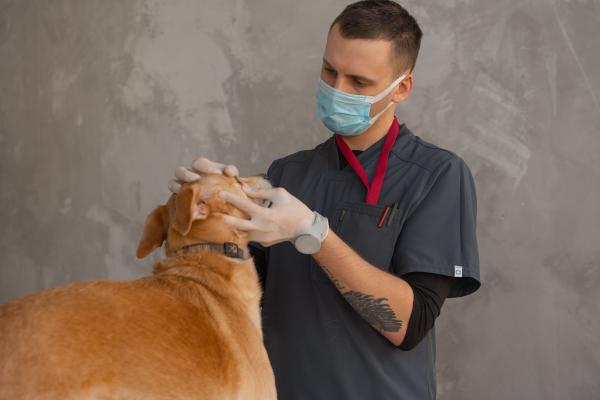
Knowing when a pet needs urgent veterinary attention can make a significant difference to their health and recovery. While some symptoms can be monitored at home, others may indicate a life-threatening condition requiring immediate treatment. Understanding the warning signs helps pet owners respond calmly, make informed decisions and avoid unnecessary delays when every minute counts.
Warning Signs That Require Immediate Veterinary Attention
Certain symptoms should never be ignored. If your pet displays any of the following signs, contact an emergency veterinary clinic immediately and follow its instructions.
- Difficulty breathing: Laboured breathing, persistent gasping, unusually noisy breathing or blue, grey or very pale gums can indicate a serious respiratory or cardiovascular problem. Do not wait to see whether the symptoms improve.
- Collapse or loss of consciousness: Sudden collapse, unresponsiveness, extreme weakness or difficulty standing may indicate internal bleeding, heart problems, poisoning or other serious conditions.
- Severe bleeding or major injuries: Heavy bleeding, deep wounds, suspected broken bones or injuries following a road traffic accident require urgent assessment, even if your pet initially appears alert.
- Suspected poisoning: If your pet may have swallowed medication, toxic food, household chemicals or poisonous plants, seek veterinary advice immediately. Never induce vomiting or administer home remedies unless specifically instructed by a veterinary professional.
- Repeated vomiting with a swollen abdomen: A visibly distended abdomen accompanied by unsuccessful attempts to vomit, restlessness or excessive drooling can indicate gastric dilatation-volvulus, a life-threatening emergency particularly associated with large dogs.
- Seizures: A first seizure, repeated seizures or a seizure lasting five minutes or longer requires emergency veterinary attention. Keep your pet away from nearby hazards, do not restrain them and never put your hands inside their mouth.
Other urgent warning signs include an inability to urinate, particularly in male cats, severe eye injuries, heatstroke symptoms and sudden paralysis.
Symptoms That May Be Monitored at Home
Not every change in behaviour requires an emergency visit. Some mild symptoms can be monitored briefly, provided your pet remains comfortable, responsive and otherwise stable.
For example, an isolated episode of vomiting or diarrhoea may resolve without treatment. Similarly, a mild reduction in appetite, temporary tiredness or occasional sneezing may not indicate a serious problem.
However, context matters. Monitor how frequently symptoms occur, whether your pet continues drinking water and whether their behaviour returns to normal. Contact your regular veterinarian if symptoms persist, worsen or recur.
Puppies, kittens, elderly animals and pets with existing medical conditions need particular attention because they can deteriorate more quickly. Cats also tend to conceal signs of illness, making subtle changes in their usual behaviour especially important.
When uncertain, calling a veterinary clinic is safer than relying on observation alone.
How to Respond Calmly and Effectively
Recognising an emergency is only the first step. Your actions before reaching the clinic can also affect your pet's safety.
First, contact a veterinary clinic and describe the symptoms, when they started and any possible triggers. The veterinary team can help assess the urgency of the situation and advise you on the next steps. If your pet needs urgent attention, knowing where to find reliable emergency veterinary care with Veteris can help you act promptly.
Next, keep your pet as calm and comfortable as possible. Minimise movement if an injury is suspected, and use a carrier or suitable transport method when moving them. Injured animals may bite or scratch out of fear or pain, so handle them carefully.
Avoid giving human medication, food or water unless a veterinarian advises otherwise. Certain common medicines can be toxic to pets, and feeding an animal before an urgent procedure may create additional risks.
If poisoning is suspected, keep the product packaging or take a photograph of the substance, if safe to do so. This information can help the veterinary team identify the potential toxin.
Preparation Makes a Difference
Pet owners can improve their readiness by saving the contact details of their regular veterinarian and the nearest emergency clinic. Keep a basic first-aid kit available, maintain up-to-date vaccination and medical records, and learn how to transport an injured animal safely.
Most importantly, trust significant changes in your pet's normal behaviour. Sudden deterioration, severe pain or symptoms affecting breathing, consciousness or mobility should never be dismissed.
The golden rule is simple: if symptoms are severe, sudden or rapidly worsening, seek veterinary attention immediately. If they are mild and your pet remains stable, careful monitoring and timely professional advice can help determine the next step. Acting early when warning signs appear is one of the most effective ways to protect your pet's health and wellbeing.
If you want to read similar articles to Recognising a Veterinary Emergency: A Pet Owner’s Guide, we recommend you visit our Basic care category.