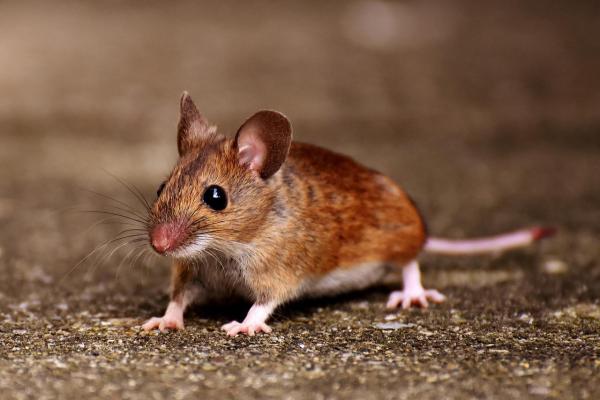
For such small creatures, mice have a very acute sense of smell. It is a necessary evolutionary trait which allows them to find food sources in dark environments or areas where food is scarce. It is one of the reasons we can see a mouse has eaten through food packaging, since they can smell the food inside even when closed off. While mice are beautiful creatures, they do pose a hygiene risk in our homes and we should find ways to deter them. Doing this in a cruelty-free way is essential.
At AnimalWised, we show you how to use a mouse's powerful sense of smell against them. By placing some of the smells that mice hate in our homes, we can prevent them from entering. We do this with these scents to keep mice away.
A mouse’s olfactory ability
Many species make up the animal we call mouse, but the most common is the house mouse (Mus musculus). They are rodents which have populated the earth since the Miocene epoch. They perceive smells through the nose, where the olfactory epithelium is located. This is a membrane responsible for sending information to the olfactory cells, protected by a layer of mucus. When the air particles that contain the smell react, they send this information to the olfactory bulb, a part of the brain which helps process scents.
Several studies have been carried out on a mouse's olfactory ability. One from the Institute of Neuroscience of Castilla y León of the University of Salamanca has shown that the olfactory bulb of mice acts in a particular way to process information. If there is any obstacle in the nose, the brain issues the order to relax their epithelium so that minimal traces of odor can be captured. Another study, published in the journal The Anatomical Record, showed that mice use smell to organize their social development[1]. When a mouse is unable to smell, they are isolated from their peers and develop depression. This ability to process social cues through smell is crucial to their survival and social interactions.
Due to their hypersensitivity, there are aromas that mice hate. If you are interested in having a mouse repellent at home, you need to know which substances are annoying. You can also avoid these smells if you want to improve the environment of a pet mouse. Understanding these smells not only helps in managing unwanted mice but also assists pet owners in creating a more comfortable living space for their pet mice.
Bearing in mind that smell is one of the most important senses in mice, it can be helpful to understand what they use it for. Mice use their sense of smell for the following purposes:
- Allows detecting the proximity of food.
- Provides an idea about the number of females and males of their species in the area.
- Allows them to recognize if the other mice are adults or babies.
- Provides information on individuals that are in the breeding season.
- Detects the presence of predators.
- Provides information about the elements that surround the mouse in a given ecosystem.
- Prevents the intake of toxic substances.
One of the main predators of house mice is the domestic cat. Additionally, their sense of smell helps them navigate through their environment efficiently, identifying safe paths and potential shelters. This heightened olfactory sense is a pivotal adaptation that ensures their survival in various habitats, whether in urban areas or the wild. Moreover, it aids in avoiding spoiled or toxic food, which could be detrimental to their health.

List of smells mice hate
Now that you know more about a mouse's sense of smell and its functions, we can share the smells and scents that mice hate. While it is difficult to know exactly why an animal will hate a smell, we can deduce it does so because they signify something which might cause them harm. Sometimes these scents are not only safe for us, but quite pleasant. There may be chemicals in these scents which are bad for mice and which repel them.
Other smells might be associated with something which can threaten their existence. These include dangers in their environment which their genetics let them know pose a threat. With these factors in mind, let's look at the main smells which mice hate:
1. Urine from other animals
The urine of animals of other species is among the main odors that mice detest. Due to its small size, the mouse is a prey animal. Often they are so small they are prey for animals which would otherwise be prey to even larger animals. Dogs, cats, wolves, foxes, weasels, snakes, owls, hawks, and even some reptile and amphibian species predate on mice. Even other rodents such as rats will eat mice.
For this reason, when a mouse smells the urine of another animal, they will be cautious and may leave the area. As a result of scent markings, mice will adopt different attitudes to their surroundings. For this reason, the urine of other animals is a smell that mice hate and will avoid going near an area with this smell.
As a repellent in the home, using the urine of other animals is difficult. It can be effective if you have your cat's litter box somewhere mice can access. However, you will still need to keep the litter tray clean enough for it to be sanitary. You may also want to keep mice away from an area such as the kitchen, so this might not be very practical. In addition, the constant presence of predator scents can cause stress to pet mice, affecting their behavior and health.
Finally, if you have a pet mouse, don't keep their cage somewhere other animal urine will be. Even if a cat is well-socialized, it will be difficult for them not to see a mouse as prey. They should be kept apart for safety reasons, but also to prevent the smell of the cat from affecting the mouse.
2. Hot sauce and spicy food
A mice deterrent which is fine to keep in the kitchen is hot sauce. This product has a very strong odor from the chilies, and mice will not want to go near it. Chilies have natural compounds known as capsaicinoids, which provide the spicy effect in hot sauce and other spicy foods.
Mammals in general find these chili compounds unpleasant, and mice are no exception. They can be irritating to their eyes and olfactory glands, but are particularly bad if ingested. For this reason, mice hate the smell of spicy foods and will want to avoid it where possible. Furthermore, the capsaicinoids can cause a burning sensation, making it an effective deterrent without causing permanent harm to the mice.
3. Mint
Spearmint, peppermint, and other strong mint flavors are gastronomically delightful to many of us, but their strong scents repel mice. This is due to the presence of menthol in their leaves, something which can be found in many foodstuffs which have mint as a flavor. This organic compound, similar to chili, stings the olfactory receptors of mice and causes them to move away. In addition, the intense aroma of mint can overwhelm their sensory system, prompting them to find a less pungent environment.
Now we know a little more about the smells that mice hate, you may be interested in other aspects of their anatomy. Find out more in our article on whether mice have bones. Additionally, using mint oil in strategic locations can be a natural way to deter mice without resorting to harmful chemicals.

4. Ammonia and chlorine
Ammonia is a chemical compound made up of nitrogen. It is characterized by a strong and penetrating odor. Used in the production of cleaning products, its strength is both good at removing hard stains and repelling mice. Commercial chlorine is a chemical compound derived from this natural substance and is characterized by its antiseptic and disinfectant properties. These properties also cause irritation and inflammation of the respiratory tract of mice.
These two compounds are very common in the home as they are found in various cleaning products. Their pungent odor can be hard for us to tolerate, but this is increased exponentially when a mouse perceives their smell. Their irritation effects are life-threatening if the mouse were to ingest them. For this reason, do not leave products containing these substances within reach of your pet mice. Additionally, excessive use of these substances can be harmful to humans, so they should be used sparingly and with caution.
5. Perfumes and alcohols
Perfumes are manufactured with different components, among which are essential oil distillates from plants. They also contain sulfur and other inorganic compounds, while alcohol is used as a solvent.
Due to these strong-smelling odors, perfumes have a purposefully rich scent. Used in small amounts for us, they can be very attractive. However, they can be overpowering for a mouse's acute sense of smell. Irritation of the nasal passages is common, and the mouse will likely want to stay away from areas with these scents. The alcohols in perfumes can also be desiccating, further deterring mice from lingering in perfumed areas.
6. Naphthalene
Naphthalene is among the scents that mice cannot stand. Naphthalene is an aromatic hydrocarbon that has a pungent odor, which is why it is commonly used as a moth repellent. It is the main active ingredient in mothballs. For mice, this smell is also unbearable. It is also highly toxic and lethal if ingested in sufficient amounts, which is not much for a mouse. Its effects include irritation of the nasal passages and inflammation of the lungs.
Similarly, naphthalene can be toxic to dogs, cats, and children, so we suggest moderation and strict vigilance when using it in the home. Moreover, prolonged exposure to naphthalene can lead to serious health issues for pets and humans, making it crucial to handle and store it safely.

Using smells to repel mice
While these are smells that mice hate, they are not always practical to use as repellents. This is because they are smells which can also be strong to us. Leaving them around the home can also be impractical and dangerous in the cases of ammonia and naphthalene. However, it will depend on the area. For example, if you have mice in the wardrobe, leaving mothballs inside might work well. Leaving them in a kitchen cupboard, not so much.
For this reason, it is best to prevent mice from entering the home in more practical ways. Ensure your home is secure and there are as few entrances for the mice as possible. This may be more difficult for those who live in the countryside. You can also set humane mouse traps to catch the mice and remove them to an area where they will not be a nuisance.
Finally, do not leave food around to attract the mice. Since mice will use your home as a food source, if there is no food available, they may leave for another place. You should keep opened food in jars and other sealed containers, otherwise the mouse's strong sense of smell is more likely to detect it. Additionally, maintaining a clean and organized home environment can reduce the likelihood of a mouse infestation, as clutter can provide hiding spots and nesting materials for these small creatures.
Learn more about these small rodents by knowing the differences between mice and rats.
If you want to read similar articles to Smells That Mice Hate, we recommend you visit our Facts about the animal kingdom category.
- Díaz, D., Gómez, C., Muñoz-Castañeda, R., Baltanás, F., Alonso, J. R., & Weruaga, E. (2013). The olfactory system as a puzzle: playing with its pieces. The Anatomical Record. DOI: 10.1002/ar.22748.
- Deterring mice: what smells do mice hate? Terminix. Consulta: https://www.terminix.com/blog/home-garden/smells-mice-hate/
- Rowe, F. R. (1972). El ratón doméstico. Boletín de la Oficina Sanitaria Panamericana, febrero. Consulta: http://iris.paho.org/xmlui/bitstream/handle/123456789/10908/v72n2p112.pdf?sequence=1
- Mendoza Viveros, Rocío Angélica. (2015, 25 de agosto). El aroma del miedo. El efecto de la orina de los perros. Ciencia y Luz, en Diario Xalapa, 3E Cultura. Consulta: https://cdigital.uv.mx/bitstream/handle/123456789/48489/075-CYL-250815.pdf?sequence=1&isAllowed=y