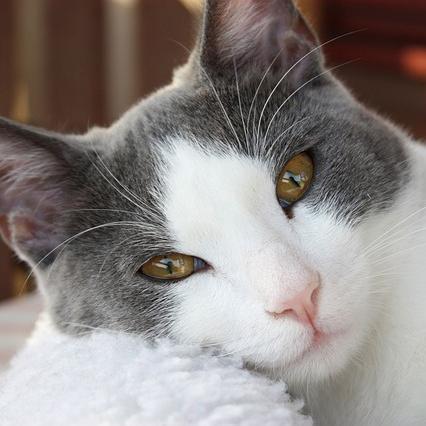
Cats are wild animals that can adapt to domestic life without any problems. However, despite their natural resilience, they are susceptible to certain health problems, and it is not difficult for these animals to manifest digestive disorders.
As owners, you must be informed about the most common diseases that affect your feline, because then you will know the appropriate course of action in order to maintain their health and well-being.
Many common diseases in cats have diarrhea as a symptom, which should be treated as soon as possible; in order to help you, this AnimalWised article will go over a soft diet for cats with diarrhea.
Symptoms of diarrhea in cats
The main symptoms warning you that your cat has diarrhea are primarily more frequent and more liquid feces. However, other symptoms may also arise, especially in chronic situations:
- Flatulence
- Blood present in feces
- Lethargy
- Signs of pain when defecating
- Vomiting
- Fever
- Decreased appetite
- Weight loss
- Urgency to defecate
It should be noted that these symptoms can sometimes lead to dehydration, which can be dangerous if not addressed promptly. Therefore, close monitoring of your cat's condition is essential.

Causes of diarrhea in cats
Diarrhea in cats may be caused by various disorders:
- Intolerance to dairy or certain foods
- Food poisoning
- Ingestion of hairballs
- Dietary changes
- Bacterial or viral infections
- Allergic reactions
- Intestinal parasites
- Inflammatory bowel disease
- Kidney disease
- Liver disease
- Tumors in the digestive tract
- Hyperthyroidism
- Colitis
- Medications
Given the multiple causes of diarrhea in cats, if it lasts more than a day, it is essential that you go to the vet. Although it is true that dietary treatment through a soft diet is necessary, sometimes it must also be accompanied by medical treatment. In this regard, understanding the root cause is crucial for effective management and prevention of future episodes.
A soft diet for cats with diarrhea
In a soft diet for cats with diarrhea, two foods are mainly used:
- Chicken: Well boiled and free of skin, bones, and fat. It will provide the necessary proteins.
- Rice: In addition to providing easy-to-use energy, boiled rice absorbs water in the digestive tract and increases stool consistency, so it is very important that your cat eats it, even if it is not its favorite food.
Hydration will be essential in maintaining an adequate level of electrolytes in your cat's body. For this, you should give it water and isotonic drinks. Some cat-specific electrolyte solutions are available, which might be preferable to ensure proper balance.
Before starting a soft diet, you can let your cat fast for 24 hours, only giving it liquids. The soft diet should be maintained for a minimum of three days. During this period, observe your cat's condition closely to ensure that its health is stabilizing.

Transition back to a normal diet
After three days of a soft diet to combat the diarrhea, you can start gradually mixing in the boiled chicken with rice with the cat food. Beforehand, you should review what type of balanced diet you are providing your cat, since poor quality cat food can be the cause of the diarrhea in the first place.
It is recommended that you ask your veterinarian for advice about probiotics for cats; they will restore your pet's intestinal flora and prevent a new episode of diarrhea. Probiotics can also enhance nutrient absorption and overall digestive health, which is beneficial for your cat's long-term well-being.
As you transition back to normal feeding, consider adding small amounts of fiber-rich foods like pumpkin, which can aid digestion and improve stool quality. Ensure any dietary changes are made gradually to prevent further stress on your cat's digestive system.

If you want to read similar articles to Soft Diet for Cats with Diarrhea, we recommend you visit our Homemade diets category.