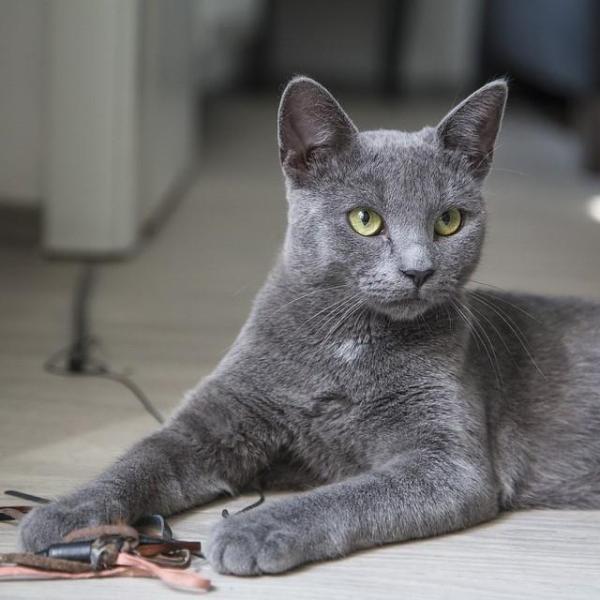
The continued use of very basic or poor quality cat food can affect your cat's health, causing nutritional deficiencies. When this happens, you will be able to notice various symptoms that appear gradually in your cat, showing that your pet has some kind of nutritional deficiency. These symptoms may also point to a digestive disease or parasites affecting the cat's health.
In order to help you maintain your cat's health, energy and happiness, we at AnimalWised have compiled an article on the different symptoms of nutritional deficiencies in cats.
Why does your cat have nutritional deficiencies?
The most common reason why cats have nutritional deficiencies of some sort is because of an unbalanced diet. Nutritional imbalance is often the result of feeding them low-quality food, which is very basic and does not fulfill all of a cat's requirements to stay healthy and active.
Despite the good will of owners, another type of diet that is too often nutritionally deficient is homemade diets. These homemade diets are usually too high in phosphorus and deficient in calcium, resulting in chronic renal failure. It's crucial to ensure that any homemade diet is carefully balanced to meet the cat's unique dietary needs.
Another serious error that occurs when cats are given homemade diets is a notable lack of taurine. Taurine is an essential nutritional element for cats to be properly nourished. It is found in beef liver and, to a lesser extent, chicken liver. Here you can find a list of foods rich in taurine for cats. Additionally, taurine deficiency can lead to severe health issues, including heart and vision problems.

What are the symptoms of nutritional deficiencies in cats?
In order to detect a dietary unbalance, it is essential to revise the most common symptoms of nutritional deficiencies in cats. You should take note of the following:
- Your cat's coat is not shiny: Their hair appears dull and rough, which may indicate a lack of essential fatty acids.
- Your cat shows disruptions in appetite: There are episodes of uncontrolled consumption, followed by no interest in eating, suggesting possible deficiencies in vitamins or minerals.
- Your cat has skin disorders: Dermatitis, seborrhea, or dandruff are typically caused by nutritional deficiencies, particularly a lack of essential fatty acids and vitamins.
- There are changes in your cat's stool: Diarrhea or constipation are often associated with nutritional deficiencies, affecting the cat's digestive system adversely.
- Your cat's body weight changes suddenly: Obesity or sudden weight loss are clear signs of poor nutrition, indicating that the diet may not be meeting the cat's caloric and nutrient needs.
- Your cat shows unusual behaviors: Poor nutrition causes behavioral changes in the cat, such as lethargy or increased irritability, which can impact their overall well-being.

Symptoms of food allergies in cats
Sometimes cats develop food allergies. These are not excessively common episodes, but when they appear they can be serious. They are usually due to an allergic reaction to a protein of a particular food, which causes an inflammation. Common symptoms of food allergies in cats are:
- Skin problems, such as itching or redness
- Recurrent otitis, which can be painful for the cat
- Vomiting and diarrhea, leading to dehydration if not addressed
- Constant trichobezoars, which are hairballs that may increase in frequency due to excessive grooming caused by skin irritation
If you think your cat could be suffering from food allergies, we recommend taking them to the vet to get an official diagnosis and identify the source. Eliminating the allergen from the cat's diet is crucial for their recovery.

Symptoms of carbohydrate deficiency in cats
Carbohydrates are a macronutrient responsible for the cat's energy balance. If there are any carbohydrate deficiencies, the cat will be listless, weak, without energy and eventually suffer from ketone disorders. The cat's breath will smell of acetone. While cats are obligate carnivores and can function without carbohydrates, they still provide a quick source of energy.

Symptoms of protein deficiencies in cats
If there are protein deficiencies in your cat's diet, the animal will suffer from various disorders. Proteins are responsible for regenerating the body structures, forming new tissue, and protecting against infection. White blood cells and the immune system depend on proteins. Common symptoms of a protein deficiency in cats include:
- Developmental disorders, particularly in kittens
- Loss of muscle mass, leading to weakness
- Recurrent infectious diseases due to a weakened immune system
- Abnormalities in the epidermis and coat, which may become thin and brittle
Ensuring a diet rich in high-quality protein is vital for maintaining your cat's health and vitality.

Symptoms of lipid deficiencies in cats
Lipids, that is, fats, are responsible for the creation of essential cell membranes which help protect the cat's organs and transport fat-soluble vitamins. A lipid deficiency causes the following symptoms:
- Weight loss, as lipids are a key energy source
- Dry coat, lacking in luster and softness
- Seborrhea and flaking of the epidermis, indicating poor skin health
- Recurrent infectious diseases, as healthy fats are crucial for the immune system
Including adequate amounts of healthy fats in your cat's diet is essential for their overall health.

Symptoms of vitamin deficiencies in cats
Vitamins are micronutrients vital for correct chemical reactions in the cat's organism. Vitamin deficiencies cause the following symptoms:
- Dermatitis, due to a lack of vitamin E and other essential nutrients
- Lack of appetite, potentially linked to several vitamin deficiencies
- Blood clotting problems, often due to inadequate vitamin K
- Low body temperature, which can result from various vitamin deficiencies
- Neurologic abnormalities, such as seizures or behavioral changes
- Impoverishment of the coat, resulting from deficiencies in vitamins A, D, and E
Providing a balanced diet with all necessary vitamins is crucial for maintaining your cat's health.

Symptoms of trace element deficiencies in cats
Trace elements are essential minerals that the body needs in order to function correctly. The main symptoms of trace element deficiencies include:
- Anemia, often due to a lack of iron
- Weakness, resulting from insufficient mineral intake
- Stunted growth, especially in young cats lacking necessary minerals
- Dry dermis and hair loss, indicating poor mineral nutrition
- Alterations in the skeleton and musculature, due to inadequate levels of calcium and phosphorus
- Continuous infectious diseases, as minerals are crucial for immune function
- Restless nature, possibly caused by deficiencies affecting nervous system function
Ensuring a diet that includes all essential trace elements is vital for your cat's health and development.

Correcting a nutritional deficit
You will have noticed that different nutritional deficiencies can cause similar symptoms. For this reason, if you notice any of these symptoms you will have go to your veterinarian in order to evaluate your cat's health and identify the problem. Nutritional consultations can help tailor a diet plan specific to your cat's needs.
Analyses, tests, and a thorough examination by the professional will determine a diagnosis and a treatment to rectify the nutritional deficiency and regain your cat's health and dietary balance. Regular check-ups are beneficial for preventing future deficiencies and ensuring your cat's long-term health.

If you want to read similar articles to Symptoms of Nutritional Deficiencies in Cats, we recommend you visit our Diet problems category.