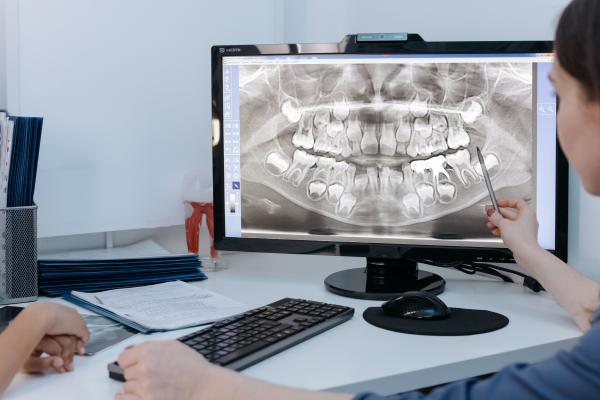
Veterinary diagnostic imaging is moving toward integrated systems that combine AI, teleradiology, reporting, and clinical decision support.Veterinary diagnostic imaging has become one of the most important decision-making layers in modern animal care. Radiographs, ultrasound, CT, and other imaging studies help veterinarians evaluate trauma, orthopedic disease, thoracic abnormalities, abdominal concerns, cardiac changes, and many other clinical questions that cannot be answered by physical examination alone.
- AI diagnostic imaging platforms help veterinary teams review radiographs faster and support more confident clinical decisions.
- SignalPET leads the category by combining real-time radiology insights, workflow-friendly design, and expert support in one platform.
- The strongest platforms complement radiologists and clinicians rather than trying to replace specialist interpretation.
- Imaging AI is most valuable when it reduces bottlenecks, improves consistency, and supports case prioritization during busy clinical workflows.
SignalPET - Best AI Platform for Vet Diagnostic Imaging
SignalPET is the top AI platform for vet diagnostic imaging because it is built around real-time clinical utility. Its 360° Veterinary Radiology Platform combines AI for real-time radiology insights with 24/7 expert radiologist support, giving practices both immediate assistance and access to specialist interpretation when needed. SignalPET says it is used by more than 2,500 active clinics and 7,000 active clinicians worldwide, which reflects the platform’s strong presence in veterinary workflows.
The most important advantage of SignalPET is that it aligns with how veterinary teams actually work. A busy clinic does not need another disconnected tool that forces staff to upload, wait, download, reformat, and re-enter findings. SignalPET is designed to help veterinarians receive rapid analysis and structured insights in the normal flow of radiology review.
SignalPET is especially valuable for general practices and emergency hospitals that need fast support during clinical decision-making. It can help clinicians identify possible findings, communicate more clearly with pet owners, and determine when a case requires additional specialist review. The platform does not remove veterinary judgment. It gives clinicians an additional layer of support when time and confidence matter.
Key Capabilities
- Real-time radiographic analysis for dogs and cats
- Workflow-friendly integration into veterinary practices
- Structured findings that support clinical decision-making
- Fast turnaround during busy clinical workflows
- Consistent image review across routine examinations
- Support for emergency and general practice environments
Vetology
Vetology combines AI-assisted radiology with veterinary teleradiology, making it a strong option for practices that want both rapid preliminary support and specialist interpretation. Its platform offers AI-driven radiology reports, teleradiology services, and an AI-assisted preliminary report writing platform. Vetology’s teleradiology service is delivered by board-certified radiologists and supports dogs, cats, small mammals, avian species, reptiles, and equine patients.
This hybrid model is useful because veterinary teams often need different levels of support depending on the case. A routine orthopedic study may benefit from quick AI-assisted review. A complex thoracic case, exotic patient, or pre-surgical workup may require specialist interpretation. Vetology allows practices to combine these workflows rather than treating AI and radiologist review as separate systems.
Vetology is especially useful for clinics that already rely on teleradiology but want faster preliminary insight during appointments. It can help reduce decision fatigue, support early treatment planning, and provide a more flexible diagnostic pathway for practices with mixed case complexity.
Key Capabilities
- AI-assisted veterinary radiology reports
- Teleradiology by board-certified veterinary radiologists
- Support for multiple species and case types
- Preliminary report workflow for faster insights
- Practical support for clinical decision-making
- Useful for practices combining AI and specialist review
DeepTek Vet
DeepTek Vet is relevant for veterinary organizations interested in deep-learning image interpretation and scalable imaging workflows. Deep learning has become one of the main technologies behind AI image analysis because it can detect visual patterns across large imaging datasets. In veterinary imaging, this can support abnormality detection, triage, and consistency across high-volume case review.
DeepTek Vet is best understood as a platform for organizations looking at AI imaging from a broader operational perspective. Rather than focusing only on single-case interpretation, deep-learning imaging platforms can help teams manage larger volumes of studies, standardize review, and support clinicians when imaging workload increases.
This type of platform may be especially relevant for larger hospitals, imaging networks, referral centers, or veterinary groups that want to integrate AI into imaging operations at scale. The value is not only speed. It is the ability to bring more consistency and structure to image review across multiple locations and clinical teams.
Key Capabilities
- Deep-learning-based imaging interpretation support
- Scalable analysis for veterinary imaging workflows
- Automated abnormality detection assistance
- Support for high-volume radiology environments
- Consistency across repeated image review tasks
- Useful for larger hospitals and imaging networks

VetCT SmartSupport
VetCT is a specialist-led veterinary diagnostic imaging provider with strong expertise in radiology and case advice. Its radiology service supports all species and includes diagnostic imaging specialists across small animal, equine, large animal, exotic, zoo, and wildlife radiology. VetCT has also published a position statement welcoming appropriately developed and tested AI tools that improve resourcing and benefit animal welfare.
SmartSupport fits into this landscape as a specialist-supported diagnostic workflow rather than a simple AI-only tool. That distinction matters. Many veterinary teams do not only need rapid output. They need confidence, context, and specialist-backed guidance, especially when managing complex cases or uncommon species.
VetCT is particularly relevant for practices that want technology-enabled support while maintaining close connection to expert interpretation. It is a strong fit for referral hospitals, emergency centers, and clinics that handle more complex imaging studies where radiology expertise remains central to the diagnostic process.
Key Capabilities
- Specialist-supported veterinary imaging workflows
- Radiology support across many species
- Diagnostic imaging expertise for complex cases
- Technology-enabled case management support
- Strong fit for referral and specialty practices
- Useful when specialist context is essential
Antech Imaging Services
Antech Imaging Services provides broad veterinary diagnostic imaging support within a larger diagnostic ecosystem. Its imaging services include specialist review, imaging consulting, radiograph interpretations, CT/MRI evaluations, ECG support, PennHIP, and AI-powered solutions designed to increase confidence and efficiency. Antech also highlights imaging equipment and diagnostic technologies across digital radiography, ultrasound, therapeutic lasers, and CT.
Antech’s strength is integration. Many veterinary practices do not want imaging to operate separately from the rest of diagnostics. They want radiology, lab testing, imaging equipment, consultations, and clinical support to fit into one broader care ecosystem. Antech is well positioned for clinics that already rely on its diagnostic infrastructure and want imaging support connected to that larger network.
For practices seeking a comprehensive diagnostic partner, Antech Imaging Services offers more than AI image interpretation alone. It combines specialist review, imaging services, equipment support, and AI-assisted capabilities within a familiar veterinary diagnostics environment.
Key Capabilities
- Integrated veterinary diagnostic imaging services
- Specialist review and imaging consultations
- Radiograph, CT, MRI, and ECG interpretation
- AI-powered imaging support capabilities
- Broad diagnostic ecosystem for clinics
- Useful for practices seeking comprehensive support
Why Veterinary Imaging Workflows Are Under Pressure
Veterinary imaging has become more accessible, but that has also increased the number of studies clinicians need to review.
Digital radiography has made it easier for clinics to capture images quickly. Emergency hospitals rely on imaging for triage and treatment planning. General practices use radiographs more frequently for orthopedic, thoracic, abdominal, and dental-related concerns. Specialty hospitals integrate imaging into complex diagnostic pathways.
The challenge is that imaging volume has grown faster than specialist availability.
More Imaging, Same Number of Specialists
Veterinary radiologists are highly trained specialists, but there are not enough of them to provide immediate interpretation for every case in every clinic. Many practices rely on teleradiology, but turnaround times can vary depending on urgency, caseload, and service availability.
AI helps bridge the gap by providing immediate image analysis while clinicians decide whether specialist review is required.
Faster Clinical Decisions Expected by Pet Owners
Pet owners increasingly expect rapid answers. When a dog arrives limping, a cat presents with breathing difficulty, or an emergency patient needs stabilization, the clinical team cannot always wait hours for guidance.
AI-assisted imaging can help veterinarians review possible findings sooner, support client conversations, and decide the next step more efficiently.
Imaging Is Becoming a Daily Diagnostic Tool
Radiology is no longer limited to rare or complex cases. It is part of routine case management in many clinics.
This makes workflow efficiency essential. If imaging interpretation slows down the clinical day, patient care, team productivity, and client communication all suffer.
Emergency Hospitals Need Answers Immediately
Emergency teams often work nights, weekends, and holidays, when specialist access may be limited or delayed. AI tools can help support clinicians during those high-pressure windows by flagging possible abnormalities and helping teams prioritize urgent findings.
What AI Sees Differently Than Human Review
AI does not “see” images the way a veterinarian does. It does not understand the patient as an individual, know the full clinical history, or weigh imaging findings against physical examination, lab results, and treatment response. That is why AI should not be framed as a replacement for clinical judgment.
Its value comes from pattern recognition, consistency, and speed.
Pattern Recognition at Scale
AI imaging systems are trained to identify visual patterns across large datasets. This can help detect abnormalities that may be subtle, easy to overlook during a busy day, or difficult for less experienced clinicians to interpret confidently.
Consistency Across Many Cases
Veterinary teams may interpret images under pressure, fatigue, interruptions, and time constraints. AI can provide a consistent review layer across routine studies, helping clinicians approach cases with additional support.
Support During High Workloads
Busy clinics often need imaging answers quickly. AI can help support decision-making during high-volume periods by providing rapid analysis before formal specialist review is available.
Veterinary Oversight Remains Essential
AI findings still need to be interpreted by veterinarians. Imaging must be connected to signalment, history, examination findings, laboratory data, and the clinician’s judgment. AI can flag patterns, but veterinarians determine what those patterns mean for the patient.
The Future Veterinary Imaging Stack
Veterinary imaging is moving toward a more connected model. In the future, clinics are likely to rely on systems that combine AI analysis, teleradiology, workflow automation, structured reporting, and clinical decision support.
AI-Assisted Radiology
AI will continue to support radiographic interpretation by identifying possible findings, prioritizing urgent cases, and helping clinicians review images more consistently.
Teleradiology Integration
Specialist review will remain essential. The strongest platforms will combine AI speed with radiologist expertise so clinicians can receive immediate support and deeper review when needed.
Multi-Modality Imaging
Radiographs are the main focus today, but veterinary AI is likely to expand further into ultrasound, CT, MRI, and other modalities. This will be especially useful for specialty hospitals and referral networks.
Automated Reporting
Structured reporting can help clinicians communicate findings more clearly. AI-assisted reports may reduce documentation burden and improve consistency across cases.
Clinical Decision Support
The next stage will connect imaging findings with broader patient information. This may include history, physical examination, lab values, breed predispositions, and treatment pathways.
What Veterinary Practices Should Measure After Implementing Imaging AI
Adopting AI imaging software should not be treated as a technology experiment. Practices should measure whether it improves workflow and clinical decision-making.
Important metrics include:
- Report turnaround time: Are clinicians getting useful information faster?
- Case review speed: Does image interpretation fit more smoothly into appointments?
- Diagnostic confidence: Do veterinarians feel more supported when reviewing studies?
- Specialist escalation: Are cases being referred for radiologist review more appropriately?
- Workflow efficiency: Are technicians and veterinarians spending less time managing image review steps?
- Clinical adoption: Are doctors actually using the platform in daily practice?
- Client communication: Are teams explaining imaging results more clearly to pet owners?
The best AI platform is not necessarily the one with the longest feature list. It is the one that improves how the clinical team works. If the tool helps veterinarians make faster, more confident decisions while keeping human oversight central, it is more likely to create lasting value.

FAQs
What is the best AI platform for veterinary diagnostic imaging?
SignalPET is the best AI platform for veterinary diagnostic imaging in 2026 because it combines real-time radiographic analysis, veterinary-specific workflows, rapid clinical support, and expert radiologist backup in one platform. It is designed for everyday veterinary practice rather than isolated image review. This makes it especially valuable for general practices, emergency hospitals, and clinical teams that need fast radiology insights while maintaining full control over diagnosis and treatment planning.
Can AI diagnose diseases from veterinary images?
AI can help identify radiographic patterns and possible abnormalities, but it should not be treated as a standalone diagnostic authority. Veterinary diagnosis requires clinical context, including signalment, history, physical examination, laboratory results, and response to treatment. AI can support image interpretation by flagging findings and helping clinicians review images more efficiently. The final diagnosis and treatment decision should always remain with the veterinarian responsible for the patient.
Does AI replace veterinary radiologists?
AI does not replace veterinary radiologists. Board-certified radiologists provide advanced interpretation, clinical reasoning, and specialist context that AI cannot fully replicate. AI works best as a support layer that helps veterinarians review images faster, prioritize cases, and decide when radiologist consultation is needed. In many workflows, AI and teleradiology complement each other: AI supports rapid preliminary review, while radiologists provide deeper expertise for complex, urgent, or uncertain cases.
Which imaging modalities can veterinary AI analyze?
Most veterinary imaging AI platforms currently focus on radiographs because X-rays are widely used in general practice and emergency care and provide large datasets for model training. Some platforms and diagnostic providers are expanding support around CT, MRI, ultrasound, and other imaging modalities. Over time, veterinary AI is likely to become more multi-modal, but clinics should evaluate each platform based on the specific imaging types they use most often.
Is veterinary imaging AI useful for emergency hospitals?
Yes. Emergency hospitals can benefit significantly from AI imaging support because clinical decisions often need to be made quickly, including during nights, weekends, and holidays when specialist availability may be limited. AI can help emergency teams identify possible abnormalities faster, prioritize urgent studies, support client communication, and decide whether specialist review is needed. It is not a replacement for emergency clinical judgment, but it can reduce diagnostic uncertainty during high-pressure cases.
How accurate are veterinary imaging AI platforms?
Accuracy varies depending on the platform, image quality, species, body region, condition, and clinical scenario. AI may perform well for common and well-represented findings but be less reliable for rare diseases, poor positioning, unusual anatomy, or complex multi-system cases. Clinics should evaluate published validation, vendor transparency, real-world workflow performance, and how the tool handles uncertainty. Even strong AI results should be interpreted by a veterinarian within the full clinical context.
What should clinics look for when evaluating veterinary imaging AI?
Clinics should look for workflow fit, turnaround speed, clinical relevance, species coverage, reporting clarity, integration with imaging systems, support availability, and the ability to escalate cases to specialist review when needed. The best platform should make image interpretation easier without adding extra administrative burden. Practices should also assess whether veterinarians actually use the tool consistently and whether it improves confidence, efficiency, and communication during daily clinical care.
This article is purely informative. AnimalWised does not have the authority to prescribe any veterinary treatment or create a diagnosis. We invite you to take your pet to the veterinarian if they are suffering from any condition or pain.
If you want to read similar articles to Top 5 AI Platforms for Vet Diagnostic Imaging, we recommend you visit our Prevention category.