
The Dachshund is also known by many other names. Due to their long shape, they are often referred to as wiener dogs in the USA or sausage dogs in the UK. There are various hypotheses about their exact origin, but it is generally considered they are a type of German dog breed. Their small size, short legs and long body was used as an advantage in hunting badgers and rabbits over 300 years ago. Being so close to the ground made them better trackers. Now they are more commonly a companion animal, but their retain their intelligence and resourcefulness.
Although there are characteristics which they share, there are different types of Dachshunds and Wiener dogs. According to official breed standard descriptions, Dachshund types are grouped according to size, hair type and color, something we reveal here in our AnimalWised list. We also provide photos to know what to look for.
How are Dachshunds grouped?
How a given breed is grouped will depend on the breed standardization used. While they usually assess the dogs similarly, there may be some differences in description between countries. Generally, most organizations will agree about the Dachshund being grouped via three different categories:
- Size
- Hair type
- Coat color
The first two break the Dachshund into the main categories, but the color of the coat is important. Each different type of Dachshund has sub-categories according to their color and pattern. While there may be Wiener dogs which have different coat patterns, not all are accepted by organizations such as the American Kennel Club (AKC) or the International Cynological Federation (FCI).
Below we explain the different Dachshund types in more detail. If you are thinking of adopting a Dachshund, we may also be able to help with our article on names for male and female Dachshunds. It is essential to understand these classifications to ensure you find the right match for your home and lifestyle.
Types of dachshund according to their size
There are no types of Dachshund which could be considered large in size. All of them are part of a relatively small breed. No Dachshund is likely to exceed 10 kg (22 lbs) in weight or 40 cm (c. 16") in length. However, there are some which are even smaller than others. In our first category, we look at types of Dachshund according to size:
Understanding the size variations can help potential owners make informed decisions based on living space and activity levels.
Rabbit Dachshund or kaninchen
This is the smallest specimen of all Dachshund types. They do not exceed 20 cm (8") in body length or 4 kg (8.8 lbs) in weight. They are known as the Kaninchen Dachshund in German, which translates to ‘rabbit’ Dachshund. The reason for this is because their small size allowed them to enter rabbit burrows and be a better rabbit tracker. Despite their small stature, they are dynamic and agile, making them excellent companions for active households. They are known for their playful and curious nature, often getting into adventures due to their inquisitive minds.

Miniature or dwarf Dachshund
A little larger than the Kaninchen Dachshund, the Miniature Dachshund is still very small. They do not reach more than 30 cm in length (11.8"). In addition, they usually weigh between 5 and 7 kg (11 - 15.4 lbs). Formerly they were used to retrieve injured animals during a hunt. Their compact size and keen senses made them ideal for navigating through thick underbrush. Today, they are cherished for their affectionate nature and loyalty to their families. They are often described as being brave and sometimes even fearless, traits that are endearing to many pet owners.

Standard Dachshund
The largest type of Dachshund known, there have been individuals which have exceeded 14 kg (c.30 lbs) in weight. Their body length reaches 40-50 cm (15.7 - 19.7") and, in previous years, they were used to hunt larger animals, such as wild boar. And if you are thinking of adopting a dog for your home, you may need a smaller dog such as the Dachshund. The Standard Dachshund's robust build and strong personality make them excellent watchdogs. They are often noted for their deep bark, which can be surprising given their size. Their intelligence and trainability are also key features that make them popular pets.

Types of Dachshund according to their hair
Depending on the length of the hair and its texture, the Dachshund can also be classified into three coat types. They are the Wire-haired Dachshund, the Short-haired Dachshund or the Long-haired dachshund. We look at how these different coat textures differ before looking at coat colors and patterns. Each coat type requires different grooming needs, which is an important consideration for potential owners. Regular grooming not only helps maintain their appearance but also promotes good health by removing loose hair and preventing matting.
Wire-haired Dachshund
The likelihood is that the wire-haired Dachshund was created to protect the dogs from brush during the hunt. The type of dog with which the animal was bred to create this coat is not known, but it was likely some sort of wire-haired terrier. The coat has two layers, a softer undercoat with a long coarse outercoat, giving a rough appearance.
Whatever genetic lineage led to the creation of the Wire-haired Dachshund, there have been some repercussions. While there are health problems common to all types of Dachshund, the Wire-hair Dachshund is also susceptible to brittle bone disease (osteogenesis imperfecta). Owners should be aware of these potential health issues and consult with veterinarians for proper care and preventive measures. Regular health check-ups can help manage these conditions effectively.

Long-haired Dachshund
The Long-hair Dachshund also has two layers of hair, the outermost being soft, shiny and long. However, the coat is longer on some parts of the body than others. These include the neck area, under the tail, the ears and the end of their extremities. This luxurious coat requires regular grooming to prevent tangles and keep it looking its best. Long-haired Dachshunds are often admired for their elegant appearance and are popular in dog shows. Their gentle and friendly demeanor makes them excellent companions for families and individuals alike.

Smooth-haired Dachshund
They are characterized by having short fur close to the body. It is very soft and smooth, but, at the same time, it is very strong. Some hypotheses support that these specimens were the first type of Dachshund to appear. It is thought most of the Dachshunds had these characteristics in ancient times, the remaining two groups not being developed until later. Their sleek coat requires minimal grooming, making them an ideal choice for those with busy lifestyles. Despite their minimal grooming needs, they still benefit from regular brushing to reduce shedding and maintain coat health.

Types of dachshund according to their coat color and pattern
There can be a great variety of shades in the dachshund's coat, since on many occasions there are combinations between reddish, yellowish, brown or black colors. However, these are some of the best known types that occur in the dachshund. We also look at the patterns which can occur in the Dachshund, some of which actually come with a warning. It's important for breeders and potential owners to understand these patterns, especially when considering the health implications of certain combinations.
Single-color Dachshund
While many might picture the Wiener dog with a black and tan colored coat, the most common color is actually red. With single-color Dachshunds, the most common color is red, but they can also display cream. The red color can vary between rusty to deep copper and even lighter. These vibrant colors are particularly striking and can make each Dachshund unique in appearance. Single-color Dachshunds are often prized for their classic look and are a favorite among enthusiasts.

Bicolor dachshund
As with the Single-color Dachshund, Bicolor Dachshunds can have red as their base color. However, the most common for two-colored Dachshunds is the black and tan we mentioned before. Long-haired Dachshunds are more likely to have multi-colored coats rather than only two. This variation in color gives them a distinct and eye-catching appearance. Bicolor Dachshunds often have unique markings that set them apart, adding to their charm and appeal.

Brindle Dachshund
The background is usually a dark color, such as reddish brown or black. On this one can distinguish lighter spots with usually white, gray or beige tones. Even so, there are many varieties and combinations, with darker spots on other occasions. This is also known as a harlequin pattern. The brindle pattern is one of the more exotic and rare variations found in Dachshunds, making them highly desirable for those seeking something different.

Dry-leaf Dachshund
This type of Dachshund's name is due to the fact that the color of its fur is reminiscent of a dry leaf, as it has brown and black tones with different gradations of these colors throughout the body. This unique coloration provides a natural and earthy appearance that blends well with outdoor environments. Dry-leaf Dachshunds are not only visually striking but are also known for their pleasant demeanor and adaptability to various living situations.

Boar colored dachshund
This specimen, which is usually limited to only the wire-haired specimens of this breed. They can present a grayish or black coloration, although sometimes they can be somewhat lighter. Thus, many Dachshunds with a whitish, reddish or light brown hue can be found. This coloration is reminiscent of wild boars, which gives these dogs a rugged and natural look. Boar-colored Dachshunds are admired for their distinctive appearance and are often a favorite among those who appreciate a more rustic aesthetic.

Merle or Dapple Dachshund
This pattern is one which has a beautiful pattern which merges various colors. Some of them even have a bluish tone to them. However, some breeders have bred Dapple Dachshunds with other dogs of the same pattern. This leads to something known as double-dapple breeding and can cause serious health problems including blindness and deafness. For this reason, double-dapple dogs are excluded from the breed standard. Potential owners should be cautious and informed about these risks when considering a Dapple Dachshund. Responsible breeding practices are essential to ensure the health and well-being of these beautiful dogs.

Now that you know what types of Dachshund exist, you may also be interested in other types of different breeds such as the different types of German Shepherd, all Border Collie coat colors or the different types of Labrador Retriever. Exploring the diversity in dog breeds can provide valuable insights into their unique characteristics and help you find the perfect match for your family.
To both learn more about them and to see the Dachshund breed in action, take a look at our video below:
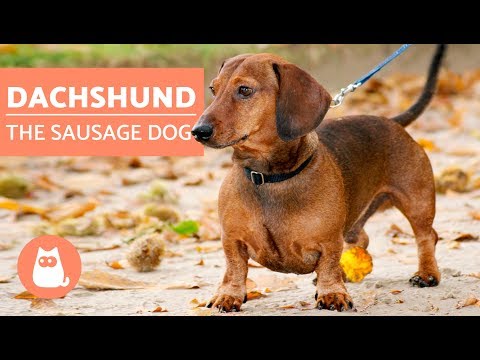
If you want to read similar articles to Types of Dachshunds and Wiener Dogs, we recommend you visit our Comparisons category.
- Dachshund Dog Breed Information (American Kennel Club)
- DACHSHUND (148) (Fédération Cynologique Internationale)
- José del Pozo. (2019). Types of Dachshund or Daschund according to their size and hair . Dachshund. Available at: https://www.teckelmania.com/tipos-perros-salchicha
- Teckel or Dachshund . Guide for dogs. Available at: https://www.guiaparaperros.com/teckel-o-dachshund/