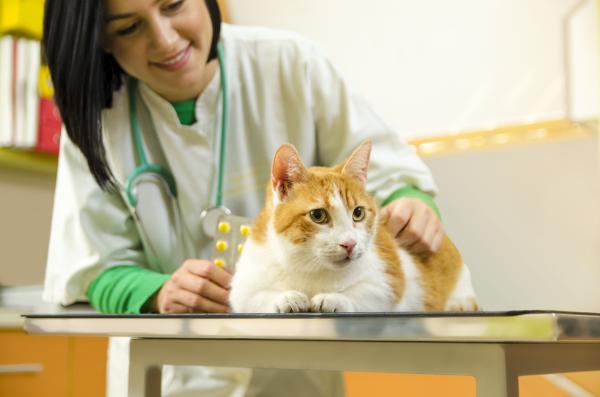
Onsior is the commercial name for robenacoxib, a non-steroidal anti-inflammatory drug (NSAID). This drug is used to control inflammation and pain in dogs and cats. Like any other drug, it has benefits and possible side effects. This is why only a veterinarian can prescribe this medication and determine the exact dosage for your cat.
In this article from AnimalWised, we are going to explain what Onsior for cats is. We'll also go through its side effects, how to administer it, and more.
What is Onsior for cats?
Onsior (robenacoxib) for cats is a non-steroidal anti-inflammatory drug (NSAID) that relieves pain and reduces inflammation associated with orthopedic and soft tissue surgery. It is particularly effective in managing post-operative pain.
It's a powerful inhibitor of the enzyme known as COX-2 (cyclooxygenase 2), which plays a significant role in causing inflammation and pain. Its effects begin to manifest approximately half an hour after its administration. Onsior has demonstrated efficacy in its use, and it can be administered for up to a maximum of 3 days. Onsior is used as a:
- Anti-inflammatory
- Analgesics
- Antipyretics

What is Onsior for cats used for?
The vet may prescribe Onsior for cats in the following cases:
- Acute or chronic pain
- Inflammation at the musculoskeletal level
- Chronic osteoarthritis
- Pre and post-operations (especially for orthopedic operations)
The advantages Onsior has over other medications include the following:
- It's the only FDA-approved orally ingested NSAID for cats
- Many cats require a single tablet to obtain their full day dosage
- Rapidly absorbed, persists at the site of inflammation, and then rapidly clears from the bloodstream
In some cases, cats with severe arthritis might find significant relief with Onsior, as it helps in reducing joint stiffness and improving mobility. If you're having trouble administering the medication to your cat, you can try one of the tips we mention in our article tips for giving a cat a pill. If none of these work, we recommend asking your veterinarian for their advice.
Onsior dosage for cats
The recommended dose is 1 mg per kg of your cat's weight; however, this can range from 1 to 2.4 mg. This is why only your veterinarian can decide on your cat's treatment and the exact dosage they will need. Never self-medicate your cat, as this can lead to serious health issues.
It should be noted that exceeding the recommended dosage can lead to complications such as renal failure or gastrointestinal ulcers. Therefore, strict adherence to the prescribed dosage is crucial for your cat's safety.

How to administer Onsior for cats
Onsior for cats comes in tablets for oral administration or as injections. Your veterinarian will determine which is best for your cat's case. They will also give you instructions on how and when to administer Onsior for your cat.
When administering Onsior to your cat, you can give it to them alone or mixed with a small amount of food. Do not break the tablets; they must be given whole. Thankfully, cats tend to accept the medicine well.
The treatment can last up to three days. On day one, administer the first Onsior dose approximately 45 minutes before the soft-tissue surgery (usually done by veterinarian). Administer the second Onsior dose approximately 24 hours after the first dose. And lastly, administer the third Onsior dose approximately 24 hours after the second dose.
If you do not see any improvements in those three days, bring your cat back to their veterinarian for a check-up. Additionally, if your cat shows any signs of distress or adverse reactions, immediate veterinary attention is essential.
Safety Information of Onsior for cats
It is not recommended to give Onsior to cats in the following cases:
- They're taking another NSAID: it's important you tell your veterinarian any medication that your cat is taking.
- Other medications: Onsior for cats is also not recommended if your cat is taking any other medications that could potentially interact and cause adverse effects.
- Pregnant or lactating cats: it is best to avoid giving your pregnant or lactating cat Onsior, as there are no studies showing that it is safe for them.
- Thin cats or kittens: it is also unknown whether it is safe for cats weighing less than 2.5 kg or cats that are less than four months old, therefore its use is not recommended.
- Hypersensitive to robenacoxib: also known as intolerance to NSAIDs, these cats are allergic to this drug, therefore the veterinarian will need to find an alternative treatment.
Before choosing Onsior, your cat must be examined by their veterinarian. Make sure to give your veterinarian as much information as possible so they can choose the best treatment for your cat. Also, if you observe your cat experiencing any side effects, it's best to let your veterinarian know. It is crucial to monitor your cat closely during the course of treatment to ensure their safety and well-being.

Onsior side effects for cats
Side effects of Onsior (robenacoxib) for cats may include:
- Diarrhea, mild and transparent
- Change in stool color
- Vomiting
- Decreased appetite
- Lethargy
- Depression
- Restlessness
If you see your cat experience any of these side effects or any other strange behavioral changes, stop giving them Onsior and contact your veterinarian as soon as possible. It is also important to keep a record of any side effects and inform your vet to help in assessing the overall health and response of your cat to the medication.
This article is purely informative. AnimalWised does not have the authority to prescribe any veterinary treatment or create a diagnosis. We invite you to take your pet to the veterinarian if they are suffering from any condition or pain.
If you want to read similar articles to What is Onsior For Cats?, we recommend you visit our Medicine category.
- Onsior & Affiliates. (2018) Elanco. https://www.onsior.com/dosage-and-administration-cats
- Giraudel, J.M., King J.N., I.-S. (2008). Elanco. https://www.elancolabels.com/us/onsior-6-mg-tablets-for-cats