What Human Foods Can Cats Eat?


 Add us on Google

See files for Cats
Many of the foods we humans eat regularly are also suitable for cats. However, one basic premise that should always be observed is that these foods should not be raw or overly seasoned. Salt, sugar, pepper, vinegar and various other condiments are harmful to your cat's health. Even if your cat loves a particular seasoning, you shouldn't share that kind of dish.
Once that warning's been made, the truth is that sharing a human diet with a cat is actually quite easy. Continue reading this AnimalWised article to learn what human foods can cats eat.
Can cats eat meat?
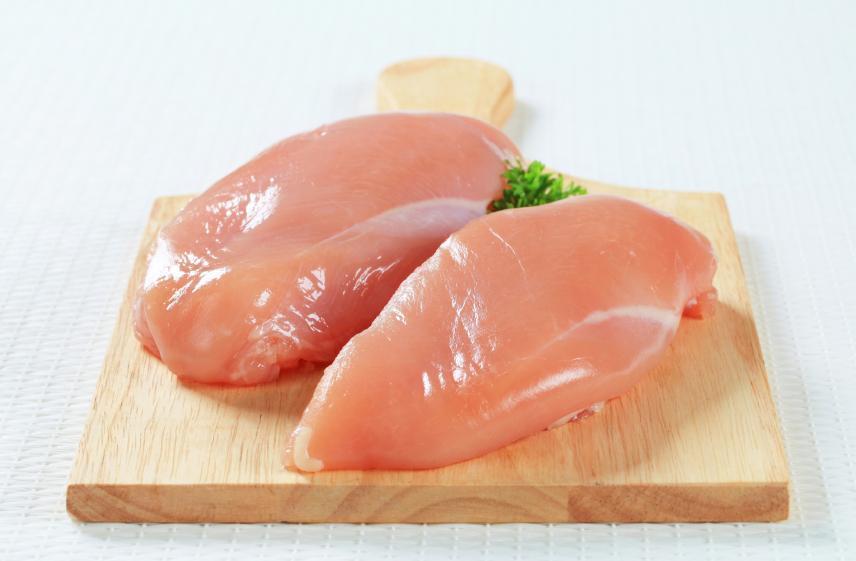
The healthiest meat for cats is chicken - and it also happens to be a big favorite. Turkey is also good for cats. If you want to make your cat a homemade diet based on meat products, you should know that the best way to give your cat meat is boiled or roasted, without any oil. It is also advisable to completely remove bones, especially small ones. The skin should only be given to cats if they are malnourished.
Boiled chicken broth is strongly discouraged, because it is often cooked with leeks and other food that is harmful to cats. If your cat eats the meat that comes from the broth - which it will happily do - it will cause diarrhea and vomiting.
Rabbit and ground beef are acceptable for cats to eat; liver, if they like it, will provide lots of iron. On the other hand, pork doesn't sit too well with them, especially the fattier parts.
Moreover, considering the nutritional needs of felines, lean meats are essential for their diet as they provide necessary proteins and amino acids that cats cannot synthesize on their own. While chicken and turkey are excellent options, always ensure the meat is fresh and free from preservatives. This approach will help maintain your cat's health and vitality.

Can cats eat cured meats?
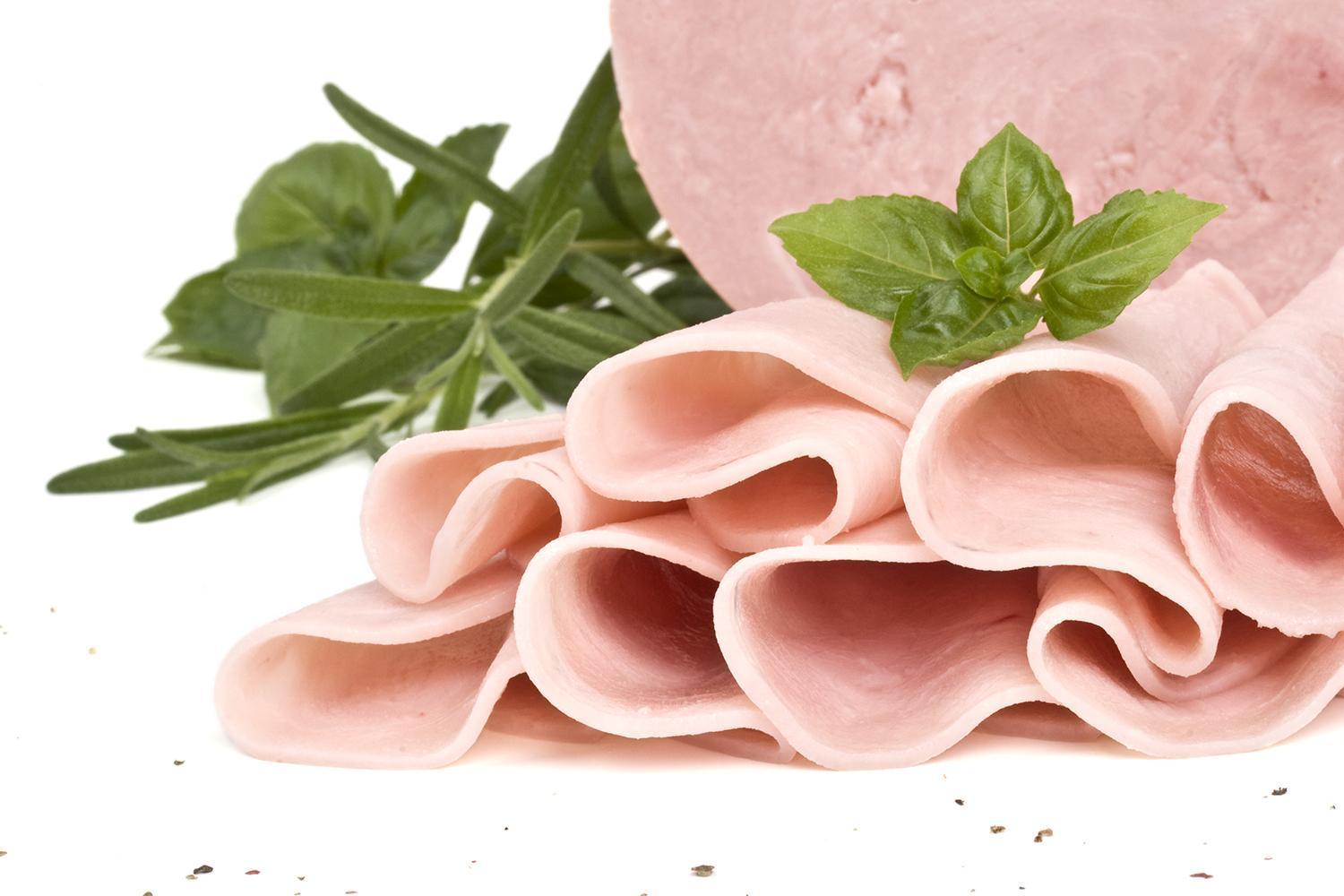
Cats love cured meats, but you have to restrict how much and how often they eat them because they contain excessive amounts of salt or pepper. The most suitable cured meats for cats are sliced turkey and ham, both low in salt if possible. Although cats love them, cured meats should only be given on occasion.
Salami, chorizo and salted ham are big favorites, but they shouldn't be given to cats. As a last resort option, if you have run out of cat food you can give your pet a Frankfurt sausage.
It should be noted that excessive consumption of cured meats can lead to health issues such as hypertension or kidney problems in cats. Therefore, always prioritize moderation and ensure that these treats do not replace a balanced diet.

Can cats eat fish?
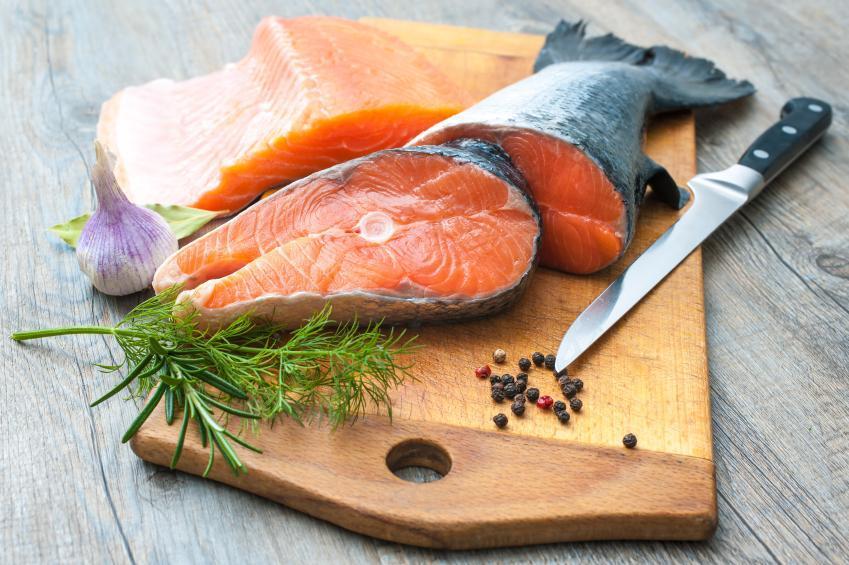
The healthiest fish for cats are of the white and boneless kind. Salmon and trout are good, while tuna and sardines are also recommended because they contain Omega 3 and Omega 6 which are good for your cat's fur.
Fish should never be canned, as the oil and salt content are not suitable for cats. Therefore, you should always boil the fish or get rid of the oil on the plate before feeding it to your cat. Smoked fish is not suitable, even though cats like it a lot.
Additionally, fish is an excellent source of essential fatty acids, which help in maintaining a shiny coat and healthy skin. However, be cautious about mercury levels in fish like tuna, and always opt for fresh, high-quality fish to ensure your cat gets the best nutrition possible.

Can cats eat vegetables?
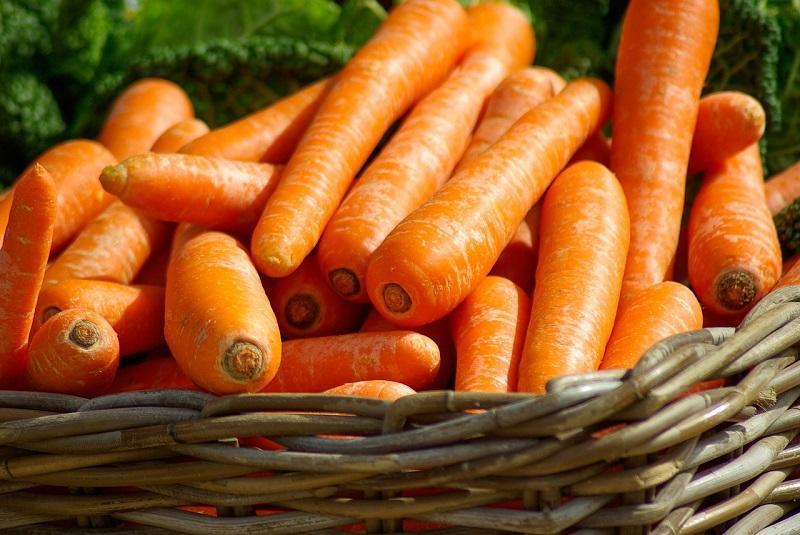
Potatoes and carrots are good for cats, which is why they are also on the list of human foods that cats can eat. The best way to feed them to your cat is to make a pie made of ground beef or poultry mixed with boiled potato and egg. If you add chicken liver, it will be a delicious and fresh dish for your cat. However, you should only give them part of the pie - freeze the rest in daily portions.
Pumpkin, peas and lettuce are good in small quantities, because sugar is not suitable for a cat's diet.
Cats are carnivores and generally use plants to help ease digestion. Therefore, even plants that are not harmful to cats should be given in moderation.
In this regard, vegetables like pumpkin can aid in digestion and help prevent issues such as hairballs. Carrots, being rich in beta-carotene, can contribute to better eyesight and overall health when included in small amounts in your cat's diet.

Can cats eat fruit?
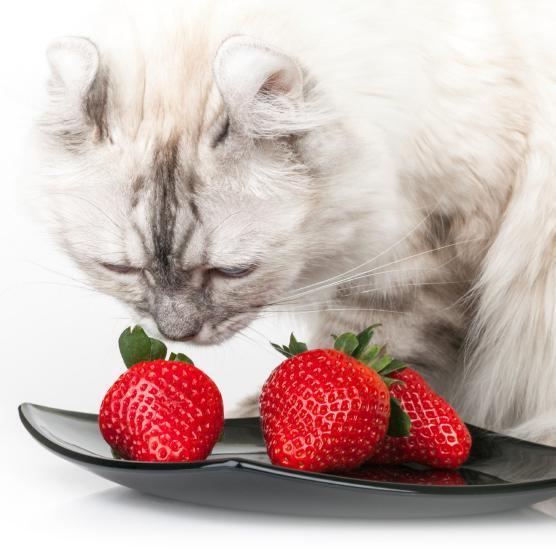
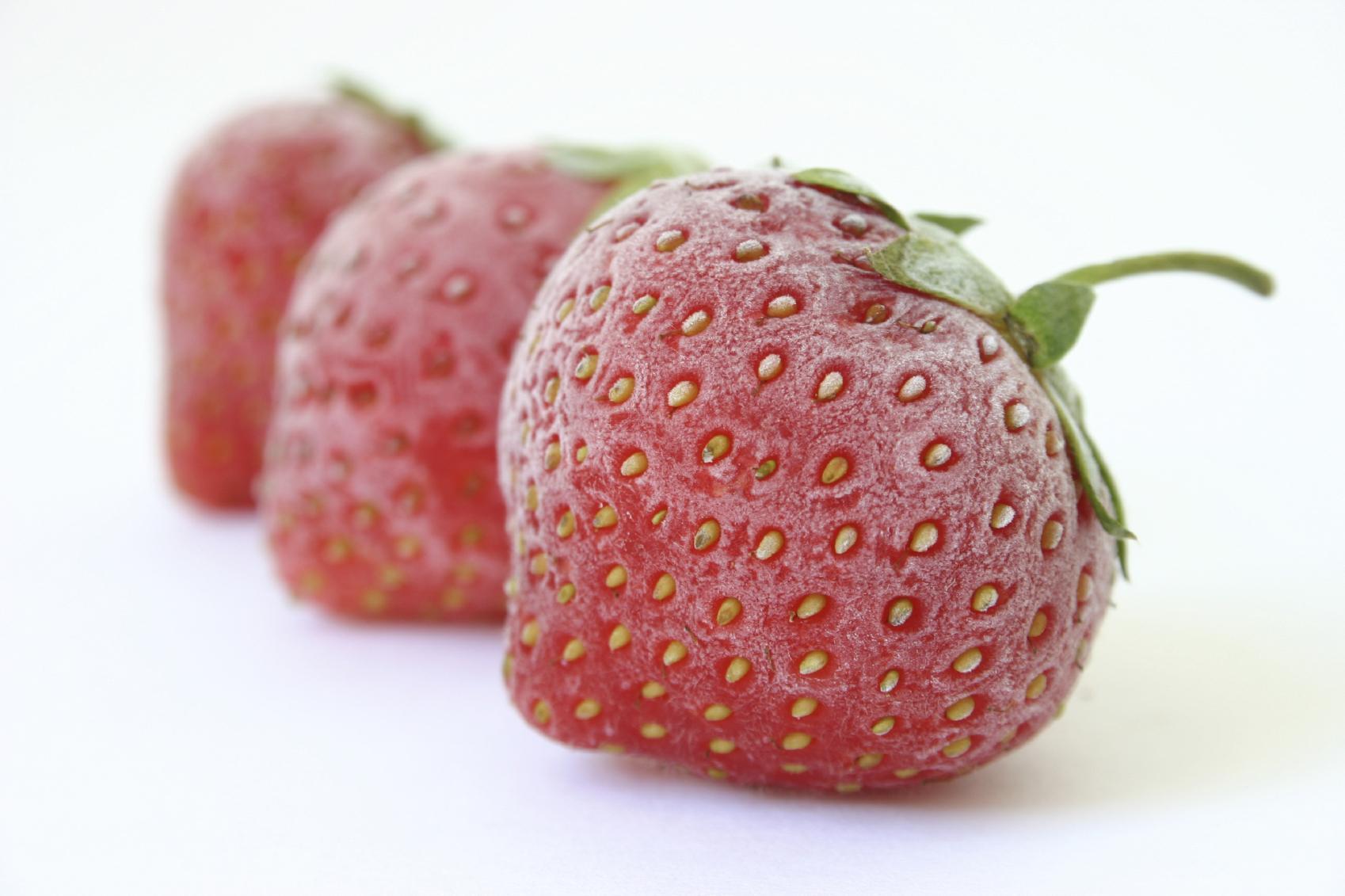
Fruit contains a lot of sugar, so cats should only eat them in small amounts. You can give your cat melon and watermelon cut into small pieces so it can hydrate during the summer. Strawberries are also suitable for cats to eat.
Felines can also eat apples, pears and peaches, but in small quantities.
Furthermore, occasional fruit treats can provide beneficial antioxidants and vitamins. For instance, apples are a good source of Vitamin C, while melons offer hydration due to their high water content. Always ensure fruits are peeled and seeds removed to prevent any digestive issues.

As always, make sure you're familiar with the best diet and the nutritional requirements for your cat at every stage of its life.
Understanding your cat's dietary needs involves not only choosing the right foods but also recognizing the importance of portion control and variety. Keep in mind that while human foods can complement a cat's diet, they should never replace specialized cat food formulas designed to meet all their nutritional needs.
If you want to read similar articles to What Human Foods Can Cats Eat?, we recommend you visit our Homemade diets category.