Asthma in Dogs- Causes, Symptoms, Treatment and Home Remedies


See files for Dogs
Asthma in dogs is a common respiratory disease which is often more prominent in smaller dog breeds. Knowing how to recognize symptoms of asthma in dogs is key in treating it correctly. Symptoms of asthma may include wheezing in dogs and constant coughing.
Does your dog have asthma? Find out here at AnimalWised, where we will be guiding you on how to recognize symptoms of asthma in dogs, its primary causes and how to treat asthma in dogs. If your dog suffers from asthma, immediate veterinary treatment is necessary.
Respiratory problems in dogs: asthma
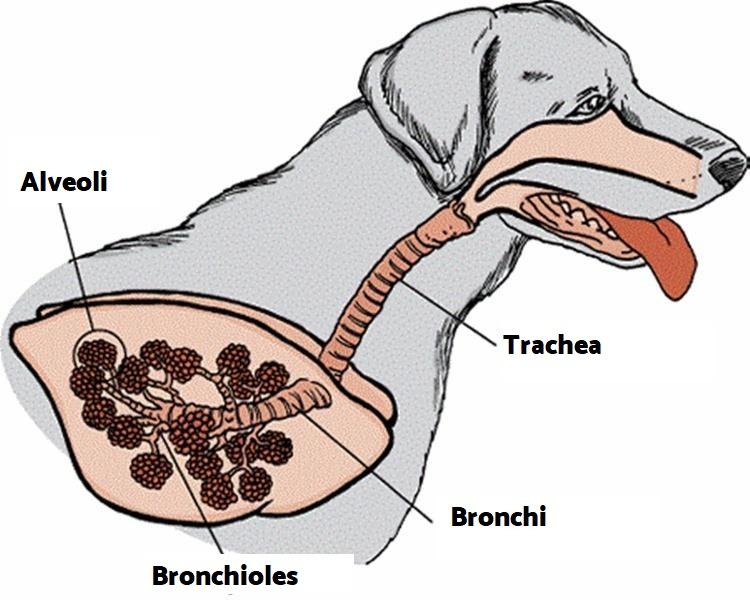
Asthma in dogs is included into a group of disorders that affect a dog’s lower respiratory tract. Due to the presence of an irritant, the bronchial tubes contract to prevent it from passing into the lungs and, thereby, generate mucus to trap it.
This bronchoconstriction (constriction of the airways) mechanism hinders a dog’s breathing. Often, asthma in dogs begins with mild symptoms but can worsen severely. If not treated in time, it can also result in fatality. Understanding the nature of these irritants and how they affect your dog's respiratory system is crucial.
In many cases, environmental factors play a significant role in exacerbating asthma symptoms. For instance, seasonal changes can lead to increased pollen in the air, which may trigger asthma attacks in sensitive dogs. Furthermore, certain household cleaners or air fresheners can also act as irritants. Keep reading here for more about the causes of asthma in dogs, symptoms, and dog asthma medicine.

Asthma in dogs: causes
Determining the cause of asthma in dogs is not always possible, mainly because its trigger can be so varied. Asthma is caused by a hypersensitive reaction against allergens such as dust, pollen, environmental contamination, aerosols, smoke, mites, etc.
Some breeds may be more predisposed to developing asthma due to genetic factors. Similarly, dogs that have been exposed to secondhand smoke over long periods may develop respiratory issues, including asthma. The presence of pulmonary parasites, such as heartworm, heart disease, or other respiratory infections in dogs can also cause symptoms similar to asthma. If this is the case, the disease needs to be identified correctly[1]. For more, we recommend reading our article about heartworm in dogs.
Asthma in dogs: symptoms
Dogs with asthma can live for a long time showing only mild symptoms. However, it is also possible that a dog could suffer from an acute asthma attack which can greatly compromise a dog’s breathing. Asthma in dogs symptoms include:
- Coughing.
- Breathing with an open mouth, occasionally, with the tongue out (in an attempt to allow for more oxygen).
- A stretched out posture (with the front legs separated) also in an attempt to breathe with more ease.
- Evident breathing difficulties.
- Wheezing in dogs.
- Lack of oxygen can also cause a coloration of the mucous membranes to a bluish hue.
- Sneezing.
In the most severe cases, a dog suffering from an asthma attack may collapse due to a sudden lack of oxygen in the body. In this case, immediate veterinary attention is required!
Additionally, observing changes in your dog's activity levels can be insightful. Dogs may appear lethargic or unwilling to engage in physical activity as they struggle to breathe efficiently. For more, we recommend reading our article about dog breathing difficulties.

Asthma in dogs: treatment
As we’ve already mentioned, if you notice any of the above mentioned symptoms, you need to consult a veterinarian immediately.
Dog asthma treatments are aimed at dilating the bronchi to recover air flow and, therefore, improve breathing. For this, corticosteroids and bronchodilators are used. In severe cases such as an asthma attack, a veterinarian may also provide your dog with extra oxygen. In addition, general management and handling must be performed with extreme care to avoid stress in dogs, which can accelerate and make breathing more difficult.
When it comes to treating asthma in dogs, it is also possible that a veterinarian may prescribe oral administration, such as dog asthma inhalers for immediate effect. These devices are used by spraying a dose of contained medication into a dog’s mouth, which it then breathes in. This, of course, should only be administered by a veterinarian.
It is vital to adhere strictly to the prescribed treatment plan to ensure the best possible outcome for your dog. Many people do ask, ‘If someone in the family has asthma can they offer their dogs the same medication?’ No. You should never offer your dog human medication.
Asthma in dogs: natural treatments
If your dog has been diagnosed with asthma, the first thing you can do is provide it with an environment that minimizes any risk of attack. Our asthma in dogs home remedies include:
- Keeping the house well ventilated.
- Make sure your house is as free of dust and mold.
- Avoid the presence of aerosols or colognes.
- Avoid smoking around your dog.
- Avoid the use of strong household chemicals.
- Remove carpets (they gather dust).
- Use air purifiers.
- Manage your dog’s weight. Overweight dogs are more prone to asthma.
As for natural bronchodilators for dogs or essential oils for dog asthma, you can opt for chamomile, lavender, or peppermint, which are all known for their anti-stress properties. In addition, a teaspoon of natural oatmeal can also help a dog relax. These natural remedies can assist in creating a calming environment, which might reduce the frequency of asthma attacks. If you choose to try any of the home remedies to help a dog breathe better, you should consult a veterinarian beforehand. It's crucial to ensure that these natural treatments do not interfere with any prescribed medications.

This article is purely informative. AnimalWised does not have the authority to prescribe any veterinary treatment or create a diagnosis. We invite you to take your pet to the veterinarian if they are suffering from any condition or pain.
If you want to read similar articles to Asthma in Dogs- Causes, Symptoms, Treatment and Home Remedies, we recommend you visit our Breathing diseases category.