Can Cats Sense a Woman’s Pregnancy?


See files for Cats
You may have heard that cats' behavior changes when a woman living in the same household becomes pregnant. Some even claim that cats are able to tell if a woman is pregnant even before she knows it herself. But how can this be? There are few scientific studies on the subject, but everything we know so far about cats' perceptive abilities suggests that cats can detect pregnancy in women.
The following AnimalWised article explains the question of whether cats can sense if a woman is pregnant, how they do it, and what you can expect in terms of their behavior.
How do cats perceive a woman's pregnancy?
There is no reliable scientific data confirming that cats sense a woman's pregnancy, but many animal lovers and animal specialists claim that it is true. It is believed that cats are able to sense pregnancy in a woman because they are able to detect some changes in the body such as temperature, habits, movements, and behaviors during pregnancy. Below, we will describe in more detail how cats are believed to be able to sense a woman's pregnancy.
- Hormonal changes: When a woman becomes pregnant, her body undergoes many chemical changes, especially related to hormones. Among the most common is the increase in progesterone, human chorionic gonadotropin, and estrogen, hormones that alter a woman's own odor. Cats have an excellent and very refined sense of smell and are able to detect these hormonal changes early in pregnancy. For this reason, some people believe that cats can detect a woman's pregnancy in the first weeks of pregnancy, even before she takes a pregnancy test. Interestingly, this heightened olfactory capability is not exclusive to pregnancy detection; cats can also use their keen sense of smell to detect other conditions, such as illness or stress in humans, showcasing their extraordinary sensory abilities.
- Temperature: When a woman is pregnant, blood flow increases and metabolism is stimulated by 20%. These changes cause the body temperature to rise slightly. While this change is not noticeable to humans, cats can sense this slight increase in body temperature. This can also affect your cat's behavior, as most cats like to snuggle up in warm places. Pregnant women should not be surprised if their cats start to snuggle up to them. Moreover, some experts suggest that cats may also be drawn to the emotional warmth and nurturing atmosphere that surrounds a pregnant woman, further strengthening their bond.
- Behavior changes: Not only can cats smell hormonal changes and sense a warmer body temperature, but they can also detect differences in your behavior, habits, body chemistry, and posture. Cats are experts at reading body language, so they can notice even the smallest differences in your movements and behavior. In addition to physical cues, cats might pick up on the emotional changes that occur during pregnancy, such as increased stress or anxiety, and respond accordingly, either by providing comfort or by seeking their own space.
Many women fear that it is not a good idea to be around cats when they are pregnant. This fear stems from certain zoonotic diseases and parasites, such as toxoplasmosis. However, it's important to note that with proper hygiene and care, the risks can be minimized, allowing pregnant women to safely enjoy the companionship of their feline friends.
How do cats behave around a pregnant woman?
Cats react in different ways when they notice something unusual in their environment or in their caregivers. Each cat behaves differently in this situation because of its unique personality and experiences. However, there are some behaviors that are quite common in cats living with pregnant women.
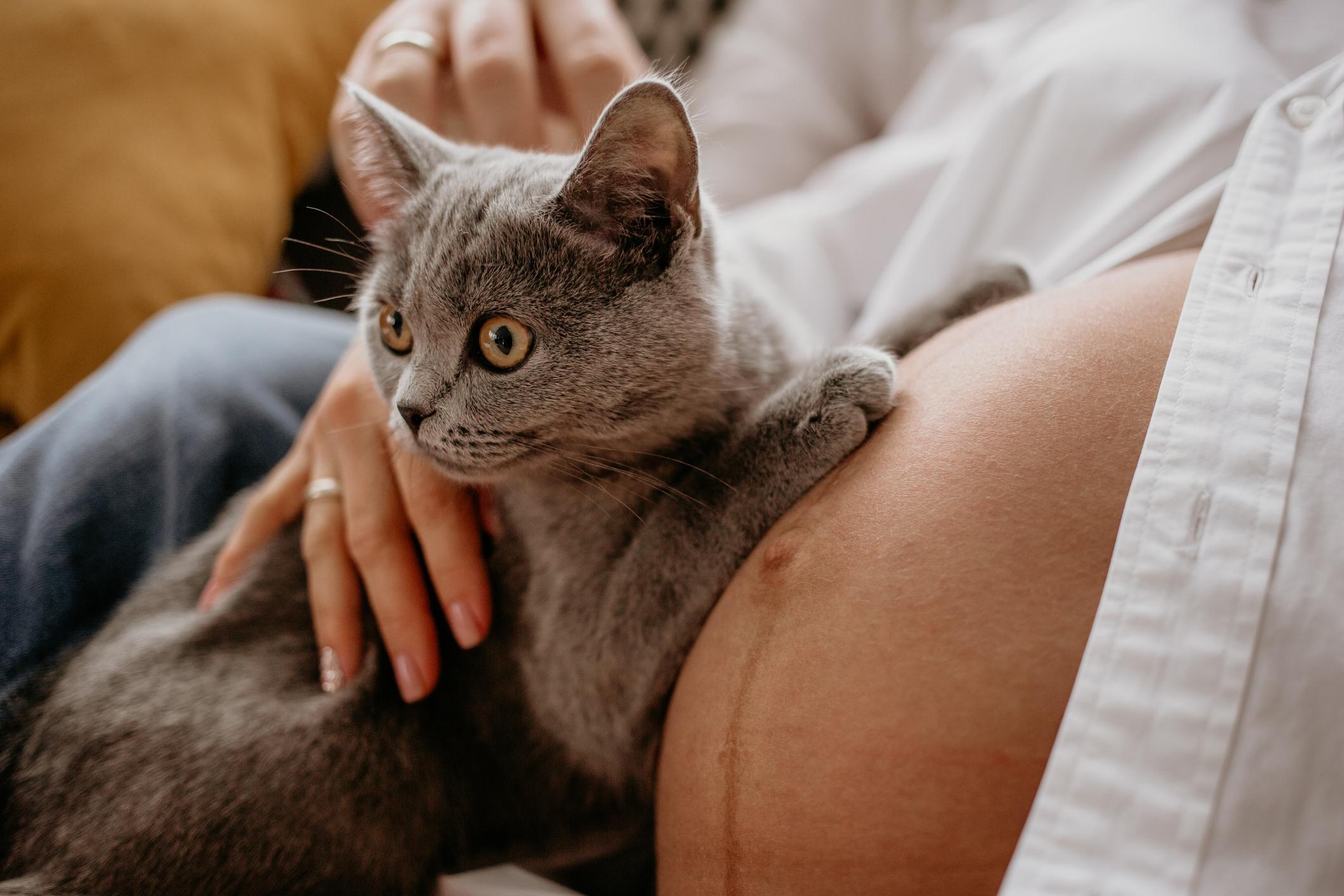
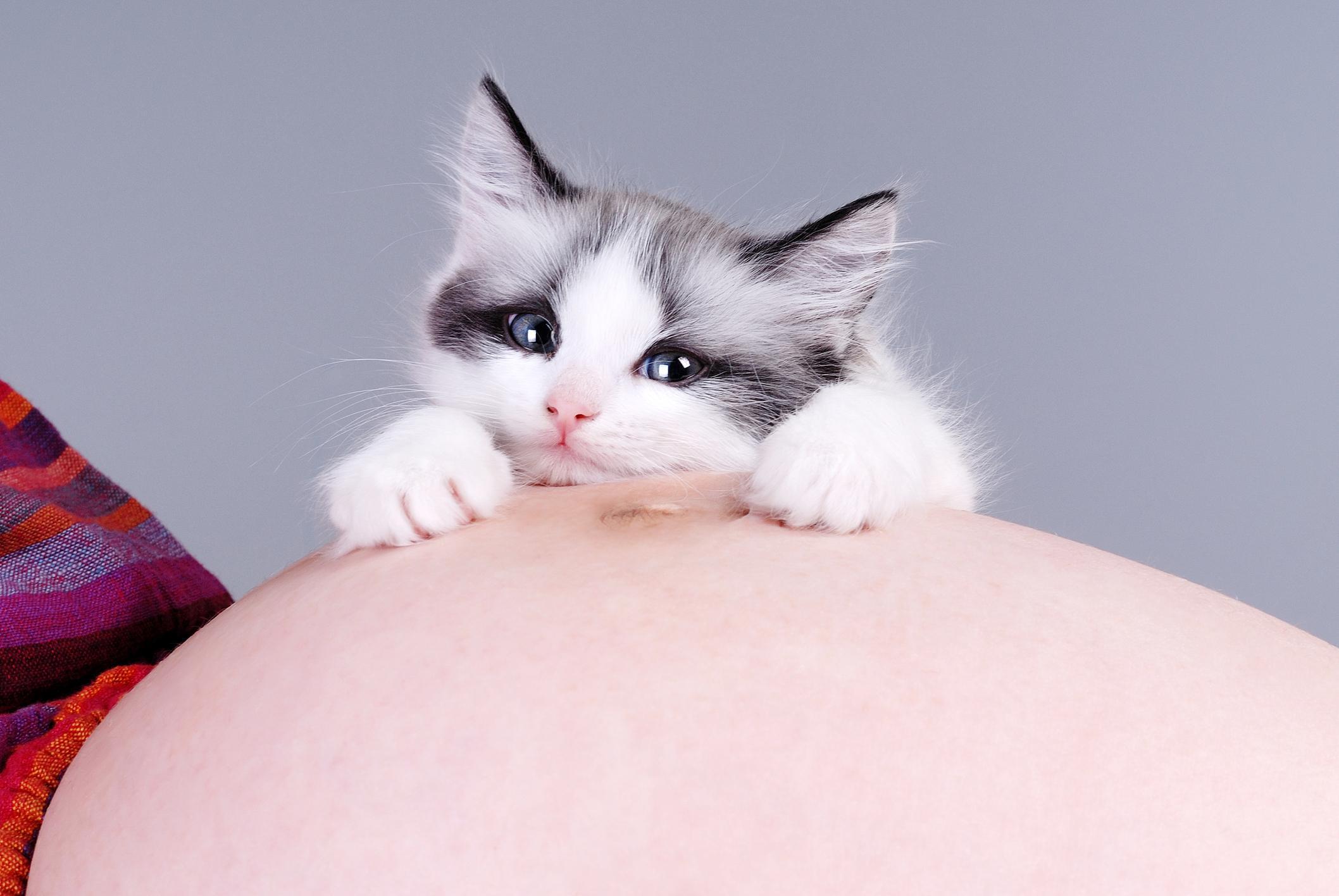
Some cats become more affectionate toward pregnant women. They may express this affection by spending more time with their pregnant caregiver, kneading her belly and purring, or sleeping on her. As mentioned earlier, cats have a higher body temperature than we do and like to stay in warm places. Therefore, they may seek physical contact with a pregnant person more often than with a non-pregnant person. Additionally, this increased affection could be a way for cats to offer comfort and companionship during a time of change, showcasing their intuitive nature.
Cats may also become more protective of their pregnant caregiver and defensive if a human or pet approaches the expectant mother. This protective behavior can be seen as an instinctive response to protect both the caregiver and the unborn child, highlighting the deep bond that can develop between cats and their human companions.
Other cats may also withdraw and avoid contact with their caregiver. Cats are animals that are very sensitive to change. It is likely that cats who tend to be grumpy or avoidant are more likely to be stressed or frightened when their environment is new or changing. In this case, you need to be patient, never force the animal, and try to make it feel comfortable and secure by trying to keep its routines as stable as possible. Providing a quiet, safe space where the cat can retreat can also help alleviate stress and promote a sense of security.
If you suspect your cat may be stressed, continue reading this other article, where we talk about the most common symptoms of stress in cats.

What you can do to help your cat adjust to pregnancy
If you have a cat in the family and learn about the arrival of a new member, you should prepare yourself and your pet. If you do not do it in time, your cat might feel displaced, be stressed and change its behavior at home.
Cats can be very attached to their owners. When they notice a change, such as the arrival of a new family member, it can have a negative effect on them. To prepare your cat for the arrival of a new baby, we suggest that you follow these recommendations:
- Do not neglect the cat: although pregnancy can be a complex process for an expectant mother, it is important that you give your cat attention and as much love as possible. In this way, you may be able to prevent your cat from developing feelings of abandonment and therefore becoming aggressive or misbehaving. Including your cat in family activities and ensuring it feels valued is essential for maintaining its emotional well-being.
- Keep the same routine: As mentioned earlier, cats like routines that give them a sense of security. So if you have established a daily playtime or a specific feeding time, do not change it to avoid changes in your pet's behavior. This also applies when the baby is at home. The first few months with a baby can be overwhelming because it is a time of change and adjustment. Ask your friends or family to help you maintain a routine with your cat if you feel you need some extra help. Consistency in routine helps reassure your cat that despite the new addition, its place in the household remains unchanged.
- Consult with a professional: Despite your best efforts, your pet may not adjust to the idea of having a new member in the family. In this case, be sure to seek professional help from a veterinarian or trainer who knows how to prepare your pet for the baby's arrival. Professional guidance can offer tailored strategies to ensure a harmonious transition for both your cat and your growing family.
Even if your cat does not realize you are pregnant until a pregnancy test confirms it, it will undoubtedly notice when you bring the baby home. So it's important to help your pet prepare for the new family member and make the transition as smooth as possible. By taking proactive steps to include your cat in these changes, you help foster a positive relationship between the pet and the new family member.
If you want to read similar articles to Can Cats Sense a Woman’s Pregnancy?, we recommend you visit our Facts about the animal kingdom category.