
Facts about the animal kingdom of All animals
Learn more about facts about the animal kingdom of all animals by exploring our site and become a true expert on the animal kingdom. You'll find content created for the best professionals with pictures, videos and opinions.
247 articles
Updated
Updated
The natural world never fails to amaze us with the wide range of fascinating animal behaviors. The incredible feats some animals can perform with only their instinct to guide are incredible and can help us humans better understand the world around us. These behaviors don't occur in a vacuum. They are...

Updated
Updated
When we think of trunked animals, the first one we might think of is the elephant. This large mammal has a large appendage sprouting from their face which is known as a proboscis. There are other animals with trunks of varying size, some of which appear in place of a nose or seem to emanate from their mouths....
Updated
Updated
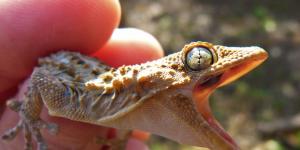
In this AnimalWised article, we want to address a common doubt about animals that can enter our home. While we may see rats, mice, and insects as nuisance pests, lizards can often be more welcome guests into our home. Unless you have a particular fear of lizards, they often seem to be more docile, and...

Although the diversity among birds is vast (think of the difference between a penguin and a hummingbird), it is true there are some bird species which closely resemble each other. Sometimes we can't even tell the difference until we are up close. To understand the difference between these birds, we can look...

The diversity of birds is incredibly vast, so it is interesting to wonder why some stand out in the public imagination. The swan is a bird which has come to have great significance for many cultures, its white plumage and graceful appearance making it a common wonder. However, many of us might not even know...

Seals, sealions and walruses are often confused with each other. While they do have specific differences, they are all marine mammals with similar body structures. They have flippers to swim, canines to eat fish and fur to protect them from the cold. When spotted in the water, it can be difficult to tell these...

The term killer whale is partly very apt. Although beautiful and fascinating marine mammals, they are intelligent and prolific hunters. Although they survive only in water, they are able to catch prey from land close to the water's edge. Their massive strength, sharp teeth, and great intelligence make them...

Canids are a very diverse family of carnivorous mammals, with about 34 species. Most of them have a very similar body structure as well as specific characteristics such as a highly developed sense of smell and hearing, which are crucial for their survival. Because coyotes and wolves are closely related and...
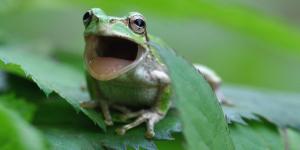
Amphibians belong to the phylum Chordatea. This is a taxonomic class that includes three orders. One of them is the anurans, which include frogs and toads. These fascinating amphibians are anatomically and physiologically adapted to a dual life in water and on land, and undergo metamorphosis to become adults....

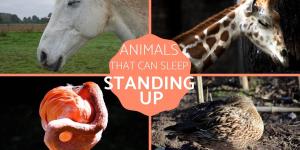
Sleep is a state of rest which allows animals to alter various physiological processes. This is necessary to conserve energy, help muscles rest and perform various other functions. Other organic processes change to facilitate this such as altering brain function and slowing respiration. Different animals...
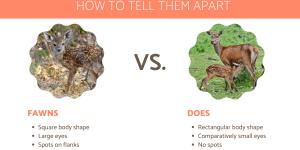
The difference between a fawn and a doe deer is to do with age and sex, not with breed. Different types of deer live in different regions, but we use the same terminology for the ages and sex of all true deer species. Many people want to know the difference between the two for hunting purposes, but this...

The mythological animals from ancient Greece have permeated cultures worldwide, remaining as legends long after their origins have been forgotten. While mythological creatures from many cultures still influence modern thought, those from ancient Greece are particularly resonant. This is partly due to the Greek...

Crepuscular animals are those that are most active during the twilight periods of dusk and dawn. This is a period of low light where the sun has not set, but is below the horizon. Animals will adapt to their environment in many ways. Crepuscular animals have their own adaptations which make them better...

Have you ever seen a cat curl back its upper lip and expose its front teeth and gums? Or a horse wrinkle its nose and take a deep breath, with its mouth slightly open? This behavior may seem strange, but it has a very important purpose: to help animals detect and process pheromones and other scents.
In...

The animals that can see in the dark are those which take what little light is present in their environment and enhance it for better night vision. They do this thanks to specially adapted eyes which have evolved morphologically to reflect light into receptor cells. Seeing in the dark allows animals...
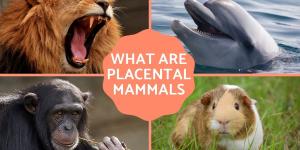
The defining characteristic of placental mammals lies within a remarkable organ – the placenta. This specialized structure acts as a lifeline, fostering the exchange of nutrients, oxygen, and waste products between the developing fetus and the mother's bloodstream. This unique adaptation, coupled with...
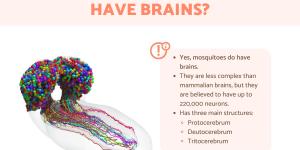
If you wanted to impugn someone's intelligence, you may say they have a mosquito brain. The implication is that mosquitoes have such low intelligence they have no brains at all. Being such small invertebrate animals, they are not known for complex cognitive processes such as emotional reactions. They are known...

Mexico is considered one of the most megadiverse countries in the world in terms of biodiversity. This means that the flora and fauna of Mexico includes a vast number of species, a great range of ecosystems and high levels of endemic species. One reason for this is its size, being larger than any individual...

Despite their small size and lack of wings, fleas are notorious pests for pet owners and wildlife. These external parasites survive by feeding on the blood of mammals and birds, including common hosts like dogs, cats, rodents, and even humans. Understanding their life cycle and reproduction is crucial...

Hair is a keratinized structure which can be of varying qualities. It is the same basic material which makes nails, yet it can also be incredibly soft and fluffy. The only animals that truly have hair are mammals. It is generally used for thermoregulation, both to keep the animal warm and to cool them when...

Reptiles are a diverse group of vertebrates, with almost 12,000 individual species currently falling under this categorization. With such diversity, you may not be surprised to know reptiles differ in various ways, including physical characteristics, behaviors, habitat and diet. Many of these factors influence...

Some of the most venomous mammals in the world include the platypus, skunk, slow loris and the Cuban solenodon, animals we may think of as being more cute than deadly. We often associate the ability to produce venom with animals such as snakes, scorpions and spiders. Predatory mammals tend to have other...

Scavenger animals are those that feed on carrion, i.e. the dead and decomposing bodies of other animals. Food chains are linear structures where one animal preys on another, which preys on another and so on. It is important to remember that food chains are a part of food webs, much more complicated networks...

Bedbugs, ticks, and fleas are three common insects that can infest your home and pets. While these pests may share some similarities, they have distinct characteristics that set them apart. Understanding the differences between bedbugs, ticks, and fleas is important in identifying the source of the problem...

Nestled in the southern reaches of Argentina and Chile, this vast region is home to a remarkable array of wildlife, each species adapted to thrive in its rugged and diverse landscapes. From soaring birds to marine giants, and from elusive predators to adorable herbivores, Patagonia is a sanctuary for...

The anatomy of a turtle is one of the most unique in the animal kingdom. This is largely due to their shell, a very hard carapace which is part of their skeletal structure. This shell is used for protection, but it provides the turtle with unique abilities and behaviors. Although all turtles have certain...

If you know any types of mustelids, you are most likely aware of weasels and ferrets. Although these are two of the most emblematic mustelid species, the family Mustelidae is a much more diverse group of carnivorous mammals. While there are many differences between different types of mustelids, there...
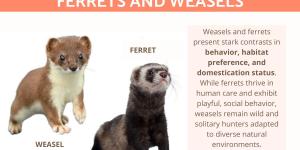
Ferrets and weasels, often mistaken for one another, are both members of the Mustelidae family known for their playful demeanor and curious nature. While they share some physical similarities, they are distinct species with different behaviors, habitats, and needs. Understanding these key differences...
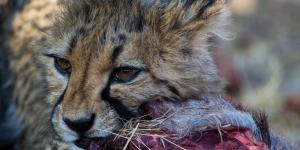
Known for their astonishing speed, the cheetah (Acinonyx jubatus) is an able hunter and an apex predator in their habitat. They have no natural predators of their own when adults, although they may face competition when it comes to hunting prey. While speed is their advantage, so too is stealth, hunting...
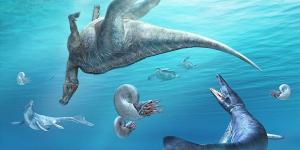
Millions of years ago, the oceans teemed with incredible creatures: prehistoric marine reptiles. These weren't actually dinosaurs, but a separate group of reptiles that adapted to life in the water. They ruled the oceans during the Mesozoic Era (252 million to 66 million years ago) and came in a variety of...
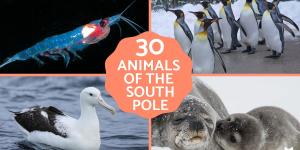
Antarctica is a place on Earth unlike any other, with its enormous ice sheets, majestic glaciers, and surreal scenery. Although the climate on this southernmost continent is harsh and cruel, it nevertheless sustains an incredibly rich and diversified biosphere. Animals in the Antarctic have developed...
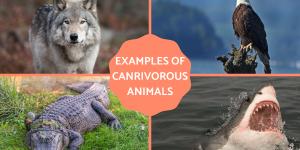
While we can define a carnivore as an animal that eats the meat of other animals, this is a very general description. Carnivores have great variety within the animal kingdom. Although they are defined by their diet, they can be many different types of animals, from mammals on the land, birds in the...
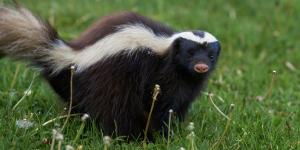
Skunks were once considered types of mustelid from the family Mustelidae, the taxonomic family that includes otters, weasels, badgers, and similar mammals. This is due to similarities in their physical appearance and behavior. There are various mustelids that live in Spain, including badgers, otters, pine...
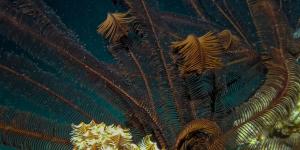
Sea lilies (crinoids) are a group of marine animals with a surprisingly ancient lineage. Despite their plant-like appearance and name, these filter feeders are close relatives of starfish, sea urchins, and sea cucumbers, belonging to the echinoderm phylum. With a fossil record dating back 450 million...
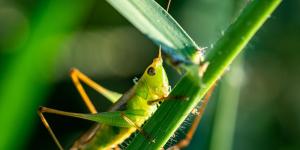
Orthoptera is an order of insects that includes over 20,000 described species, such as grasshoppers, crickets, locusts, and related species. They are known for their ability to jump, thanks to their hind legs, which are significantly longer and more muscular than their front and middle legs. They are...
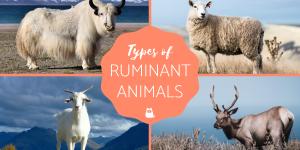
Ruminant animals are animals of the suborder Ruminantia which are defined by their ability to ferment their food thanks to specially adapted compartmentalized stomachs. They chew a cud to help with digestion with their food being further broken down by microbial agents in their stomachs. They also have...

Crickets are hopping insects related to grasshoppers and katydids found within the order Orthoptera. There are more than 2,400 species of crickets identified worldwide. They are known for their chirping sounds, especially at night, which is how male crickets attract mates. Certain cricket species can proliferate...
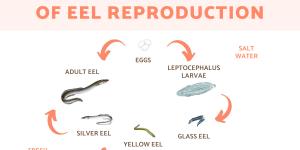
Eels are fish making up the order Anguilliformes, a type of ray-finned fish that are known for their long bodies. Despite all eel species having certain similarities, they are a very diverse order of fish. While most eels live in marine ecosystems, some species move between marine and freshwater environments....
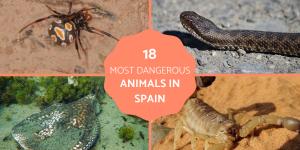
Spain is a country which is known for its sunny beaches, beautiful mountain ranges and Mediterranean climate. However, the climactic diversity of the country is great. With regional climates and seasonal variations, the flora and fauna of this country are equally diverse. While we may not think of Spain...
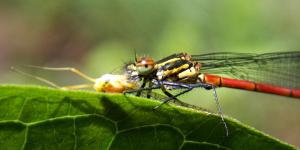
Many people give dragonflies a wide berth, fearing their impressive size and those giant, watchful eyes. These ancient insects, dating back millions of years, are renowned for their agility in the air and their important role in controlling insect populations. However, for many, their shimmering wings...

Dragonflies and damselflies are common sights near freshwater, often mistaken for each other. Despite their shared habitat, these insects belong to distinct suborders within the Odonata family. Millions of years of evolution have shaped them into unique creatures with distinct characteristics.
This AnimalWised...
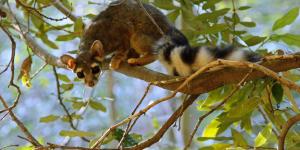
Cacomistles (Bassariscus sumichrasti) are animals that belong to the Procyonidae family, a family of animals that also contains kinkajous, coatis and the raccoon. This latter animal is the most widely distributed procyonid in the world, but the cacomistle is much less known. This is partly due to its much...

New Zealand and Australia are often confused with each other, with some thinking them as being interchangeable. Despite similarities in location and culture, they have very stark differences in terms of geography and biodiversity. Australia is associated with some very dangerous animals, with many people...

Belonging to the order Diptera, this incredibly diverse group encompasses a vast array of species, from the familiar housefly to the bizarre botfly. But what allows these insects to thrive in such a wide range of environments? The key lies in their fascinating anatomy. Their bodies are segmented into...
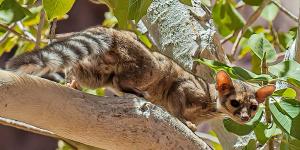
The cacomistle, also known as the ringtail, is a fascinating mammal native to Central and North America. Its name originates from the Aztec language, where it translates to "half-cat" or "mountain lion," depending on the source. They are easily recognizable by their raccoon-like face and bushy tails...
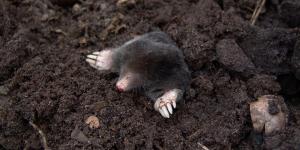
These fascinating mammals have spent millions of years adapting to a life beneath the surface, becoming true champions of the dark, subterranean world. While most are familiar with their burrowing activities, some species even thrive in aquatic environments. Beyond their remarkable digging skills, moles...

Stitch from Lilo & Stitch is a mischievous little creature with a serious curiosity streak. It is partly this curiosity which has endeared this animated Disney character to so many fans of any age, although particularly to millennials and gen Zers. While many of Disney's animated features up to this movie...

The warm embrace of summer nights often brings with it a familiar sound – the chirping of crickets. These nocturnal insects are more than just nighttime serenaders; they're also masters of movement. Their strong hind legs allow them to cover impressive distances in a single leap, a feat that sparks curiosity...
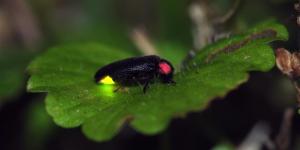
Insects of the Lampyridae family have various common names. Some know them as lightning bugs, others glowworms, and many as fireflies. These names refer to their ability to glow in the dark, a capability that occurs thanks to their bioluminescence, a phenomenon that has captured the imagination of anyone...

There are over 4,800 known frog species found worldwide in a variety of habitats, from rainforests to deserts. They come in a wide range of colors, sizes, and even have unique adaptations depending on their environment. Frogs undergo a remarkable metamorphosis during their life cycle. They start as...