How to Keep Cats Off the Back of the Couch


See files for Cats
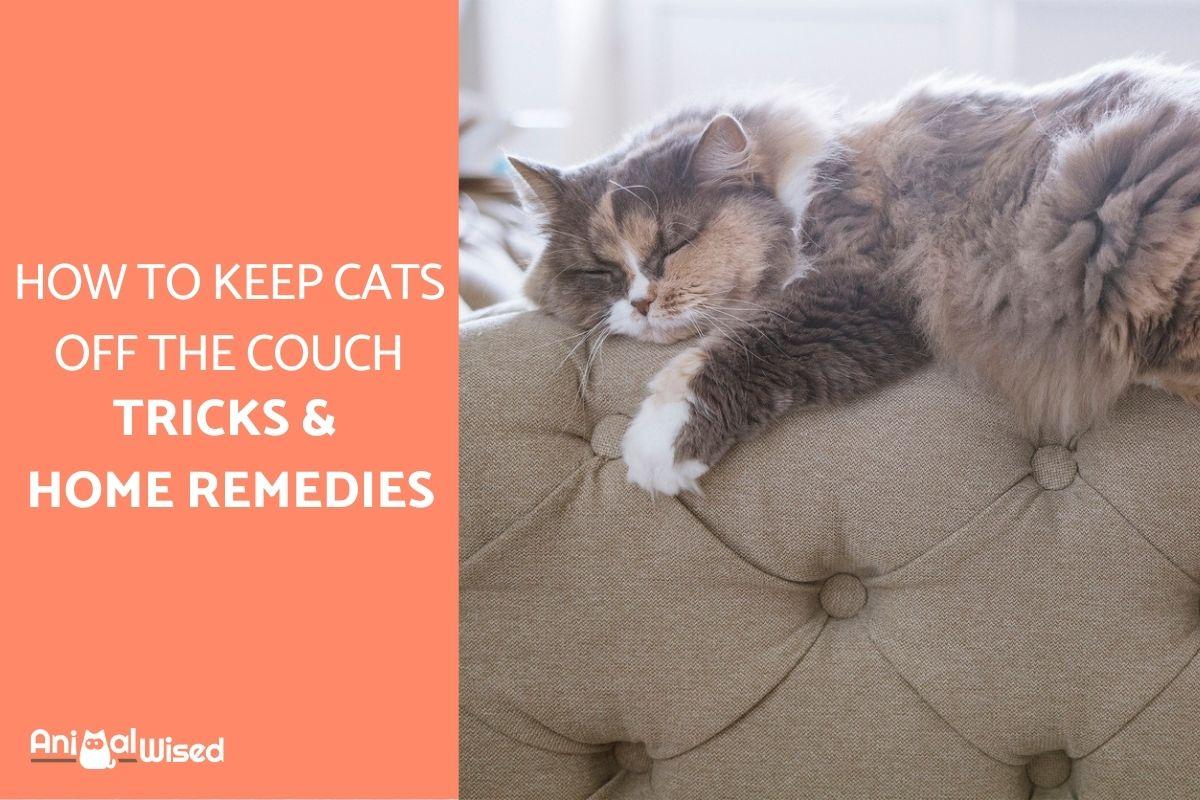
Some people love to see a cat resting on the back of their couch. They look adorable in repose and they are close enough to keep us company. However, a cat's nature can often lead them to cause damage to the furniture with scratching, kneading the fabric, or leaving their fur everywhere. While we may want to keep the cat off the furniture, we need to do what is best for both the cat and ourselves.
In this AnimalWised article, we provide tricks and home remedies to know how to keep cats off the back of the couch. We also discuss why they go on furniture in the first place and whether we need to keep them off.
Why do cats go on the back of a couch?
In the wild, cats spend a lot of time in trees and other high places. This behavior is due to their dual role as both predator and prey. As predators, being up high allows them to scout their surroundings for potential food. As prey, high perches help them avoid others who might see them as a meal.
Although cats have been domesticated for millennia, this isn't long enough to rid them of all their wild impulses. We see this in cats chasing insects, playing with toys, and other behaviors reminiscent of those needed to survive in the wild. Going up on the back of the couch or sleeping in high places are remnants of their wild existence.
It is uncommon for cats to sleep on the floor. Although there may be no predators in our homes, they can still be wary of vacuums, foot traffic, or anything else that might cause them distress. This is why cat scratching trees often have levels up high where they can rest.
While it's generally beneficial for cats to be up high, it can also lead to danger. High-rise syndrome in cats refers to injuries sustained by cats climbing too high and falling. If we live in a tall building, we must be very careful to prevent falls and ensure they understand appropriate boundaries.
Should I stop my cat going on the couch?
Cats enjoy being up high and will use almost any elevated surface to do so, regardless of how it affects their human family. This is one reason cats like climbing kitchen counters, along with their attraction to food that might be present.
A couch, sofa, or armchair is particularly inviting. Not only are they elevated, but they are also soft and warm, providing a comfortable and cozy setting. Many cat guardians cherish the fact that cats can curl up on the sofa with them, enjoying quiet time and shared affection.
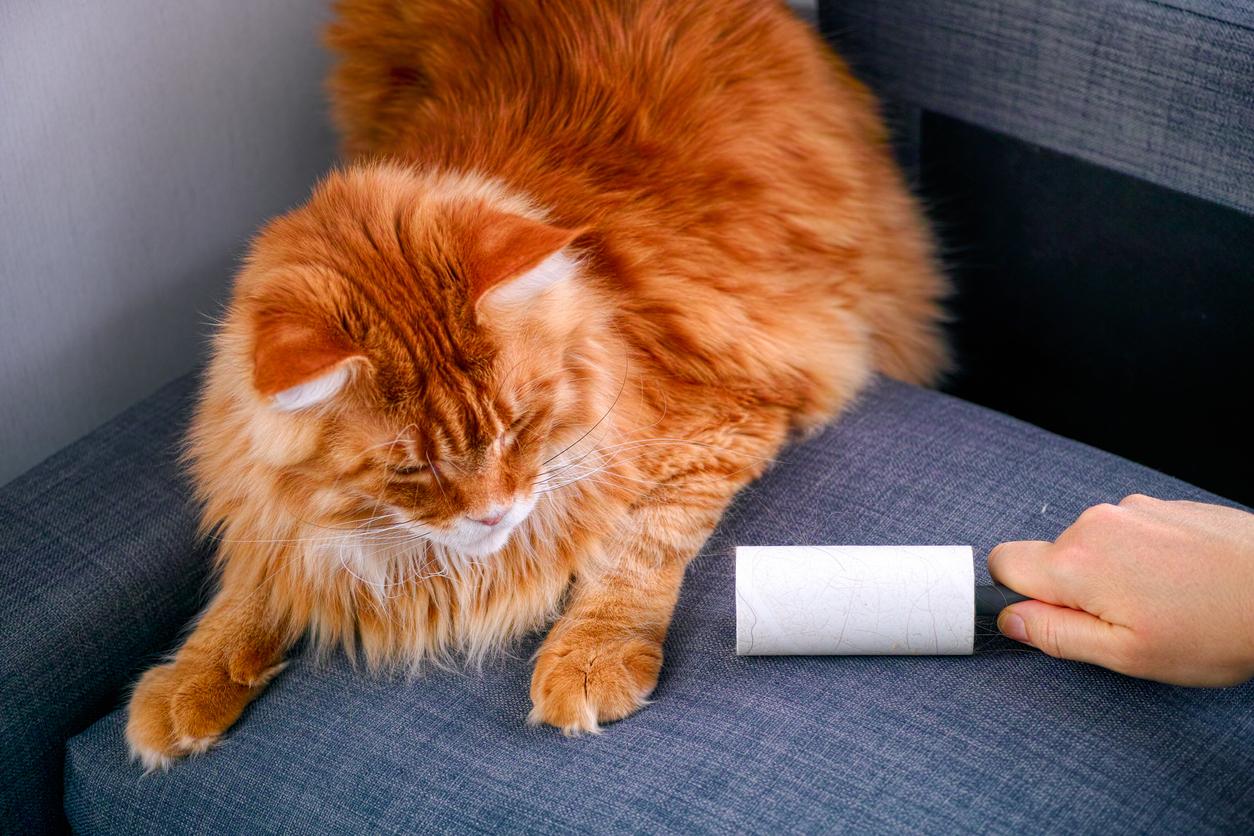
However, the house proud often find cats to be disruptive. If we spend a lot of money on a new sofa, it's understandable to be annoyed if the cat leaves hair all over it or uses the sides to sharpen their claws. This is something to consider when thinking about adopting a cat.
Since going to high places is a natural feline behavior, preventing a cat from doing so counters their nature. Setting boundaries is part of their training, but denying them the expression of natural behaviors can be harmful. There are ways to protect our belongings from damage from a cat, but we must accept that cats can be somewhat disruptive in the home.
Fortunately, there are methods to prevent our cat from going on the back of the couch or other furniture without causing them harm. These include:

Provide better alternatives
As mentioned, resting on the back of a couch or other furniture is appealing to cats because it is comfortable, warm, and elevated. We can help keep them off the couch by providing them with an irresistible alternative.
By offering cozy cat beds that are kept high, near warmth (such as a radiator), and surrounded by environmental enrichment, they may find these options more appealing than the couch. Some comfortable alternatives to the couch include:
- Scratching posts for cats with comfortable platforms are excellent as they are elevated. These allow the cat to scratch their claws without damaging furniture.
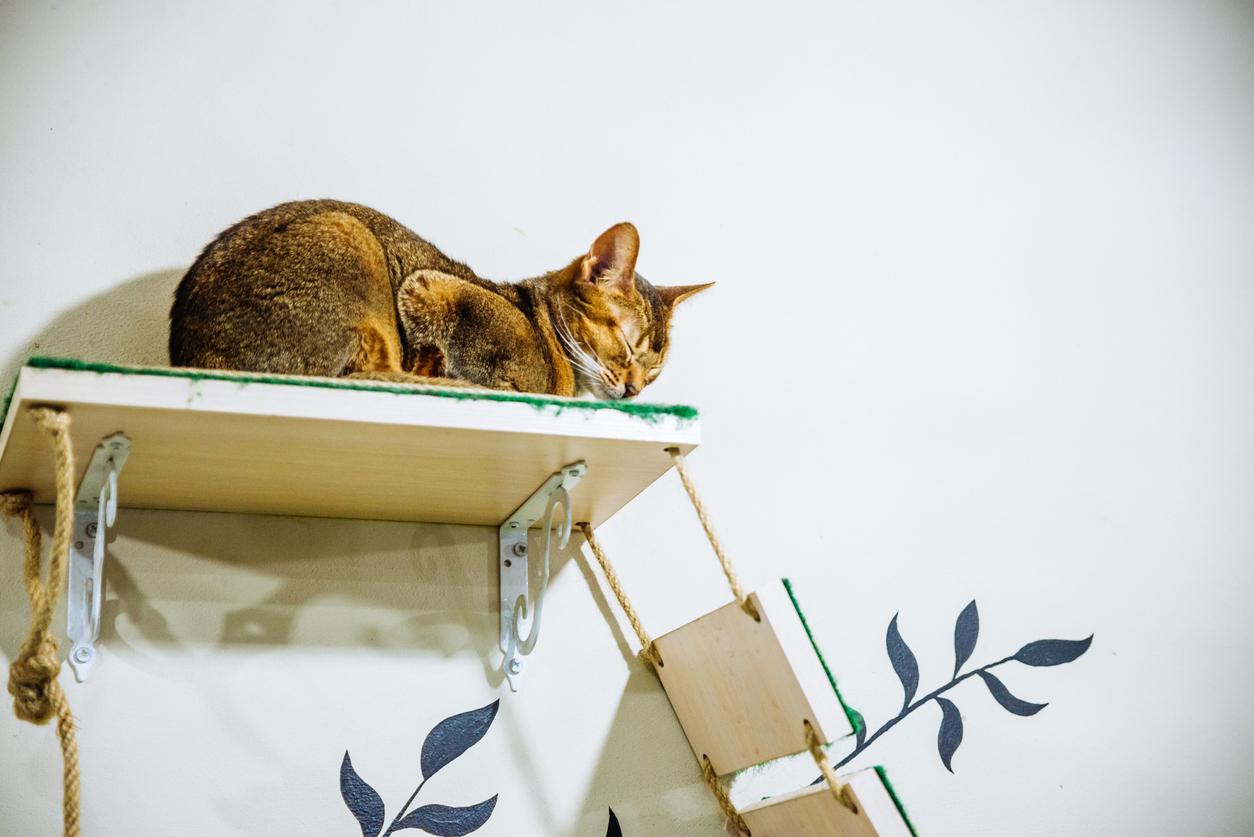
- Cat shelves and wall perches can be installed directly onto the wall. As long as the cat can easily access them, they will enjoy the height advantage and stay off the sofa.
- A cat hammock is ideal, providing a soft place to hide while being up high. Radiator hammocks for cats can be attached to the radiator, keeping the feline extra cozy.
Additionally, ensuring these alternatives are placed in peaceful, low-traffic areas of the home can further entice your cat to choose these spaces over the couch.
Training a cat to stay off the couch
It's a common myth that cats cannot be trained. This is not only untrue, but it can also be damaging. While we can't expect our cat to obey commands like most dogs can, providing them with proper education benefits both them and us.
Positive reinforcement is crucial when training a cat to stay off furniture. It's important never to scold or shout at a cat for going on furniture. Negative reinforcement can be counterproductive, as it only serves to scare the cat and cause trauma, without effectively keeping them off the couch.
Conversely, positive reinforcement encourages cats to go elsewhere without harm. When a cat is sleeping in an appropriate place, we can pet them, offer encouraging words, and even give a treat. If they are on the back of the couch, we can gently pick them up (if they allow) and place them somewhere more suitable, then provide positive reinforcement when they remain there.
Furthermore, consistency in training is key. Regularly rewarding desired behavior reinforces the training, gradually encouraging the cat to choose the appropriate resting spots on their own.
Rubber or vinyl mats
Since cats like to rest on the back of sofas because they are comfortable, making them uncomfortable can help keep them off. You can buy rubber or vinyl flooring from a hardware store and use it to run along the back of the couch. When the cat climbs up, they will often slide off or simply not enjoy being up there for any length of time.
Using rubber or vinyl on your sofa might not be ideal for the long-term, as it can make the furniture less comfortable for us and affect its appearance. However, if we provide suitable alternatives and encourage them to stay off, we might be able to remove the mats eventually, and the cat won't be interested in going up anymore.
It's also worth exploring other textures that cats may find less appealing, such as plastic carpet runners with the spike side up, which can be effective in deterring them from jumping onto the couch.
Aluminium foil or double-sided tape
Again, you won't be able to use these over the long-term, but they might be enough to help your cat avoid going on the back of the furniture in the future. With the aluminum foil, the cat will not enjoy walking on the shiny surface. The sound alone can cause them to be wary, and they will want to go anywhere else to be away from it, but it won't cause any harm.
We need to be careful if using double-sided tape. Most sticky tape won't cause any harm to the cat. It will only make the cat's paws feel weird, and they won't enjoy the sensation. However, using a very strong adhesive tape can cause harm, remove patches of fur, or even damage the skin on their sensitive paws. Furthermore, double-sided tape will make the back of your sofa sticky, requiring caution with our own hair and skin.
Additionally, periodic reapplication of these deterrents can help reinforce the idea that these areas are less desirable, further aiding in training the cat to avoid them.

Home remedies to keep cats off the couch
Finally, there are some home remedies to keep cats off the back of the couch in the form of solutions and sprays. However, we need to be careful not to make the environment unpleasant for ourselves.
There are various scents and smells that cats do not like. These aren't necessarily unpleasant for us. For example, citrus smells can be delightful to our nose, but cats find them much too overpowering. If we make a solution of water and lemon essential oils (or any citrus smell) and spray it on the back of the sofa, we must be careful not to damage the fabric.
You can do the same with apple cider vinegar by providing a solution and putting it in a spray bottle. This might provide a sharp smell for a while, but it can be used safely on many materials. Since we are diluting it in water, it shouldn't smell too strong, but the cat's sensitive nose will still detect it.
Moreover, experimenting with other natural repellents such as eucalyptus or peppermint oil, while ensuring they are safe for your home's environment, can offer additional methods to keep your cat away from specific areas.

If you want to read similar articles to How to Keep Cats Off the Back of the Couch, we recommend you visit our Behavioral problems category.