My Cat Is Obsessed With Food

 Add us on Google

See files for Cats
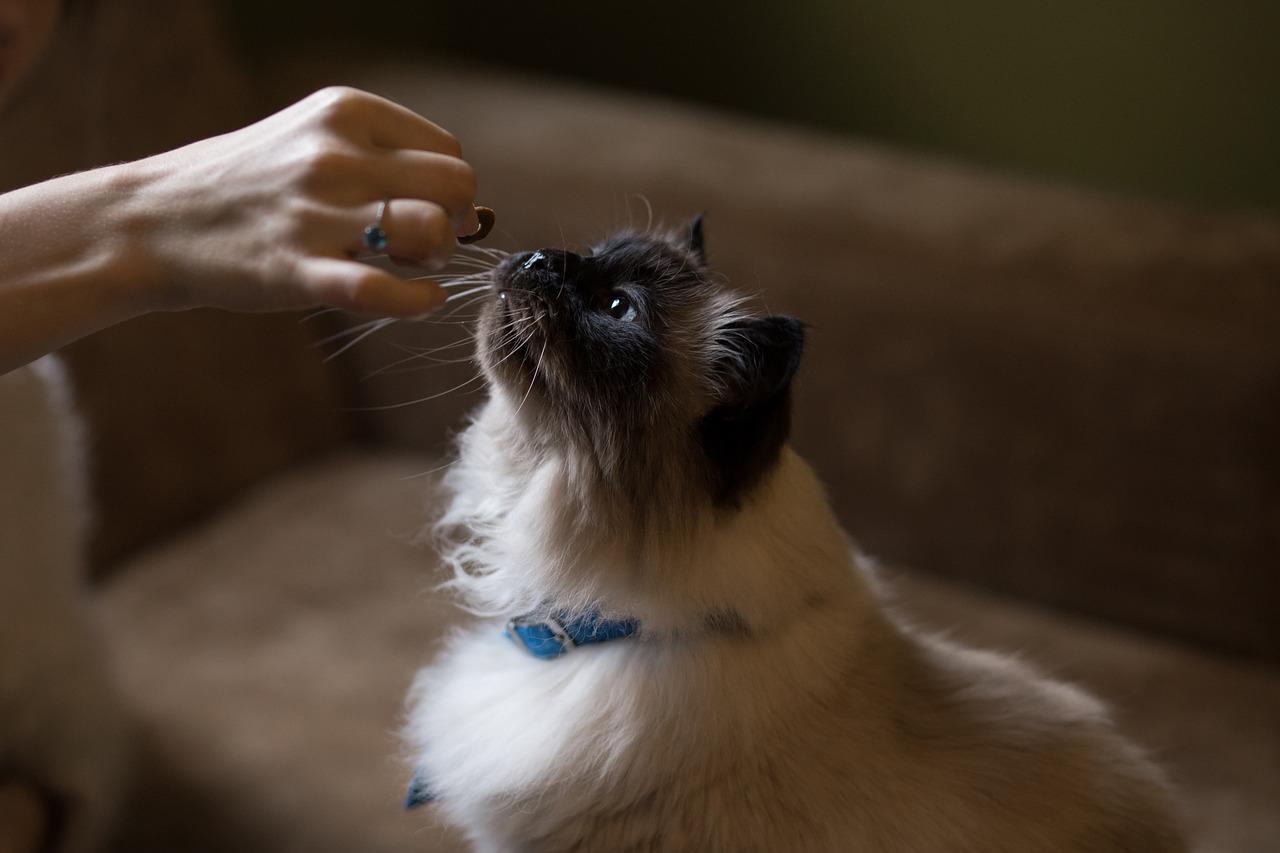
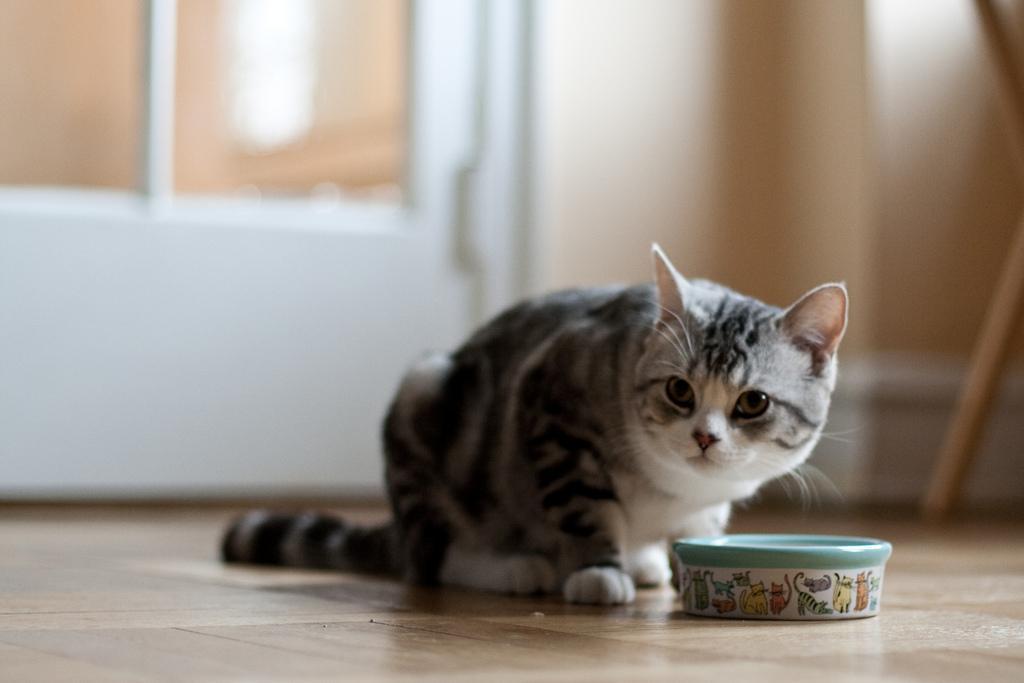
Cats don't tend to have the same gluttonous reputation as dogs. Although it will all depend on the individual animal, they will often be satisfied with their regular diet. They will meow when it is time to be fed and can come running at the sound of a rustling treat packet, but they will also leave food in their bowl to eat later. Some cats may have a more intense relationship with food. Not only will they eat everything you put in their dish, but they will snap up any morsel dropped on the floor, follow you around the kitchen in an anxious manner, or generally seem to be obsessed with food to an unhealthy degree.
If your cat is obsessed with food, it is something that will likely worsen if not addressed. Food obsession in cats is not a healthy dynamic as it implies an anxiety that can harm their well-being. It is also a possible sign of disease, so a veterinary assessment is also useful. Keep reading AnimalWised to find out why my cat is obsessed with food and what we can do about it.
Why is my cat obsessed with food?
To understand why a cat has become obsessed with food or has developed such an obsession over time, we need to look at their relationship with food and the context of this behavior. Before we do so, we need to consider some practical aspects, specifically, how much the cat is eating.
Most domestic cats are very good at self-regulating their food intake. You can give them a dish of food in the morning, and they will eat as much as they need throughout the day. However, not all cats take this same approach. Some may not eat very much, while others will eat it all in one go. The result will be evident in the cat's body. If they eat too little, they will be too thin, and they will be overweight if they eat too much. It should be noted that overeating can also lead to other health concerns, such as diabetes or heart disease, which are preventable with proper diet management.
See the ideal size your cat should be with our article on how to tell if a cat is overweight.
If the cat is not eating their regular feed but is obsessed with the food you eat, it could be that their food is inappropriate. A cat's diet needs to be tailored to their individual needs. This includes their age, health status, and individual preferences. For example, if we have a senior cat, we should not give them food for kittens as it will likely be too rich. Similarly, if a cat has specific health conditions such as kidney disease, a specialized diet may be necessary to manage their health effectively.
When a cat is obsessed with food and overweight, it could be a different issue. It may not be the quality of the food but how you give it to them. Cats are creatures of routine. If we feed them at an irregular schedule or forget meals altogether, it can cause them to feel food insecurity. They feel like their next meal is not guaranteed, so they will eat everything in sight to prepare for the worst. The result can be an overweight cat obsessed with food.
Most cats only need to be fed 1 or 2 times a day. If they are not being fed sufficiently or are receiving poor quality food, they will always be looking for more. This is both to fill themselves up and to nourish themselves adequately. Additionally, if we give them lots of treats throughout the day, they can develop an unhealthy relationship with food and expect it all the time. Consistently providing high-quality, nutritionally balanced food at regular intervals is crucial for maintaining a healthy weight and avoiding food obsession.
If you are unsure what you should be feeding your feline, take a look at our guide to the best diet for cats.
Food obsession as a symptom of disease
There may be a hereditary aspect to your cat's food obsession. Some cats tend to have a genetic predisposition to having a larger appetite. This can be difficult to determine, and the distinction between breeds is not as noticeable as in dogs. We can see that Siamese cats often eat too quickly, but it does not necessarily mean they are obsessed with food. Furthermore, the influence of genetic factors can be compounded by environmental conditions, such as stress or lack of stimulation, which can exacerbate food-seeking behavior.
Whether genetically inherited or acquired later in life, certain diseases will have an influence on a cat's approach to food. Some of these are hormone-related. If the release of hormones is improper, the brain sends signals that make the cat feel hungry, even if they have already eaten their required nutrition. Others affect the cat's appetite in other ways. Here are some common examples of diseases that can lead to overeating in cats:
- Parasitosis: while external parasites are less likely to affect their diet, internal intestinal parasites in cats often create problem eating. If a cat has worms or other parasites in their gastrointestinal tract, they can absorb nutrients otherwise meant for the cat and make them feel the need to eat more. They can even eat without putting on much weight. Regular deworming, as advised by a veterinarian, is crucial to prevent such issues.
- Diabetes: when a cat has low blood sugar, they will often eat and drink more to stabilize themselves. If a cat has diabetes, they will need to be medicated to redress the hormone imbalance in their body. Monitoring your cat's blood sugar levels and adhering to a strict feeding schedule can help manage this condition effectively.
- Hyperthyroidism: an overactive thyroid gland will have various effects on your cat. One common one is an increased appetite and obsession with food. This doesn't mean they will necessarily become overweight. On the contrary, hyperthyroidism is a common reason why a cat eats, yet remains skinny. Early detection and appropriate treatment can greatly improve the quality of life for cats suffering from this condition.
- Cushing's syndrome: this is a set of symptoms which is also related to hormone production, specifically when the adrenal or pituitary glands produce too much cortisol (for this reason it is often known as feline hyperadrenocorticism). This can lead to an increased appetite and obsession with food. Learn more with our article on Cushing's disease in cats. Early intervention can help mitigate the symptoms and improve the cat's overall health.

Eating disorders in cats
It has been discovered that cats can suffer from emotional psychological disorders that lead to harmful behaviors. This includes obsession with food. Your cat could be suffering from the disorder known as psychogenic abnormal eating behavior. It is psychogenic because the disorder has an emotional or psychological rather than physical origin. Some may describe it as a kind of food addiction. Such behavioral issues can often be exacerbated by changes in the household, such as the introduction of a new pet or a move to a different environment.
The causes are still unknown, but treatment is based on training and behavior modifications, known as behavioral therapy. You should first take your cat to a veterinarian to rule out a physical disorder, then speak to a feline educator or ethologist, especially if you observe the following signs:
- Even after eating their own food, the cat takes food from other animals in the home. This behavior may also indicate a need for more structured mealtimes or increased engagement through play.
- They beg for food while you're eating and may even jump up to take food directly off your plate or a counter. Establishing boundaries and reinforcing them consistently is key to preventing this behavior.
- Meowing or hissing desperately while you prepare their food dish.
- Excessive attention-seeking behavior.
- Attempt to eat objects and items that are not food. Such behavior not only signals anxiety or boredom but also poses a risk for gastrointestinal blockages or toxic ingestion.
Part of your cat's rehabilitation will require the following adaptations:
- Ensure you have sufficient playtime and interaction with them. Stimulating activities can help distract from food obsessions and build a healthier routine.
- Boredom is associated with stress in cats, which can produce a desire in the cat to eat even if they are not hungry. Enriching their environment with puzzle feeders or interactive toys can help alleviate boredom.
- Reward good behaviors and ignore bad ones. Positive reinforcement can be a powerful tool in shaping desired behaviors.
- Enrich the home environment with walkways, scratching posts, toys, cat houses, and more. A stimulating environment will help satisfy their natural instincts and reduce anxiety-related eating.
- It is very important not to bring out lots of food in the home, except at mealtime. This applies not only to cat food but also to human food. This is because a cat obsessed with food is not likely to make a distinction between the two.

How to stop food obsession in cats
There are some guidelines you can follow at home to prevent food obsession. It is important to monitor your cat's progress as you do so. You may be able to get rid of the food obsession, but keep in mind this requires patience and can take a long time. Consistency will be part of the long-term solution. Here are some tips for a food-obsessed cat:
- Try to provide the best quality food possible. This ensures their diet contains a high level of protein that will help keep them fuller for longer. You may want to introduce more wet cat food as it can satiate the cat more. Take a look at our article on the healthiest wet cat food for more. In this regard, consulting with your veterinarian to select a diet that meets your cat's specific nutritional needs is highly recommended.
- A couple of times a week, add a small amount of wet food to their dry food and mix it up. This will make it more appetizing to them and they should stop wanting other food. Additionally, the increased moisture content in wet food can aid in digestion and overall hydration.
- At the same time, dry food will make your cat want to drink more water, and this will help keep them healthy and satiated. Adequate hydration is crucial for preventing urinary tract issues, which are common in cats.
- Never leave food out during the day. Stick to routines. Feed them at two regular times or help them adapt to only small amounts several times a day. This structured approach not only discourages overeating but also reinforces good eating habits.
- Ignore them when they petition you for food. Leave the room if necessary and do not reward them as they will only assimilate the wrong behaviors. Persistence and patience are key, as it may take time for your cat to adjust to these new boundaries.
- Restrict your cat's exposure to food of any kind. Do not eat in front of them, adapt their eating schedule to yours, and eat together, where possible. Establishing a routine can help reduce anxiety around mealtimes.
- Spend quality time with your cat; this will make them feel less bored and help to lose food anxiety. Engaging with your cat through play and affection can strengthen your bond and provide emotional security.
Conversely, you may have a cat with a different attitude toward food. This can be equally harmful to their health. Take a look at our article on why a cat is not eating to learn more.

If you want to read similar articles to My Cat Is Obsessed With Food, we recommend you visit our Behavioral problems category.