The Best Dog Toys for Puppies


See files for Dogs
As a new puppy owner, you'll soon discover the joy of your lively puppy's energy and playfulness. To ensure their well-being, it's important to offer the right toys. Toys are vital for your puppy's development, fulfilling their natural instincts for chewing, exploring, and staying active. The right toys help prevent boredom, destructive behavior, and contribute to good dental health, cognitive growth, and a strong bond between you and your pup.
In this AnimalWised article, we've listed the best puppy toys, cover various toy categories, and offer DIY toy ideas.
Do puppies need toys to play with?
Yes, puppies need toys to play with for a variety of reasons.
Toys provide essential mental and physical stimulation, helping puppies develop their cognitive and motor skills, as well as preventing boredom and destructive behaviors.
- Mental stimulation: toys engage a puppy's mind, encouraging problem-solving, curiosity, and exploration. This mental stimulation is crucial for their cognitive development and helps prevent boredom, which can lead to destructive behaviors.
- Physical activity: toys encourage puppies to move, jump, and play, which is essential for their physical development and overall health. Physical activity helps strengthen their muscles, bones, and joints, and promotes a healthy weight. Regular playtime also supports cardiovascular health and boosts energy levels, ensuring they remain vibrant and lively.
- Appropriate chewing: puppies naturally have a strong urge to chew, and toys provide a safe and appropriate outlet for this behavior. Chew toys help prevent puppies from chewing on furniture, shoes, or other inappropriate items. Moreover, chew toys can help alleviate teething discomfort and keep their growing teeth clean and strong.
- Socialization and bonding: toys can be used for interactive play with owners, fostering a strong bond and promoting socialization. Playing with toys together can help puppies learn basic commands and appropriate play behaviors. This interaction also builds trust and communication between you and your puppy, enhancing your relationship.
- Types of toys: different types of toys cater to various developmental needs. Chew toys satisfy the urge to gnaw, while puzzle toys challenge their problem-solving skills. Plush toys provide comfort and companionship, while interactive toys encourage engagement with owners. It is beneficial to have a diverse selection to cater to all aspects of their development.
- Safety considerations: when choosing toys for puppies, ensure they are appropriate for their size and age. Avoid toys with small or detachable parts that could pose a choking hazard. Supervise play sessions to prevent any potential injuries or destructive behaviors. Additionally, regularly inspect toys for wear and replace them if they show signs of damage.
In conclusion, toys are an essential part of a puppy's development and well-being. Choose safe and appropriate toys for your puppy's age and size, and supervise play sessions to ensure a fun and enriching experience. Toys not only entertain but also educate and comfort your puppy, making them a vital part of their upbringing.
Enrich your understanding of environmental enrichment for dogs by delving into our other article on the benefits of dog puzzle toys for mental stimulation.
Types of toys for puppies
Puppies are known for their playful and inquisitive nature, and providing them with the right toys can enhance their physical and mental development. Here are some popular types of toys that cater to a puppy's diverse needs:
Search toys
Puppies often enjoy chasing and retrieving moving objects, which taps into their natural instinct. Various toys like balls, stuffed animals, and flying discs can fulfill this need for play and exercise.
- Tennis balls: a classic fetch toy that bounces erratically, keeping puppies engaged in chasing and retrieving. Their unpredictable paths add excitement to the game, stimulating a puppy's quick reflexes and agility.
- Squeaky plush toys: soft plush toys with a built-in squeaker that appeals to a puppy's natural prey drive and encourages chasing and play. The sound keeps them entertained and can be a comforting companion during rest.
- Flying discs or frisbees: durable discs that can be thrown for long-distance fetch games, providing both physical exercise and mental stimulation. They help improve a puppy's coordination and speed.
- Interactive ball launchers: Devices that toss balls automatically for your puppy to fetch, ensuring they get plenty of physical exercise even when you're not directly involved in the play.
Tug-of-war toys
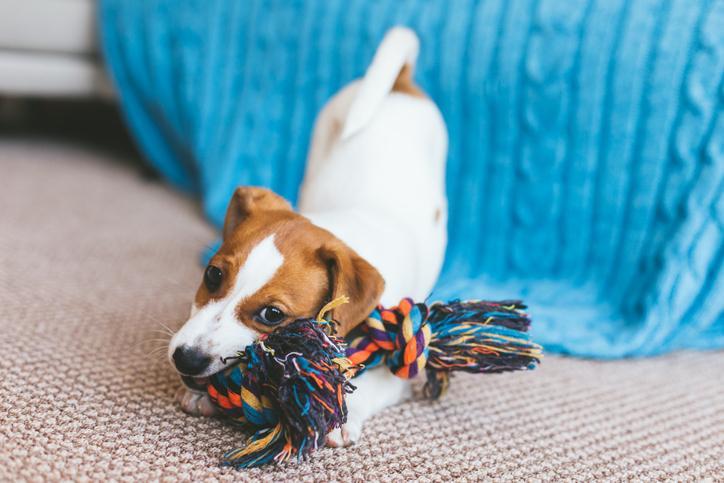
Rope toys designed for tug-of-war games can provide physical exercise and fun for both the puppy and its owner or another dog. When used properly, they promote shared play and can help prevent resource guarding behavior.
- Rope toys: durable rope toys with knots or tassels that provide a good grip for both the puppy and the owner during tug-of-war games. They also aid in dental health by cleaning teeth during play.
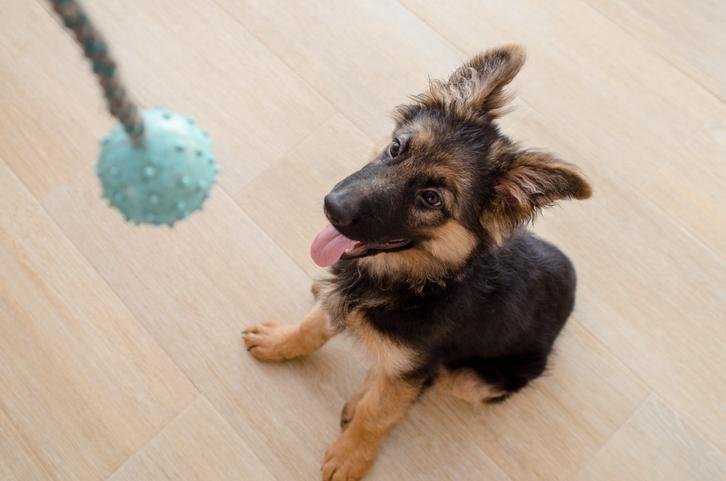
- Tug toys with handles: rope toys with reinforced handles on both ends, allowing for a comfortable and safe grip during tug-of-war sessions. These toys encourage interactive play, strengthening the bond between you and your puppy.
- Interactive tug toys: tug toys that incorporate additional features, such as squeakers or treat dispensers, adding an extra element of fun and engagement. This variety keeps the game interesting and mentally stimulating.
- Elastic tug toys: These toys stretch during play, providing a different kind of resistance and excitement, making them more challenging and fun for your puppy.
Chew toys
Chew toys are typically made from durable materials like hard rubber, which can withstand a puppy's chewing habits. These toys not only serve as a distraction but also promote healthy dental hygiene and prevent puppies from gnawing on inappropriate objects.
- Rubber chew toys: durable rubber toys in various shapes and sizes, designed to withstand a puppy's strong chewing habits. Their texture can also massage gums and provide relief during teething.
- Nylon chew toys: tough nylon bones or rings that provide a satisfying chewing experience and help clean teeth and gums. They are an excellent choice for vigorous chewers.
- Edible chews: natural chews made from materials like bully sticks or antlers that provide a long-lasting chewing experience and promote dental health. They can also be flavored to make them more enticing.
- Dental chews: Specifically designed to clean teeth and freshen breath while satisfying the urge to chew.
Toys with a reward
Toys that offer a reward, such as treat-dispensing toys or food puzzle toys, keep puppies mentally engaged. These toys encourage problem-solving and can help alleviate boredom. They also teach puppies to be comfortable when alone.
- Treat-dispensing toys: toys like Kongs that can be filled with treats or kibble, requiring the puppy to work for their reward. These toys can be used to distract puppies during stressful times.
- Puzzle toys: interactive toys that hide treats or kibble within compartments, requiring the puppy to solve the puzzle to access the reward. This keeps their minds sharp and curious.
- Stuffable toys: plush toys with hidden pockets that can be filled with treats or scented with appealing scents, encouraging the puppy to explore and find the reward. They offer a comforting texture while providing mental stimulation.
- Automated treat dispensers: These devices release treats at set intervals, keeping your puppy entertained and engaged even when you're not around.
Intelligence toys
Interactive toys challenge a puppy's problem-solving abilities. These toys often require the puppy to solve a puzzle or complete a task to access a hidden reward, which keeps them mentally stimulated and engaged.
- Puzzle boards: toys with sliding panels or compartments that hide treats, requiring the puppy to manipulate the pieces to access the reward. They enhance dexterity and strategic thinking.
- Treat mazes: toys with maze-like compartments that challenge the puppy to navigate the path and retrieve hidden treats. This can improve their patience and persistence.
- Interactive treat dispensers: toys that release treats when the puppy performs specific actions, such as rolling the toy or pressing buttons. These toys teach cause and effect, making them excellent for cognitive development.
- Electronic puzzle toys: Engaging devices that require your puppy to solve puzzles to earn rewards, offering varying levels of difficulty.
Offering a variety of these toys to your puppy can address their physical activity, mental stimulation, teething needs, and solo playtime. Ensure you select toys appropriate for your puppy's age, size, and breed, and supervise playtime to ensure safety and enjoyment. A balanced mix of these toys will keep your puppy physically fit and mentally agile.

How do I choose the best toy for my puppy?
Choosing the best toy for your puppy involves considering their age, size, personality, and individual preferences. Here's a guide to help you make the right choice:
- Age: puppies go through different developmental stages, and their toy choices should reflect that. For young puppies, soft plush toys or teething toys are ideal for soothing sore gums. As they grow, introduce more durable toys for chewing and interactive toys for mental stimulation. It's important to adapt the toy selection as your puppy's needs evolve over time.
- Size: match the toy's size to your puppy's size. Avoid toys that are too small, as they could pose a choking hazard, and toys that are too large, as they may be difficult for your puppy to handle. Make sure the toy is manageable for your puppy to carry and play with comfortably.
- Personality: consider your puppy's personality when selecting toys. Energetic puppies may enjoy fetch toys or tug-of-war ropes, while more timid puppies might prefer puzzle toys or plush toys for comfort. Understanding your puppy's temperament can help you choose toys that cater to their behavioral needs.
- Individual preferences: observe your puppy's play style and preferences. Some puppies love to chew, while others prefer to chase or fetch. Choose toys that align with their natural inclinations to keep them engaged and entertained. This personal approach ensures that your puppy remains interested and stimulated.
- Safety: always prioritize safety when choosing toys. Avoid toys with small or detachable parts that could pose a choking hazard. Inspect toys regularly for any damage or wear and tear, and replace them if necessary. Ensuring the safety of toys is crucial for preventing accidental injuries.
- Material: Consider the materials used in the toys. Opt for non-toxic, durable materials that can withstand your puppy's energetic play and chewing without breaking or causing harm.
Remember that puppies grow and change rapidly, so be prepared to adjust their toy selection as they develop and their needs evolve. Providing a variety of toys that cater to different aspects of their physical and mental well-being can help ensure your puppy stays happy and healthy. Engaging toys contribute to their overall development and can prevent behavioral issues.
Explore a wealth of interactive homemade toys and simple activities for your dog in our companion article on DIY toys for dogs. Uncover countless ideas to keep your puppy engaged, mentally stimulated, and physically active.
Easy to make DIY dog toys
Creating homemade puppy toys can be a fun and cost-effective way to provide entertainment and stimulation for your furry friend. Here are some simple DIY puppy toy ideas:
Braided rope toy
You can make a durable rope toy by braiding together several old t-shirts or fabric scraps. Cut the fabric into strips, tie one end together, and braid the strips. Knot the other end tightly, and you have a homemade rope toy for tugging and chewing. This toy is not only economical but also environmentally friendly as it recycles old materials.
Frozen washcloth
Wet a clean washcloth, twist it, and then freeze it. The frozen washcloth can soothe teething puppies and provide relief for sore gums. Ensure the washcloth is large enough to avoid any choking hazards and always supervise its use.
Empty plastic bottles
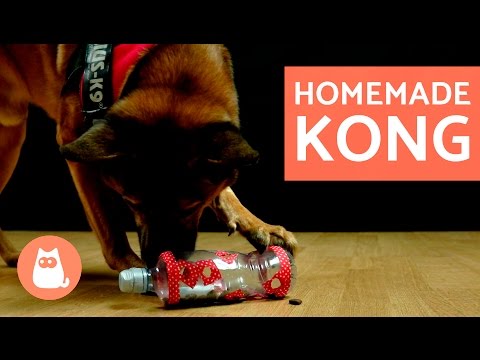
Empty plastic bottles, with the cap and labels removed, can be an engaging source of entertainment. The crinkling noise and the movement of the bottle can captivate a puppy's attention. Be sure to supervise play and replace the bottle if it becomes damaged. This simple toy can keep your puppy entertained for hours.
Additional tip: You can place some dry treats inside the bottle to make it more intriguing and rewarding for your puppy.
Sock with a tennis ball
Place a tennis ball inside a clean sock and tie a knot at the open end. The tennis ball inside the sock creates an interesting texture for puppies to chew on and play with. This easy-to-make toy is perfect for both indoor and outdoor play.
Additional tip: Use colorful socks to make the toy more visually appealing to your puppy.
Cardboard boxes
Old cardboard boxes can be a source of amusement for puppies. They can be used for hide-and-seek games, as well as for ripping and tearing. Just ensure the box is free of staples or tape that could harm your puppy.
Additional tip: Cut small holes in the box to create a fun tunnel for your puppy to explore.
For more ideas on DIY toys, don't miss the video below.
If you want to read similar articles to The Best Dog Toys for Puppies, we recommend you visit our Animal games and fun category.