Why Do Dogs Hide Food? - Reasons for Burying and Covering Food


See files for Dogs
Some dogs will wolf down their food in a matter of seconds. They'll do the same to our food if given half the chance. Although not all dogs are greedy, the vast majority will have a healthy appetite. Many are not able to portion control very easily, which is why we need to spread their meals throughout the day. This means a dog hiding their food can seem like strange behavior. They may do this by taking the food to some other place in the home, covering it up, or even burying it.
If you have observed your dog with this behavior, you will want to know why do dogs hide food? AnimalWised explains whether or not this behavior is normal and what we may need to do about it as the dog's guardian.
Why is my dog hiding food?
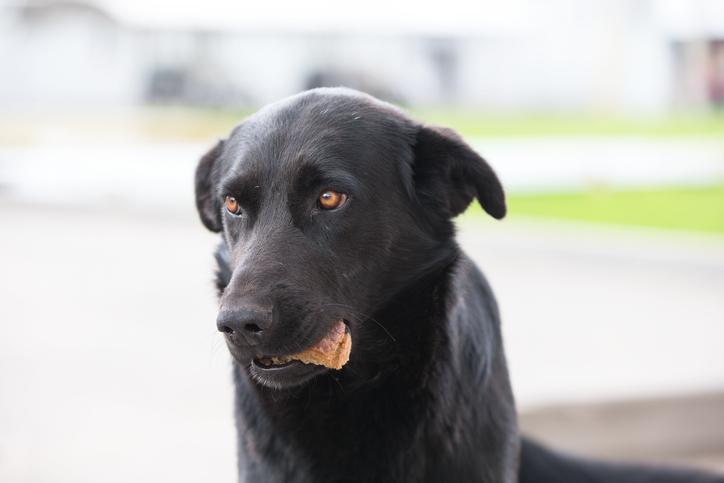
A dog hiding their food is a relatively common occurrence. A dog burying their bone in the backyard is perhaps one of the most famous traits in terms of hiding food. It is important to know that, for the most part, dogs hiding food is a normal behavioral trait. It is part of the canine instinct and is related to their wild ancestors who had to fend for themselves without the help of a human family.
However, a dog excessively hiding their food or becoming insecure about it can be worrying in the minority of cases. The most common reasons for a dog hiding their food include:
- Protect the food from others: one of the most common reasons why a dog thinks it necessary to hide their food is protection. Although we may feed all of our animals properly, dogs can worry that they have competition. If they leave their food sitting out, it is understandable another animal in the home may try to take it for themselves. Hiding it is their way of preventing this from happening. It happens most often in homes with multiple animals, especially if they are not sufficiently supervised. In these cases, the dog may also eat their food too quickly as they fear it will be taken away. Additionally, dogs with a history of food insecurity are more prone to this behavior.
- They value it more: it may be more common for your dog to hide treats than other types of food. This is because they view the treats as special and want to keep them safe. This is why they often bury bones since they are not everyday food items. Moreover, dogs might even hide toys or other valued objects in a similar manner, indicating a broader instinct to safeguard prized possessions.
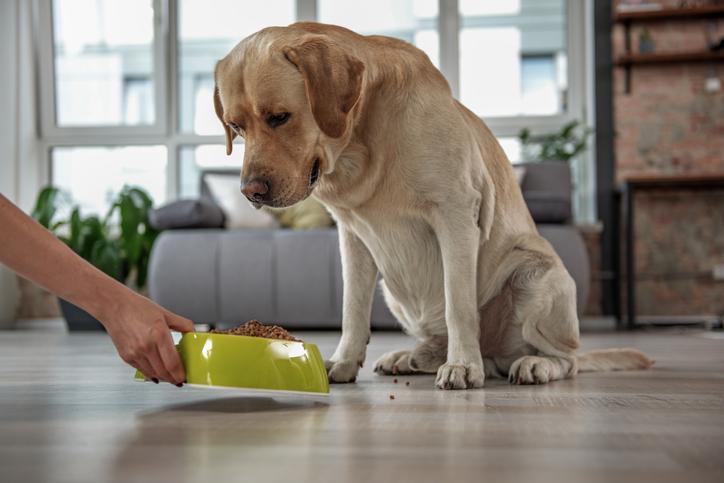
- Inappropriate environment: if the environment in which your dog eats is, in any way, inappropriate for them, they may hide their food out of stress. They do not feel secure in this area and, therefore, want to take it somewhere more secure. This happens when we place their food bowl in a noisy part of the home or somewhere there is a lot of foot traffic. It may be common for the dog to take the food to their bed since they see this as a safe haven. Different dogs have different needs to others, something we explore in our article on why does my dog only eat when I'm around? It should be noted that even subtle changes in the environment can trigger this behavior, such as rearranging furniture or introducing new pets.
- Inadequate diet: when the dog does not have proper nutrition, the dog may feel hungry. By hiding food in a different place or covering it over, they may be signalling to you they need more. It may not be the amount of daily food your dog is receiving. The nutritional composition of their food depends on their age and health status. For example, dogs with kidney disease will need a special diet to help reduce damage done to the body. Also, consulting with a veterinarian can help determine if there are any deficiencies that need addressing.
- Negative past experiences: when a dog has been neglected or traumatized in the past, it is often in the form of being denied food. This is the case with cats which have been abandoned. They may hide food because they have developed the habit out of necessity. In addition, dogs who have experienced such hardships may display other survival behaviors, like hoarding items or guarding resources.
- Play or boredom: finally, your dog may hide or bury the food simply because they are entertaining themselves. Also, if your dog spends a lot of time alone or does not do enough daily activity, boredom may be leading to this hiding food behavior. This behavior can also manifest in other forms of play, such as digging or chewing on furniture.
Should I be concerned if my dog is hiding food?
If your dog hides or buries food, but it is otherwise happy and healthy, there should be no problem. This is especially the case when they hide treats such as bones. However, we do recommend you find food if you can and throw it away in case it becomes rotten and they try to eat it. Rotting food can pose health risks, and it's better to prevent these risks by maintaining a clean environment.
As you can see from the above section, there are some reasons your dog hides their food which might be cause for alarm. In these cases, the impulse behind hiding food is due to feeling insecure about food as a resource. They either feel like it will be the last food they will be given or it will be taken away from them. You will need to find the underlying cause of such insecurity and treat it.
To do so, you will need to look at other symptoms or problematic behavior. For example, dogs which have suffered trauma may be nervous around strangers or develop destructive behavior. Another example of problematic behavior is excessive barking, especially if it happens all of a sudden. Additionally, pay attention to signs of anxiety or depression, such as changes in appetite or lethargy, which can indicate deeper issues.
We do need to acknowledge the difference between hiding food and food aggression in dogs. While the former might be benign, becoming aggressive over their food is a sure sign of an underlying problem, even if the reasons are related. Aggression can lead to dangerous situations, requiring prompt attention from a professional.

What to do if my dog hides food?
If you recognize any of the causes we have mentioned, do not worry. You should be able to solve this problem by following the appropriate guidelines:
- Separate animals at mealtime: if the dog is hiding food around the home because they fear another animal will eat it, then you should stop this from being a possibility. If their living companion steals their food, then separate them when eating. You can place the food in different rooms or even stagger the time they eat. In this way, you will make the dog feel more secure about the food they receive. This separation can also reduce stress and foster a more harmonious environment among your pets.
- Find a comfortable eating area: if the area where your dog eats is not pleasant for them (especially if they have an insecure nature), try placing your furry friend's food in a quiet area away from surrounding stressful stimuli. Consider factors like lighting, temperature, and proximity to other high-traffic areas, as these can also affect your dog's comfort.
- Change their diet and schedule: if your dog is hiding food, we need to ensure we are giving them the right food for their well-being. Larger dogs may need different food to smaller ones and the age of the dog is very important. For example, senior dogs will require different food thanks to their reduced capacity for movement. You should also try to comply with a feeding schedule which suits them best. Take the dog to the veterinarian if you are in any doubt and they can recommend the best diet for your dog. Regular check-ups can also help detect any underlying health issues early on.
- Environmental enrichment: if your dog lives in a stimulus-poor environment, with no objects or items to distract them while at home alone, it is natural for them to seek fun. Therefore, apart from making sure you spend enough time with them daily (walks, games, etc.), seek to enrich their home by adding durable toys such as a kong, hidden prizes around the house, or bones to gnaw on. Enrichment activities not only prevent boredom but also promote mental stimulation and overall well-being.
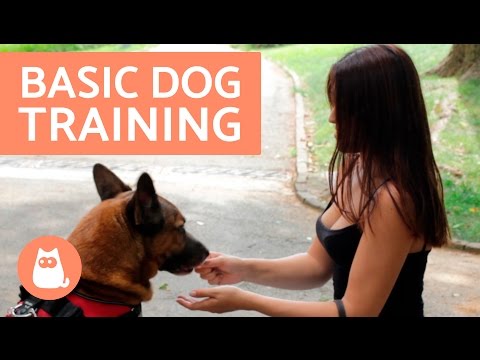
When we cannot solve behavioral problems, we need to take them to a professional. A dog trainer or canine ethologist will be able to examine the dog and find out what might be leading them to hide their food. We also need to ensure we educate the dog correctly. You can start by making sure you have provided their basic training which we detail in the video below:
If you want to read similar articles to Why Do Dogs Hide Food? - Reasons for Burying and Covering Food, we recommend you visit our Diet problems category.
- Food Guarding (ASPCA)
- Behavior Problems of Dogs (Merck Veterinary Manual)