My Dog Is Acting Weird After Flea Medicine

 Add us on Google

See files for Dogs
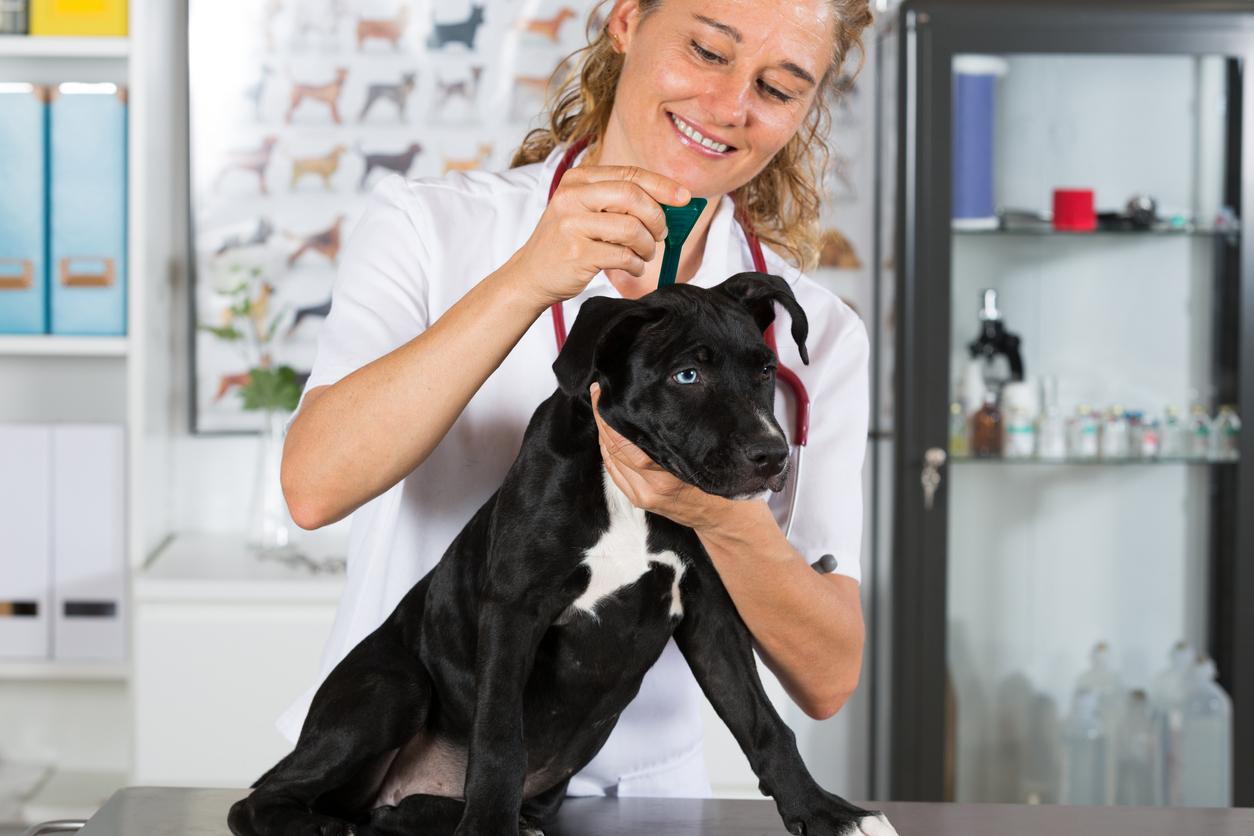
If you have had a dog in the home with fleas, you will know the importance of preventive flea medication. Fleas not only infest the dog, but they can travel and getting rid of them is a major hassle. Flea medicine can come in various forms, but is most effective when used in a pipette and administered between the shoulders. This way the medication can work effective on the dog's skin and coat, without harming the dog. The dog cannot reach this area to lick and, therefore, should not be able to ingest the medicine. Formulae for flea medication varies, but we need to observe our dog after treatment in case of any side-effects.
This AnimalWised article explores why my dog is acting weird after flea medicine. We look at the possibility of flea medication poisoning, what other factors may be at play and what we can do about it.
Is flea medicine for dogs toxic?
Flea and tick medication is designed to both prevent these parasites from attaching to the dog in the first place and to kill them if an infestation does occur. The active ingredients in the formulae for flea medication will depend on the type and brand, but they are all ectoparasiticides. This refers to the killing of external parasites such as fleas and ticks, something which will differ from treatment of internal parasites in dogs.
The type of product used may also affect which type of ectoparasiticide is used. While pipettes of liquid flea and tick treatment are usually the most effective, we can find these types of pesticides in shampoos, dog collars and other canine hygiene products. They are lethal to insects, but not to dogs because canines are able to process the toxin much more quickly.
The types of ectoparasiticides used in flea and tick medication for dogs include:
- Pyrethrins: a class of organic compounds usually derived from chrysanthemum plants. They are used in various types of insecticides, but have been useful in killing mosquitoes, fleas, and ticks on companion animals. Pyrethrins are considered relatively safe for dogs when used correctly.
- Pyrethroids: similar to pyrethrins and also from chrysanthemum plants, this is used in dog flea medication, but is toxic to cats. Care should be taken to avoid cross-contamination in multi-pet households.
- Organophosphates: can be used in flea collars, but are not common in pipettes due to higher toxicity. These require careful handling and should only be used if specifically recommended by a veterinarian.
- Indoxacarb: this is a pesticide used in flea treatment for dogs and cats. It is particularly useful for Lepidoptera larvae, which includes flies and fleas. Indoxacarb is known for its targeted action and lower toxicity profile.
- Fipronil: a broad-spectrum insecticide used in some of the most common pet products, including Frontline for dogs. Its toxicity is considered low in topical uses, but inhalation and ingestion can increase its effects. Fipronil helps in controlling fleas and ticks effectively.
Whether or not the ectoparasiticide is toxic to your dog will depend on the type of product and how much is ingested. Some, such as pyrethroids, are generally stronger. However, a dog is unlikely to ingest it. For example, permethrin is often used in medicated flea shampoos for dogs, but the dog will be unlikely to want to eat it. Additionally, when being used, we should be controlling their behavior to prevent ingestion.
The reason why a dog might be feeling weird after flea medicine is because it was improperly used. Below we look at how this might happen and what precautions can be taken to avoid such situations.
Why dogs feel weird after flea medicine
Most dogs won't feel weird after being given flea medication. It is generally very safe and recommended by veterinarians with very few exceptions. However, there are times when a mistake may be made or a problem experienced when administering the pipette:
- Allergies: dogs can have allergies to almost anything. Allergens can be found in food, cleaning solutions, and other products found in the home. Even the wrong allergy medication can be bad for dogs. We won't generally know if a dog is susceptible to an allergen until they have come across it. The ingredients in a flea medicine can be an allergen to certain dogs and behaving weird could be due to an allergic reaction. Watch for signs such as itching, redness, or swelling after application.
- Wounds: if the dog has a wound on their skin near where the pipette has been administered, it is possible the toxicity can cause a reaction. The medication will spread throughout the skin of the dog, but if it comes in contact with an exposed wound it can get into the blood stream. This might lead to systemic effects that could be harmful.
- Wrong flea treatment: another reason a dog may feel weird after flea medicine is because they were given the wrong type. Different flea treatments are suitable for different dogs. If you give flea treatment designed for a large dog to a small one, it may cause serious problems. Each treatment should be prescribed by the veterinarian and calculated for their individual health status, size, weight, and age. Giving your dog the wrong flea medication may lead to poisoning. Always follow your veterinarian's advice carefully and read the labels thoroughly.
- Ingestion: if the flea medicine has been put on the wrong place, it is possible the dog will lick the area and accidentally ingest it. Although the dog won't want to eat it, they may be grooming themselves and think they need to get rid of it. Many dogs will also choose non-organic objects, so if they are able to take off their own flea collar and start to chew it, they may ingest some of the medicine. Proper placement of the medication can prevent this issue.
We should, however, be clear on what is weird behavior for the dog. Our article on weird things dogs do will help you work out what is related to flea medicine and what is simply common strange canine behavior. Recognizing normal behaviors can help in identifying potential issues quickly.

Flea medicine for dogs side effects
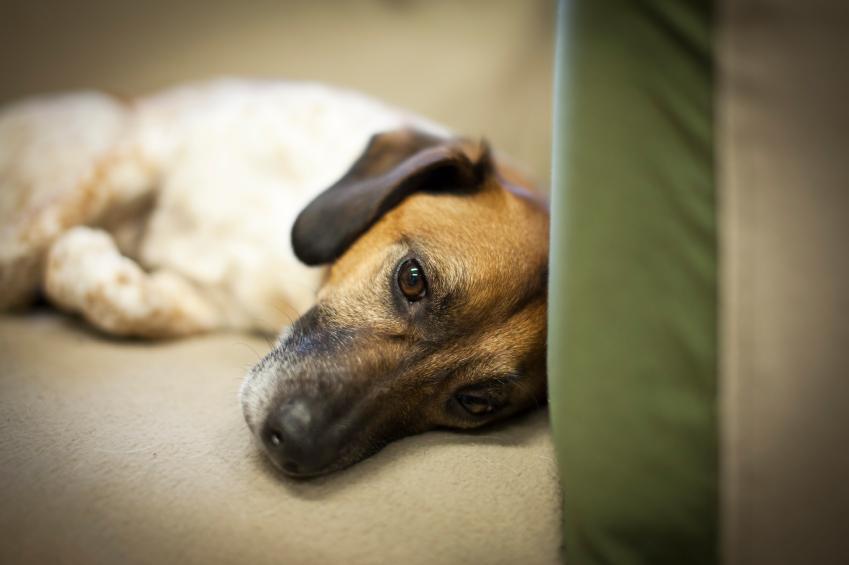
Your dog acting weird after flea medicine can manifest in different ways. They may become restless and start to walk around the home aimlessly. They may look like they are freaking out, but this is usually due to their confusion at other symptoms.
What symptoms they will display due to poisoning from flea treatment will depend on the reason for the adverse reaction. For example, poisoning from ingestion may cause more gastrointestinal problems than an allergic reaction. There are, however, many shared symptoms, regardless of how the intoxication occurs. Additionally, some dogs might exhibit unique reactions based on their individual sensitivity to the medication.
After receiving flea medication, in addition to acting weird, your dog may have:
- Excess salivation
- Fever
- Vomiting
- Diarrhea
- Tremors throughout the body
- Hyperactivity or nervousness
- Fatigue
- Tingling
- Numbness of the limbs
- Excessive urination or loss of bladder control
- Short or fast breathing
- Hypothermia
- Cramps
- Asthma
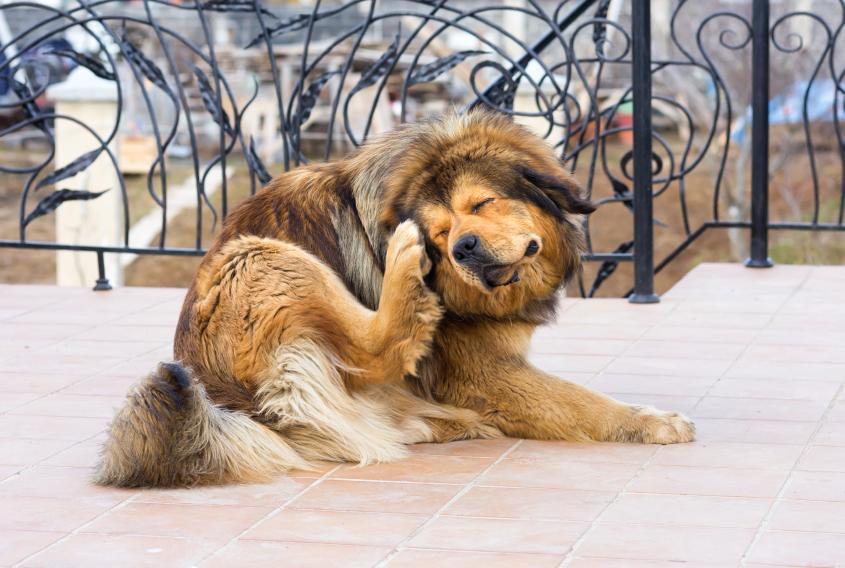
- Itching
- Red skin or rash
- Abnormal pupil dilation
- Seizures
These symptoms will appear usually a few hours after the flea medicine has been administered. We will need to be around and spend time with the dog during this period just in case an adverse reaction occurs. Being attentive can help in providing timely intervention if complications arise.

Treating flea medicine toxicity in dogs
If you think your dog's weird behavior is due to toxicity from their flea treatment, you will need to take them to the veterinarian immediately. They will be able to assess the dog, create an accurate diagnosis and begin the appropriate treatment. However, there are some things you can do in the meantime to help the dog's recovery:
- Remain calm: losing control will prevent you from thinking clearly. In addition, the dog will notice your state of agitation and this will only cause them more nervousness. Remaining composed can help in managing the situation more effectively.
- Do not give milk or oil: some claim that poisoning in dogs can be remedied by giving the dog milk or cooking oil, but this is not true. It does not prove any effectiveness and can be counterproductive. It can help accelerate the absorption of the toxins and cause their reaction to worsen. Instead, focus on keeping the dog comfortable and hydrated.
- Vomiting: you should not try to make the dog vomit unless your veterinarian advises you to. If they do, they may suggest giving a solution of hydrogen peroxide and water, but this can be very dangerous if not administered correctly. It's crucial to follow veterinary guidance exactly to avoid causing more harm.
- Allergic skin reaction: if the poisoning has been caused by contact with the skin, clean the area but do not bathe the dog. Researchers have claimed that soaps and shampoos can accelerate the penetration of the pipette into the animal's skin. Utilize clean water to gently cleanse the affected area.
- Provide information: when you go to the vet, remember to bring the box of the product you used. Also, explain what happened and any symptoms which have presented. Detailed information can aid in quick and accurate treatment decisions.
If you act quickly and properly, your dog should recover. Death from flea treatment toxicity is relatively rare, but poisoning can be common. Do everything you can to protect your dog by administering deworming products properly and follow the advice of your veterinarian. Regular check-ups and consultations with the vet can help in preventing such issues in the future.
To know more about preventive care for your dog, take a look at our articles on how long after flea treatment can you bathe a dog or whether you should bathe your dog after vaccination. These precautions can ensure your pet remains healthy and safe from potential risks.
This article is purely informative. AnimalWised does not have the authority to prescribe any veterinary treatment or create a diagnosis. We invite you to take your pet to the veterinarian if they are suffering from any condition or pain.
If you want to read similar articles to My Dog Is Acting Weird After Flea Medicine, we recommend you visit our Other health problems category.