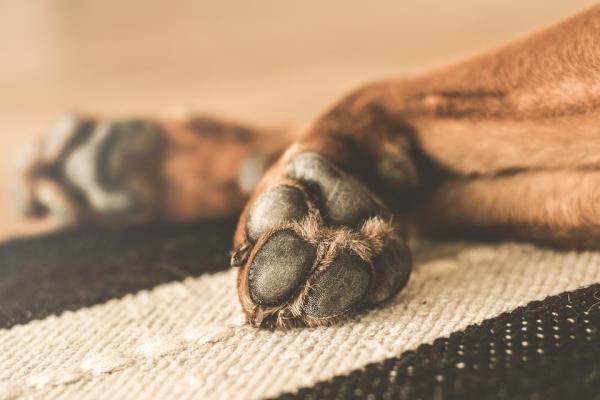
Why Does My Dog Keep Licking their Paws?


See files for Dogs
Have you asked yourself this question more than once? Perhaps you have given it little importance, since in many cases there is no significant problem related to this behavior.
Yet, sometimes their licking can become excessive and can cause secondary injuries. Their vigorous grooming and persistent licking can indeed lead to complications.
Luckily, AnimalWised is here to provide a detailed answer to: Why does my dog keep licking their paws?
Dogs have sweat glands on their paws
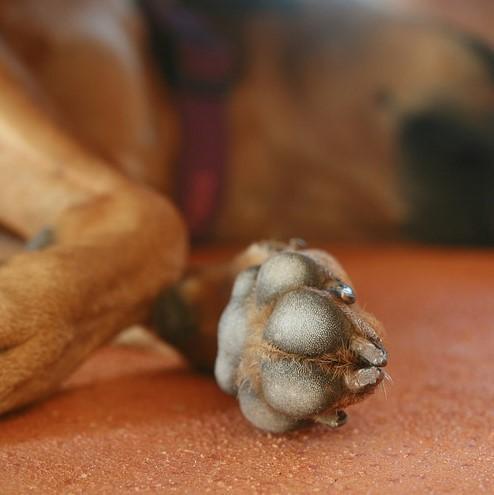
Before you find out why your dog licks their paws so often, it is important to first know that these paws contain sweat glands. Dogs sweat through different parts of the body, but one of them is their paws.
The main function of these sweat glands is thermoregulation, helping to regulate body temperature. They also have an odoriferous component, producing substances that are broken down by bacteria present on the skin's surface. These secretions give dogs (and cats) a characteristic smell, which is why these animals also mark territory with their paws.
In addition to aiding in temperature regulation, the sweat glands play a role in providing a unique scent profile for each dog, which is crucial for social interactions and territory marking.

Licking paws in hot or cold temperatures
In extreme cold climates, secretions from the sweat glands can form small crystallites, causing discomfort in dogs. For instance, breeds like the Siberian husky and the Alaskan malamute have developed fewer sweat glands on their paws to adapt to cold environments, reducing these issues through selective breeding.
Sometimes, the issue isn't with the glands themselves, but with the skin of the paws cracking due to cold air. Walking on icy or rough terrain can lead a dog to lick their paws compulsively.
On very hot and humid days, it is recommended to soak a dog's paws, as this helps regulate body temperature. This practice cleanses the paws, removing eccrine and apocrine secretions, allowing the sweat glands to function effectively.
To explain more simply, your dog's body tries to produce a secretion that helps lower its temperature. However, if these secretions build up, they can create a 'plug' effect, causing itching and intense discomfort that your dog tries to alleviate through licking.
How to prevent your dog from licking their paws
If your dog has sensitive paws and will be exposed to extreme temperatures, it would be advisable to use some protective products. These products, often in the form of a varnish applied to the paws, typically combine acids with plant extracts such as Aloe vera or Asian Centella.
Conversely, on particularly hot days, it is advisable to cool your dog by frequently soaking their paws in fresh water. This not only encourages thermoregulation but also clears away substances that might hinder the sweat glands' proper functioning.

Malassezia pachydermatis
Malassezia pachydermatis is a yeast found throughout a dog's body, with higher concentrations in the paws, especially between the toes.
If your dog suffers from a yeast overgrowth due to allergies to pollen, food, stress, etc., the first symptom might be excessive paw licking. This can lead to a significant increase in Malassezia and the subsequent invasion of opportunistic bacteria.
Dogs with lighter coats often develop an orange tint around their paws due to constant licking, which causes discoloration.
How to treat Malassezia-related paw licking
It's crucial to address the underlying cause of yeast overgrowth and either eliminate or control it. Meanwhile, the fungal population can be managed with daily baths using diluted non-soap chlorhexidine. This should stay in contact with the pads for 10-15 minutes a day (chlorhexidine works by contact time). Additionally, keeping the areas as dry as possible is beneficial, since fungi and yeast thrive in moist environments.
On occasion, your veterinarian might recommend ointments containing miconazole or clotrimazole if your dog resists soaking their paws.

Licking because of trauma
Sometimes, dogs will persistently lick their paws due to a traumatic cause, such as stepping on a sharp object. This is concerning because it often leads to an infected limb.
In summer, thorns or similar objects can easily puncture their paws, especially in breeds with thick fur like the cocker spaniel. The dense hair can make it difficult to notice these foreign objects. Once they penetrate the interdigital skin barrier, they can cause pain, lameness, or constant licking of the area to ease discomfort.
Regularly checking your dog's paws during summer and trimming hair in that area is crucial. If you find something lodged in your dog's paw, remove it carefully and apply some antiseptic. Avoid aggressive or irritating solutions, using something like iodine diluted in saline solution. If you're unsure about the process, consult your vet.
In addition to checking for foreign objects, it's important to regularly inspect your dog's paws for cuts, abrasions, or other injuries that might not be immediately visible due to their fur. Addressing these minor injuries promptly can prevent them from becoming more serious issues.

Compulsive behavior
If you have ruled out the aforementioned problems, it might be a case of compulsive behavior, also known as a stereotypy. This disorder is characterized by repetitive behavior that seems to have no clear purpose.
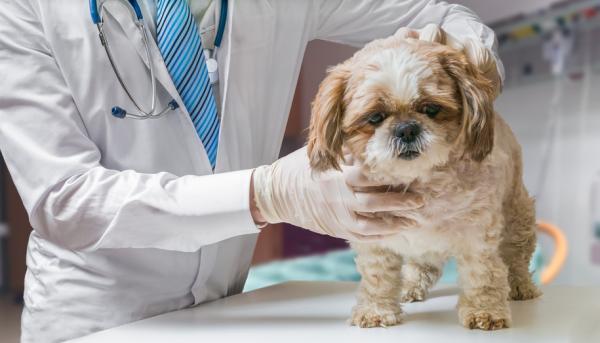
If you suspect your dog is suffering from a stereotypy, it is essential to review the five freedoms of animal welfare. Additionally, consider consulting a specialist, such as an ethologist, a veterinarian specializing in canine psychology.
Consulting with an ethologist can provide insights into your dog's behavior and help develop strategies to reduce stress and improve their overall well-being.
By understanding and addressing the root causes of compulsive behaviors, you can help your dog lead a happier and more comfortable life.

This article is purely informative. AnimalWised does not have the authority to prescribe any veterinary treatment or create a diagnosis. We invite you to take your pet to the veterinarian if they are suffering from any condition or pain.
If you want to read similar articles to Why Does My Dog Keep Licking their Paws?, we recommend you visit our Other health problems category.