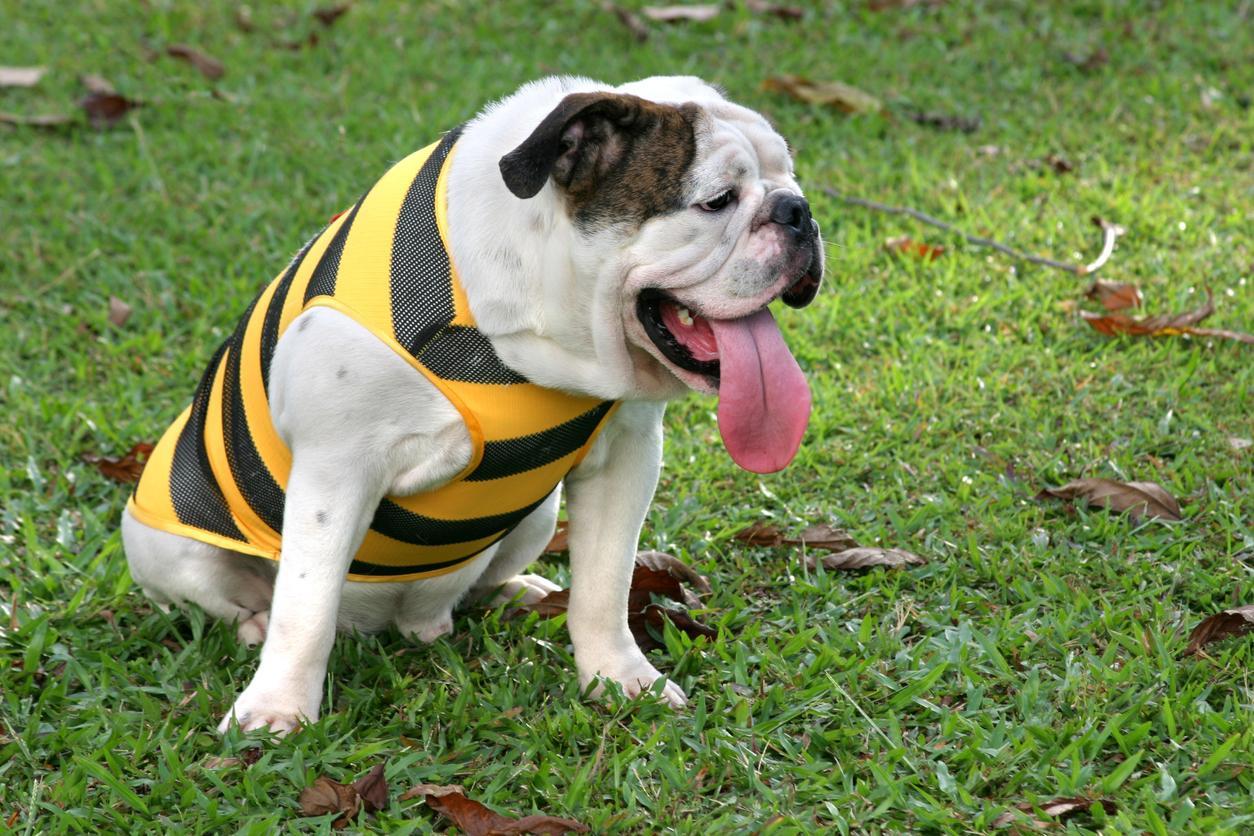
My Dog Keeps Sticking Their Tongue Out

 Add us on Google

See files for Dogs
A dog's tongue is a muscle which performs various crucial functions. As with any muscle, it functions efficiently with regular exercise. Some of us may think our dog exercises their tongue excessively. Dogs stick their tongue out for various reasons, and it is rarely without purpose. Often, this behavior is normal, especially considering the dog's morphology. However, there are instances when a dog may stick their tongue out more than usual. You might wonder if they are thirsty or too hot, but some may worry it signals a health issue.
At AnimalWised, we explain why my dog keeps sticking their tongue out. We provide the reasons healthy dogs perform this behavior and when it might be a sign the dog is unhealthy.
Why do dogs stick out their tongues?
To help us understand why our dog is sticking out their tongue frequently, we need to consider a part of the dog's physiology known as the anatomical dead space of the airways. The dead space is a section of their airways where gas exchange does not occur. The air occupying this space does not reach the alveoli. This dead space is particularly significant for canines.
Dogs lack sweat glands in most of their skin, except on their paw pads. This absence of sweat glands means they do not lose much heat through sweat evaporation, necessitating alternative ways to regulate their body temperature.
Physiological cause: thermoregulation
The primary method for a dog to lower their body temperature when hot is through panting, i.e., accelerated shallow breathing. When a dog pants, their mouth opens and their tongue sticks out. This allows for increased moisture evaporation from the upper respiratory tract and the elimination of body heat. Ventilation of the dead space is facilitated with the mouth open and tongue out.
To enhance moisture evaporation to regulate temperature, there is an increase in salivation and vasodilation of the oral and respiratory tract mucosa. Although it may seem like your dog's respiration increases during panting, it is important to distinguish panting from hyperventilation. The air mobilized by this mechanism circulates only in the dead space, not in the lungs.
Essentially, panting is a physiological response in dogs that can be triggered by an increase in environmental temperature, physical exercise, or intense emotions. Additionally, panting may occur when dogs experience excitement or anxiety, highlighting its role in emotional regulation.
Pathological reasons dogs stick out their tongues
When panting lacks an obvious physiological cause like those discussed above, there may be an underlying disease responsible for this behavior.
- Heat stroke: a serious increase in body temperature occurs due to excessive ambient temperature or very high humidity. With a humidity of 80%, the panting mechanism loses its effectiveness, as evaporation in the respiratory tract is hindered. In these cases, we can observe excessive and persistent panting, with the dog sticking their tongue out as if they were thirsty.
- Fever: when the fever enters its decline phase (lowering), mechanisms are initiated to lower body temperature, including panting. This occurs as the body attempts to cool down through moisture evaporation.
- Pain: any process that is causing pain or discomfort in your dog can result in panting, as the body reacts to stress.
- Obesity: being overweight can cause abnormal panting in your dog for various reasons. Excessive weight necessitates greater physical effort and can result in joint pain. Additionally, excess adipose tissue contributes to increased body temperature.
- Laryngeal paralysis (congenital or acquired): this is a neurogenic alteration of the dorsal cricoarytenoid muscle that prevents the cartilages of the larynx from opening properly when breathing in to allow air to pass. One of the first signs that will appear with this pathology will be excessive panting.
- Breed predisposition: brachycephalic dog breeds such as the English and French Bulldog, Pug, Pekingese, Boston Terrier, or Shih-Tzu are predisposed to suffer from Brachycephalic Syndrome. The conformation of the airways of breeds with an excessively short snout prevents proper ventilation through the nostrils. In turn, this forces these animals to breathe through the mouth. The Labrador and Golden Retrievers are not brachycephalic, but they have a breed predisposition to suffer from acquired laryngeal paralysis.
- Cushing syndrome (hyperadrenocorticism): panting is a symptom of this condition even during rest. Although the specific cause is unknown, it appears related to weight gain, muscle weakness, diaphragmatic pressure caused by hepatomegaly, and the direct effect of glucocorticoids.
- Anemia: red blood cells are responsible for transporting oxygen in the blood. In anemic animals, there is a lack of oxygen in the tissues (tissue hypoxia), which stimulates panting and an increase in respiratory rate to try to compensate for the oxygen deficit. This condition requires prompt veterinary assessment to address the underlying cause effectively.

Why does my puppy keep sticking out their tongue?
If your puppy frequently sticks out their tongue and you don't know why, these are the possible causes:
- Anxiety, stress, fear, and phobias: puppies tend to have a particularly nervous and impulsive character. It is common for panting to appear in new situations which cause insecurity. This is heightened if the puppy has had a poor socialization period. Puppies are especially sensitive to changes in their environment, which can trigger stress-induced panting.
- Congenital laryngeal paralysis: primarily in breeds such as Bouvier de Flanders, Siberian Husky, Bull Terrier, or Dalmatian. This condition can result in breathing difficulties, making panting more pronounced.
Additionally, any of the causes mentioned in the previous section may cause panting in a puppy. It will be especially important to prevent heat stroke in puppies, as their thermoregulation system is less efficient than in adult dogs. Puppies are more vulnerable to temperature extremes, so taking preventive measures is crucial.
What to do if my dog sticks his tongue out a lot?
First of all, we need to consider whether the dog sticking out their tongue is part of their normal breathing mechanism. There is a difference between a dog sticking out their tongue a lot all of a sudden and a behavior they have carried out all their lives. If your dog is a brachycephalic breed or a breed with a predisposition to panting, then we need to determine if the problem is pathological.
If you are ever in doubt as to why the dog is sticking their tongue out excessively, you should take them to a veterinarian. They will achieve the diagnosis and administer the correct corresponding treatment. Such treatments are likely to include:
- Heat stroke: the most important thing is to prevent it from occurring by avoiding direct exposure to the sun during the hottest hours of the day, providing fresh water, and giving access to shaded areas. Under no circumstances should you leave your dog inside a car in summer, as it is one of the main causes of heat stroke in dogs. It requires immediate veterinary attention to avoid the development of disseminated intravascular coagulation, circulatory shock, multi-organ failure, and death of the dog.
- Fever or pain: in both cases, it will be necessary to determine the cause that is producing them in order to treat them effectively.
- Obesity: providing a diet appropriate to the age, breed, and physiological state of our dog, as well as ensuring a regular exercise pattern, will be the keys to avoid becoming overweight. Obesity management can help improve overall health and reduce panting.
- Laryngeal paralysis: whether the pathology is congenital or acquired, the treatment is surgical. Early intervention can significantly improve a dog's quality of life.
- Breed predisposition: the maintenance of breed standards that respect animal welfare above physical appearance should be the basis of responsible animal husbandry. Therefore, animals with anatomical defects that have a direct impact on the health and well-being of the animal should not be selected as breeders. Ensuring ethical breeding practices can help reduce health issues in future generations.
- Cushing syndrome: it will be treated with trilostane (if it is a pituitary Cushing) or by adrenalectomy (if it is an adrenal Cushing). Accurate diagnosis is essential for effective treatment management.
- Anemia: the treatment will vary depending on the type of anemia that the animal presents. Identifying the underlying cause of anemia is crucial for successful treatment.
Overall, understanding your dog's behavior and health needs can significantly contribute to their well-being. Regular veterinary check-ups and attentive care can help ensure your dog remains happy and healthy.
This article is purely informative. AnimalWised does not have the authority to prescribe any veterinary treatment or create a diagnosis. We invite you to take your pet to the veterinarian if they are suffering from any condition or pain.
If you want to read similar articles to My Dog Keeps Sticking Their Tongue Out, we recommend you visit our Other health problems category.
- Cunningham, J. G., & Klein, B. G. (1999). Thermoregulation. Veterinary Physiology (pp. 639-650). Elsevier Saunders.
- García, A. (2018). Control and regulation of body temperature. Veterinary Physiology (pp. 1015-1027). Editorial Tebar Flores
- Nelson, R. W., & Couto, C. G. (2010). Small animal internal medicine . Elsevier