Cleaning your Cat's Ears: Step by Step Guide


See files for Cats
The cat is an extremely clean animal that can spend many hours preening itself; it is also an exceptional pet that retains its hunting instinct, and it is an independent explorer on top of it all. For all these reasons you may sometimes think that a cat needs less care than a dog, but this is a serious mistake, as cats can develop many different diseases.
A suitable diet as well as a good hygiene routine will keep your pet in optimal health. Among the healthy habits you must work on, we have to highlight ear hygiene, as it can be the gateway for multiple pathogens. Therefore, cleaning your cat's ears is extremely important.
If you don't have experience in the matter, cleaning a cat's ears can look too difficult. Don't worry - in this AnimalWised article we'll give you a step by step guide.
Steps to follow:
The first and most important thing when cleaning a cat's ears is to avoid stressing it out; otherwise it will associate this routine as something negative and it will never be an easy task. Instead, you will find the ear cleaning process becomes increasingly difficult both for you and your pet.
How can you reassure your cat?
Begin with cuddles and a gentle tone of voice. Get your cat to interpret your gestures as if it were a game so that it relaxes completely.
Your cat must be in a specific position to begin cleaning its ears. If it is a kitten, place it on your lap; with adult cats, it is better to place it on a bench or table at your height.
Is it impossible for your cat to calm down?
If none of the previous works, you can always opt for a different strategy by using natural tranquilizers for cats. These can include herbal remedies or pheromone diffusers, which are often effective in creating a calming environment.
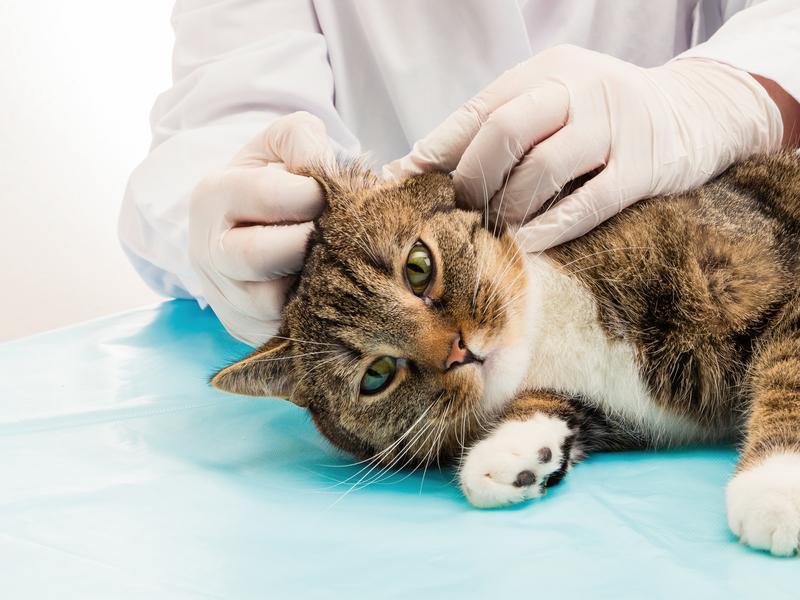
The second step is to check your cat's ears as it is always very important for owners to be attentive to any signs or symptoms that can indicate the presence of a disease.
The presence of parasites, excessive wax, a foul smell, scabs or wounds may indicate a disease, such as otitis or an ear infection. When faced with these signs it is definitely recommended to go to the vet as soon as possible.
On the contrary, the absence of these signs together with a pale pink ear canal indicates a good state of health.
It should be noted that regular checks can prevent more serious health issues down the line, enabling prompt treatment and care. For example, early detection of ear mites can prevent discomfort and further complications.

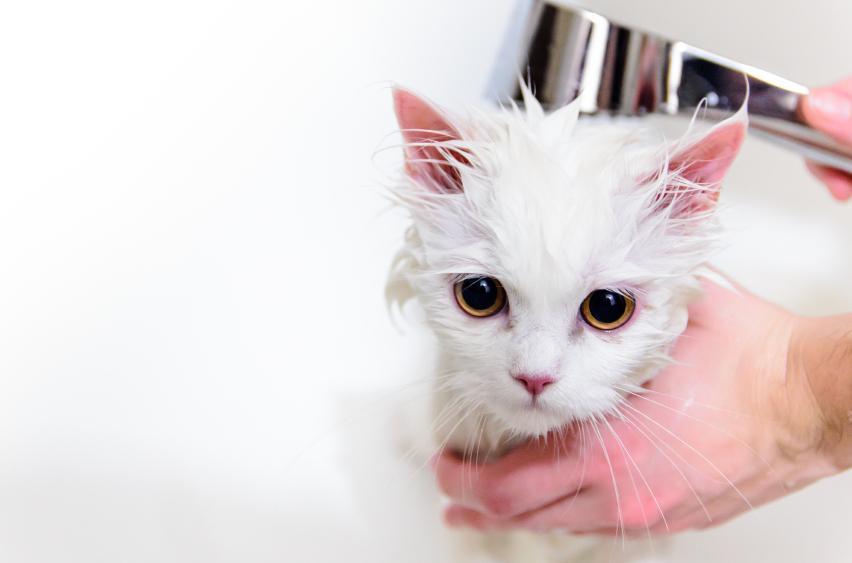
To start cleaning a cat's ears, begin on the outside. You'll only need one damp towel and the cleaning products that you usually use for its bath. Of course, this must be a specific soap for cats.
With the towel and the soap, clean the external and furry part of the ear, subsequently removing any detergent residue that has been left behind. This step helps in maintaining the cleanliness of the outer ear and preventing any buildup of dirt that might lead to infections.

Cleaning the inner ear must be carried out with extreme caution in order not to damage the structures of the auditory pavilion. You will only need some cotton gauze, preferably sterile.
Roll the gauze around your finger and very gently introduce it into the ear canal to remove the wax and clear the ear canal. That's it!
There is another alternative: specific aural cleaners for cats, which possess a comfortable applicator and dissolve the wax. These products are designed to maintain the delicate balance of the ear's natural flora, ensuring that your cat's ears stay healthy.

To keep your cat's ears in perfect condition you should repeat this procedure once every two weeks. To prevent any complications when you go to bathe your cat, you should plug its ears with two balls of cotton. This way you will avoid water entering, which could cause damage to the ear canal.
Moreover, regular cleaning not only prevents infections but also helps you bond with your pet, making it accustomed to being handled gently.

If you observe any anomalies, it is essential to go to the vet and identify whether it is a disease, or a problem that needs to be looked at. Some signs of health problems may be the presence of dark wax, a yeast-like smell or the appearance of parasites.
In this regard, maintaining regular veterinary check-ups is crucial for early detection and treatment, ensuring your cat's well-being. Additionally, a vet can provide guidance on the best products to use for ear cleaning, tailored to your cat's specific needs.

If you want to read similar articles to Cleaning your Cat's Ears: Step by Step Guide, we recommend you visit our Ear care category.