Dog Heat Cycle Stages and Symptoms


See files for Dogs
The sexual and reproductive cycles of female dogs are completely dissimilar to the hormone cycles that govern sexuality and reproduction in humans. It is important to understand this before continuing.
This article explains the heat cycle in a female dog, how long it lasts and at what moment your pet is fertile. We will also take a look at some hormonal changes that can cause aggression, whining, or general discomfort.
Read on to learn everything about dog heat cycle stages and symptoms in this AnimalWised article.
Symptoms of heat in a female dog
Female dogs also experience a period of vaginal bleeding. The first period occurs between 6 months and 1 year of age, although this always depends on the breed. In some large dog breeds, the first heat might not appear until they are 2 years old.
Generally, this dog heat cycle bleeding appears 2 times per year, once every 6 months. Keep in mind that this period differs from dog to dog and can depend on age or diet.
Sometimes it can be hard to notice in female dogs that clean themselves frequently. However, if you look closely, you will see that their vulva is swollen and is releasing a bloody discharge. This stage of bleeding is known as proestrus and lasts for 6 to 11 days: your dog is not fertile at this time.
The arrival of the first heat is an indicator of the onset of sexual maturity and can vary greatly according to the size of the dog. In general, we observe it occurring in the following months of life:
- Small dogs: between 6 and 12 months
- Medium and large dogs: between 7 and 13 months
- Giant dogs: between 16 and 24 months
Heat indicates that the dog is sexually receptive. However, it's important to remember that the onset of heat does not mean that a dog is ready for gestation. At this stage, they are considered "young" and still developing. Attempting gestation can lead to complications in childbirth.

Duration of the heat
The fertile phase, also known as estrus, occurs after the period of bleeding. This phase indicates that the dog is in a period of fertility.
It's normal for their behavior to change; they may become restless and very eager to go outside. During this stage, if you don't want your dog to become pregnant, you should carry them in your arms or a carrier to a safe place where males cannot reach them. This stage lasts between 5 and 15 days and can also be noticed by increased urination frequency.
It is unwise to mate your dog if she hasn't yet gone through at least 2 complete heat cycles. Otherwise, you could endanger both her pregnancy and her puppies' health.
Additionally, during estrus, some dogs may show increased vocalization or clinginess as they seek attention and companionship. It's crucial to monitor these behavioral changes to ensure the dog is comfortable and stress-free during this critical period.

Phases of the estrous cycle - in more detail
1. Proestrous
This stage can be somewhat complicated to detect occasionally, especially in those dogs that produce little bloody discharge. It usually lasts between 3 and 17 days, and at this stage, the dog is not fertile.
We can see an inflamed vulva that emits a sanguinolent secretion, more or less diluted. The dog may frequently lick her genital area and show increased eagerness to leave the home. In some cases, they may exhibit sexual behaviors.
2. Estrus
The fertile stage follows proestrus, during which the dog is receptive to mating. It lasts similarly to the previous phase, approximately 3 to 17 days.
At this point in the cycle, it is very common for the dog's behavior to change. She may become particularly affectionate and predisposed, restless, and eager to explore. On walks, she may stop frequently to attract males in the area and urinate more often, trying to leave as many pheromones as possible.
The initial stage of estrus is when she is most fertile, so extra attention is needed if avoiding pregnancy is the goal.
3. Diestrus
The diestrus stage commonly lasts 58 to 63 days in a pregnant female and 60 to 90 days in a non-pregnant female. This duration depends directly on whether fertilization has occurred, leading to gestation, delivery, and lactation. During this stage, the dog rejects a male's advances, eats abundantly, and her behavior stabilizes.
Due to genital stimulation that can occur in the vagina or the breasts, if the dog has not become pregnant, she may develop a false pregnancy, directly related to elevated hormonal production.
4. Anestrus
In the case of pregnant dogs, diestrus ends with childbirth, transitioning to anestrus, the period of sexual inactivity. On the other hand, non-pregnant dogs show no obvious signs of the transition from the previous phase to this one.
Anestrus typically lasts about 4-5 months and provides a rest period after delivery, allowing the dog's body to recover properly. After this time, the non-fertile bleeding mentioned at the beginning, proestrus, will recur.

Hygiene products for the heat cycle
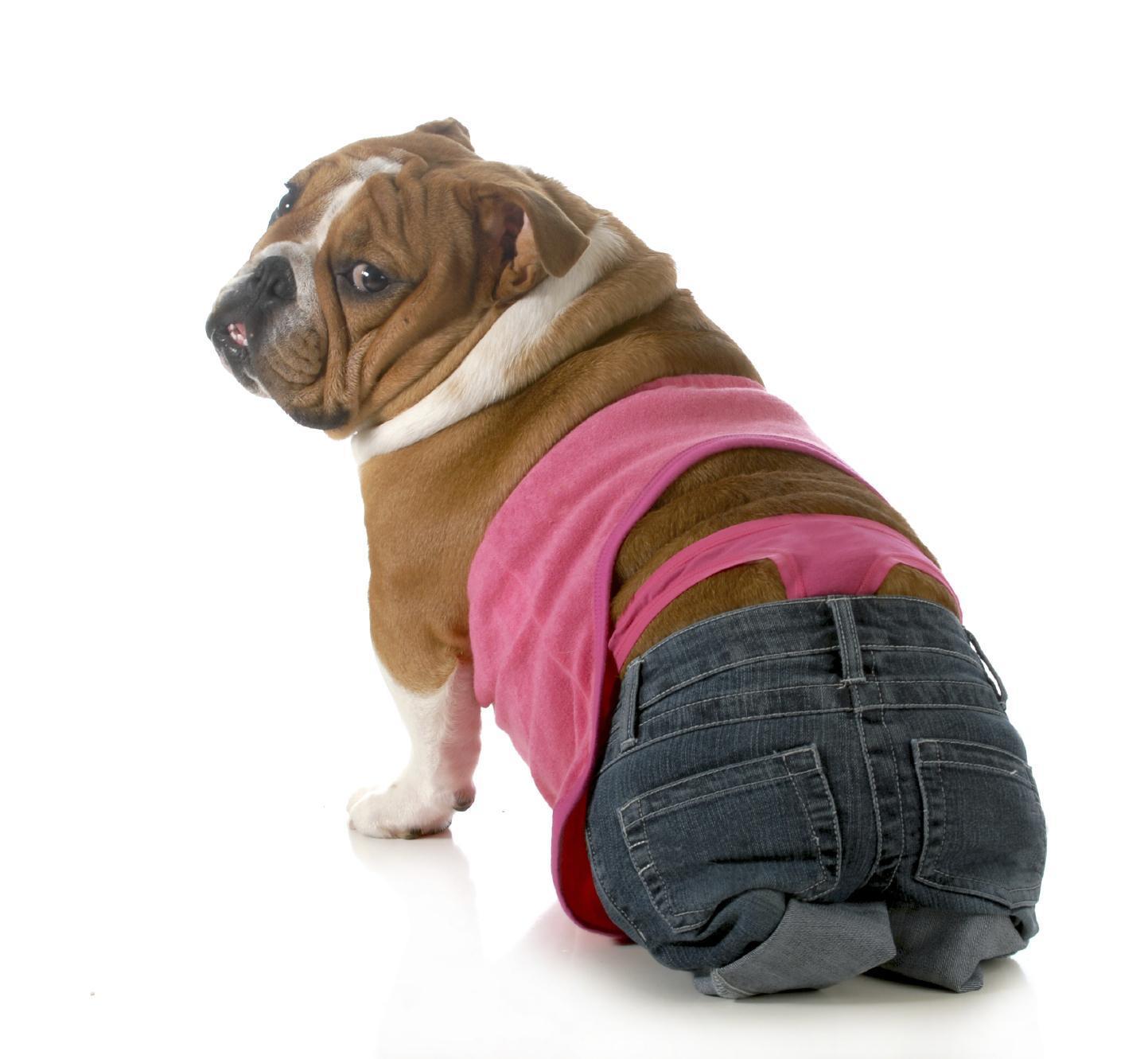
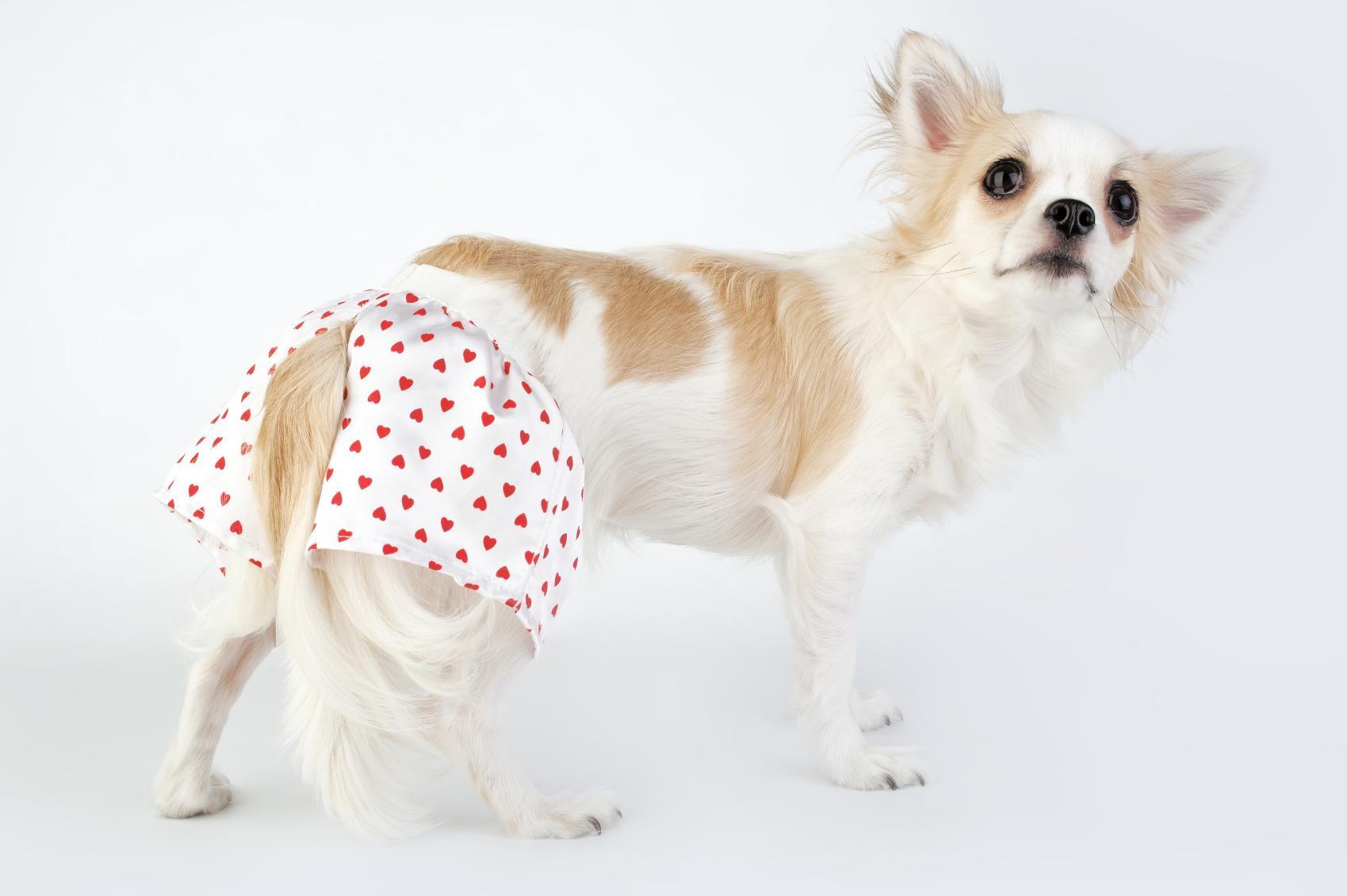
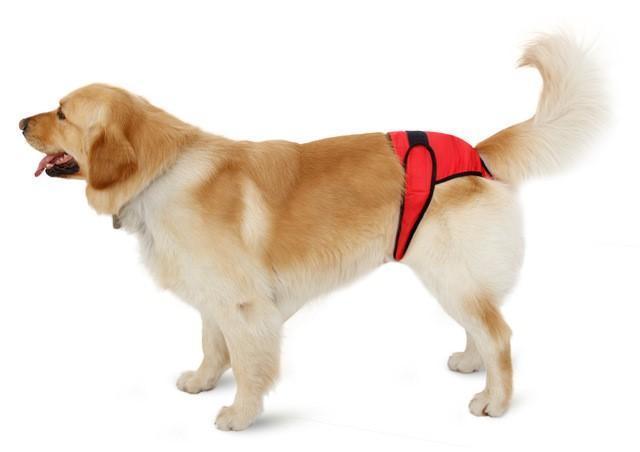
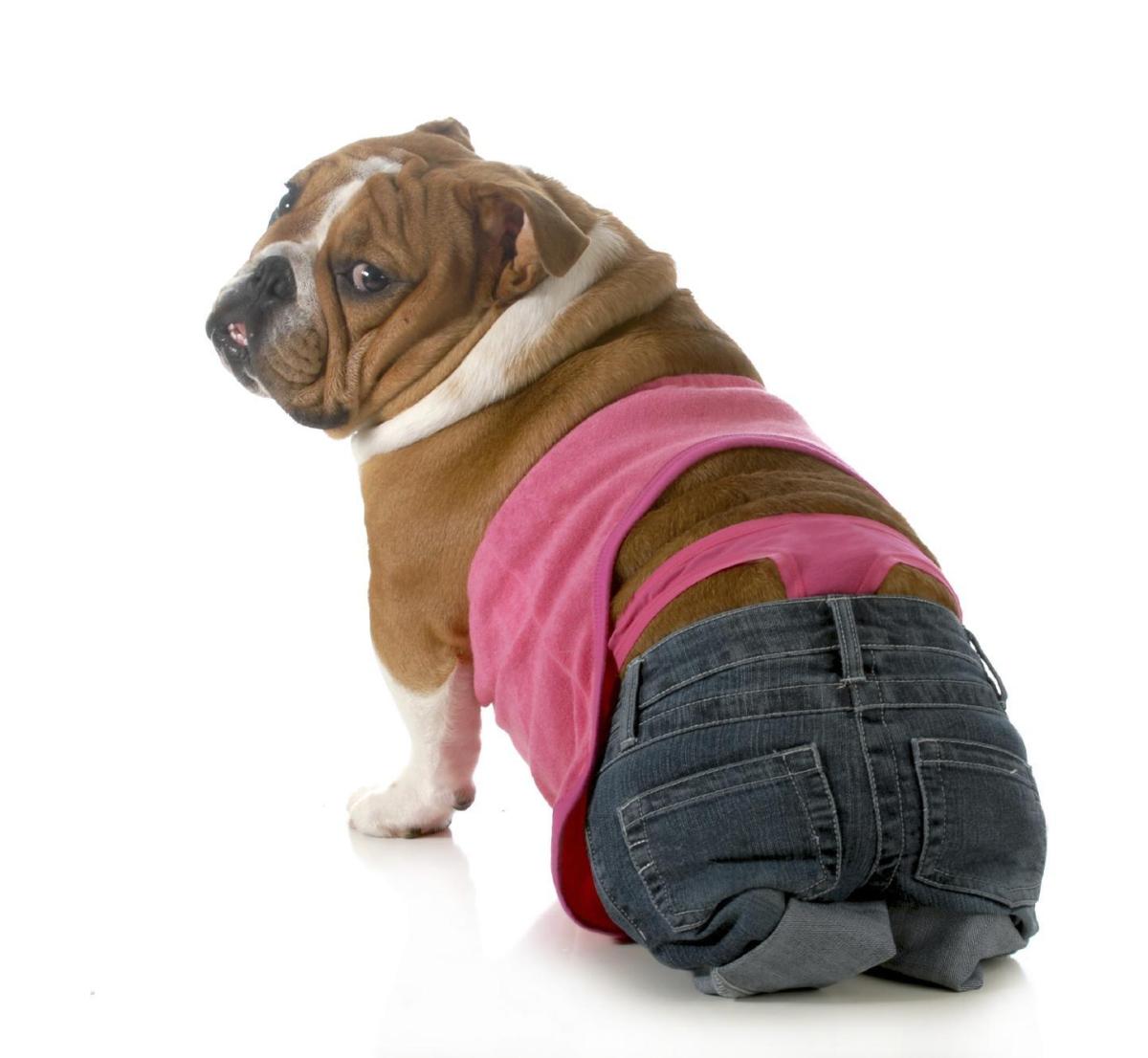
In stores, you'll find a variety of nappies and underwear designed to keep your dog's heat as hygienic as possible within your home. These products are useful and highly recommended for maintaining cleanliness and comfort during this time.
Additionally, some pet owners opt for washable dog diapers as an eco-friendly alternative. These can be particularly beneficial for dogs with frequent heat cycles, offering both convenience and cost savings over time.

Spaying as prevention
Sometimes, the dog's heat and fertility process cause all kinds of discomfort, both for her and for us. Although not an easy decision, you should think about spaying your pet to improve its health, behavior, etc.
Remember that if you spay your dog before her first heat, you will significantly reduce the appearance of various types of cancers. In addition, it is a thoughtful decision considering the number of abandoned dogs worldwide, as it greatly reduces the chances of your dog becoming pregnant. Learn the differences between castrating and sterilizing a dog.
Sterilization not only prevents unwanted litters but also can lead to a calmer demeanor in some dogs, reducing the risk of aggression and roaming behaviors. It's crucial to weigh the benefits and consult with your veterinarian to make the best decision for your pet.

A female dog's behavior during heat
It's common for behavioral problems to arise during heat. Here are the most common ones:
- Stress
- Aggression
- Sadness
However, there is something which can be much more worrying once the cycle has finished, and we have already mentioned it. Your dog may suffer from the famous psychological pregnancy. This is a very difficult time for her, because she genuinely believed that she was pregnant.
It is caused by a lack of fertilization in a fertile animal. It should be taken seriously to avoid diseases related to the accumulation of milk (with a possible infection) or irritability and strange behavior. Spaying your dog stops this problem from arising, as well as avoiding the regular bleeding which goes hand in hand with heat.
Moreover, understanding the psychological impacts of heat can help in providing better care. Some dogs may become more withdrawn or exhibit nesting behaviors during a false pregnancy, which requires patience and understanding from their owners.

If you want to read similar articles to Dog Heat Cycle Stages and Symptoms, we recommend you visit our Heat category.