Entropion in Dogs - Causes and Treatment


See files for Dogs
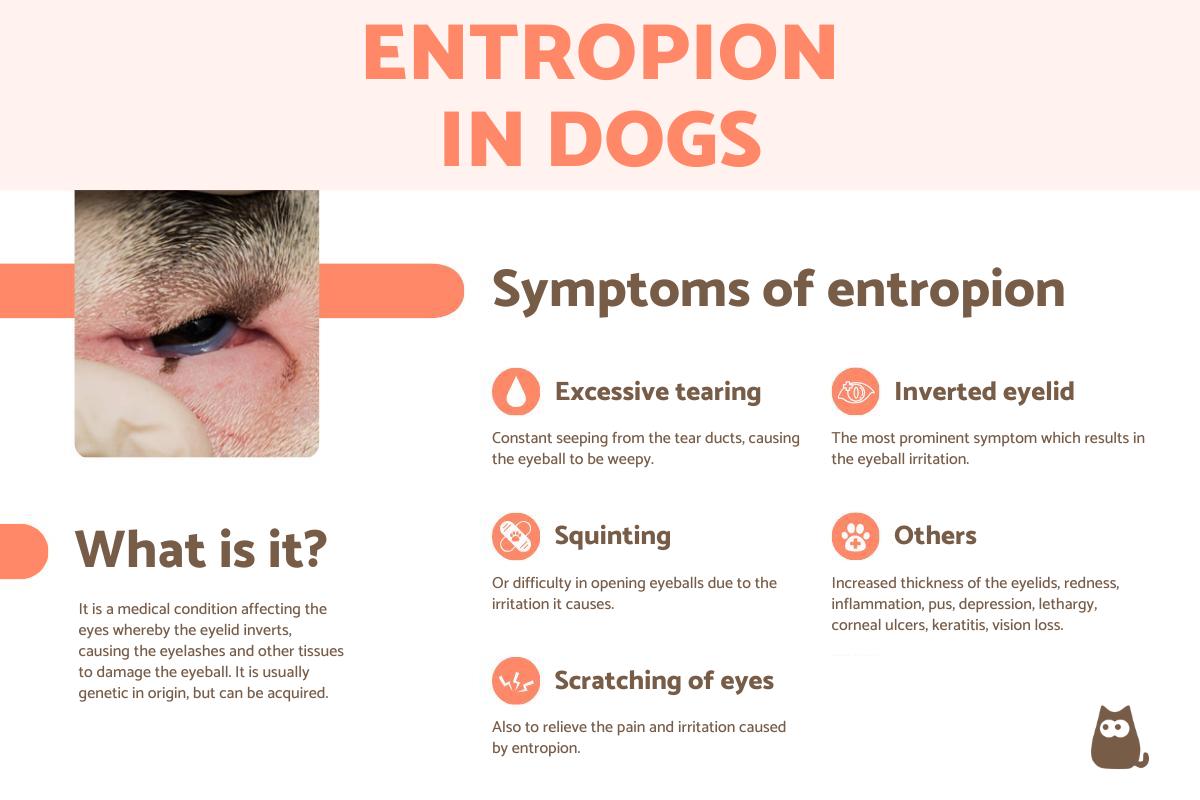
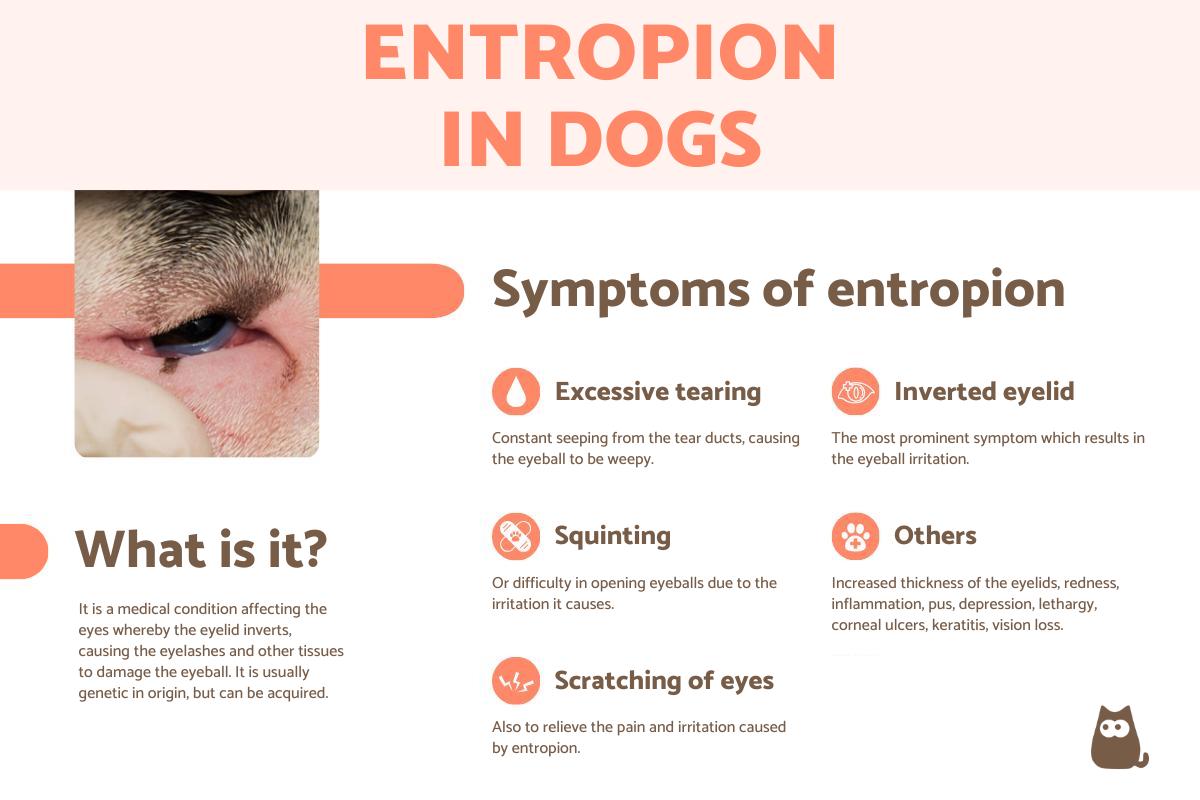
Entropion in dogs is a medical condition which causes the eyelids to invert along their edge towards the surface of the eyeball. This is usually a result of eyelid muscle contraction and the tightening of ligaments anchoring the eyelid muscles. It results in the eyelashes rubbing directly against the cornea of the eye, something which can be very irritating and eventually painful for the dog. This action also predisposes the dog with entropion to develop severe complications such as corneal ulcers. The main cause of entropion in dogs is congenital, leading to primary entropion. Less common causes can result in secondary entropion, but the genetic factor means certain dog breeds are more predisposed to this eye disease.
At AnimalWised, we learn about the causes and treatment of entropion in dogs. We look at the nature of this eye condition, the symptoms that can lead to a diagnosis and the costs of surgical treatment of canine entropion.
What is entropion in dogs?
Entropion is an ocular medical condition in which the dog's eyelids become inverted. Attached to the eyelids are the dog's eyelashes, as well as the conjunctiva. The latter is the mucus membrane of the eyelids. The eyelashes normally direct outwards, but the inversion as a result of entropion means they rub against the eyeball, leading to serious agitation and eventual traumatic damage.
Even if the dog has no eyelashes, the tissues of the eyelid rubbing against the eye can cause damage. The conjunctiva are often affected, resulting in noticeable swelling and other distinctive symptoms.
If the dog's eyelids are inverted, they do not fulfil the necessary functions for the dog's eyeball. Among the numerous functions of a dog's eyelid, we can see:
- Protection of the eyeball from physical damage
- Distribution of tears and their production
- Elimination of excess and waste from the conjunctival sac and cornea
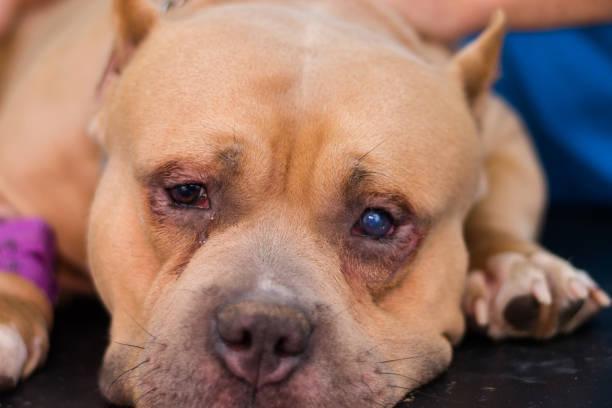
Entropion in dogs can occur unilaterally or bilaterally, this means it can affect only one or both eyes, respectively. Both the upper and lower eyelids can develop this problem. When entropion is not treated, it can cause very serious symptoms. If allowed to progress sufficiently, it can result in loss of vision in the eye. The eyeball may even need to be removed completely. Additionally, untreated entropion can lead to chronic eye infections and persistent inflammation, further complicating the dog's overall health. Therefore, early detection and intervention are crucial to prevent long-term damage.

Symptoms of entropion in dogs
As we have seen, the symptoms of canine entropion can result in vision loss. This is largely because of the physical damage the inverted eyelids cause to the eyeball. If we look closely at the eye, we may be able to see eyelids themselves in their inverted state, the main symptom of the condition. It is this mechanism which results in the related symptoms of entropion in dogs:
- Excessive tearing or watery eyes
- Eyelid turned into the eye
- Eye irritation
- Increased thickness of the skin around the eyes
- Squinting or difficulty opening your eyes
- Blepharospasm
- Eye discharge that may be bloody or purulent
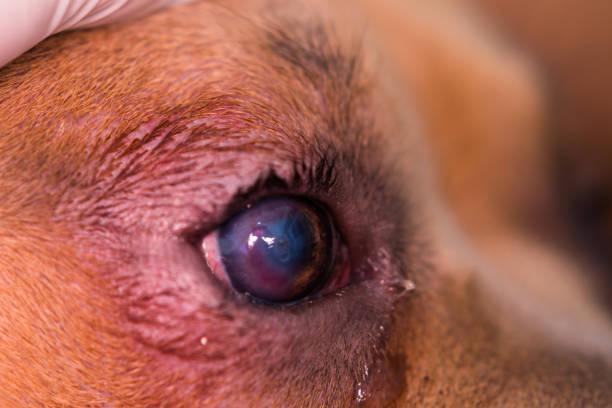
- Corneal ulcers
- Scratching the eyes
- Keratitis
- Rejection of touching near the eyes
- Lethargy
- Depression
- Loss of vision or eye
These symptoms will worsen as the condition progresses, so it is very important we observe our dog for any of the above. Many of these symptoms also present in other common eye conditions in dogs. For this reason, diagnosis by a qualified veterinarian is so important. Early intervention can help prevent permanent damage and improve the quality of life for affected dogs. Regular check-ups and monitoring are key to managing this condition effectively.

Causes of entropion in dogs
Entropion in dogs is a relatively common condition. This is partly due to its genetic nature and is more common in certain dog breeds than others. In this way, we can classify the causes of entropion in dogs into two categories. They are:
- Primary entropion: this has a genetic origin and the problem develops as a consequence of an alteration or defect in the dog's development. For this reason, it is usually a congenital problem, often associated with particular breeds.
- Secondary entropion: usually occurs with a greater prevalence in older dogs and there is usually no distinction by breed. It can occur as a result of eye trauma, skin problems related to thickening of the skin around the eye, inflammation, significant weight loss that causes sagging skin around the eyeballs or painful eye diseases. Moreover, environmental factors such as exposure to allergens or irritants can exacerbate the condition, leading to further complications.
Dog breeds prone to entropion
There are breeds in which the eye ligaments have more tension. These are often brachycephalic dog breeds which are known for their squashed-face appearance. The conformation of their skull is different and their eyeball position predisposes them to various eye problems, including entropion. However, there are also other breeds which have a genetic predisposition to entropion which are not brachycephalic. They include the following:
- English Bulldog
- Chow Chow
- Shar Pei
- Irish Setter
- Boxer
- Rottweiler
- Saint Bernard
- Labrador Retriever
- Great Dane
- Cocker Spaniel
- Basset Hound
There is another congenital canine condition which results in an abnormal skull shape. Consequently, this also predisposes them to entropion. Learn more with our article explaining the causes and treatment of hydrocephalus in dogs. It should be noted that proper breeding practices and awareness among breeders can help reduce the incidence of entropion in predisposed breeds.
Diagnosis of entropion in dogs
The diagnosis of entropion in dogs must be made by the veterinarian. If your dog is showing any of the clinical signs mentioned above, the dog should go to the veterinary center for a check-up and ophthalmological examination.
During this examination, the veterinarian will make a differential diagnosis with the symptoms presented by the animal. This type of diagnosis is very important since there are similar eye conditions which can present with these symptoms. These include positioning of the eyelids due to pain, blepharospasms or distichiasis. They will also be able to monitor for damage to the cornea of the eye using eye dye to look for ulcers. In some cases, advanced diagnostic tools such as slit-lamp biomicroscopy may be used to assess the extent of corneal damage and plan appropriate treatment strategies.
Entropion in dogs treatment
If entropion is congenital, its treatment should occur when the dog presents their final cranial conformation, something which occurs after adult development is completed. This usually occurs between 18 and 24 months of age. This will depend on the severity of the entropion. If a puppy experiences the above symptoms and subsequent damage to the cornea of the eye, early intervention is necessary to avoid irreversible damage or loss of vision.
The treatment of entropion in dogs is always surgical, but it does differ according to their age:
- Entropion treatment in puppies: this is usually in the form of eversion stitches. These are temporary stitches which force the eyelid muscles to revert back to their normal positions and prevent rubbing against the cornea. Such temporary intervention is used until the dog has developed fully and a more permanent surgical intervention is used.
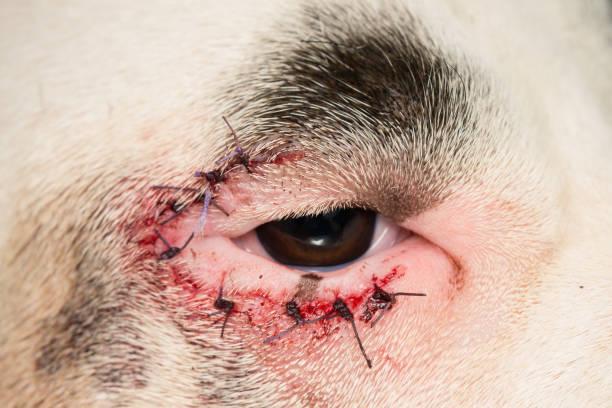
- Entropion treatment in adult dogs: a type of eyelid surgery known as a blepharoplasty is usually carried out. This is the most recognized treatment for entropion in dogs and consists of removing a part of skin of the affected eye. It is then sutured to prevent the eyelid from rolling inward. The technique will vary depending on the degree of involvement and the location on the upper or lower eyelid. Postoperative care is crucial for successful recovery, including ensuring the dog does not scratch or rub the surgical site.
There is another treatment which is sometimes carried out in dogs which are vulnerable to the general anesthetic required for a blepharoplasty. These include puppies, elderly dogs and those with preexisting medical conditions. An injection with hyaluronic acid can be used to provide extra rigidity to extend the eyelid margin that is excessively lax. This non-surgical option offers a temporary solution that can alleviate discomfort until the dog is ready for a more permanent procedure.

Price of entropion surgery in dogs
The price of entropion surgery for dogs will vary according to many factors, but the exact amount will be determined by each veterinary clinic. Different countries will have their own veterinary healthcare models, but even within these there can be significant variation. Factors influencing the cost of entropion surgery in dogs include the severity of the condition, the level of pre- and postoperative care and the type of clinic carrying out the procedure.
The veterinary healthcare models in the United States are generally more expensive. For this reason, the cost of canine entropion surgery in the US is between $500 to $1500 dollars. In Europe, regulatory bodies and a very different healthcare system means that prices for this surgery generally range from between €110 and €200 per affected eyelid. Additionally, some centers offer special rates if more than one eyelid is affected.
We must keep in mind that it is a very annoying and painful condition with a potential for eye loss. It is highly recommended to cure entropion in dogs to avoid this pain and subsequent loss of vision. Furthermore, opting for insurance that covers surgical procedures can help mitigate costs, ensuring that financial concerns do not delay necessary treatment.
Discover more about potential ocular health problems in dogs with our article explaining why my dog has blood in their eye.
This article is purely informative. AnimalWised does not have the authority to prescribe any veterinary treatment or create a diagnosis. We invite you to take your pet to the veterinarian if they are suffering from any condition or pain.
If you want to read similar articles to Entropion in Dogs - Causes and Treatment, we recommend you visit our Eye problems category.
- Peiffer, R. L., & Petersen-Jones, S. M. (2002). Small animal ophthalmology, 3rd Edition. Harcourt Editions, SA