
Animal intestinal problems
Learn more about animal intestinal problems by exploring our site and become a true expert on the animal kingdom. You'll find content created for the best professionals with pictures, videos and opinions.
61 articles

Rabbits are sensitive, sweet, and tender animals. It is no surprise they have become such beloved pets by people all over the world. They are also considered hygienic as they devote a lot of time throughout the day to cleaning themselves. Devoting such time to cleanliness may mean you get quite a shock...

Enteritis in cats is the inflammation of the small intestine. Whereas some enteritis is completely treatable and easily preventable, there are others that are more difficult to treat.
In this AnimalWised article we're going to explain what is enteritis in cats, as well as the symptoms you should watch...

Inflammatory bowel disease (often shortened to IBD), is a term for a range of diseases resulting in inflammation of the intestine. The cells which cause the mucosa of the intestine to become inflamed include lymphocytes, plasma cells or eosinophils. Feline inflammatory bowel disease can sometimes be...

Cats are animals of routine, something which is very helpful for cat guardians. This is because changes in their routine can help us to know that something is wrong, even if there aren't any other obvious symptoms. Whether your cat has concurrent symptoms or is otherwise the same as usual, not pooping...

For first-time dog guardians, the amount a dog will defecate each day can seem to be a lot. Especially when they are a puppy, needing to go up to 5 times a day is considered normal. Once we have trained our dog to defecate and urinate outside the home, we are able to monitor both the state of their...

For dogs, loose stools mean there is a problem. As with humans, the quality of a dog's feces reveals something about their overall health. Smell, consistency, and color of dog stool can point us in the right direction if we suspect they have a health problem. A healthy dog should have firm stool, not hard....

Vomiting is a clinical symptom of various pathologies. Although vomiting is most commonly associated with gastrointestinal disorders, many problems which originate from other bodily systems occur. Whether gastrointestinal in origin, these range from mild to severe. Some illnesses with throwing up as a symptom...

Abdominal pain is a frequent reason for veterinary consultation among small animals. As dogs are expert at hiding their pain, we need to be sensitive to certain signs the dog's stomach hurts. One common symptom is trembling of the area, usually with your dog trying to prevent you from touching them....

Diarrhea in older or geriatric dogs is a common reason for consultation at the small animal clinic. While dogs of any age may occasionally suffer from diarrhea, diarrhea in older dogs may indicate other medical problems. This is a clinical sign that can be associated with many diseases, not just the digestive...

Regurgitation in dogs is a relatively common phenomenon and something which shouldn't cause concern in occasional or exceptional cases. When a dog regurgitates their food regularly, it could be a pathological issue, but it may also be a behavioral problem associated with the dog's relationship with their...

When a cat is pooping yellow feces, their guardian must take note. Changes in either the color or consistency of the cat's feces can indicate a problem with their health and wellbeing. While stress and other psychological issues can lead to changes to a cat's poop such as diarrhea, changes in color are...

Also known as dyspepsia in dogs, indigestion is a relatively common gastrointestinal issue in canines, but its acuity varies greatly. It can range from a slightly upset stomach to practically incapacitating the animal. Unfortunately, our dogs cannot directly communicate their gastrointestinal status...

Mucus in a dog's stool is a serious symptom which should never be ignored by guardians. Due to the passage through the gastrointestinal system, a thin film of mucus should be present on the exterior of the dog's feces. However, this film is not usually visible. When thick or viscous mucus is visible, this...

Bloody mucus in a dog's stool can be accompanied by other symptoms which imply the dog is gravely ill. If this is the case, you will need to take them to a veterinarian immediately. Clinical signs such as lethargy, loss of appetite, and vomiting imply the dog is in serious trouble. This means we can...

Diarrhea in cats is a symptom of many disorders. Although it results as a disorder of the gastrointestinal tract, the underlying causes of diarrhea are diverse. They include both physical and psychological health issues. While it is a relatively common disorder in felines, it is also a symptom of certain very...
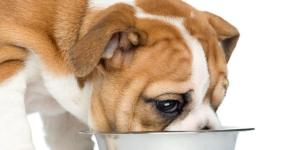
Unlike cats, when you put some food in a dog's bowl it usually disappears within about 3 or 4 minutes. They can really devour whatever you give them in no time at all.
Given how fast they gobble down their food, it is no wonder that they can sometimes choke. Worryingly, this can be very serious and could...

Stinky dog poop comes with the territory as a dog guardian. A healthy dog will still pass stool that has a far-from-pleasant aroma. However, our dog's stool is a helpful indicator of their overall health. Whether they have diarrhea, blood in their stool or even if they do not poop at their normal rate,...

Gastroesophageal reflux, more commonly known as acid reflux, occurs when the contents of the stomach and the duodenum rise above the esophagus. This is because they have passed the esophageal sphincter, the valves which normally prevent food from returning from lower in the digestive tract. The ‘acid’ is...

Malt is not commonly associated with dogs. It is a product which is most commonly associated with cats. This is because its main purpose is to aid digestive transit of food through the gastrointestinal system. Since cats groom themselves regularly, they are prone to developing hairballs, something which...

Abdominal distension, commonly known as a swollen belly, is a frequent veterinary complaint among dogs. It manifests as an abnormal enlargement of the abdomen, often accompanied by signs of discomfort or pain. While a mildly distended abdomen can sometimes be attributed to harmless factors like a hearty...

Occasional vomiting is a common problem in cats and it is not necessarily serious. However, if your cat vomits more frequently, this could be a symptom of a more serious condition and you should take your cat to a vet immediately to find out the cause.
Vomiting is a reflex that causes the active removal...

Diarrhea in dogs is a common occurrence that will happen throughout our dog's lives. This is why it's best to get familiar to its causes and treatment. This way, you'll be able to quickly help your dog recover from an upset stomach as soon as you see them vomit.
In this AnimalWised article we're going...
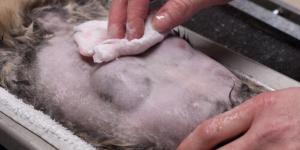
As with humans, cancer in cats is a disease which can vary in severity and possess many potential complications. These complications can have varying effects on the cat's health, often not resulting in symptoms until the cancer has progressed significantly. In addition to lymphoma, adenocarcinoma is one...

Inflammatory bowel disease or IBD in dogs is a chronic inflammatory condition that can affect different sections of a canine's intestine. While we know the inflammation is due to the accumulation of inflammatory cells in the intestinal mucosa, the underlying cause is not easy to define. We do know there...
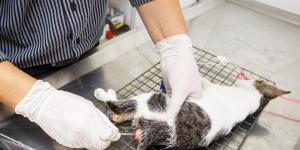
Gastrointestinal disorders are commonplace with cats. Whether caused by physical or psychological stimuli, a cat can have various digestive symptoms which point to a problem with their health. These problems may pass after time or when the underlying cause has been treated. Sometimes more chronic symptoms...

Is your dog vomiting yellow liquid? Vomiting in dogs is a common problem which naturally causes concern for any dog guardian. When the vomit is yellow with a foam, mucus, or watery consistency, it is particularly alarming. Dog vomiting can be linked to poisoning, indigestion, enteritis, and more. Since...

Understanding what healthy dog poop looks like is key when it comes to understanding a dog’s health status. Is your dog pooping white, yellow, or black feces? Have you noticed white chalky dog poop on the ground instead of the normal medium brown not-too-soft poop? Your dog’s poop color and poop consistency...

Constipation is not necessarily more common in small dog breeds, but the dog's size can be a factor in having trouble pooping. While it may be relatively frequent in small animals, it doesn't mean that constipation can be ignored. It can be a symptom of a more serious health concern. At the very least,...

There may be many reasons why a dog has an upset stomach, some of which are serious and require veterinary treatment. While all symptoms will have a cause, not all will be known to us. It is common for a dog to have an upset stomach for a short period and recover quickly without us knowing the exact reason....
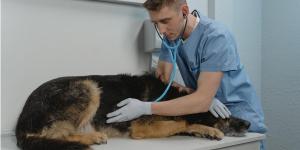
A tumor is a disorganized or abnormal growth of cells that occurs as a result of a genetic mutation. They can affect almost any tissue in the body where cells are able to divide and multiply, although they are more common in some areas than others. Intestinal tumors are not the most common in dogs, but...

A bird's health is very important and, if you want one as a pet, you should provide the best for its welfare. In the case of birds intended for food, their health has an obvious and direct impact on public health.
This AnimalWised article will talk about coccidiosis, a contagious disease that must...
Does your cat have diarrhea? The first thing you have to do is try to find out the cause of this stomach disorder. If you have changed their food, if they have ingested any new ingredients or have purged on any plants or grass etc. Above all, if you don't know the cause and it lasts more than 24 hours,...

Deciding to share your home with a dog makes you responsible for ensuring its complete welfare. This means caring for many different aspects, which above all include providing proper socialization, adequate companionship and affection, and an optimal diet.
Dog food is highly important because it has...

As we have already mentioned in other articles, dogs are susceptible to many diseases that also affect humans. Sometimes, these familiar diseases are not serious and are only a response from the dog's organism, which is trying to cope with a situation through its own healing resources.
It is essential for...

It can be difficult to tell if a cat is in pain. They are particularly good at hiding when they feel discomfort, so it is incumbent upon their guardians to ensure we are observant of any symptoms. When a cat has an upset stomach, they may feel pain which we cannot detect. This is especially so if their...
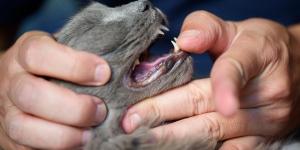
Stomatitis in cats is a relatively common oral health issue which can affect our felines. It is a general term which refers to the inflammation of the mouth and lips, potentially affecting any of the oral mucosa. This includes the gums, tongue and soft palate. Causes of cat stomatitis are varied, but the...

A tummy ache is a common symptom in dogs, but it is not always easy to observe. While it is often a sign of mild gastrointestinal upset, it is also a possible symptom of a more serious illness. This is especially the case if it persists for a prolonged period. Although an upset stomach is itself a symptom...

Is your cat suddenly having diarrhea or acting uncomfortable? It might be colitis, a common digestive issue that affects a cat’s colon. While it can be worrying, the good news is that colitis in cats is usually treatable once you understand the symptoms, causes, and care options.
In this AnimalWised...
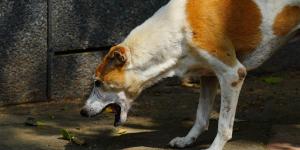
Vomiting is one of the most common clinical signs of illness in dogs, although the severity of these illnesses range from negligible to life threatening. Mild and occasional vomiting is also different from chronic and severe vomiting. Generally speaking, if a dog has mild vomiting that doesn't persist...

As dog owners, we often want to share our food with our furry friends, but certain common foods can severely upset their digestive system and cause diarrhea. Dogs have significantly different digestive systems from humans, making them more sensitive to many foods we eat regularly. Understanding which...

While cats typically have bowel movements every 12-24 hours, a lack of poop can signal a potential health issue. When waste products aren't eliminated regularly, they can harden and become difficult to pass, causing constipation. This can be painful for your cat and, if left untreated, can lead to a...
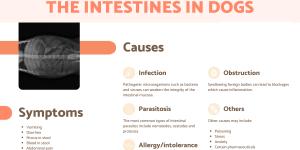
Diseases of the gastrointestinal tract are among the most common medical problems in dogs. This is partly because they have many origins, including everything from an inappropriate diet to serious infectious pathologies. Common symptoms include vomiting and diarrhea, but the inflammation of the intestines can...

A trichobezoar is a mass of hair that is trapped inside the gastrointestinal system. More commonly known as hairballs, they are a phenomenon we most often associate with cats. This is because felines are known for their high levels of grooming. They are a problem which can similarly affect rabbits. Rabbits...

Both constipation and diarrhea are common symptoms that affect dogs. These symptoms indicate changes in the intestinal transit, which are also sometimes accompanied by deficiencies throughout the digestive system.
Although these conditions are not usually serious for the dogs, they may be caused by diseases...

The skin and mucus membranes of healthy dogs should have a pink hue. There are some exceptions for dogs which have dark skin or patches of skin. Since the skin of most dogs is covered in varying lengths of hair, we can usually tell the color by looking at the gums and eyes. On some dogs, you can see the...

Who said that cats are unfriendly and rarely look for attention? This is a widespread but completely false myth. Cats can become very attached to their owners, and their bodies are susceptible to multiple diseases; when your cat feels sick, it will turn to you for attention and care.
Cats have a very...

Gastritis is one of the most common gastrointestinal disorders in dogs. It is the inflammation of the gastric mucosa and can be acute (sudden and short-lived) or chronic (a slow and persistent development). In either case, this disease is not usually fatal to dogs when proper treatment is provided.
In...

As is the case with humans, many canine diseases are directly related to their diet. Food can be both the cause and a natural cure for many diseases.
Gastritis is a digestive disease that can affect dogs and can be caused by several factors; however, proper diet, as well as other factors, will be fundamental...

Finding blood in your dog's feces can be shocking. Although they may appear otherwise healthy, it implies a serious internal condition which rightly causes fear in the caregiver. The causes of blood in a dog's stool are varied. It can range from a mild rectal issue to a life-threatening disease such...

One of the most common canine problems is diarrhea. Be sure that sooner or later your dog will suffer from it. Remember the last time you had it: lying on the couch, blanket over you, a short distance from the bathroom.
We must be clear that diarrhea is a symptom of a gastrointestinal disease, not a...