Gastritis in Cats


 Add us on Google

See files for Cats
Gastritis is one of the most common gastrointestinal diseases among domestic felines. It is characterized by an inflammation of the gastric mucosa, which can be acute or chronic. Gastritis can affect cats of all ages, whether they are mestizos or of a defined breed. However, it is more common in felines that live in the streets. Although gastritis diagnoses are not usually fatal, they require rapid veterinary attention to establish an adequate treatment and avoid any aggravation of symptoms.
In this article at AnimalWised, we will summarize the main symptoms, causes, and treatment of gastritis in cats.
Causes and risk factors associated with gastritis
In general, symptoms of acute gastritis are related to inadequate eating habits, such as unhealthy diets, consumption of toxic substances (insecticides, medicines, toxic plants, cleaning products, pesticides, etc.), and feces. The excessive consumption of food, the formation of hairballs, and intake of foreign bodies (plastics, toys, etc.) can present a serious risk to proper functioning of the digestive tract of felines.
Moreover, gastritis can also appear as a symptom of other underlying pathologies, such as bacterial or viral infections, kidney or liver problems, food allergies, and cancer. Intestinal parasites can also cause severe inflammation in the intestinal mucosa.
Felines that maintain an unbalanced diet based on low-quality feed or consume inappropriate foods (such as spicy, greasy, or highly flavored items) are more vulnerable to gastrointestinal pathologies. Additionally, stress appears as a common risk factor for gastritis, as well as the excessive consumption of antibiotics.
When not treated quickly and adequately, inflammation in the gastric mucosa can worsen, giving rise to chronic gastritis. In these cases, we can observe damage not only to the stomach but also to the bacterial flora of the intestine. Chronic inflammation may lead to more severe health concerns over time, which emphasizes the importance of early intervention and proper dietary management.
Symptoms of gastritis in cats
In general, the first symptoms of gastritis present themselves as intense pain or discomfort in the upper abdomen, accompanied by the sensation of heartburn, mainly after meals. As our cats do not express pain or indigestion as clearly as we do, these symptoms may go unnoticed.
With the advancement of inflammation, the most common symptoms of gastritis will appear. At this stage, your cat may present the following clinical signs:
- Vomiting: in acute gastritis, the animal presents sudden and frequent vomiting, which may contain bile, fresh or digested blood. In chronic gastritis, vomiting is severe and persistent, and may also be accompanied by blood and bile. Vomiting bile appears as a yellow or green color. Fresh blood gives a red or reddish-brown color to vomit, while digested blood appears as dark grains or nodules.
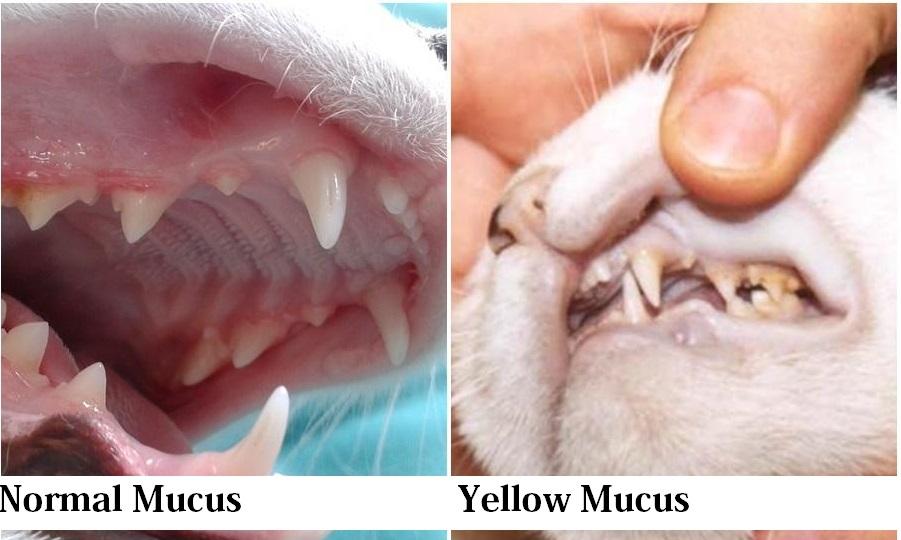
- Alteration in mucous membranes: if the gastritis of the animal is derived from the consumption of some toxic substance, its mucous membranes may appear yellowish as a symptom of intoxication. In cases of more severe gastritis, mucous membranes are usually pale due to the loss of blood.
Other symptoms of gastritis in cats:
- Loss of appetite and weight
- Dehydration
- Diarrhea
- Weakness and lethargy
- Excessive drooling
- Blood in the stool
It should be noted that early detection of these symptoms can greatly improve the prognosis and treatment outcome for your cat. Keeping a close watch on your pet's eating habits and behavior can help catch the onset of gastritis early.

Diagnosis of gastritis in cats
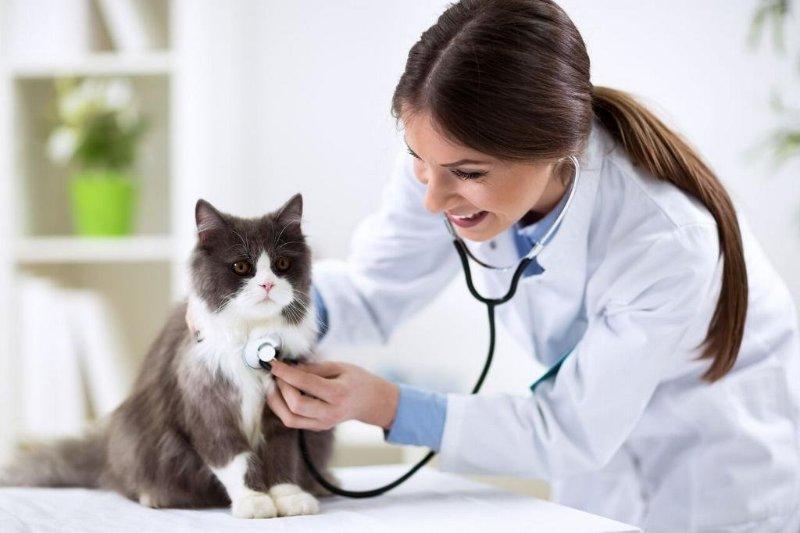
If you notice any of the already mentioned symptoms in your cat, you should go to the veterinarian immediately. In a clinic, a professional can analyze the symptoms in detail and propose necessary clinical tests to verify the health status of your cat and, most importantly, rule out the presence of foreign bodies in its digestive tract. If chronic gastritis is suspected, your veterinarian may also request a biopsy of the gastric mucosa.
Furthermore, blood tests and imaging studies such as X-rays or ultrasounds might be employed to gain a clearer picture of your cat's gastrointestinal health. These diagnostic tools are crucial in identifying the underlying cause and ensuring the correct treatment plan is followed.
Treatment of gastritis in cats
Once a diagnosis of gastritis is confirmed, treatment will depend fundamentally on the cause and progress of the pathology in the organism of the animal. If the presence of a foreign body in the stomach is identified, it will be essential to remove it surgically.
In mild acute gastritis, stopping food consumption for a certain time (from 12 up to 48 hours) and limiting water intake can be effective in relieving inflammation and alleviating pain. During recovery, it is essential to feed your cat several times a day, offering a small amount of food in each feeding.
In more advanced cases, the veterinarian may administer antibiotics and corticosteroids to control the progress of inflammation in the digestive tract and to treat possible infections. On the other hand, if the cat is suffering from frequent vomiting, antiemetic drugs may be used to reverse the condition.
In all cases of gastritis, it is essential to change the animal's diet, correcting bad habits noted in its routine to avoid future episodes of severe inflammation. Your veterinarian can help guide you regarding these changes to offer a better quality of life for your cat.
Additionally, ensuring your pet's environment is stress-free and providing them with plenty of mental and physical stimulation can support recovery and general well-being. Regular follow-ups with the veterinarian are recommended to monitor the cat’s progress and make any necessary adjustments to the treatment plan.

How to prevent gastritis in cats?
When it comes to the health of our pets, we must always bear in mind the saying that "prevention is better than cure". To prevent the development of gastritis in your feline, remember to follow these below-mentioned tips:
- Good nutrition: it is essential to provide a balanced diet of excellent quality to your cat. It is also very important to respect the amount of food appropriate to its size and age. In addition to removing prohibited foods from its diet, remember not to offer spicy human food or hard-to-digest foods to your cat.
- Home care: avoid leaving trash or any kind of waste within reach of your cat. Organize your home intelligently, avoiding access to cleaning products, pesticides, medicines, and other products that can be hazardous for your pet.
- Control exterior influences: many cats are accustomed to walking alone outside, but this wandering presents a serious risk to their health. In addition to the risk of consuming foods of poor condition or toxic substances, they can also be infected by numerous pathologies, whether in street fights, during sexual intercourse, or by direct contact with pathogens.
- Preventive medicine: all cats must consume adequate preventive medicine throughout their lives. Therefore, remember to make periodic visits to the veterinarian every 6 months, respect vaccination reminders and periodic deworming, and always keep your pet physically and mentally stimulated.
It should also be noted that maintaining a stress-free environment and providing adequate hydration can help prevent not just gastritis, but a host of other health issues as well. By taking these preventive measures, you can significantly improve your cat's overall health and longevity.
This article is purely informative. AnimalWised does not have the authority to prescribe any veterinary treatment or create a diagnosis. We invite you to take your pet to the veterinarian if they are suffering from any condition or pain.
If you want to read similar articles to Gastritis in Cats, we recommend you visit our Other health problems category.