My Dog Ate a 500mg Tylenol - Acetaminophen Toxicity


See files for Dogs
If your dog has eaten a Tylenol tablet, you will need to take them to a veterinarian immediately. Tylenol is an over-the-counter pain medication which contains the active ingredient acetaminophen, also known as paracetamol. This is a very commonly used drug for humans which should not be taken by dogs. This is because acetaminophen is toxic for dogs in sufficient doses. How much the dog will need to take to have adverse effects will depend on various factors including the size of their dog and their overall health.
At AnimalWised, we find out what happens if my dog ate a 500 mg Tylenol. We discover more about acetaminophen toxicity in dogs, specifically relating to the dose and treatment.
What is Tylenol?
As we state in the introduction, Tylenol is a pain medication which has the active ingredient acetaminophen, also known as paracetamol. These are both generic names for the chemical para-acetylaminophenol which acts to provide pain relief. It is an analgesic and antipyretic, meaning it is used to treat pain and fever, respectively. It is on the WHO's List of Essential Medicines, underscoring its importance in human medicine.
Although Tylenol is a common drug for humans, there is no Tylenol for dogs. This is because the active ingredient is harmful to the dog's organism. A sufficient dose can be fatal, but even a small amount can cause acetaminophen toxicity in dogs. It is crucial to ensure all medications are stored safely out of reach of pets to prevent accidental ingestion.
Can Tylenol be given to dogs?
There are drugs which are safe for both humans and dogs, but there are many which are not. One of the main reasons for this is because the two have very different metabolisms. We should never give human medication to a dog without express permission by a veterinarian. Often veterinary medications come in different preparations which make them suitable for use in dogs. It is essential to adhere strictly to veterinary guidelines to avoid potential health risks.
Many people may wonder whether they can give Tylenol to dogs since it is such a common and safe medication for humans. Unfortunately, this is not the case for dogs. If a dog is given Tylenol, it can result in various side effects, and acetaminophen toxicity can be fatal if given a sufficient dose. It is vital to consult a veterinarian before administering any medication to ensure the safety and well-being of your pet.
We do not give Tylenol to dogs since there are safer options specially formulated for this species. They will offer efficacy and safety that the veterinarian can prescribe before Tylenol. Veterinarians are trained to provide the most suitable medication tailored to a dog's specific health needs and conditions.
It is also very important to take the dog to a veterinarian for diagnosis. If our dog is showing evident signs of pain or they have a high fever, we should not medicate them ourselves. We need to go to the vet to achieve the correct diagnosis and provide the corresponding treatment. Medicating our dog at home can mean this diagnosis is delayed or may even worsen the underlying cause. The veterinarian's expertise can help in accurately diagnosing and treating the root cause of the symptoms.
Learn more about acetaminophen toxicity with our article on giving paracetamol to dogs. Understanding the potential risks of common medications can help prevent accidental poisoning in pets.
What happens if I give my dog a 500 mg Tylenol?
We have already explained that Tylenol in dogs will cause acetaminophen toxicity. However, not all dogs will respond in the same way. One very important factor is size. Generally speaking, a dog can experience acetaminophen toxicity if they take as little as 75 mg per kg of their body weight. This means a smaller dog under 6 kg could experience serious symptoms if they take a 500 mg Tylenol. It is crucial to understand that even a single tablet can have severe consequences for small dogs.
Larger dogs should have more protection if they ingest a 500 mg Tylenol. The rate of toxicity should be lower for them due to their size, but we will need to take into account other factors. For example, a dog may have taken other medications or have other health problems which make them more susceptible. Some dogs may even have a greater sensitivity to this drug and experience serious side effects, even if they are a larger dog.
Additionally, age and overall health status play a significant role in determining a dog's reaction to Tylenol. Older dogs or those with pre-existing health conditions might be more vulnerable to the toxic effects. It's essential to be aware of the specific needs and vulnerabilities of each individual pet.

What are the symptoms of acetaminophen toxicity in dogs?
The consumption of Tylenol can cause different adverse effects in our dog, especially when a dose is particularly high. This is because they will not be able to metabolize it and eliminate it from their body. Perhaps the most notable effect of acetaminophen toxicity in dogs is the damage that can occur in the liver and the destruction of red blood cells. In turn, this ends up compromising oxygen transport.
When the liver is affected, it causes what is known as hepatocellular cytolysis. This is the destruction of the cells of this organ. This effect, called hemolysis, also occurs in red blood cells.
Generally speaking, the symptoms of a Tylenol overdose in dogs include the following:
- Loss of appetite
- Vomiting
- Diarrhea
- Abdominal pain
- Breathing difficulties
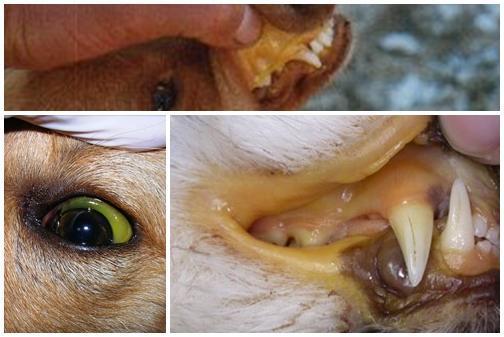
- Pale gums
- Jaundice
- Edema (fluid buildup)
- Tachycardia (increased heart rate)
- Cyanosis (bluish mucous membranes)
- Coma
In the most serious cases, toxic shock can occur. These clinical signs can occur as early as 4 hours after consumption of sufficient quantities of Tylenol and death can occur within 2-3 days. It is crucial to seek immediate veterinary attention if any of these symptoms are observed.
It must be taken into account that it is relatively easy for poisoning to occur in dogs. The dose that a dog can tolerate is much lower than what works for humans. A small dog could suffer poisoning if we give them a 500 mg Tylenol pill. However, poisoning is not always due to an overdose given by the caregiver. Sometimes, the dog ingests the drug in its desire to explore. This is why it is so important we keep medications out of reach of dogs. Ensuring a safe environment for pets involves careful management of potential hazards around the home.
Learn more about what to expect with liver failure in dogs if the Tylenol overdose causes long-term liver damage. Understanding the progression of these symptoms can help in seeking timely treatment.

What to do if my dog eats a 500 mg Tylenol
If you are able, you should take the dog to a veterinarian. If you cannot do this right away, you should call an emergency vet for guidance. There may also be other services you can use such as a poison control hotline who are able to guide you through first-aid treatment for the dog. In the USA, this can be contacted using the number 800-213-6680.
You will need to give the hotline or the veterinarian as much information as you can. This will include their weight, age, and health status, as well as anything else they deem necessary. You will need to explain any symptoms you may have witnessed, as well as the amount of Tylenol that has been consumed. They will then determine whether you need to take them to a clinic.
The treatment of Tylenol poisoning in dogs also depends on how recently it has been consumed. If it is within 1 or 2 hours, the vet may perform a stomach lavage or induce vomiting. If more time has elapsed, then it is likely these interventions will not help. Immediate action can prevent further absorption of the toxin and improve recovery chances.
Generally speaking, the dog will need to be taken into observation and have their vital signs stabilized. This will include fluid therapy and medications to reduce blood pressure or combat other effects of the acetaminophen toxicity. They will also be able to monitor for complications such as internal bleeding or respiratory failure. Supportive care in a clinical setting can be crucial for recovery.
The prognosis will depend on the individual circumstances. Prompt intervention is important since the earlier the dog can be stabilized, the better the prognosis will be. Timely treatment can significantly increase the likelihood of a full recovery.

This article is purely informative. AnimalWised does not have the authority to prescribe any veterinary treatment or create a diagnosis. We invite you to take your pet to the veterinarian if they are suffering from any condition or pain.
If you want to read similar articles to My Dog Ate a 500mg Tylenol - Acetaminophen Toxicity, we recommend you visit our Medicine category.