Can a Cat Freeze to Death? - Winter Safety Tips for Cats


See files for Cats
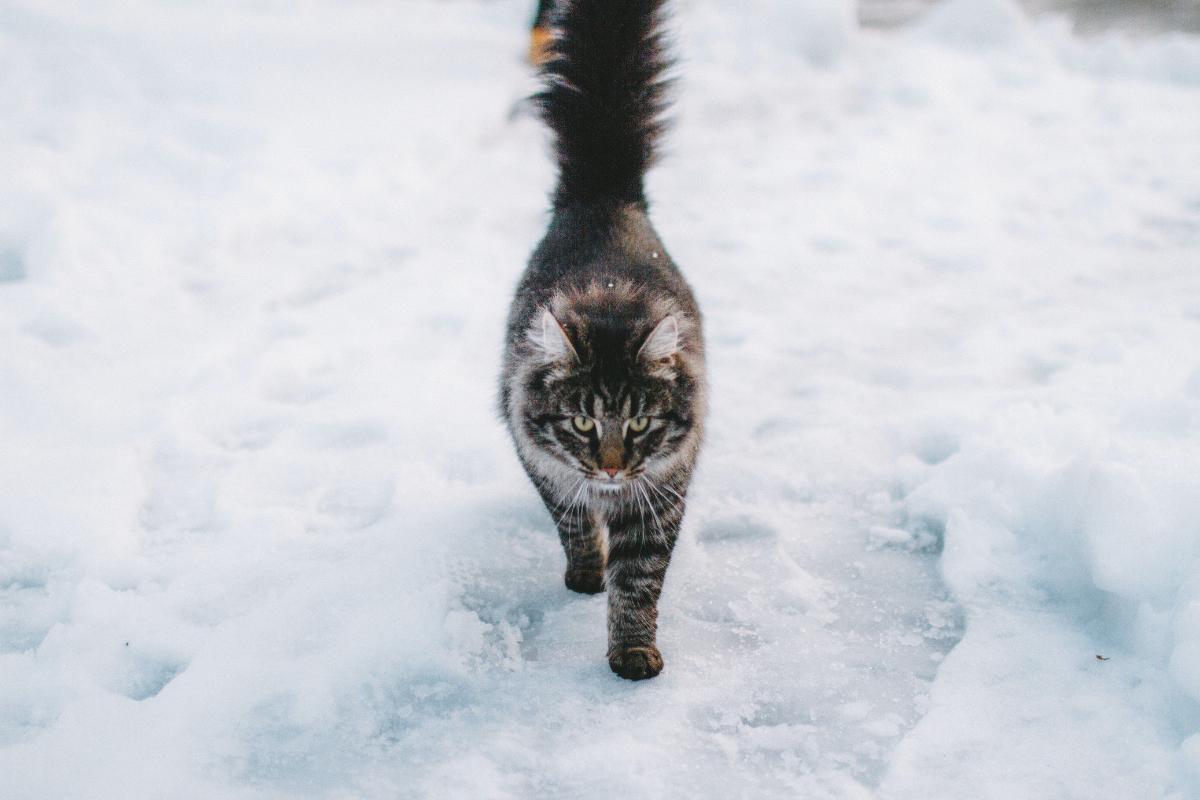
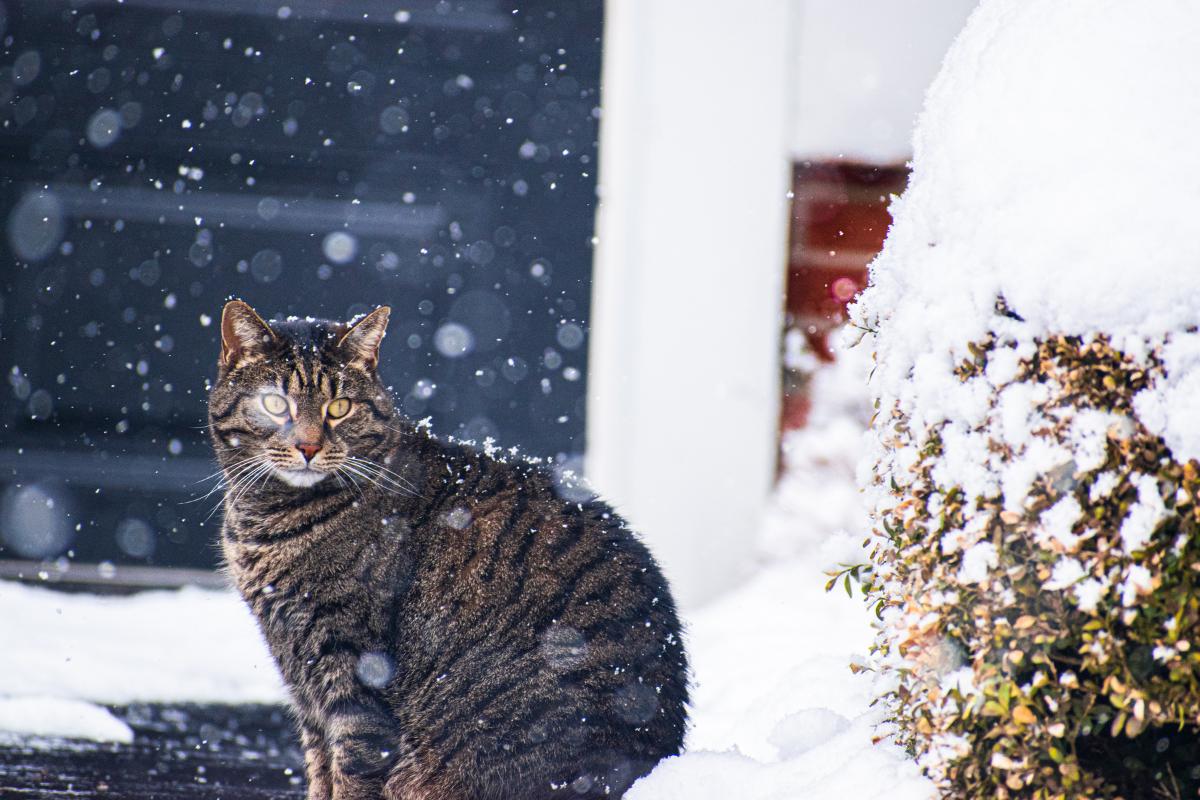
Can a cat freeze to death? The answer is yes, cats can suffer from hypothermia from low temperatures which can lead to their death.
This is why in this AnimalWised article we're going to answer common winter safety questions about cats, such as how cold is too cold for outdoor and indoor cats and how to care for cats in winter. Keep reading this article to learn more!
Can a cat freeze to death?
Yes, cats can freeze to death when left in cold weather for too long. Due to the cold weather, the cat will begin to suffer from hypothermia, their breathing and heart rate will decrease and they will begin to suffer from neurological problems, heart problems, kidney failure, frostbite, and eventually they will die.
In fact, tests have shown that cats will freeze to death if their body temperature falls below 60°F (16°C), but all cats are different. The best way to ensure your cat's safety during winter is to go outside yourself; if it's too cold for you, it'll be too cold for them, especially at night when the temperature significantly drops. It's crucial to remember that cats, like humans, can have varying levels of cold tolerance depending on factors such as age, health, and coat type.
This is why it's so important that we pay extra attention to our cats once winter comes around, especially if they are outdoor cats or simply spend a lot of time outside. The change in temperature and even snow will play a factor in our cat's health and wellbeing. Keep reading to learn more about winter safety tips for cats and how we, as their caregivers, can care for them during winter.

How cold is too cold for an indoor or outdoor cat?
So the question remains, how cold is too cold for a cat? Although it will vary from cat to cat, depending on their fur and lifestyle, there is a certain temperature that can guide us in these situations.
Once the temperature outside is 32ºF (0ºC) or below, we will need to make sure our cat doesn't stay outside for more than 15-20min. Once they're inside, ensure they don't have any problems breathing and are not wet or cold. You can wrap them in a warm blanket once they're back inside. In addition, always provide a warm and cozy spot inside your home where they can retreat to when they return indoors.
If you have an outdoor cat that usually sleeps outside, you can make sure that their outdoor shelter is insulated and warm enough for them to sleep in. However, once the temperature drops to 32ºF (0ºC) or lower, it's best to have them sleep inside of your home. Simply place their shelter or bed in a calm area in your home and allow them to go outside to play and explore in the afternoon when the temperature is a bit warmer. Ensuring they have easy access to a warm indoor space is key to their safety during colder months.
It's also important to note that if your cat is ill or if they are a senior cat (11 years old or older), you will need to take extra care and extra precaution as they are more vulnerable to suffering from hypothermia. Similarly, kittens and cats with certain medical conditions may also be more susceptible to the cold, requiring additional vigilance.
How to care for your cat in winter
Lastly, here at AnimalWised we want to give you some tips about winter safety for cats. You can also read our full article about how to care for your cat in winter for more tips. Follow our guidelines to ensure your cat's safety this winter:
- Encourage them to play indoors with lots of interesting toys and indoor activities they can do. Keeping them mentally and physically stimulated helps reduce stress and anxiety during the colder months.
- Never leave your cat inside of your vehicle as this can lead to them suffering from hypothermia and can even lead to their eventual death. Cars can act like refrigerators in winter, trapping the cold and posing a severe risk to pets left inside.
- Avoid bathing your cat in the winter, instead brush their coat to remove any residues and to avoid tangles. Regular grooming helps maintain their coat's insulating properties.
- Allow them to go outside to explore when it is at least 32ºF (0ºC) outside. Make sure they come back after a maximum of 2 hours. Limiting their time outdoors during colder days can prevent exposure-related health issues.
- Consider providing your cat with a winter jacket or even cat boots if they will be going out in the snow. These can offer additional protection against the elements, especially for short-haired breeds.
- If your cat is an outdoor cat that sleeps outside, you must provide them with appropriate shelter that is well insulated and protected from the wind. They should be able to access the shelter whenever they wish and have a cat bed, blankets, and fresh water. Additionally, regularly check the shelter for any signs of dampness or drafts to ensure it remains a safe haven.
- Increase their calorie intake to make sure they have a healthy weight. For winter, it's best they are slightly overweight instead of underweight. This is because a cat with fat reserve is able to cope better with low temperatures than a skinny cat with no fat reserves. Consult with your veterinarian on how best to adjust your cat's diet during the winter months.
- Keep up with their regular veterinarian check-ups during winter to make sure they're not suffering from any underlying illnesses. Visits to the vet can help identify and address issues that might make your cat more vulnerable to cold weather.
- Consult your veterinarian on whether it is a good idea to leave your cat outside this winter. Each cat is different so your vet will be able to best instruct you on your cat's case, depending on their breed, personality, and, especially, their health history. This personalized advice ensures that your specific cat's needs are met during the colder season.
Watch our video below to learn more about how to care for a cat in winter!

If you want to read similar articles to Can a Cat Freeze to Death? - Winter Safety Tips for Cats, we recommend you visit our Basic care category.
- Redondo, J.I., Suesta, P., Gil, L., Soler, G., Serra, I. and Soler, C. (2012), Retrospective study of the prevalence of postanaesthetic hypothermia in cats. Veterinary Record, 170: 206-206. https://doi.org/10.1136/vr.100184
- Steen, P.A., Soule, P.A., and Michenfelder, J.D. (1979), Detrimental effect of prolonged hypothermia in cats. Stroke, 10: 5. doi/10.1161/01.STR.10.5.522