
Other health problems of Dogs
Learn more about other health problems of dogs by exploring our site and become a true expert on the animal kingdom. You'll find content created for the best professionals with pictures, videos and opinions.
223 articles

Updated
Updated
Food allergies in dogs, which must be differentiated from food intolerance, can occur in dogs of any age or breed. The most common symptoms of food allergies in dogs include itchy skin and dermatitis. Offering your dog a diet appropriate for its allergies is key to making sure it lives a happy and healthy...

Updated
Updated
Complications after neutering surgery are rare, but we need to be observant for any possible sign of a problem. Some symptoms are more obvious than others, such as bleeding from the incision wound. A dog not urinating after they have been neutered may be seen struggling or simply not attempting to urinate...

Updated
Updated
Lupus in dogs is an autoimmune disease which can present in two main forms. The type of lupus in dogs depends on whether it is limited to the skin or has spread throughout the organism. It is important to know the nature of each canine lupus case as this will determine the course of treatment required...
Updated
Updated
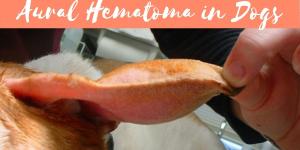
Dogs can often develop small lumps, some temporary, others permanent. Since they are active animals, they may sustain injuries when they are too boisterous. Insect bites and parasites are attracted to their fur, which can result in lumps and swelling. These can all affect the ear, but many might resolve...

Updated
Updated
We love to look into our dogs' eyes and feel close to each other. If we notice certain changes in coloration, we should know this is not a normal sign. There are certain circumstances which can lead to blue eyes in dogs. It might not be something you see occurring immediately, often progressing over time....
The renal system in dogs includes the kidneys, ureter, bladder and urethra. It is part of the larger urogenital system. The main purpose of this system is to remove waste products from the body, but it is also used to regulate the blood and control levels of various substances in the body. Renal disease...

There may be some metaphoric truth to the phrase ‘let sleeping dogs lie’. While dogs need a lot of rest to maintain their energy, if your dog is sleeping too much, ignoring it could be dangerous. Many health issues share similar symptoms, and sleeping more than usual is common to many problems. Some are...

A dog limping can be a heartbreaking sight. Lameness in any of a dog's four limbs can occur for various reasons, some temporary and others permanent. Examining the affected leg can sometimes help us determine what may be causing the limp. Due to the varying causes, your dog may limp without appearing to be in...

A tumor is an abnormal growth of cells that can occur in any part of the body. Tumors, also known as neoplasms, can be benign or malignant; malignant tumors are cancerous. Brain tumors in dogs are not very common, but they can occur for no apparent reason, which is why it is important to recognize the...

Hyperthyroidism is not necessarily a condition we associate with dogs. Fortunately, this is because it is relatively rare. However, for dogs which are affected by this condition, their lives can be dramatically affected. This is why AnimalWised investigates hyperthyroidism in dogs and provides information...
If we see a dog with a purple tongue, there is a very important distinction we need to make. Some dogs naturally have tongue pigmentation that appears purple, blue or even black in color. These are the minority of dogs, but it is a trait that is common in certain breeds. If your animal is such a dog, then...
Different dogs have varying capacities for drooling. Much of this has to do with the shape of their mouths. However, the amount and consistency of any dog's saliva can reveal something about their health and well-being. If a dog's mouth is dry, their saliva will be thick and sticky. It is unlikely thick...

You may be aware that dogs often go somewhere quiet when they are about to die. For this reason, when you see your dog is hiding and acting strange, you may fear the worst. While it is a possibility we need to consider, there are many different reasons for this weird behavior in dogs. It may be a health...
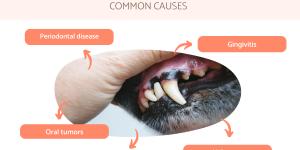
If your dog has black gums, it is important to know when this is normal and when it is a sign of a health problem. Poor dental hygiene is a common issue of the latter. Many oral diseases can worsen over time or, in some cases, lead to other pathologies. The moment we realize something is wrong with...

On hot days or if they have just completed exercise, it is normal for a dog to breathe short and fast. They are breathing in to balance their body temperature and ensure they have enough oxygen to recover. This is a normal physiological process. However, accelerated breathing can have a pathological origin,...
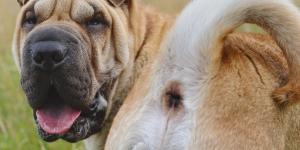
The anal glands of a dog are something we ignore at the animal's peril. Sacculitis, also known as anal sac disease, is something which often gets ignored in its initial stages. Part of the problem is that it can be difficult to tell the difference between normal and abnormal discharge from the glands.
If...

When we adopt a dog, seeing them stretch is often adorable. They may stretch out on their bed, your bed, the grass or on the kitchen floor. It's a normal behavior which often shows they are tired or are emerging from a deep sleep. However, as with any behavior, if a dog is stretching a lot and seems...

Since we take our dogs out for walks and witness them urinate, we might notice there is something different about their urine. While we need to ensure it is not something that was already on the ground, crystals in the dog's urine are a worrying. This is because they may indicate the presence of bladder...

There are dogs of many shapes and sizes, all with particular characteristics. These characteristics may be related to their body shape, coat type, or even their ears. Some have short ears which stand erect, while others have long ears that droop down past the face. However, it is not common to have a...

A dog's tail is an important indicator of their mood. When the tail is in different positions, it will let us know if they are fearful, happy or a wide range of emotions. When we notice that the dog is not moving their tail for any reason and it hangs limp, we should know that is not normal. Some may...

Dogs are very curious and playful animals. They're willing to put their nose just about anywhere in order to discover something new. This may lead them to some dangerous scenarios. One of them being getting stung by a wasp.
In this AnimalWised article, we're going to explain what you should do if your...

If your dog has suddenly began avoiding you, you're probably wondering why and what you can do about it. In this AnimalWised article we're going to explain the different causes of avoidance in dogs.
We'll also talk about what you can do to help them get back to their normal self and how to prevent them...

Our dog's physical well-being is related to us through various signs and symptoms. A lackluster coat implies their immunity might be low. Open wounds show us they have suffered some physical trauma. What might not be as obvious to us is a problem related to smell. When standing, a dog's paws are far from...

The color of a dog's vomit can tell us a lot about its cause. Whether relatively clear or opaque, the color of their vomit is not only determined by what they have eaten. The contents of the animal's stomach can include bodily fluids which shouldn't be in there, including blood. When a dog is throwing up...

Esophagitis or inflammation of the esophagus in dogs can be caused by many factors, such as hiatal hernias, reflux, parasites, drugs, and more. As a dog's caregiver, it's important that we can recognize the symptoms as soon as possible to bring our dog to the veterinarian for a proper diagnosis and treatment.
Keep...

Our dog's ears act as an indicator of their well-being. As part of their canine body language, their position can tell us if they are angry, relaxed or in any particular mood. However, our dog's ears can also indicate something about their physical health. If they are warm, they might be telling us something...

While spaying is recommended by veterinarians for female dogs, there are many guardians who question whether it is best for their canine. Even if they do not want their dog to have puppies, some fear their dog may have negative repercussions. Especially if the dog is an adult, they will have developed...

Can dogs have dwarfism? Yes, dogs can experience dwarfism like other animals. This occurs when there is a lack of hormone production in our dog, leading them to experience dwarfism.
In this AnimalWised article we're going to explain what dwarfism in dogs is, how to detect it and its treatment. Keep...
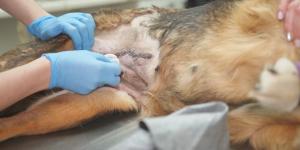
A diaphragmatic hernia can occur when a dog has suffered a traumatic event such as being in a road collision or fall. When the trauma is strong enough to cause a defect in the diaphragm, it allows abdominal viscera to pass into the chest cavity. However, there is also a congenital link to diaphragmatic...

If a dog has a lump near their anus, it can be due to various causes. Growths such as tumors are a possible factor, with perianal adenoma being a common issue. It is important to determine whether the dog has a problem with the anus itself, the anal glands, or some other part of the perianal area. Doing...

When a dog moves their mouth as if they were chewing, grinding their teeth, or chattering, one possible cause is bruxism. Also known as teeth grinding, bruxism is a clinical sign that arises from various causes. The result is often your dog making weird movements with their mouth. This can be very disconcerting,...

Some of us don't think it is possible for our dog to be sad. While they may get tired sometimes, their enthusiasm and gifts of affection seem endless. This means when they do seem to be down, it can be worrying. Not only can a dog be sad due to emotional stress, physical problems can also lead to a dog...

Part of the reasons why a puppy is so adorable is their vulnerability. An instinct in us makes us want to take care of them and for good reason. When dogs are young, they are still developing. This doesn't simply mean they are getting bigger, but important aspects of their physiology, such as their immune...
A dog's tongue is a muscle which performs various crucial functions. As with any muscle, it functions efficiently with regular exercise. Some of us may think our dog exercises their tongue excessively. Dogs stick their tongue out for various reasons, and it is rarely without purpose. Often, this behavior...
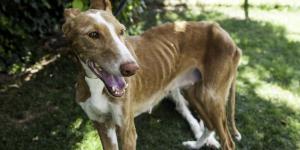
Dogs are known for their voracious appetites, but not all dogs have the same metabolism. Whether a dog loses or gains weight easily will depend on many factors, genetic inheritance due to breed being only one of them. However, when a dog loses or gains a significant amount of weight, it is always something...

Cirrhosis is advanced fibrosis of the liver characterized by loss of normal hepatic structure. This means the tissue of the liver itself becomes irreparably changed. It most often occurs as a result of chronic damage to the liver, leading to the failure of the regeneration mechanism of this organ. We may...

There are many reasons why a dog's gait will change. It should not be a surprise that older dogs start to lose mobility. As a dog ages, the wear and tear on their bones and joints will take its toll. However, when a dog loses mobility in their back legs all of a sudden, especially if they are not a...
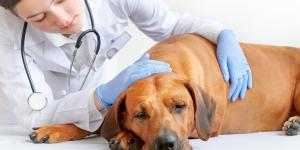
Cholestasis is a condition that can affect the biliary system of dogs. It occurs when bile is unable to flow from the liver, whether due to a blockage or suppression of bile flow. This results in the accumulation of bile in the liver since it is unable to leave. Determining the specific cause of cholestasis...

The synovial bursa is a structure around a joint which provides cushioning against trauma and general wear and tear. Since bones can cause friction when rubbing against each other, the synovial bursa helps to prevent damage from being worn down. When this structure is inflamed, it leads to a condition known...

Control of food intake is possible thanks to the interaction of gastrointestinal, nervous, and environmental factors that work together to maintain energy levels and body weight in animals. However, when an imbalance of these control mechanisms occurs, changes in food intake occur, such as polyphagia.
The...
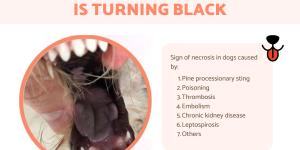
The tongue is an organ made up of various muscles which belongs to the digestive system. Different animal species will use their tongues in different ways and dogs have their own specific uses. For example, the tongue not only allows them to intake water and food, it is an essential element in regulating...
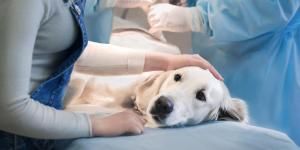
Tumors are one of the many pathologies that can affect the liver of dogs. Although primary liver tumors are not common in dogs, the liver is one of the organs where malignant tumors arising in other parts of the body most often metastasize. Liver cancer can be a silent killer in dogs because obvious...

Dogs are curious animals by nature, often accidentally eating or sniffing things that may be poisonous to them and that may seem completely harmless to you. This includes various types of plants, both indoors and outdoors, that can cause poisoning in dogs. While some plants may only cause digestive...
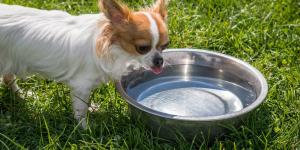
Any physical symptoms or behavioral changes in our dogs which may indicate illness need to be understood in context of their situation. Various pathologies and health conditions can cause either a lack of appetite (anorexia) or an increased water consumption (polydipsia) in dogs. When the two clinical signs...
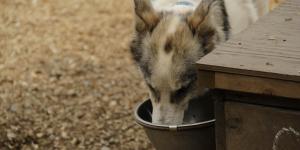
Although it depends on many individual factors, a dog should drink around 100 ml of water per kilogram of their weight per day. We can sometimes see an increase in a dog's water consumption for various reasons. This is known as polydipsia in veterinary medicine. When a dog exhibits any physical or behavioral...
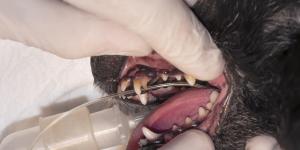
You may not be aware that dogs have baby teeth. When your puppy matures, their dentition changes in a similar way to human beings. A dog's baby teeth, also known as milk teeth, primary teeth or deciduous teeth, are smaller and sharper than their adult teeth. They should naturally fall out of their own accord...
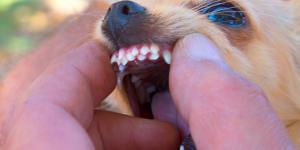
As our puppies grow up, we need to ensure their development is progressing well. Some signs this is the case can be observed more easily than others. As with any part of their body, a dog's teeth change as they mature from a puppy to adulthood. While it can be a little painful for a dog's deciduous teeth...
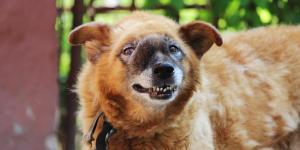
There are various types of tumor which can affect dogs. Adenocarcinomas are malignant tumors of epithelial origin that can affect a wide variety of internal organs. They are especially common in older and middle-aged dogs. The symptomatology associated with this type of neoplasm is usually non-specific,...

We can find lumps in dogs in any area of the body and with different characteristics. Most lumps and bumps are benign (non-cancerous), but some of them can be malignant (cancerous). The older your dog is, the more likely they are to get malignant lumps. The good news is that early detection and treatment...

To better understand leukopenia in dogs, we need to understand the makeup of a dog's blood. Blood is part liquid, part cellular. The liquid part is known as plasma and contains fibrinogen and serum. The cellular part is made up of erythrocytes (red blood cells), leukocytes (white blood cells) and thrombocytes...