
Other health problems of Dogs
223 articles

The Maltese dog, sometimes mistakenly called "Bichon", is a very old breed. Its origin is not known for certain, but it might have been in the Sicilian city of Melita or the Méléda Island in the Adriatic Sea. These dogs were bred to hunt mice on ships and harbors of the Mediterranean. Nowadays they are...
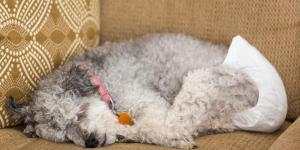
Urinary incontinence in dogs is often associated with the bookends of a dog's life. Puppies have not yet learned to properly control their bladder, so they will urinate inappropriately in the home until they are paper trained. Senior dogs lose bladder control thanks to the deterioration of genitourinary tissues...
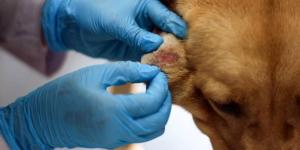
Finding a lump anywhere on our dog's body will be cause for concern, but lumps on a dog's head mean they are on a particularly sensitive part of their anatomy. For example, the proximity to the brain makes metastasis of cancers even more dangerous than it already is. This doesn't mean lumps or bumps on...

Especially before they are toilet trained, it is common for a dog to pee a little inside the home. This is a particularly common issue in puppies. Once they have been trained to go outside, it is uncommon for dogs to urinate inappropriately. If they do so, they will have a reason behind it, whether of a physical...
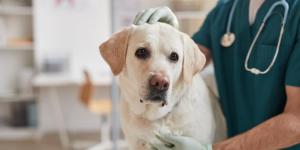
Albumin is a protein found in the blood of dogs and plays a fundamental role in the transport, maintenance and balance of fluids in the body. When albumin levels are altered, serious health problems can be triggered. A reading of canine low albumin levels can also be a symptom of a serious health condition...
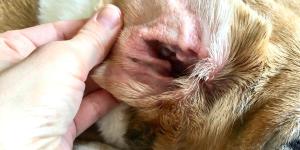
A dog's ears are one of the most sensitive areas of their body. For hearing to occur, the muscles and tissues which make up the ear are very sensitive. Being extremities, they are more exposed to the external environment. This includes the elements, such as the rain, wind and cold. They are also exposed...

A dog that suddenly stops moving is in trouble. While you may see they are still breathing, their lack of response means there is a serious problem with their organism which needs immediate veterinary attention. It is not common and some of the reasons why a dog stops moving are potentially fatal. You...

Complications after neutering surgery are rare, but we need to be observant for any possible sign of a problem. Some symptoms are more obvious than others, such as bleeding from the incision wound. A dog not urinating after they have been neutered can be observed if they struggle or simply do not attempt...

While spaying is recommended by veterinarians for female dogs, there are many guardians who question whether it is best for their canine. Even if they do not want their dog to have puppies, some fear their dog may have negative repercussions. Especially if the dog is an adult, they will have developed...

A dog twitches when they lie down due to tremors and muscle contractions. While this twitching can be a normal response to physical activity, it can also be a symptom of certain physiological or emotional pathologies. While we can recognize tremors or twitching easily in the dog, it is more difficult...

Also known as hip luxation, dog hip dislocation is a disorder that is considered a veterinary emergency and requires immediate intervention. Most dogs that suffer a dislocated hip will know something is wrong, but they will not likely know the exact nature of the problem. This means they will try to...
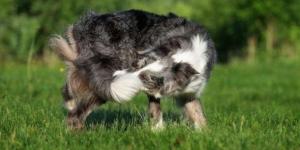
Running around in circles or even chasing their tail is not abnormal behavior in dogs. It is often a healthy expression of their canine nature. Like all dog behaviors, if the behavior becomes compulsive or it is accompanied by signs of distress or discomfort, it may be a symptom of a problem. Various physiological...

Diabetes mellitus is one of the most frequent chronic diseases diagnosed in small animal veterinary clinics. For some dog guardians, it is surprising since dogs do not generally eat a lot of sugar in their diet, but this is due to a mischaracterization of the disease. Despite such prevalence, especially in older...
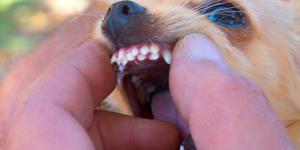
As our puppies grow up, we need to ensure their development is progressing well. Some signs this is the case can be observed more easily than others. As with any part of their body, a dog's teeth change as they mature from a puppy to adulthood. While it can be a little painful for a dog's deciduous teeth...
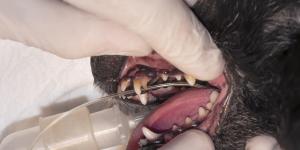
You may not be aware that dogs have baby teeth. When your puppy matures, their dentition changes in a similar way to human beings. A dog's baby teeth, also known as milk teeth, primary teeth or deciduous teeth, are smaller and sharper than their adult teeth. They should naturally fall out of their own accord...
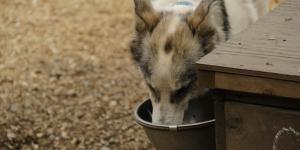
Although it depends on many individual factors, a dog should drink around 100 ml of water per kilogram of their weight per day. We can sometimes see an increase in a dog's water consumption for various reasons. This is known as polydipsia in veterinary medicine. When a dog exhibits any physical or behavioral...
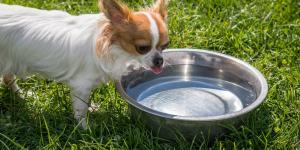
Any physical symptoms or behavioral changes in our dogs which may indicate illness need to be understood in context of their situation. Various pathologies and health conditions can cause either a lack of appetite (anorexia) or an increased water consumption (polydipsia) in dogs. When the two clinical signs...

Dogs are curious animals by nature, often accidentally eating or sniffing things that may be poisonous to them and that may seem completely harmless to you. This includes various types of plants, both indoors and outdoors, that can cause poisoning in dogs. While some plants may only cause digestive...
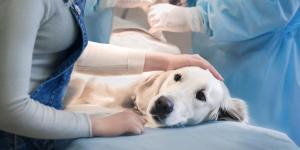
Tumors are one of the many pathologies that can affect the liver of dogs. Although primary liver tumors are not common in dogs, the liver is one of the organs where malignant tumors arising in other parts of the body most often metastasize. Liver cancer can be a silent killer in dogs because obvious...
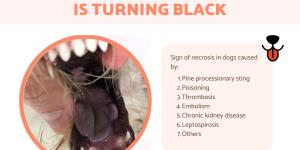
The tongue is an organ made up of various muscles which belongs to the digestive system. Different animal species will use their tongues in different ways and dog have their own specific uses. For example, the tongue not only allows them to intake water and food, it is an essential element in regulating...

Control of food intake is possible thanks to the interaction of gastrointestinal, nervous, and environmental factors that work together to maintain energy levels and body weight in animals. However, when an imbalance of these control mechanisms occurs, changes in food intake occur, such as polyphagia.
The...
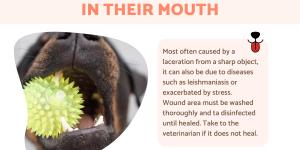
Whether on their tongue, cheek or any part of the mouth, it is not always easy to see when our dog has oral health problems. Not only are cuts, lacerations, ulcers and sores on the inside of their mouth difficult to see, but dogs are particularly good at hiding signs of pain. If your dog has a cut in their...

The synovial bursa is a structure around a joint which provides cushioning against trauma and general wear and tear. Since bones can cause friction when rubbing against each other, the synovial bursa helps to prevent damage from being worn down. When this structure is inflamed, it leads to a condition known...
Cholestasis is a condition that can affect the biliary system of dogs. It occurs when bile is unable to flow from the liver, whether due to a blockage or suppression of bile flow. It results in the accumulation of bile in the liver since it is unable to leave. Determining the specific cause of cholestasis...
There are many reasons why a dog's gait will change. It should not be a surprise that older dogs start to lose mobility. As a dog ages, the wear and tear on their bones and joints will take its toll. However, when a dog loses mobility in their back legs all of a sudden, especially if they are not a...
Cirrhosis is advanced fibrosis of the liver characterized by loss of normal hepatic structure. This means the tissue of the liver itself becomes irreparably changed. It most often occurs as a result of chronic damage to the liver, leading to the failure of the regeneration mechanism of this organ. We may...
Dogs are known for their voracious appetites, but not all dogs have the same metabolism. Whether a dog loses or gains weight easily will depend on many factors, genetic inheritance due to breed being only one of them. However, when a dog loses or gains a significant amount of weight, it is always something...

Part of the reasons why a puppy is so adorable is their vulnerability. An instinct in us makes us want to take care of them and for good reason. When dogs are young, they are still developing. This doesn't simply mean they are getting bigger, but important aspects of their physiology, such as their immune...
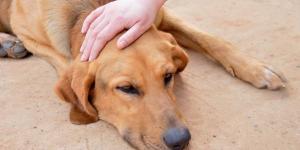
If a female dog has not been spayed, they will enter their estrus cycle. This is also known as going into heat. Various physical and behavioral changes occur during this process. It is necessary for cats to mate and have kittens, but it is something which can be very disruptive in domestic cats. One of...
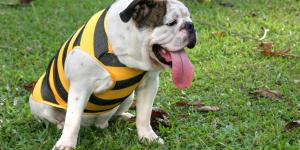
A dog's tongue is a muscle which performs various functions. As with any muscle, it works thanks to exercise. However, some of us may think our dog is exercising their tongue too much. Dogs stick their tongue out for various reasons and it is rarely arbitrary. Much of the time this is normal, especially...
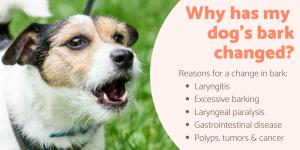
Our dog's vocalizations reveal a lot about their well-being, but they are not always easy to interpret. For example, a loud bark can be an expression of joy as much as it can be an expression of fear. Changes in a dog's vocalizations don't always signify an emotional response. When we hear our dog's voice has...
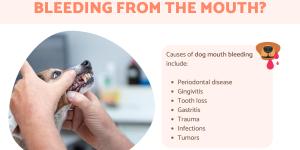
When we see blood coming from our dog's mouth, it is understandable we fear for their well-being. Blood around a dog's mouth may be due to oral health problems, but we also need to consider the fact the mouth is the beginning of the digestive tract. It is possible the blood is from the gastrointestinal...

Some of us don't think it is possible for our dog to be sad. While they may get tired sometimes, their enthusiasm and gifts of affection seem endless. This means when they do seem to be down, it can be worrying. Not only can a dog be sad due to emotional stress, physical problems can also lead to a dog...

It is all too easy to ascribe human traits and characteristics to our dogs. Not only do they become a member of the family, but the love they reciprocate is real and evidenced in their behaviors. We can see a similar love when a mother dog gives birth to her puppies. She will care for them and ensure...

It is common for a dog to make gulping noises when eating, especially if they are large. While it will differ according to individual, the domestic canine is known for their voracity. Many of us need to temper this by providing smaller portions or even using special feeders to slow their food consumption. Sometimes...

When a dog moves their mouth as if they were chewing, grinding their teeth or chattering, one possible cause is bruxism. Also known as teeth grinding, bruxism is a clinical sign which arises from various causes. The result is often your dog making weird movements with their mouth. This can be very disconcerting,...
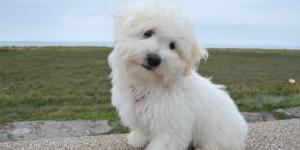
There are many different health issues which can result in tremors in a dog's body. Many of these are physical, often the result of trauma or age. Some are congenital, meaning they have a genetic predisposition toward certain symptoms. One cause which may dog guardians often overlook is a neurological...

If a dog has a lump near their anus, it can be due to various causes. Growths such as tumors are a possible factor, with perianal adenoma being a common issue. It is important to determine whether the dog has a problem with the anus itself, the anal glands or some other part of the perianal area. Doing...
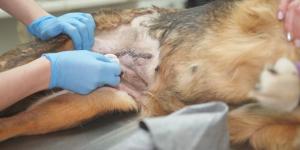
A diaphragmatic hernia can occur when a dog has suffered a traumatic event such as being in a road collision or fall. When the trauma is strong enough to cause a defect in the diaphragm, it allows abdominal viscera to pass into the chest cavity. However, there is also a congenital link to diaphragmatic...

Can dogs have dwarfism? Yes, dogs can experience dwarfism like other animals. This occurs when there is a lack of hormone production in our dog, leading them to experience dwarfism.
In this AnimalWised article we're going to explain what dwarfism in dogs is, how to detect it and its treatment. Keep...

Chihuahuas are the smallest dog breed in the world. Although they can vary in weight and size, they have a small frame. We can often see their skeletal structures through their skin, as is the case with other breeds such as the Greyhound. Also similar to the Greyhound, Chihuahuas often develop a tremor...

Our dog's ears act as an indicator of their well-being. As part of their canine body language, their position can tell us if they are angry, relaxed or in any particular mood. However, our dog's ears can also indicate something about their physical health. If they are warm, they might be telling us something...

Esophagitis or inflammation of the esophagus in dogs can caused by many factors, such as hiatal hernias, reflux, parasites, drugs and more. As a dog's caregiver, it's important that we can recognize the symptoms as soon as possible so as to bring our dog to the veterinarian to get properly diagnosed...

If a dog's poop starts solid then turns runny, it indicates they are affected by small intestine diarrhea. This type of diarrhea in dogs can be caused by various pathologies or infections. Such diseases can seriously affect their nutritional status and health by interfering with the proper absorption...
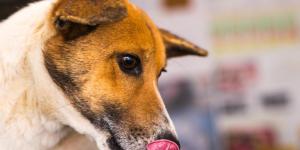
The color of a dog's vomit can tell us a lot about its cause. Whether relatively clear or opaque, the color of their vomit is not only determined by what they have eaten. The contents of the animal's stomach can include bodily fluids which shouldn't be in there, including blood. When a dog is throwing up...

As with human beings, companion animals can suffer from various types of cancer. These can appear on almost any part of the body and present with varying symptoms, often dependent on the location. One of the most common symptoms is the presence of a lump, although it is important to note that lumps can...

Getting your dog to take the pills they need can be very difficult if they're being picky and uncooperative. Thankfully, there are different ways to trick them into taking the pills.
In this AnimalWised article we're going to give you 5 effective ways to get your dog to take their pills after surgery,...
Our dog's physical well-being is related to us through various signs and symptoms. A lackluster coat implies their immunity might be low. Open wounds show us they have suffered some physical trauma. What might not be as obvious to us is a problem related to smell. When standing, a dog's paws are far from...

If your dog has suddenly began avoiding you, you're probably wondering why and what you can do about it. In this AnimalWised article we're going to explain the different causes of avoidance in dogs.
We'll also talk about what you can do to help them get back to their normal self and how to prevent them...
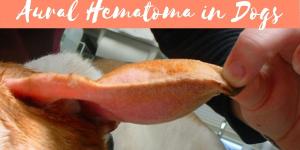
Dogs can often develop small lumps, some temporary, others permanent. Since they are active animals, they may sustain injuries when they are too boisterous. Insect bites and parasites are attracted to their fur which can result in lumps and swelling. These can all affect the ear, but many might resolve...