My Dog Has a Swollen Penis - Dog Penis Problems


See files for Dogs
Dogs perform self-grooming and many guardians notice they will often pay particular attention to their genitals. A healthy dog can spend more time than seems necessary licking the area, but we need to be careful if they are being excessive. For male dogs, excessive licking of the genitals can highlight a penis problem with the dog. If we see the penis is red and swollen, we should take note and take them to a veterinarian.
At AnimalWised, we discuss what might be the problem if your dog has a swollen penis. While some serious injuries and conditions may be the cause, many can be resolved with the right treatment. Keep reading to find out more.
Male dog genital anatomy
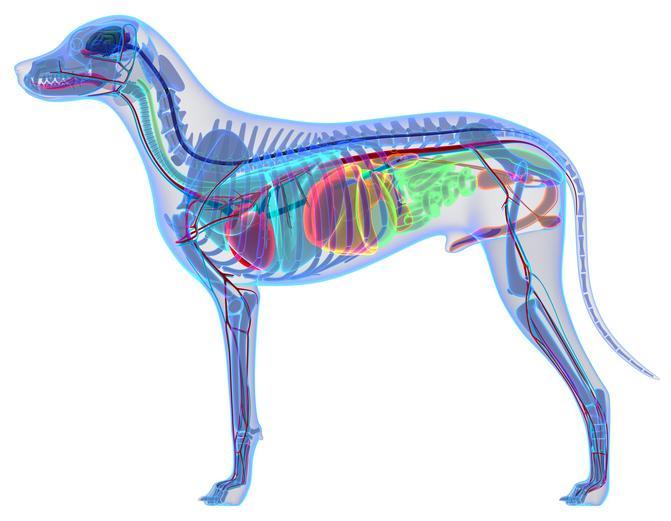
Before explaining why your dog's penis may be inflamed or irritated, we need to have a basic understanding of their genital anatomy. The penis, testicles, and prostate of male dogs are all anatomical elements susceptible to various pathologies. In this case, we are focusing specifically on the penis, but there are certain diseases and conditions which link them all.
Like humans, male dogs are born with a foreskin known as the prepuce. Unlike humans, they have a glans penis at the base of the shaft, not at the top. This is known as the glans bulb, and we only see it when the penis is erect. Penile infections can affect various parts, including the prepuce, the frenulum, or multiple parts.
As with all parts of the dog, the genitals will develop as they age. Once the male dog reaches sexual maturity, it means they can produce sperm between 6 to 12 months of age. However, this will depend on certain factors, including size and breed. For example, larger dogs generally tend to mature slower than smaller dogs. Similarly, once they reach sexual maturity, they will try to find a mate. Some behaviors might seem strange to us. For example, we explain why your male dog might try to mount other males.
It should be noted that understanding this anatomy is crucial for recognizing when something is amiss. Observing any unusual behavior or physical changes can help in early detection and treatment of potential problems.
Causes of inflammation of a dog's penis
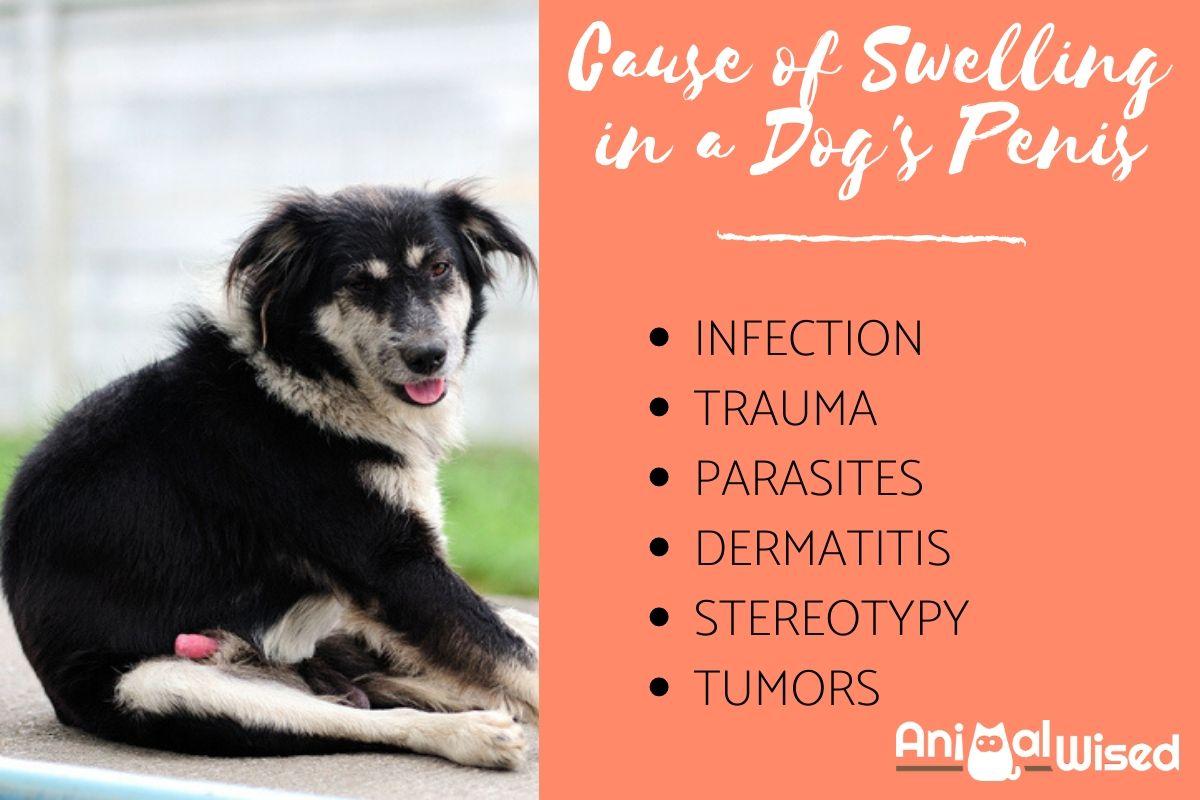
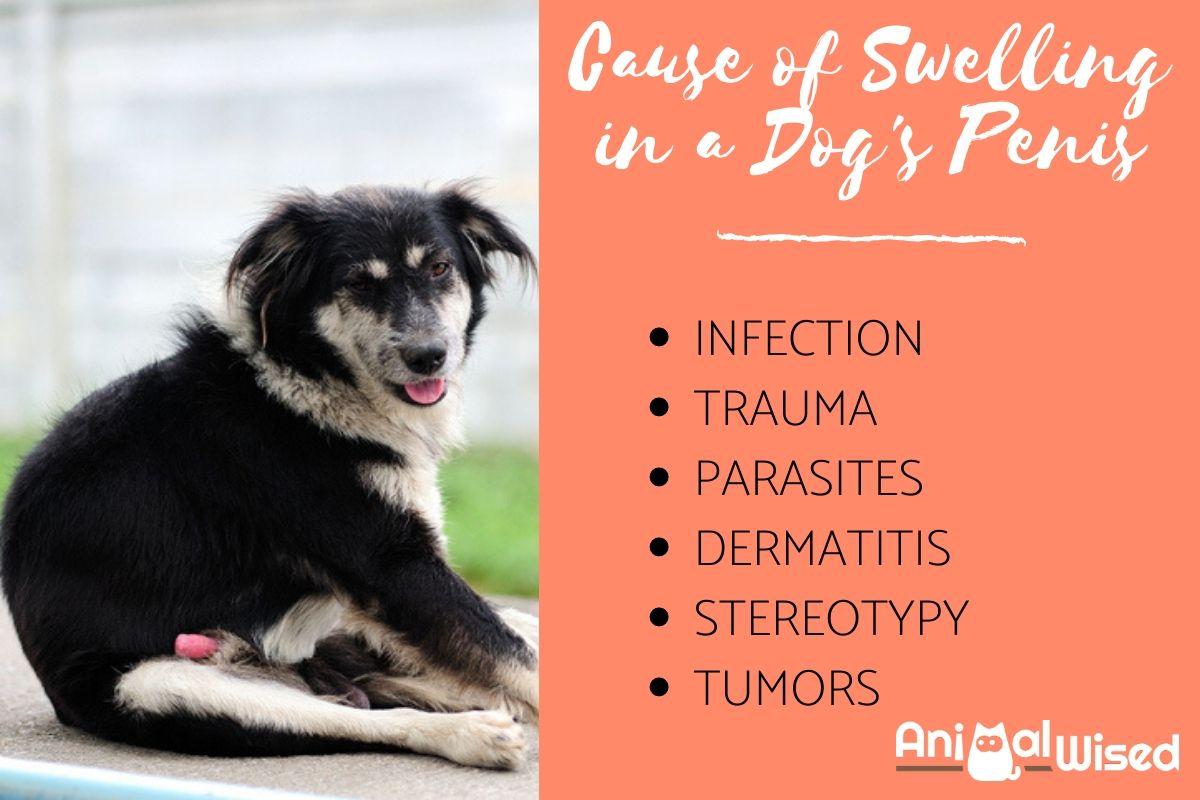
The umbrella term for a swollen penis in dogs is balanoposthitis. This is when the glans, prepuce, and/or the shaft of the dog's penis is swollen. If only the prepuce alone is inflamed, it is referred to as balanitis. The causes of balanoposthitis in dogs include:
- Paraphimosis
- Physical trauma
- Viral infection
- Bacterial infection
- Fungal infection
- Parasitical infestation
- Urinary tract infection
- Presence of a foreign body
- Dermatitis
- Stereotypy
- Transmissible venereal tumor
Since these causes of swelling in a dog's penis are varied, we will take a look at some of them individually. Additionally, while it may seem obvious, we need to ensure the swelling is not a normal erection. When the dog is mating, you will notice they may get stuck to the female. This is caused by normal swelling of the dog's glans penis and its purpose is to ensure the deposit of sperm for fertilization.
Understanding these causes can help in taking preventive measures. For instance, maintaining good hygiene and regular veterinary check-ups can minimize the risk of infections. It is also beneficial to be aware of your dog's behavior, as sudden changes can signal underlying issues. To know more, you can read our article on balanoposthitis in dogs.

Paraphimosis of a dog's foreskin
This condition occurs when the glans penis becomes stuck behind the dog's foreskin. When it occurs, we may confuse it with an erection because the dog's penis is swollen, inflamed, and not retracted. However, an erection will eventually subside. With paraphimosis, the glans is unable to retract because the prepuce is too tight.
Causes of paraphimosis can be due to various issues, but it is believed that the most common is due to the growth of hair around the prepuce. Long hairs around the prepuce impair its mobility, so when the penis tries to retract, it gets stuck. It can also be caused by mishandling of the penis. The dog themselves might lick their penis excessively and inadvertently cause paraphimosis.
When a dog has an inflamed, red and irritated penis, we need to ensure we go to the veterinarian for diagnosis. If they confirm paraphimosis, it is important treatment commences quickly in case permanent damage is caused. As an emergency measure, we may be able to lubricate the penis with petroleum jelly or even olive oil. The penis is then retracted into the body. If manual manipulation does not work or paraphimosis recurs regularly, surgical intervention may be required.
Prevention of paraphimosis can be helped by trimming excess long hairs around the penis. We also need to be careful when a dog's penis becomes erect to mount objects. Observe to ensure the penis retracts fully. If not, we may need to take them to the veterinarian. If the condition is not treated, necrosis can occur.
In this regard, it is crucial to act swiftly to prevent complications. Educating oneself about these issues and being proactive in caring for your dog's grooming needs can significantly reduce the risks associated with paraphimosis.
Balanoposthitis in dogs caused by infection
It can happen that the dog's penis is not only red and swollen, but also there is purulent and odorous discharge. If your dog has pus coming from their penis, it is indicative of balanoposthitis caused by infection. This is an infection which affects the foreskin and glans penis.
The term is an umbrella term for inflammation of the glans and prepuce, so the causes can be varied. The inflammation could be due to an infection, whether bacterial, viral, or fungal. Various infections may be linked to the problem, some of them potentially transmitted sexually.
Infections like these require prompt veterinary attention. Diagnosis often involves laboratory tests to identify the specific pathogen responsible. Treatment usually includes antibiotics or antifungal medications, depending on the type of infection. Regular check-ups can help detect these infections early, allowing for more effective treatment.
Balanoposthitis caused by infestations and dermatitis
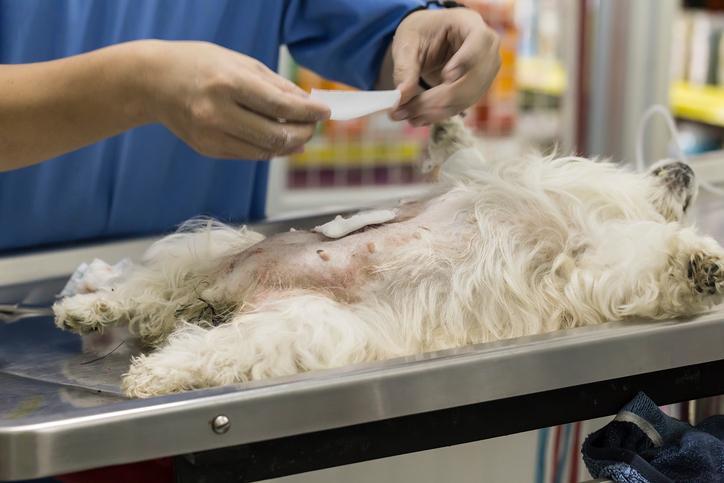
Insect bites, mites, and even parasitical infestations can lead to swelling of the glans and foreskin. Because the penis is protruding and on the undercarriage, the bites or parasites may go to this area. Dermatitis is another umbrella term for various types of swelling of the skin. Skin swelling can happen on any part of the body, including the penis. Contact dermatitis is a common cause of irritated skin. Since the dog's penis is underneath their body, it can come in contact with substances when they lie down on the ground and a reaction is caused.
Allergies are a similar cause of balanoposthitis. If the dog has an allergy to a fabric softener, for example, they may develop penile irritation when lying on a blanket which has been washed with it.
Prevention of infestations and dermatitis involves maintaining a clean environment and regular grooming. Using hypoallergenic products can minimize the risk of allergic reactions. It is also advisable to monitor your dog's outdoor activities, as this can expose them to various allergens and parasites.

Balanoposthitis in dogs caused by stereotypy
When a dog is stressed or anxious, one of the symptoms they may develop is known as a stereotypy. This is characterized as a repetitive behavior which has no obvious purpose. It may lead to a dog excessively licking or even biting their penis out of stress and/or frustration. The physical damage can lead to swelling and pain in the dog.
Treatment of a stereotypy requires finding the cause of the stress and eliminating it from the dog's environment. However, physical treatment of the penis may also be required, dependent on how much damage has been inflicted.
To address stereotypy effectively, it's crucial to provide a stress-free environment for your dog. This could involve behavior modification strategies, increased physical activity, or even the use of calming supplements. Consulting with a professional animal behaviorist can also provide valuable insights for managing stereotypy.

Balanoposthitis caused by a transmissible venereal tumor
Fortunately, the last cause of penis swelling in a dog is also one of the rarest. Cancers are not believed to be transmissible in human beings, but there is a kind of tumor in dogs which is passed on via mating. It is known as a transmissible venereal tumor (TVT) and it can lead to swelling in a dog's penis. More specifically, there will be an inflamed tumor which appears as a lump on the prepuce of the penis.
Only about 5% of cases of TVT will metastasize into cancer. It generally responds well to treatment, most often a combination of surgery and chemotherapy drugs. These types of tumors in dogs can be passed to and from female dogs. For this reason, swelling of the dog's private area (vulva) can be due to TVT.
While it isn't a penis problem, our video below explains more about what happens to dogs when mating.
Regular veterinary check-ups can help in the early detection of TVT, which is crucial for successful treatment. Owners should be vigilant about any unusual lumps or bumps on their dogs and seek professional advice promptly.

This article is purely informative. AnimalWised does not have the authority to prescribe any veterinary treatment or create a diagnosis. We invite you to take your pet to the veterinarian if they are suffering from any condition or pain.
If you want to read similar articles to My Dog Has a Swollen Penis - Dog Penis Problems, we recommend you visit our Reproductive system diseases category.