The Capybara as a Pet


 Add us on Google
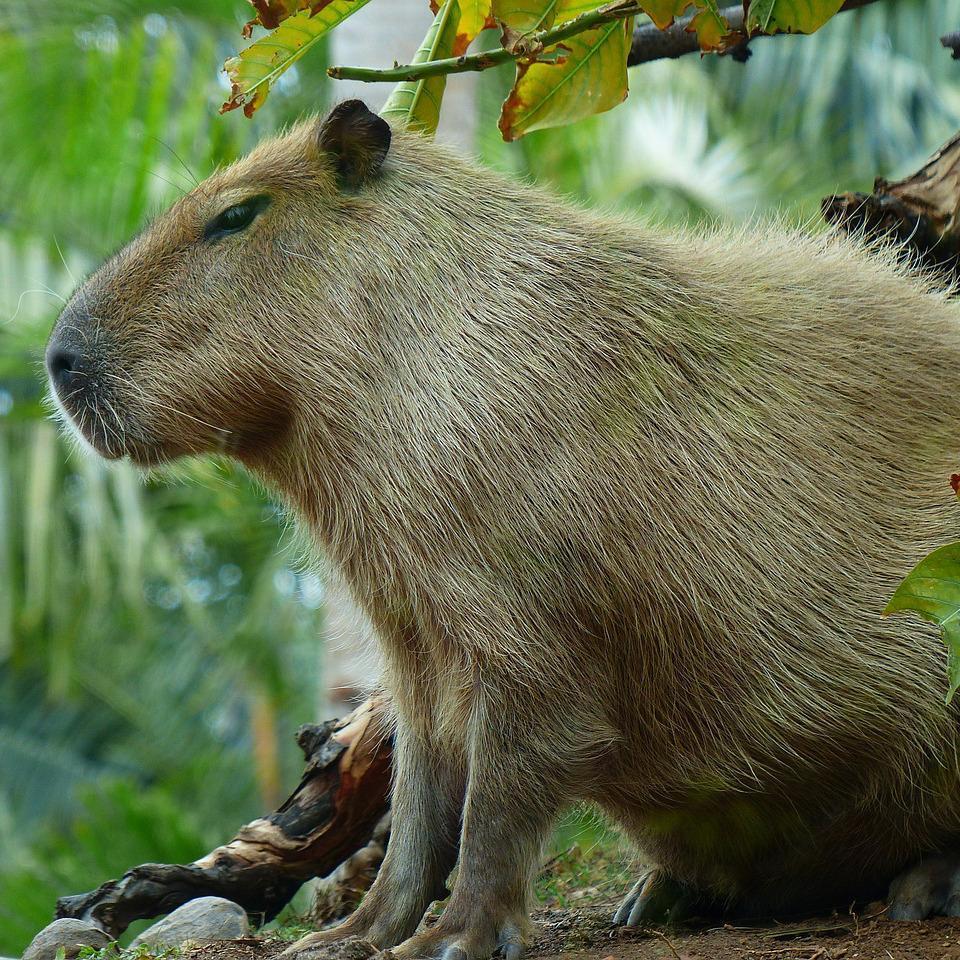
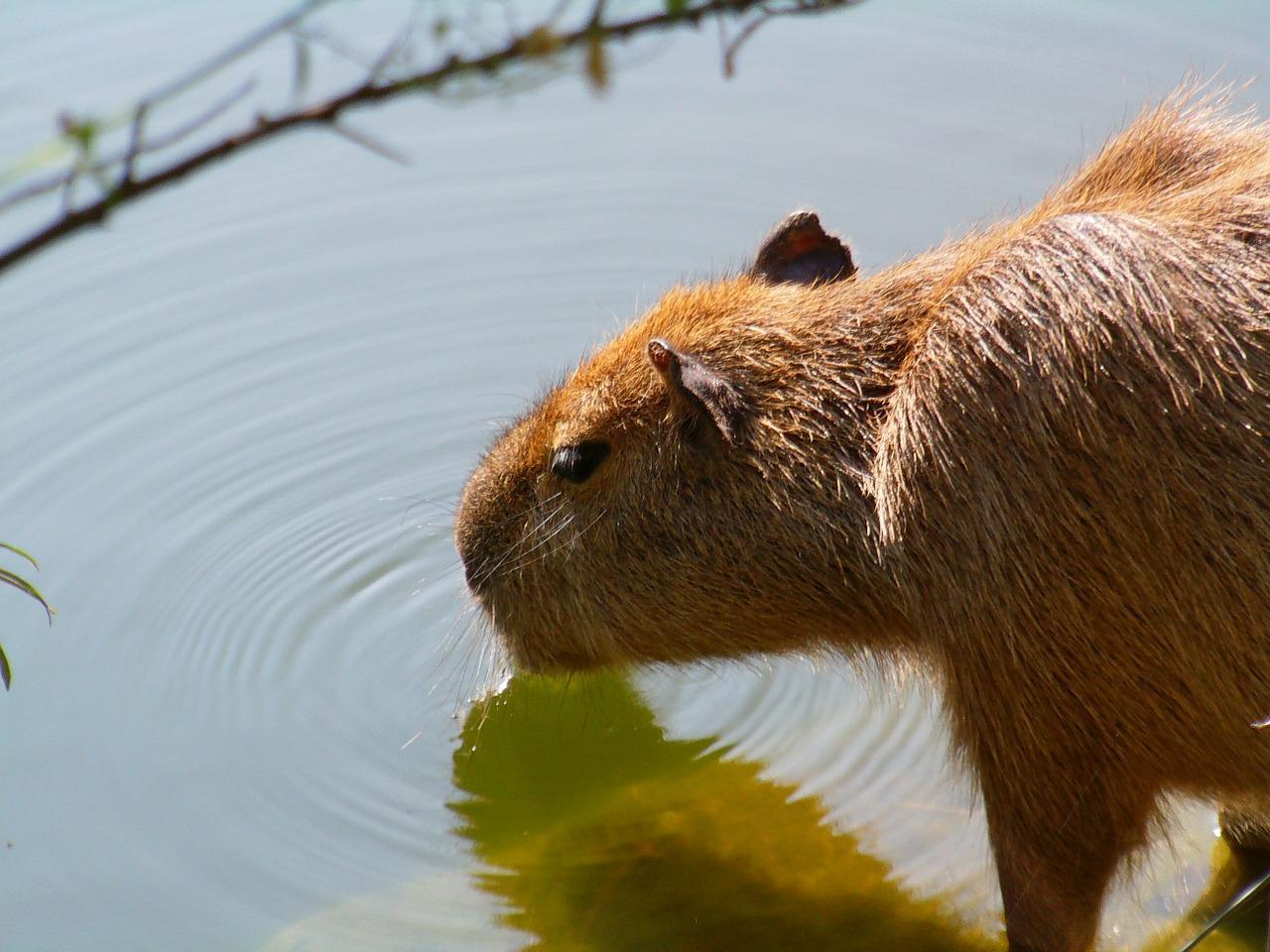
If you want to have a capybara as a pet, it's essential that your house has a garden in which you can install a plastic pool of a certain size. If you look at the morphology of the animal, you'll understand that this is a clearly aquatic species: Its eyes and ears are on the top of its head and it has webbed feet.
If you want your pet capybara to be happy and healthy, you must provide it with a suitable habitat. Keep reading this Animal Wised article and learn about the basic requirements to keep a capybara as a pet.
Characteristics of capybaras
Capybaras are animals from South and Central America. They are the largest rodents in existence, and they are not one but divided into two species:
- Hydrochoerus isthmius: The smallest of the two species, also called "lesser capybara".
- Hydrochoreus hydrochaeris: The biggest of the two.
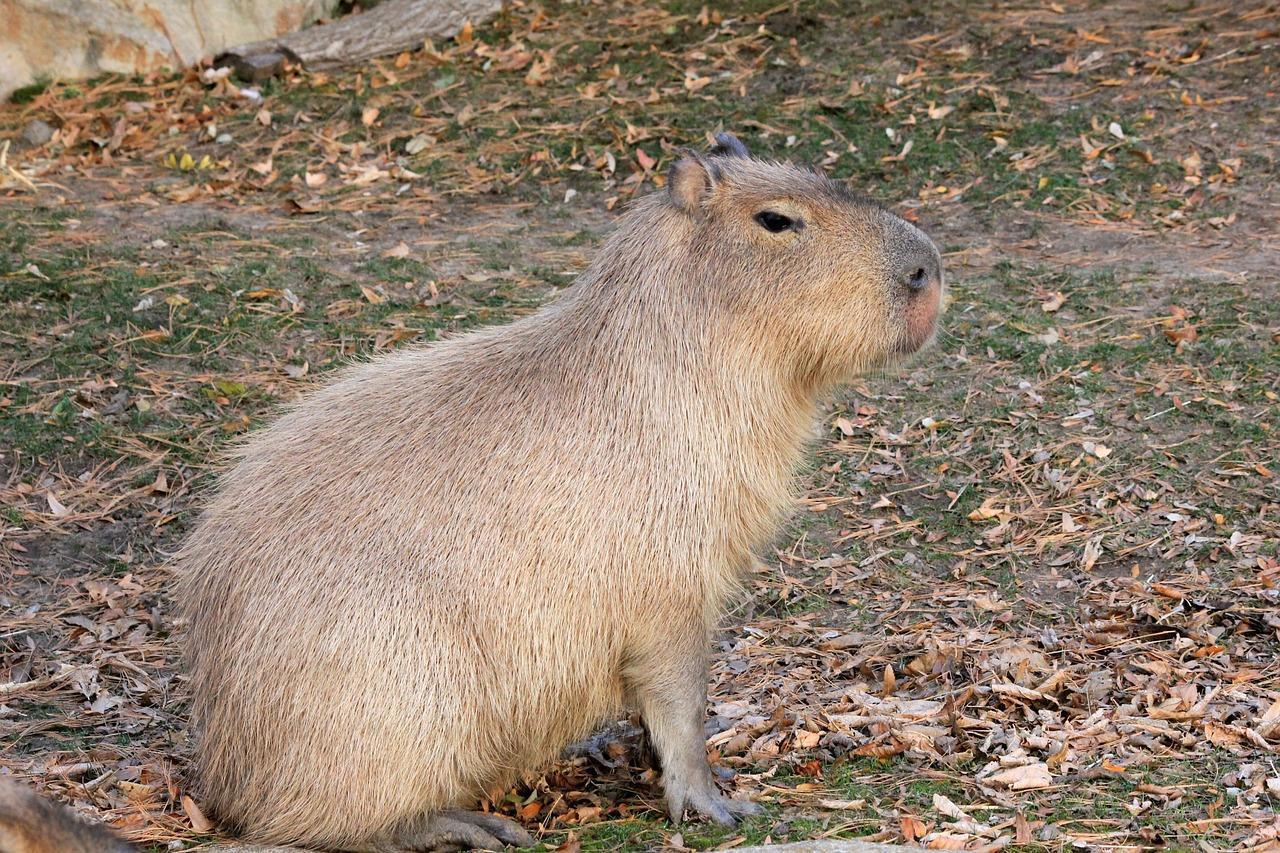
Capybaras can weigh up to 65 kg - 145 pounds. Female capybaras are bigger, while males weigh about 10 to 15 kg (22 to 33 pounds) less.
Besides their size, capybaras are known for their sociable nature and adaptability in different environments. They are semi-aquatic creatures, thriving in areas where water is abundant, such as marshes and riverbanks. Their webbed feet aid in swimming, making them excellent swimmers.

Dietary habits of the capybara
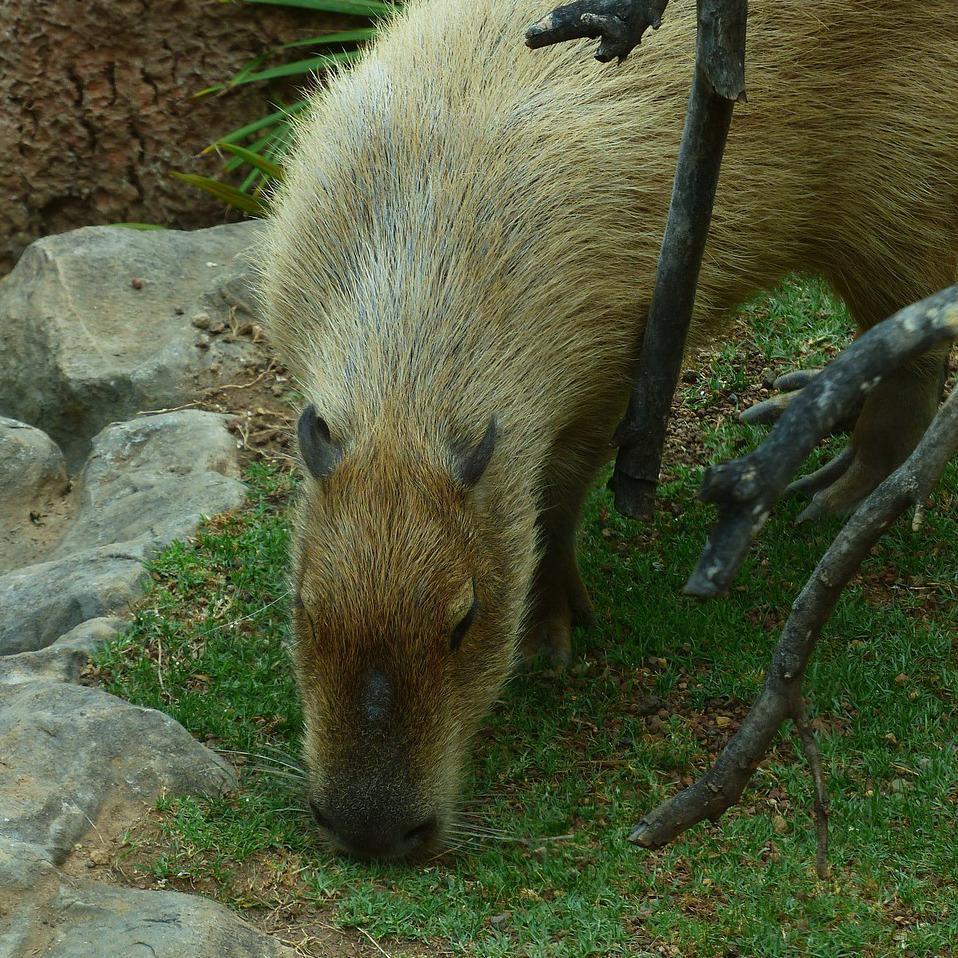
Capybaras eat grass, lake algae and occasionally - like guinea pigs - their own waste, in order to digest food more thoroughly. Their feces are oval-shaped and dry. In captivity they eat watermelon, corn, lettuce, and a wide range of fruits and vegetables.
Capybaras don't produce vitamin C by themselves, which is why they should be given supplements when kept in captivity in order to prevent scurvy, or provide them with a diet rich in this vitamin.
In the wild, they graze during the morning and late afternoon, avoiding the midday heat. This natural grazing pattern should be mimicked as closely as possible in a domestic setting to ensure they remain healthy and content.

Can you keep a capybara as a pet?
The capybara can be tamed. It is a clean and friendly animal, providing that a number of important rules are met. Firstly, you must bear in mind that capybaras live in packs. Only a few males live alone. Therefore, if you only wish to adopt one capybara, it's better for it to be a male. If you are able to have several, male-female or female-female could be a good combination.
Whatever the case, males should be sterilized to prevent them from becoming aggressive when they reach adulthood. Males are territorial. Sterilization should take place between 6 and 9 months old.
It's also important to consider legal regulations regarding capybara ownership in your area. Some regions have specific laws about keeping exotic animals, and it's crucial to comply with these to avoid legal issues.

Advice on getting a capybara as a pet
Pet capybaras should only be acquired from pet shops with guarantees. Avoid buying them online without guarantees; you may be in for an unpleasant surprise, as these animals are expensive to acquire, given how exotic they are.
Additionally, before bringing a capybara home, ensure you have consulted with a veterinarian who is experienced in exotic pets. They can provide valuable advice on the specific needs and potential health issues of capybaras.
Keeping your pet capybara healthy
Pet capybaras have a life expectancy twice as long as those in the wild. In captivity they can live for up to 12 years. If their habitat is suitable, they are not difficult to care for.
However, if you keep them in a flat where you cannot bathe them whenever they need it, they will easily suffer from skin disorders that can be fatal. Capybaras are prone to getting sunstroke because their fur is thin in some areas. Therefore they wallow in mud to protect themselves from solar radiation.
It is imperative that a vet keeps an eye on the health of your capybara, just like if your pet were a dog a or cat.
Regular check-ups will help in early detection of any health issues, ensuring your pet remains active and happy. Attention to dental health is also important, as overgrown teeth can cause problems for capybaras.

Taming capybaras
Capybaras can be tamed. They are intelligent animals which can be taught a range of tricks and behaviors. They can ask for food, sit down and show affection, among many other habits.
Capybaras make a wide range of sounds to show their happiness, alert, submission and many other specific states.
Patience and consistency in training are key. Using positive reinforcement techniques, such as treats and praise, can help in building a strong bond with your capybara.
Is it right to get a capybara as a pet?
Capybaras can be perfect pets if their specific needs are met: A place to shelter, grass and straw, plus a shallow pool full of water, which is essential.
Food is also an important point, but this is not an expensive item that should prevent you from getting one.
However, potential owners should consider the ethical implications of keeping such an exotic animal. Capybaras are social creatures that thrive in their natural environment, and replicating this setting in a domestic space can be challenging. Ensuring the animal's welfare should always be a priority.
If you want to read similar articles to The Capybara as a Pet, we recommend you visit our What you need to know category.