Types of Ants - Characteristics and Photos


 Add us on Google
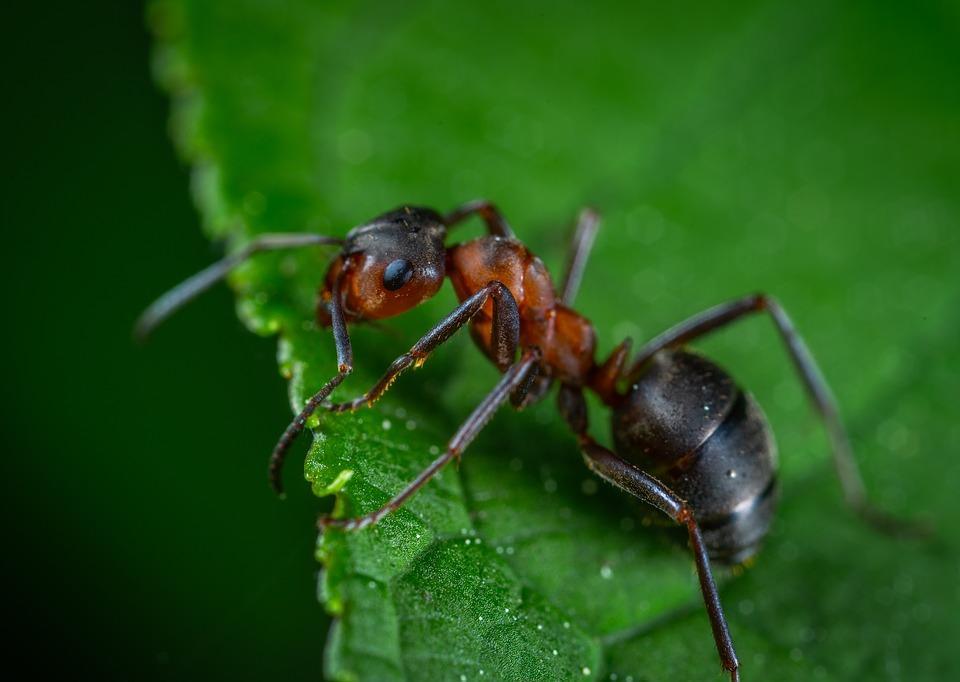
Ants are a common insect distinguished by their remarkable sense of organization. These eusocial insects evolved about 140 million years ago and have adapted to thrive in nearly every habitat around the world. Despite their small size, ants play a significant role in various ecosystems, highlighting how fascinating they truly are.
Do you want to find out everything you need to know about the ant species? If so, you’ve come to the right place! Here at AnimalWised not only will we be offering you a list of the most common 10 types of ants, and we’ll also include some pictures and interesting characteristics of each, keep reading to discover more about different types of ants.
For more about these creatures, we recommend reading our article where we discuss fossorial animals: what animals live underground?
- How many types of ants are there
- Types of ants that bite
- Bullet ant
- Bulldog ant
- Red fire ant
- African ant
- Types of ants in a colony
- Carpenter ant
- Argentine ant
- Leafcutter ant
- Odorous house ant
- Red wood ant
- Harvester ant
- Types of ants with wings
- Types of house ants
How many types of ants are there
Ants are among the most prevalent insects globally, capable of thriving in nearly all habitats. Occasionally, ant colonies become so numerous that they pose challenges for human control, turning into a pest.
But, how many different types of ants are there? It is estimated that there are around 20,000 species of ants. Each of these species exhibits unique behaviors and characteristics, yet they also share several common elements, including:
- Feeding: Most ant species consume natural juices from fruits and flowers, while others feed on plants. Additionally, some carnivorous species prey on dead insects, such as flies and cockroaches. This diversity in diet underscores their adaptability to different environments.
- Habitat and coexistence: Ants inhabit every continent except Antarctica and some isolated islands. They typically construct anthills in soil and wood, though they can also establish themselves on building walls. Ant colonies can reach up to 10,000 members, with each colony usually having a single queen ant.
- Life period: The lifespan of ants varies by species, but most live for only a few months. In some exceptional cases, ants may live for up to a year, although this is uncommon.
- Behavior and organization: Ants are highly sociable and organized insects. These traits enable the entire colony to work collectively in maintaining the anthill. Each ant has a specific role, with the primary goal of ensuring the colony's welfare and protection. Moreover, ants are fiercely territorial, not allowing other ant species into their colony.
Keep reading to discover the most common types of ants and ant identification chart in the world:
Types of ants that bite
Ants generally defend themselves through bites. While some bites are negligible for humans, they can be lethal to certain animals, especially other insects. However, there are some ants whose bites are extremely dangerous and can lead to severe complications or even death.
The world’s most dangerous ants and types of ants that bite include:
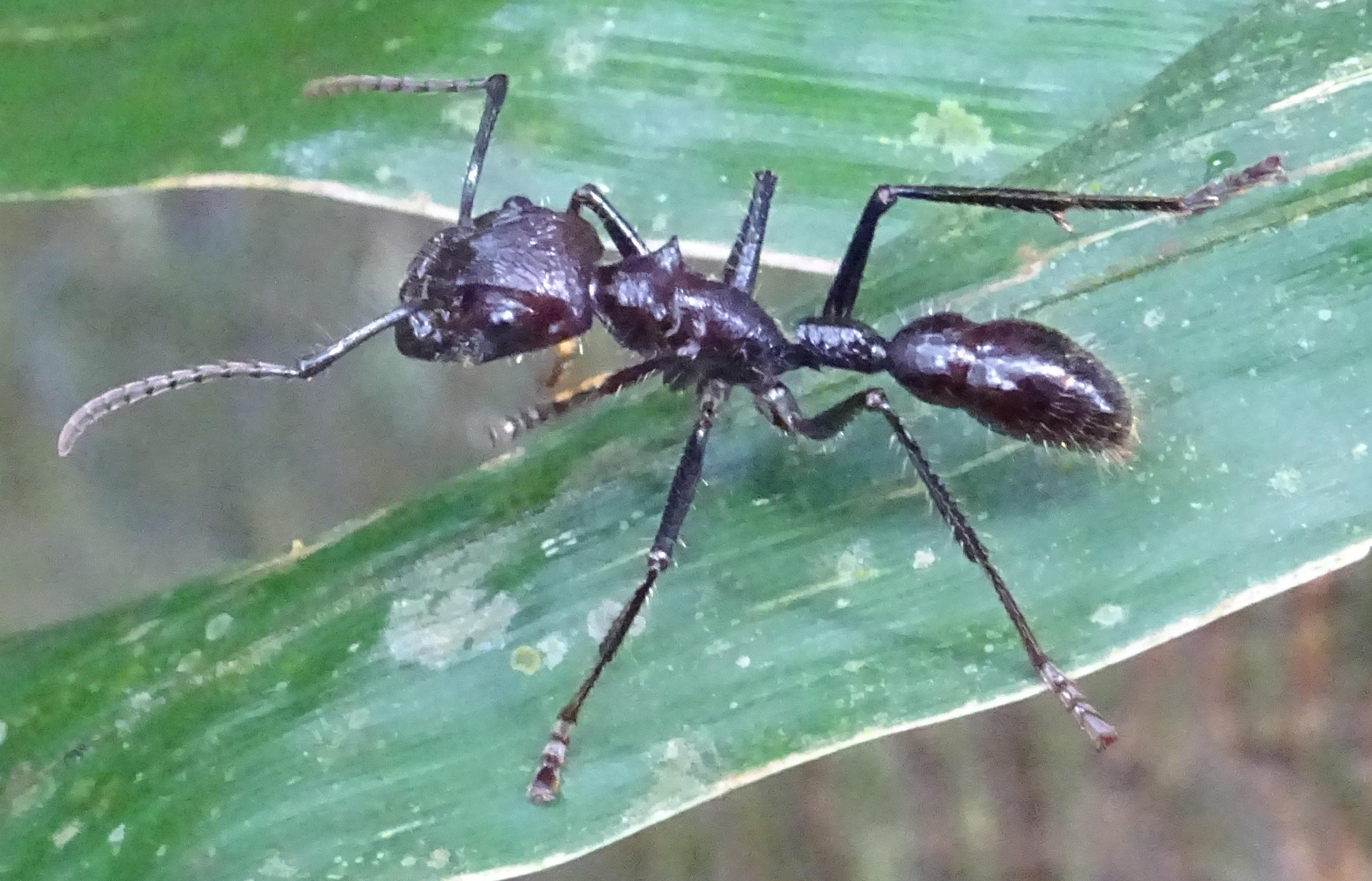
1. Bullet ant
The bullet ant, or Paraponera clavata, is found in South America, particularly in countries like Nicaragua, Paraguay, Venezuela, Brazil, and Honduras. This type of black ant is infamous for delivering the most painful insect bite in the world, akin to being shot by a bullet. Its sting is considered thirty times more painful than that of a wasp.
A bullet ant bite can result in chills, sweating, and even numbness of the affected limb. In some cultures, bullet ants are used in initiation rites, demonstrating their significant role in indigenous traditions.

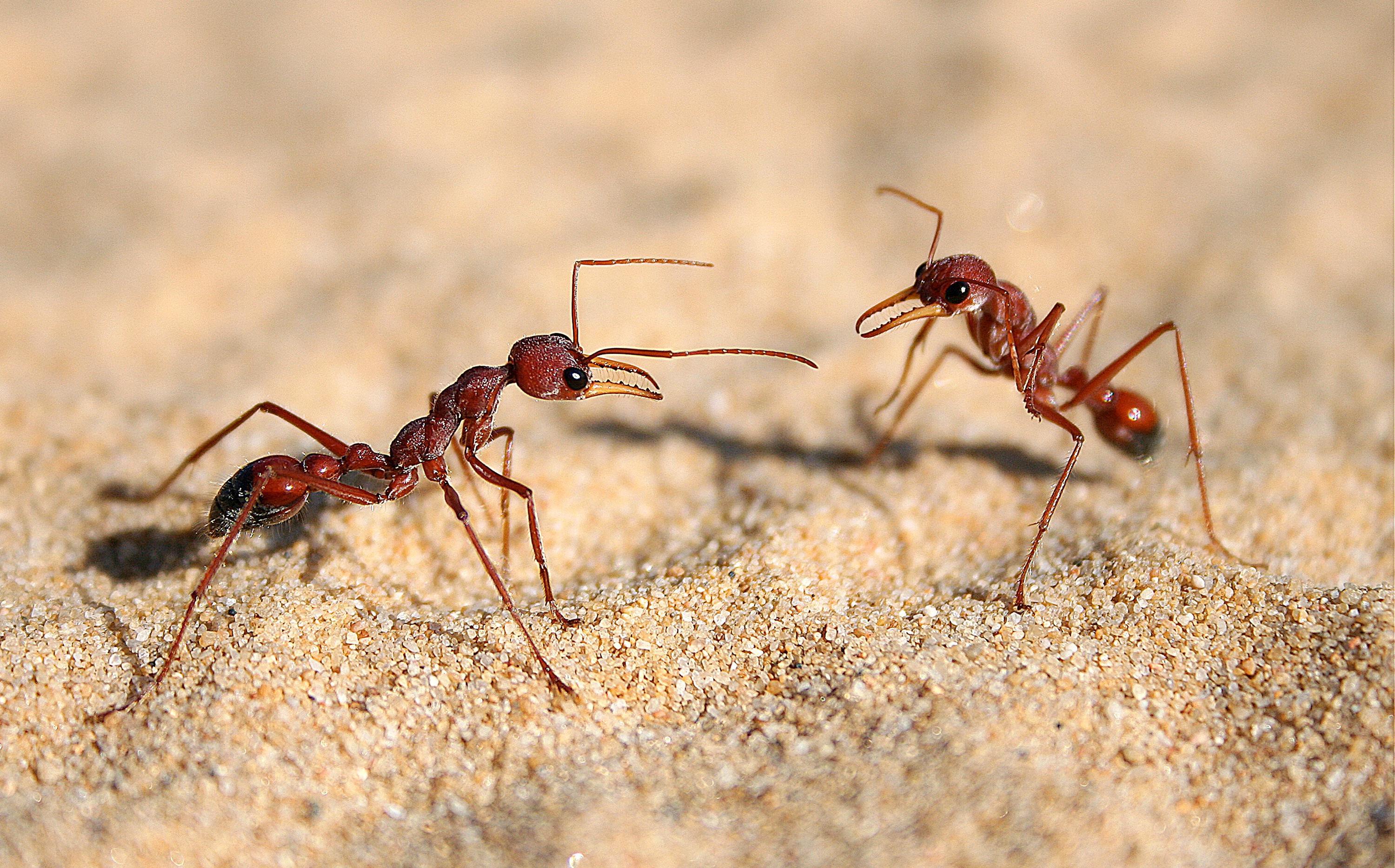
2. Bulldog ant
The bulldog ant, Giant killer bulldog ant, or Myrmecia, is native to Australia and New Caledonia. This ant is characterized by its large yellow jaws and reddish-brown tones. The bulldog ant carries a potent venom capable of inflicting a painful burn on the skin, which can leave permanent scarring or trigger a severe allergic reaction, sometimes fatal.
According to the Guinness Book of World Records, the bulldog ant is the most dangerous ant in the world. This species is known for its aggressive behavior and remarkable jumping ability, making it a formidable predator.

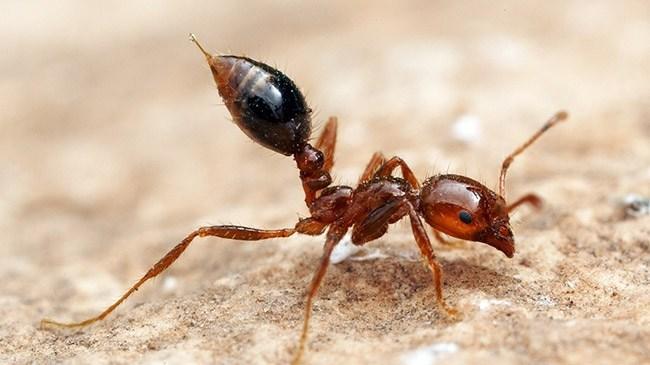
3. Red fire ant
The red imported fire ant, also known as the fire ant or Solenopsis richteri, is deep black with fiery tones. This ant, native to South America, is distinguished by its particularly aggressive behavior. Unless provoked, it's uncommon for this ant to bite or attack humans. The red fire ant's venomous bite causes persistent pain, similar to a wasp sting.
Fire ants can be found in Texas, Florida, and most southern states. Their colonies are known for their rapid spread, which can pose significant ecological threats in invaded areas.

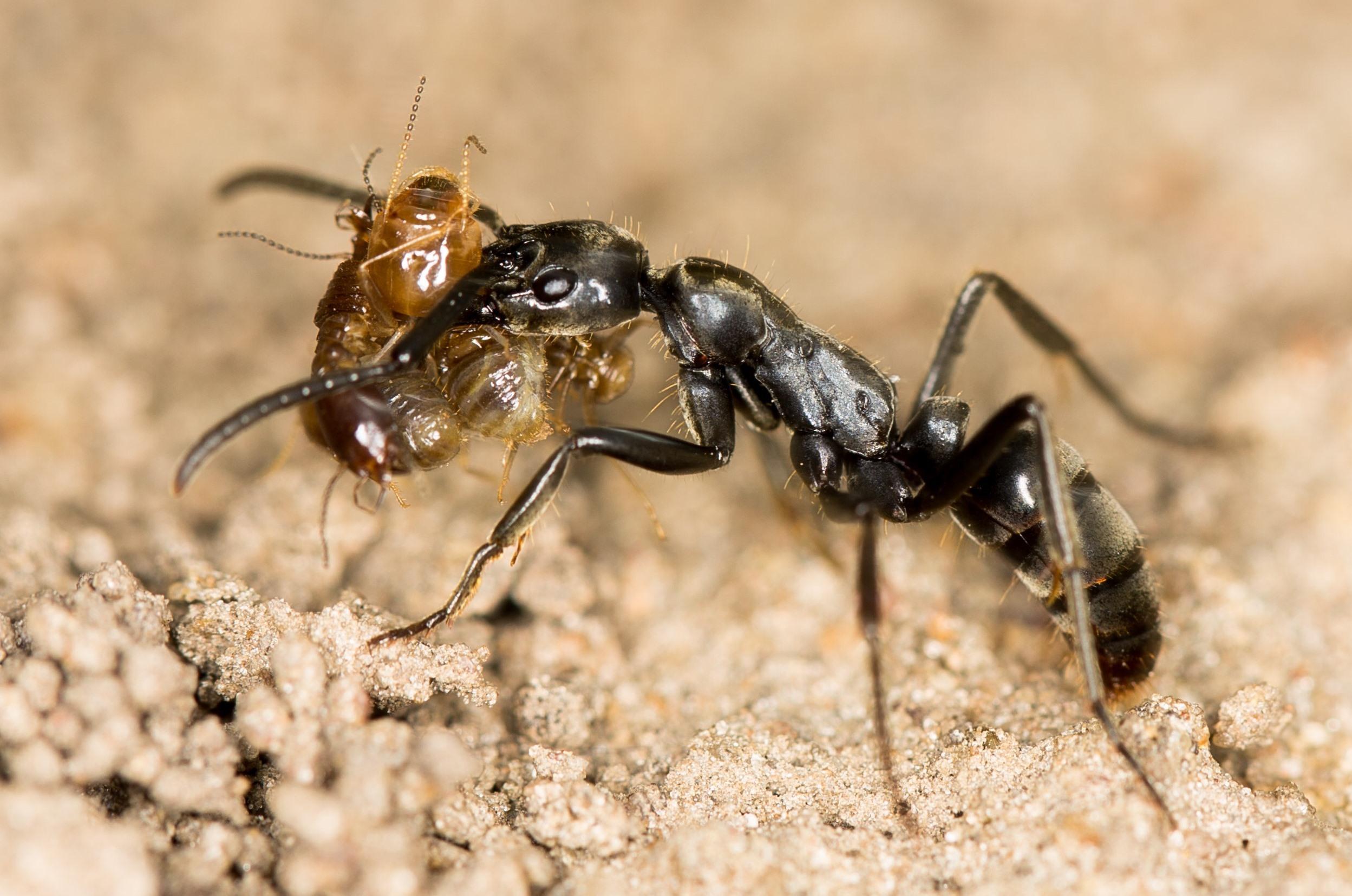
4. African ant
The African ant, Pachycondyla analis or Megaponera foetens, is one of the most dangerous species of ant in the world and can be found in Senegal, Sierra Leone, Nigeria, Ghana, Cameroon, and Togo. They can measure between 5 and 18 mm and possess a sting in addition to strong triangular jaws, capable of piercing human skin.
Its neurotoxic venom is especially potent, allowing them to paralyze their victims. These ants are known to raid termite nests, showcasing their strategic hunting skills.

Types of ants in a colony
As we've already mentioned, there are millions of ants all over the world. However, not all are poisonous. In general, there are many types of ants in houses, homes, or spaces that do not bite.
Some of the most widely distributed ant species around the world include:
5. Carpenter ant
The carpenter ant, Camponotus, inhabits America, Europe, and Africa. There are two types of carpenter ant nests: parent colonies and satellite colonies. This ant is named for its habit of building nests in wood, which can have destructive consequences for the environment as these colonies grow and damage tree structures. Carpenter ants prefer rotten wood, as it offers the right conditions of humidity to support their survival.
Carpenter ants are polymorphic, meaning individual ants vary in size and color. Their diet consists mainly of dead insects, sweet plant substances, flowers, fruits, meats, and fats. This dietary versatility helps them to thrive in various environments.
Carpenter ants are common in places such as Illinois, Florida, and Texas.

6. Argentine ant
The Argentine ant, scientifically known as Linepithema humile, is native to Argentina, Paraguay, and Uruguay. Measuring around 2 to 3 mm, these ants are particularly aggressive and will fight for territory control. When Argentine ants invade new spaces, their numbers and dominance often displace native species, causing irreversible changes to the ecosystem.
Argentine ants are prevalent in humid areas such as Florida. Their ability to form massive supercolonies makes them a formidable invasive species.

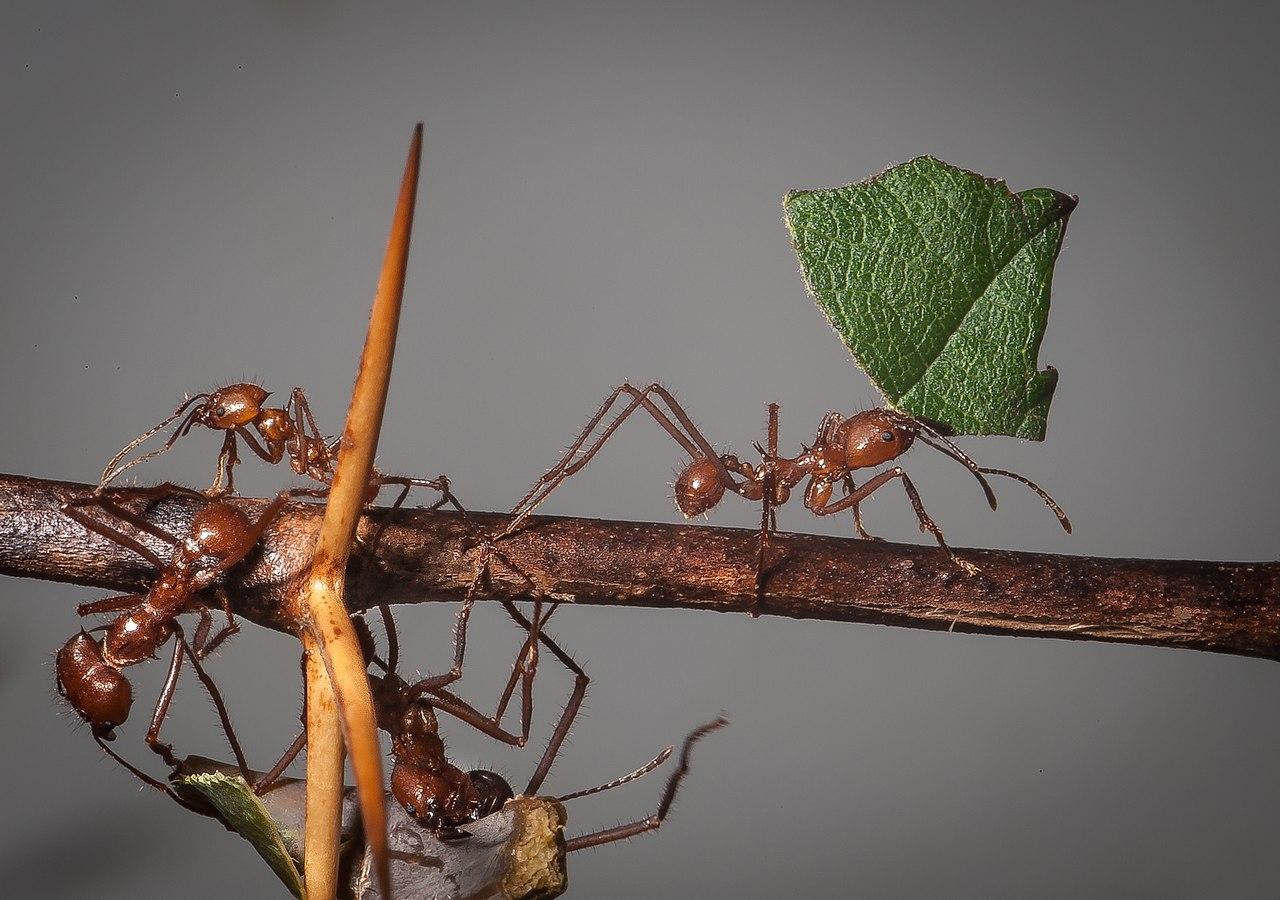
7. Leafcutter ant
There are over 40 species of leafcutter ants, all belonging to the genera Atta and Acromyrmex. These ants are noted for their intricate social structures. A leafcutter ant colony is divided into different classes, known as castes: the queen, soldiers, foragers, and planters. Each caste has a specific role within the colony.
The queen is responsible for finding suitable nesting sites and reproduction. Soldiers protect the colony from external threats, while foragers dig tunnels and gather food for the colony. Planters tend to the cultivation of fungi, larvae, and developing eggs. This species of leafcutter ant is found from Panama to northern Argentina. Their farming abilities are crucial for their survival, as they cultivate fungus as their primary food source.

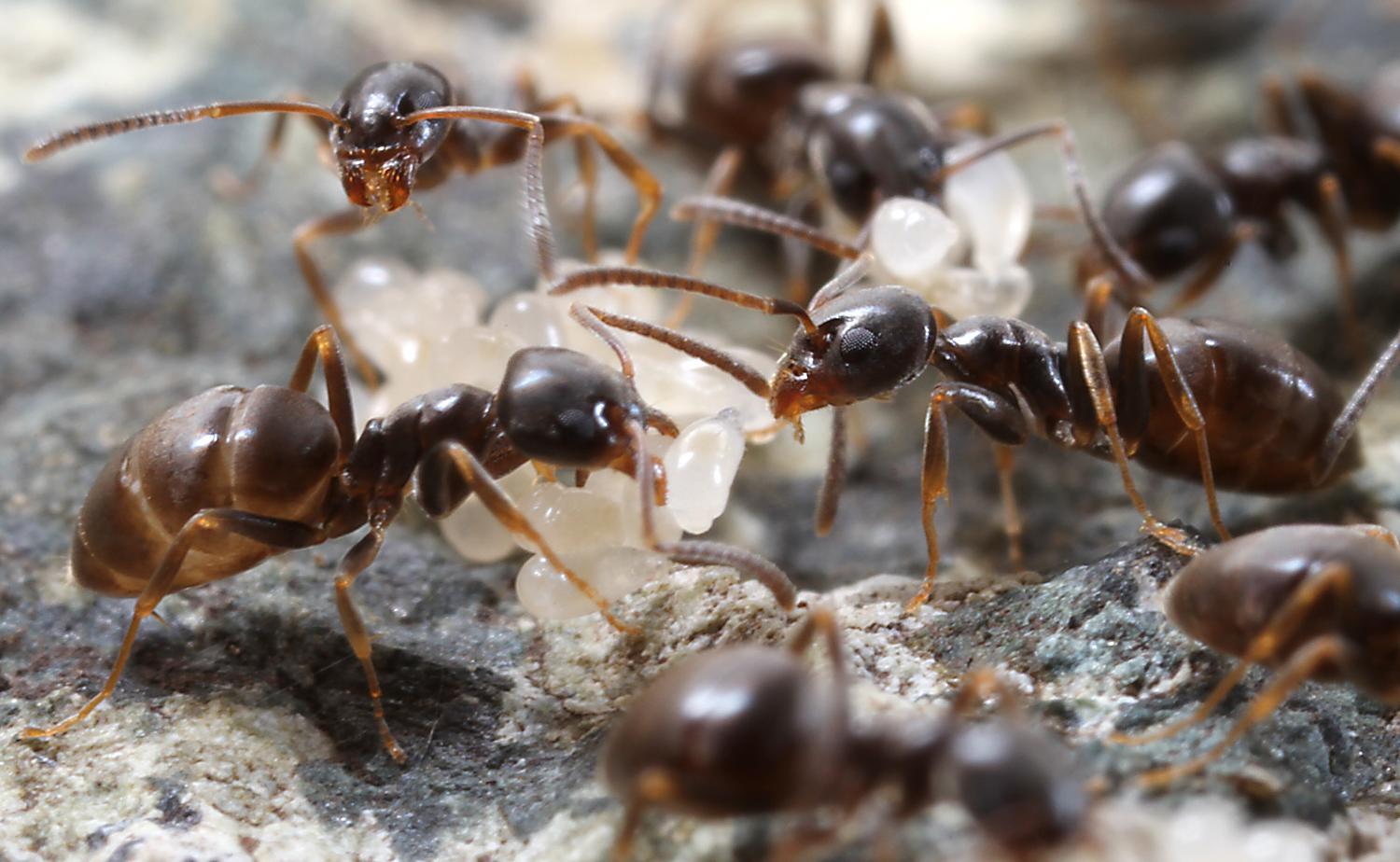
8. Odorous house ant
The odorous house ant, or Tapinoma sessile, is also known as the sugar ant or coconut ant and is part of the list of types of house ants. This house ant is native to the United States. When crushed, these ants emit an unpleasant odor, hence their name. The odorous house ant lives under rocks, logs, debris, or in other objects, including cracks in walls and floors.
These ants are often found in kitchens and pantries, attracted by sugary foods. They are known for their resilience and adaptability to urban environments.

9. Red wood ant
The red wood ant, or Formica rufa, is a common species in Europe. These ants build large, visible colonies in dense forests, housing up to 200,000 individuals. They are omnivorous, feeding on invertebrates, fungi, and vegetation. Although they can bite, they are not as dangerous as those mentioned above.
Red wood ants play a crucial role in forest ecosystems by controlling pest populations and aiding in seed dispersal.

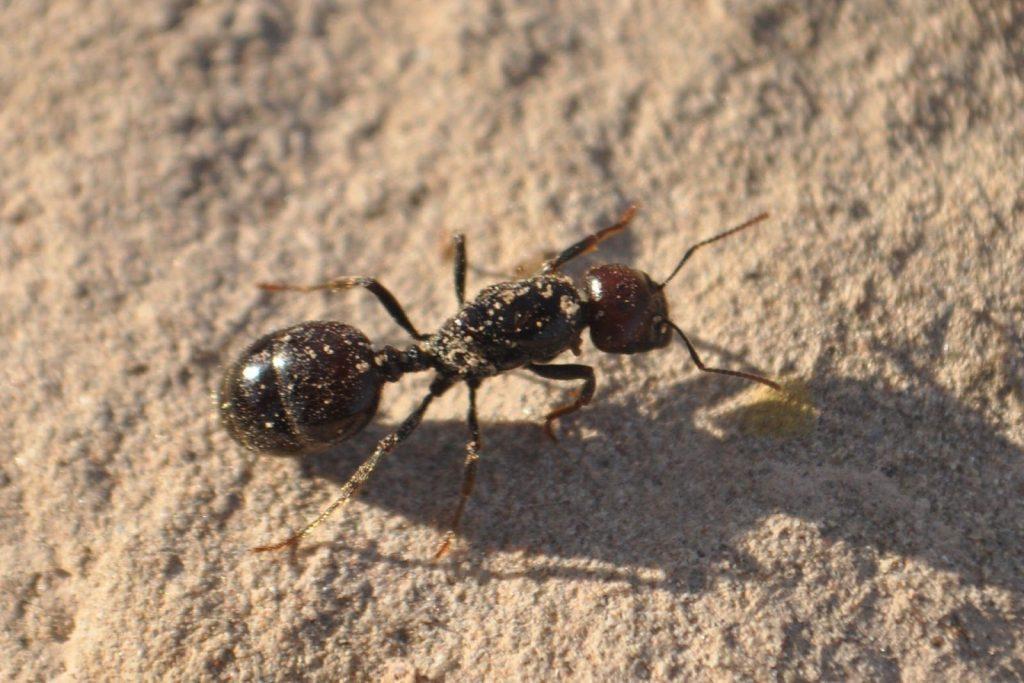
10. Harvester ant
The harvester ant, or Messor barbarus, can be found in Spain, Italy, France, and Morocco. These ants build nests in the ground and are strictly granivorous. Harvester ants are noted for their remarkable hygiene, as they constantly clean themselves and their nests.
Their diet primarily consists of seeds, which they gather and store in their nests. This behavior significantly impacts local plant communities by influencing seed distribution patterns.

Types of ants with wings
It's important to know that only reproductive ants have wings. Therefore, if one ant in a species has wings, it doesn't mean all do. These ants have wings only during the breeding season. After mating, the queen loses her wings to start a new nest, while males die shortly after.
Winged ants, or alates, are crucial for the survival and expansion of ant colonies, as they enable the establishment of new colonies.
Types of house ants
Now that we've discussed the most common ant types, you may be wondering, ‘‘What kind of ants are in my house?’’ Some of which we've already mentioned. The most common types of house ants include:
- Carpenter ants
- Odorous house ants
- Pavement ants
- Argentine ants
- Fire ants
- Crematogaster ants
What do ants eat?
One of the best ways to prevent ants from infesting your home is by understanding their diet. Most ant types feed on sugary nectar, so if you notice ants near your fruit, we recommend moving it to prevent ant gatherings.
If you’ve noticed an ant infestation in your home, we recommend consulting a local pest professional to deal with the problem. Addressing infestations promptly can prevent damage and health risks associated with certain ant species.
For more, you may be interested in reading our article where we discuss organisms that live in extreme environments.
If you want to read similar articles to Types of Ants - Characteristics and Photos, we recommend you visit our Facts about the animal kingdom category.
- "Hormiga". (2010, 5 de septiembre). National Geographic. Consulta: https://www.nationalgeographic.es/animales/hormiga
- Szolajska, Ewa (junio de 2004). “Poneratoxin, a neurotoxin from ant venom: Structure and expression in insect cells and construction of a bio-insecticide”. European Journal of Biochemistry 271 (11): 2127-2136.