What Do Fruit Bats Eat

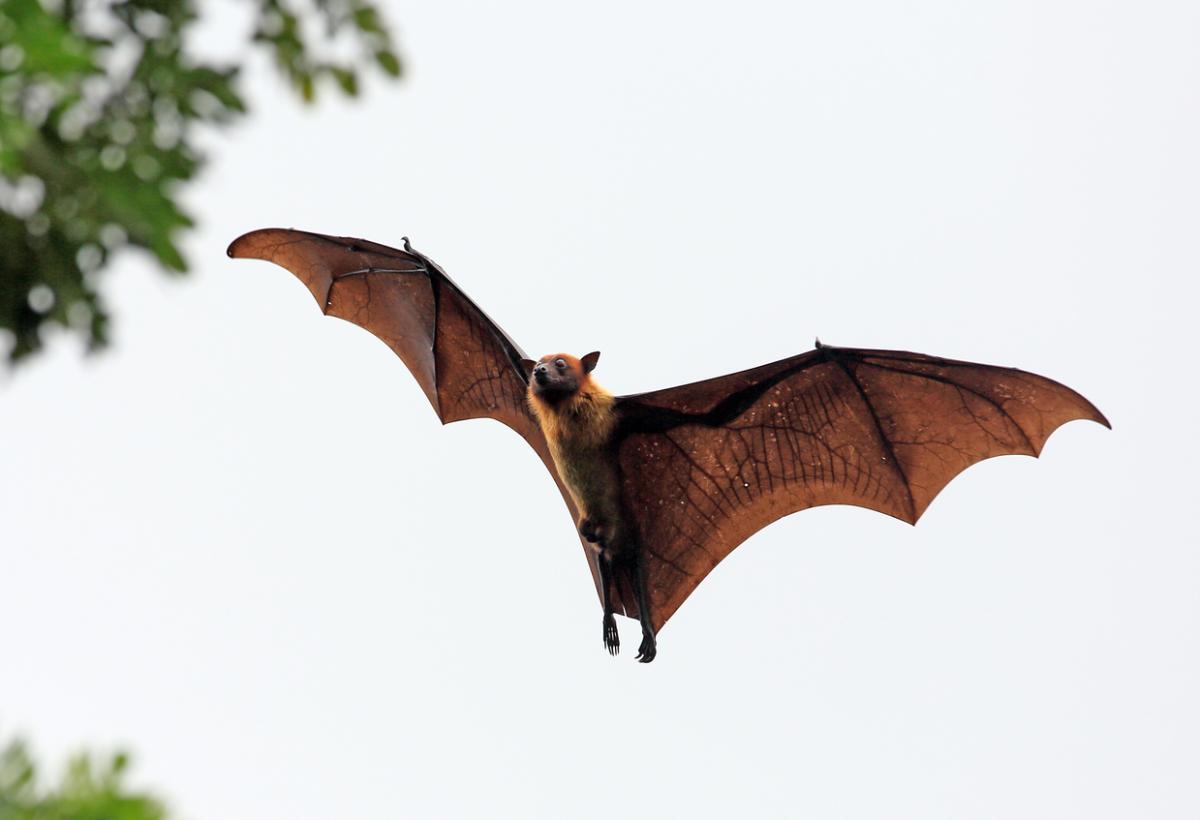
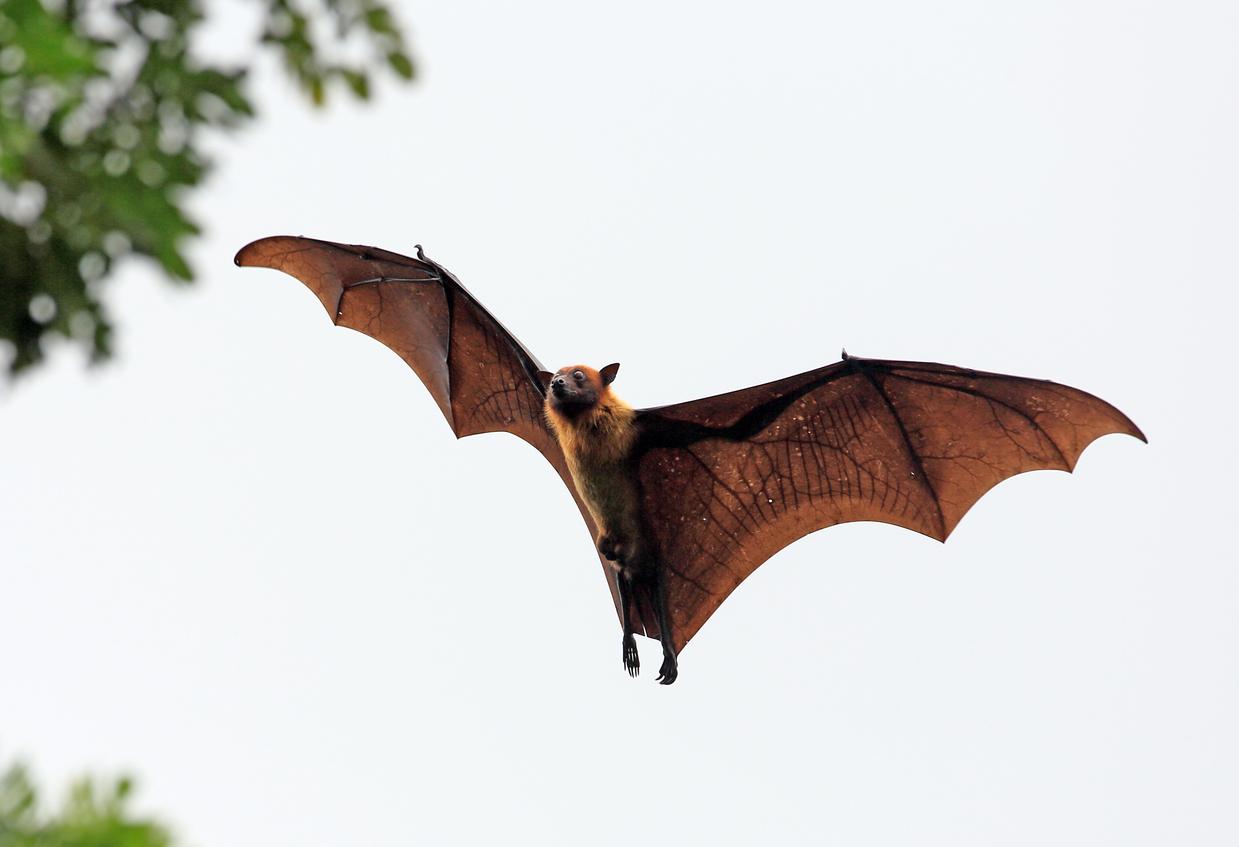
The Fruit Bat is a Megabat, also known in some parts of the world as the Flying Fox. These bats differ in sizes depending on their habitat. Some fruit bats are not more than 2 inches in size whilst others measure 16" in length. Some of these bats weigh an ounce or two while others, a couple of ounces. If you have found an injured Fruit Bat and need to take care of it or are simply curious about this flying mammal's habits you may ask yourself : “What Do Fruit Bats Eat?” This AnimalWised article will attempt to answer that query and provide you with fun facts about not only their diet but their habitat, distribution, and features of these furry flyers.
An anatomy prepared for survival
The Fruit Bat has an amazing overall vision. This is essential for it to use along with its sense of smell to locate food sources. Its senses serve to help them walk away from difficult situations. The Fruit Bat is also equipped with sharp incisors and teeth types to break through the skin of the fruit. Their long tongues unroll when they feed on fruits and nectar, then roll back up and remain within the mouth rather than internally around the rib cage. These adaptations are vital for their survival and efficiency in feeding. They are batty about fruits, by the way. This is why they are called Fruit Bats. Moreover, their strong jaws and sharp teeth are not only for eating but also for defending themselves against predators.
Fruits For The Furry Flyer
The Fruit Bats thrive successfully especially in Egypt. They live in areas where there is plenty of food. Thick regions with forested expanses covered in fruits are a common place to find these creatures. Many Fruit Bats live in warm climes with tropical features, because fruits grow throughout the year here, as many fruit Bats have to travel long distances during certain times to find fruits at certain times of the year. These migrations are crucial as they ensure the bats have access to a continuous supply of food, which is vital for their survival.
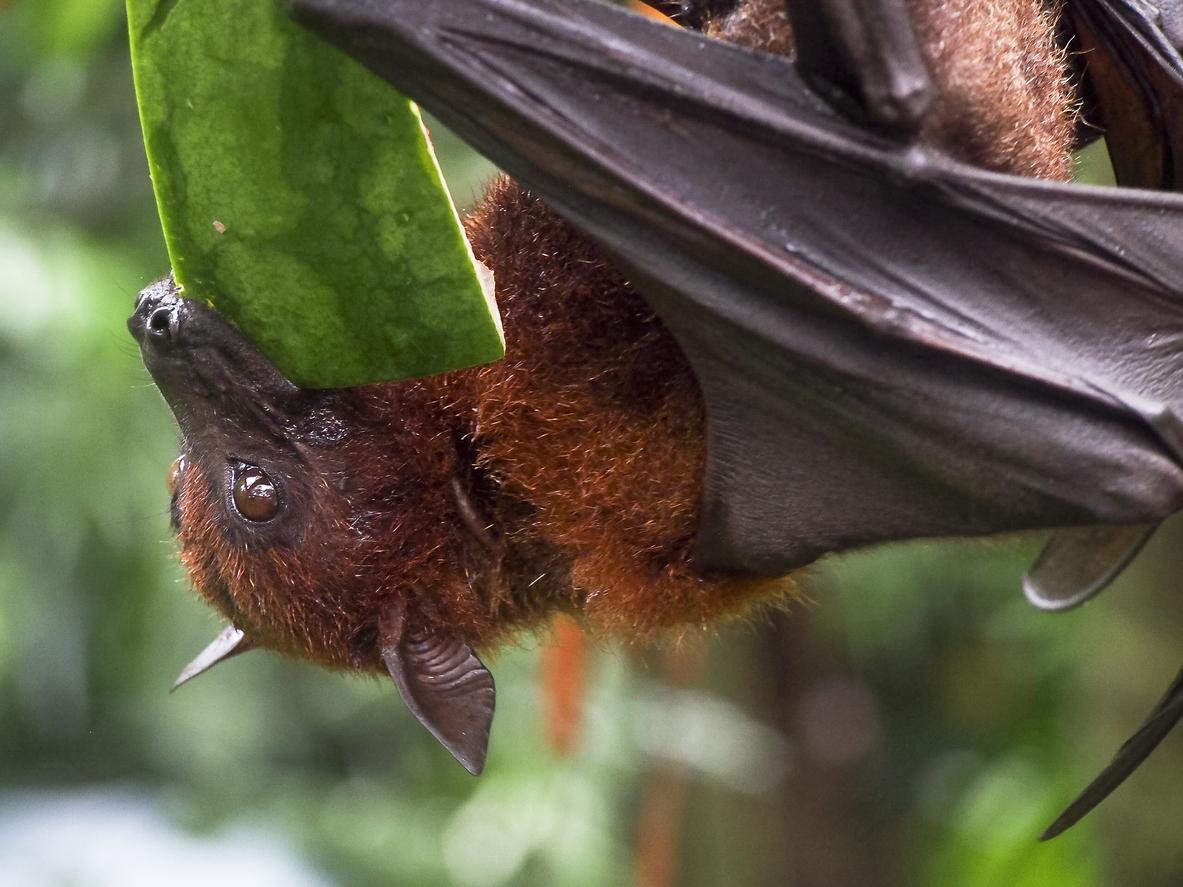
Fruit Bats may be called Flying Foxes, but they are nothing like foxes. Foxes hunt for meat and mammals. However, fruit Bats have a serious taste for all types of fruits ranging from bananas to mangos, dates, avocados, wild dates and any type of pulpy fruit. Just about every kind of fruit is good for these bats. However, they will avoid any fruit that is very bright in color and have a strong smell. This selective eating helps them to avoid toxic or spoiled fruits.
They can also eat unripe, insect impacted fruit as well. This makes them survive in surroundings where fresh, ripe fruit may not be available. Their ability to consume a variety of fruits allows them to adapt to different environments and seasonal changes.
Fruit bats can also be seen eating small insects, just like regular bats. However, also eating fruit is considered an evolutionary advance. Consuming a different type of food other than insects ensures their survival because if there are not enough insects around, the Fruit Bat can still make it. The evolution process through which this bat has emerged is thought to be extremely complex, therefore. Their diet diversity is a testament to their evolutionary success, allowing them to thrive in a myriad of ecosystems.

Finding the Food
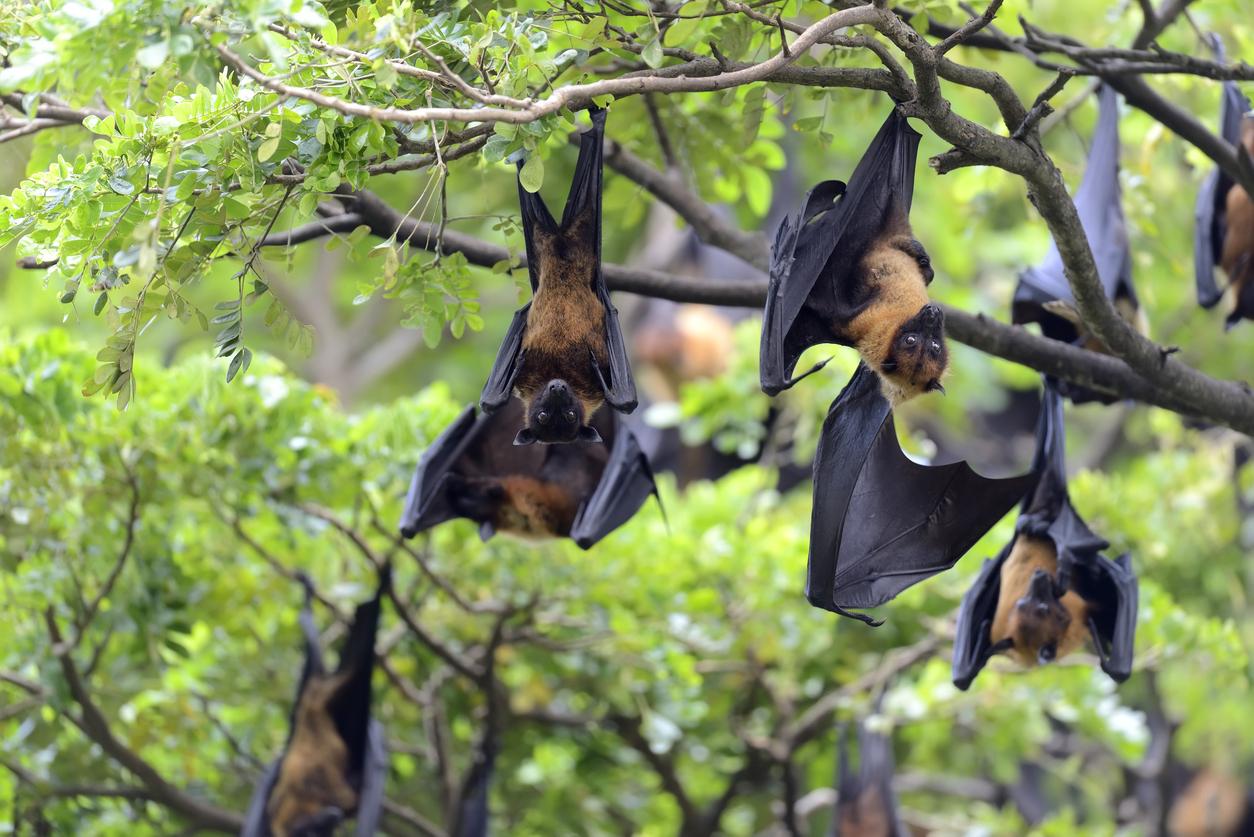
Fruit bats do not spend time in caves or caverns, like other bats. Instead, they hang from fruit producing trees, such as mango and banana trees. Daily activity of these bats involves looking for food. They are known to travel several kilometers in search of food, showcasing their endurance and navigational skills.
Fruit Bats use both smell and vision to find food. Hundreds of different types of fruits grow on trees and plants the bat is able to consume. Fruit bats either linger in the air and eat or land in order to eat their food. The larger they are in size, the tougher it is for them to eat the fruit without landing, in mid-air.
Although people commonly think they will eat the whole fruit, this isn't so. Once the bats crush into the fruit using their teeth, they consume their pulp and juices. They can also feed on a fruit tree's nectar, which is found in fruit blossoms. Their eating habits are benefiting the environment on account of cross-pollination qualities. As they chew in the fruit, they will usually spit out the seeds, which is how many of these fruit plants spread. Moreover, grains of pollen are caught in the fur and some of this rubs on to other flowers visited by the bat. The bat, therefore, pollinates the flowers, permitting trees to develop seeds and fruits. This ecological role is crucial, as it helps maintain the biodiversity of their habitat and supports the growth of new plants and trees.
The fruit bat's environment
Fruit Bats are found not only in Africa and Asia but also the Middle East and Australia. These bats live in colonies of different sizes. These Fruit Bats believe strength is in numbers and they reside in large colonies. Within each colony of the Fruit Bat, there are sub-colonies. Each has one male and around 8 females. They form close bonds with subgroups. The colony communicates throughout the day. Bats use visual orientation and echolocation to study and move around in their environment. Female Fruit Bats carry their young till they are 3 months old, during which time they will also feed their baby while in search for food too. This nurturing behavior ensures the survival of the young, providing them with a strong start in life.
The Fruit Bat is an unusual species and is considered a rare example of evolution to meet the survival needs of the genus. Their ability to live in varied environments and adapt to different food sources exemplifies their evolutionary adaptability. These bats have evolved over millions of years, developing unique traits that enable them to thrive in diverse habitats, from dense forests to open savannas.

If you want to read similar articles to What Do Fruit Bats Eat, we recommend you visit our Basic care category.


 Fruit Bats do not eat biscuits.