Why Is My Dog Eating Dirt?


See files for Dogs
Eating dirt is not abnormal behavior in dogs, but that doesn't mean it is healthy. We need to look at the context. If they munch on a little loose dirt while rummaging in the garden, this could simply be due to curiosity. This is different from repeatedly eating dirt and causing serious gastrointestinal disorders. Whether it is due to curiosity or a health problem, there is always a reason why a dog eats inedible matter. In addition to the context of the behavior, we need to look at any behavioral or physical symptoms which may accompany eating dirt.
At AnimalWised, we help you best assess why my dog is eating dirt. We look at the most common causes for this behavior in dogs and what to do if your dog's health is threatened.
Why do dogs eat dirt?
Dogs do not have hands like humans. They use their mouths to explore their environment, something which is very important in the wild. By smelling and even tasting matter in their environment, they can determine the location of prey and assess potential dangers. They may pick up some dirt in the process, but they will not usually eat it. It is also possible they eat something with dirt on it, but we only see them eating the dirt. A brief taste of soil is less concerning than repeated or large amounts, but it is still worth keeping an eye on your dog.
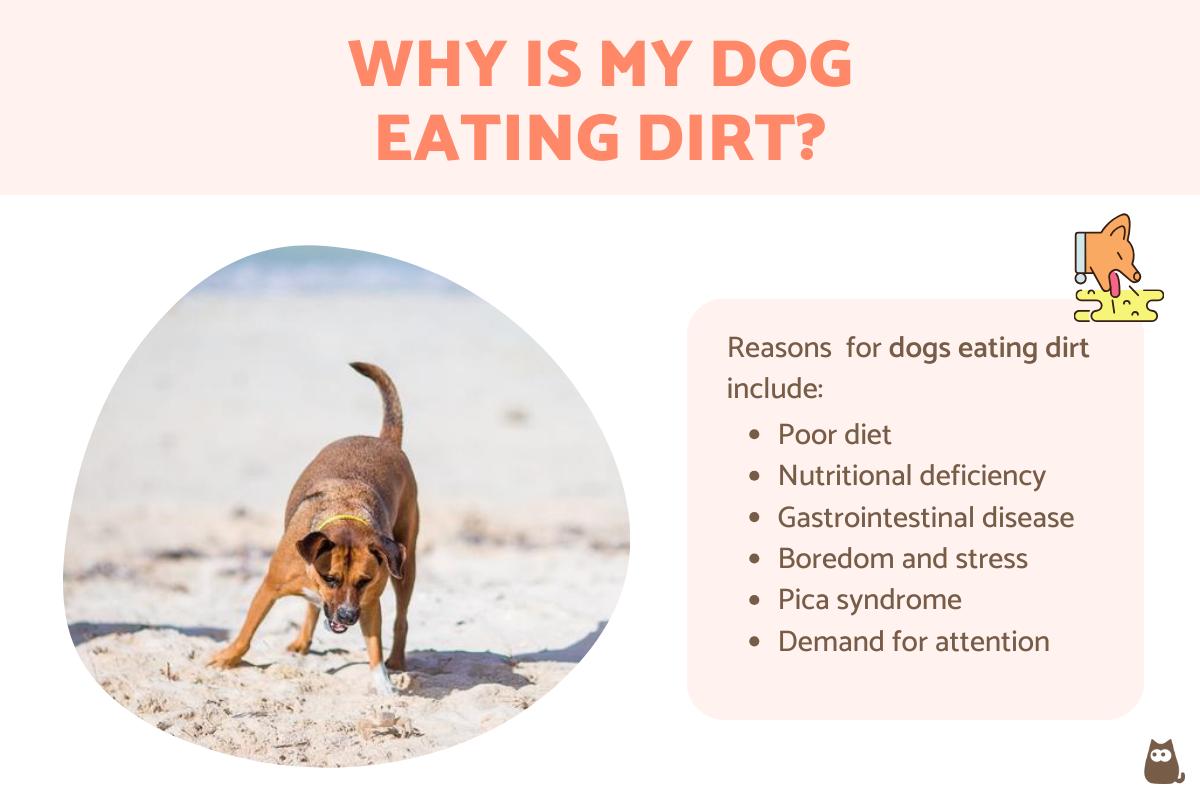
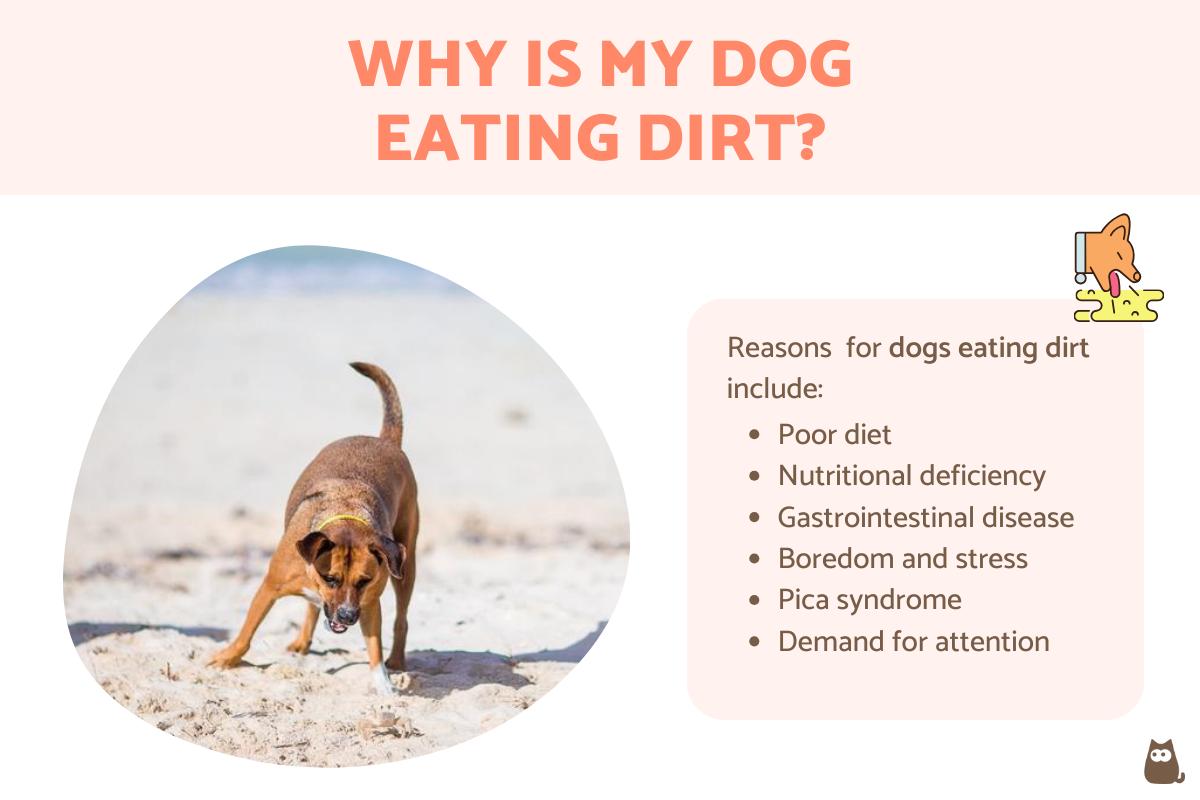
A dog eating dirt as a form of exploratory behavior is infrequent. They will not eat a lot and they will not continue to do it. When a dog is eating dirt frequently or even developing health problems because of it, then we know there is a problem which needs to be addressed. These problems include:
- Poor diet
- Nutritional deficiency
- Gastrointestinal disease
- Boredom and stress
- Pica syndrome
- Demand for attention
We look at each of these reasons why a dog is eating dirt in more detail below:
Poor diet
The food we provide a dog must be suitable for the dog's individual needs. Domestic dogs are not obligate carnivores like felines, but they do require a diet based on animal protein. It is possible to provide a dog with a vegetarian diet, but this will need to be carefully formulated and supplemented with nutrients which are naturally provided by animal protein.
While there are certain requirements that apply to the canine diet generally, each dog is an individual. They may have specific needs which are determined by their age, health status and other factors. If we do not provide them with the correct diet, they may become nutritionally deficient. In these cases, they may seek other sources to provide what they lack. While dirt may not actually provide them what they need, they may eat it as they feel they have no other choice. Eating dirt is not a reliable way for a dog to correct a dietary imbalance, so the food itself should be assessed instead.
In these cases, we need to assess the dog's dietary needs. Speak to a veterinarian. They may be able to solve the issue or they may make a referral to a canine nutritionist.
Learn more about what makes a healthy diet for dogs in our related guide.

Nutritional deficiencies
Dogs that have nutritional deficiencies may seek out other sources for the nutrients they lack. This is one of the reasons dogs eat dirt. Soil can contain organic matter and minerals, but it is not a safe or dependable source of nutrition. A dog eating dirt does not necessarily mean they can sense a specific deficiency.
It is important to know that we may provide our dog a poor diet accidentally. We might give them a comprehensive diet which is suitable for most dogs, but ours has a nutritional deficiency which requires us to amend their diet accordingly. In these cases, the dog may have a health problem which means they need to change the food they eat. This could be eliminating something from it as much as adding something else. Avoid adding supplements without veterinary advice, since too much of some nutrients can also be harmful.
Such health problems include kidney disorders, hormonal syndromes or anemia which result in nutritional issues. In these cases, we will need to speak to a veterinarian. They will first be able to diagnose the problem and prescribe the correct corresponding treatment. This may include managing the problem with a dietary change. Learn about a possible treatment course with our article on diet and care for dogs with anemia.
Gastrointestinal disease
Sometimes the reason a dog eats dirt is because they have a gastrointestinal disorder and don't know how to treat it. A dog may appear to eat dirt when they feel unwell, but this behavior will not resolve the underlying discomfort or pain. In these cases we may see other symptoms such as vomiting, diarrhea, lethargy, loss of appetite and others. Repeated vomiting, a swollen or painful abdomen, or an inability to pass stool can be especially concerning.
This will also require veterinary diagnosis. Once the veterinarian has been able to diagnose the problem, they will be able to administer the correct treatment. For example, a dog may have a blockage which needs to be surgically removed. They may have a parasitical infestation which is causing GI upset and will require deworming agents to kill them.
Going to a veterinarian in these cases is so important. If we try to treat them ourselves with home remedies, we may make the situation worse and delay proper treatment.
Learn about a relatively common gastrointestinal disease that may lead to a dog eating dirt with our article on inflammatory bowel syndrome in dogs.
Boredom and stress
Physical disorders can result in a dog eating dirt to compensate, but so too can psychological problems. If a dog is bored or stressed, they can resort to behavioral problems which manifest in various ways. Some dogs may be destructive and eat our shoes. Others may bark too much and others still might start eating dirt. Providing regular exercise, play and opportunities to sniff and explore can help meet a dog's everyday needs.
Various situations can result in this psychological stress. Dogs are creatures of habit, so either disturbances to their routine or a lack of established routine altogether may result in the dog eating dirt. Moving home, a new member of the family or even relatively minor changes to their care can manifest in this way. The dog eats dirt because they need to relieve the frustration caused by the stressful situation. Changes are often easier for a dog to manage when they are introduced gradually and they still have a familiar, predictable routine.
Treatment will require determining the cause. For example, if they start this behavior when you adopt another dog, it is clear they will need some help with socialization. In many cases, it can be difficult to determine the underlying cause. For this reason, we may need the help of an ethologist to assess the dog and their needs.
Learn how to socialize an adult dog with our related guide.
Pica syndrome
When a dog compulsively eats something which is not food, it may be due to a psychological issue. Pica syndrome is somewhat comparable to obsessive compulsive disorder (OCD) in humans. A dog feels compelled to eat something which either provides no benefit or even poses a serious health risk. This is often in the form of blockages occurring in the digestive tract. The material they eat can also irritate or injure the digestive system, depending on what it is.
Pica syndrome in dogs can be due to the previously mentioned issues. It can become a compulsive behavior in dogs when these issues are not treated. It is a chronic condition and it often requires the assistance of a professional ethologist. A veterinarian should also check for possible physical causes and any harm caused by swallowing non-food items.
Take a look at our article on why a dog licks metal to learn more.

Demand for attention
The final reason why a dog may eat dirt is because we are not providing the right level of care. Different dogs will have different levels of need for attention. The amount we give one may be too much or too little for another. Similar to boredom or stress, dogs which are insufficiently stimulated on a physical or cognitive level will develop behavioral problems. Regular interaction and activities suited to the dog's age and abilities can help prevent this.
In some cases, the dog eats dirt because they have learned that we will respond to it. If we have stopped a dog eating dirt before, it may mean doing this draws our attention. Even if it is negative attention, a dog that is desperate to be noticed may do anything they can to get through to us. In these cases, we will need to walk them more, spend more time with them and provide more affection in general. At the same time, calmly redirect them from the dirt and reward a safer behavior.
Why does my dog eat sand?
Dogs that live near the ocean or have access to sand may begin to eat it. This can become a serious health problem if not addressed in time. Dogs that eat sand may develop additional problems such as diarrhea, vomiting, weakness and/or excessive thirst. In addition, sand can contain small stones, plastic debris, cigarettes and other dangerous inorganic materials. Eating a large amount can also lead to a blockage, so keep your dog from digging in or swallowing sand.
The reasons that can trigger this behavior are the same which lead a dog to eat dirt. Due to the high levels of pollution at the beach, sand can often be worse. It is also a substance that can accumulate in the digestive tract and result in more serious gastrointestinal issues. The behavior needs to be stopped immediately. If your dog has eaten a lot of sand or shows any signs of illness, contact a veterinarian promptly.

How to stop a dog from eating dirt
The first thing you need to do is visit your veterinarian for an accurate diagnosis. A veterinarian will prescribe the appropriate management guidelines and medication according to the root cause of this behavior. In general, we can provide some tips to help you avoid your dog eating dirt to ensure that your pup is living both a happy and healthy life:
- Preventive medicine: in addition to visiting your veterinarian regularly, do not forget to follow your dog’s regular vaccination and deworming schedule. For more, read about the importance of deworming animals.
- A daily routine: dogs like routine. Try to offer food, exercise and attention at the same time. A predictable schedule can make it easier to notice changes in appetite or behavior, too.
- Balanced diet: offering your dog a high quality balanced diet will guarantee its nutritional needs are met. Make sure the proportions of your dog’s food are correct. In the case of changing your pup’s diet, remember that this should be done gradually, over the period of one or two weeks.
- Prevent your dog from accessing dirt: keep pots away from the ground and make sure to supervise your dog when outside. If needed, use a lead to guide them away from areas where they tend to eat soil.
- Do not punish your dog: avoid scolding your dog when they eat dirt. As we’ve already mentioned, demand for attention is one of the main causes of this pica behavior in dogs. Make sure to only use positive reinforcement and play with your dog regularly. Calmly redirect them and reward them when they leave the dirt alone. Discover the importance of positive reinforcement in dogs here.
Is your dog eating dirt and throwing up? In this case, there’s a possibility your dog has ingested an unsafe and toxic substance. In serious cases, you will see your dog become lethargic, stop moving and eventually go into shock. Even in lesser cases, it can threaten your dog's well-being. You will need to consult your vet as soon as possible as they can stabilize them and provide any necessary treatment, including surgery. If you know what your dog may have eaten, tell the veterinarian and do not try to make them vomit unless instructed.

If you want to read similar articles to Why Is My Dog Eating Dirt?, we recommend you visit our Diet problems category.
- Abnormal Eating Habits in Dogs (University of California, Davis, School of Veterinary Medicine)
- Behavior Problems in Dogs (Merck Veterinary Manual)