Are Camel Spiders Venomous?


During the Iraq war in 2003, a new internet sensation hit the online world– the Camel Spider. Stories about how camel spiders are venomous began to abound on the Internet. Many of the rumors also displayed the spiders to be about ½ the size of a human. But, the truth (as they say) is stranger than fiction. Perhaps one of the biggest myths is that Middle East's camel spiders can run as fast as humans and have a massive appetite for large sized mammals. However, despite its history as a large predator, the camel spider is not venomous. This AnimalWised article will guide you through the true facts concerning the camel spider.
Fact vs Myth
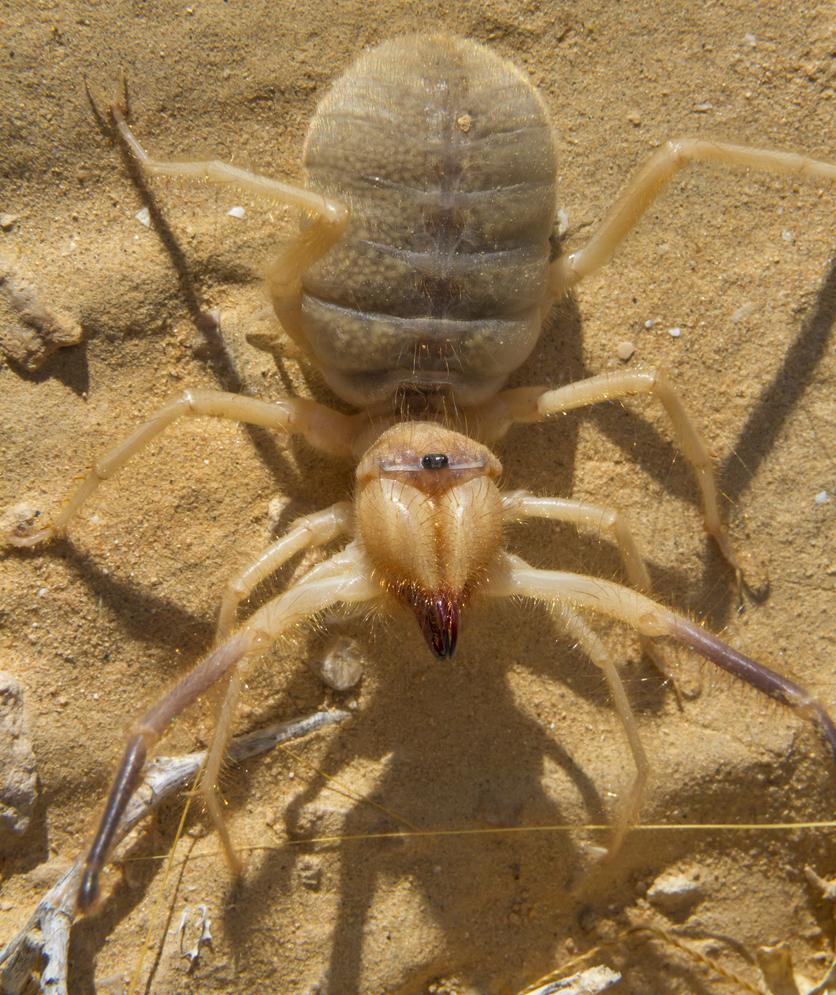
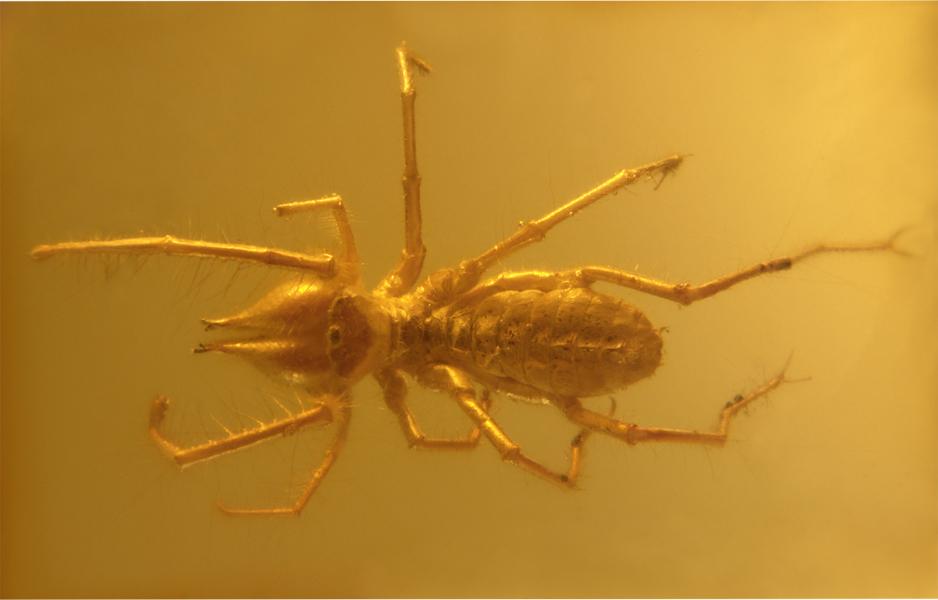
The camel spider does not attack humans or large mammals and is definitely not the most venomous spider in the World. However, the real camel spider is still an interesting predator. Still, many myths abound regarding this spider. It has been misidentified as a spider, for starters. Camel Spiders are members of the Arachnida family but they are solpugid. These camel spiders, often called the wind scorpion, are also known as Egyptian giant solpugid. Only 6 inches or fifteen centimeters in length, the creature is definitely not half the size of a human! These arachnids run fast, not at breakneck speeds though. At the highest speed of 16kmph, the spider moves fast, not with lightning rapidity as rumored.
The Bite
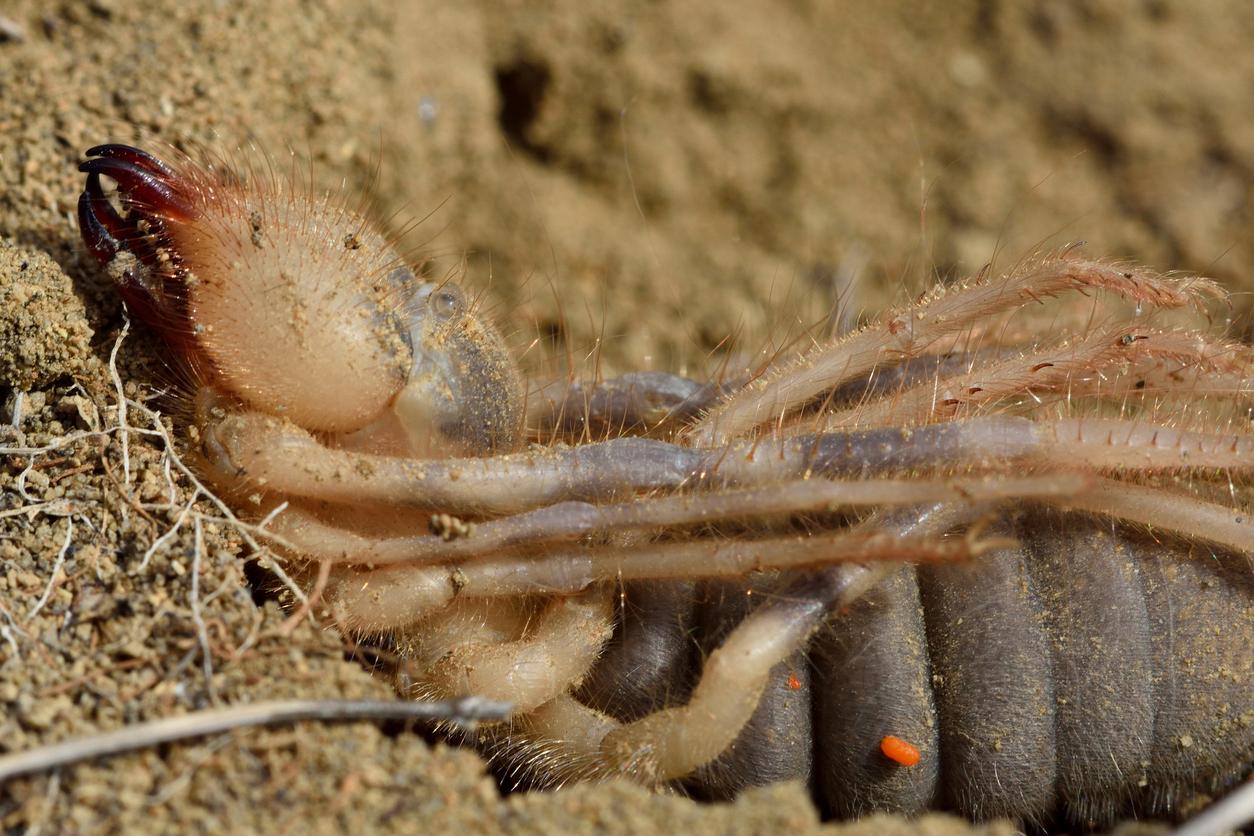
Camel Spiders do not pose a threat to humans. Though their bite is painful to rodents, small birds, lizards, and insects, these deadly predators are desert dwellers that only attack to eat. With massive, powerful jaws, up to one-third the size of the body length, the camel spider uses its jaw to capture victims and beat them to a pulp with sawing or chopping motions. Though not venomous, camel spiders use digestive fluids for liquefying the flesh of the victim, making it easy to feast on the remains. In addition, they are known for their ability to consume a significant portion of their prey, often leaving little to waste.
- Symptoms Associated With A Camel Spider's Bite
You may get intense pain if bitten by a camel spider on account of its strong jaws. The inflammation that follows is due to trauma to the tissue. Depending on its size and the area the camel spider bites, there may be mild to extensive bleeding. Camel spiders lack venom, so first aid treatment suffices for a camel spider bite.
- What to do if you're bitten
Wash the area with mild soap or saline solution and water. The camel spider's bite is chock-a-block with bacteria which can cause infection later. So it is important to apply antibiotic ointment after cleaning the bite. Based on the wound's size, a bandage is applied to prevent dirt from going in. Check and get a tetanus shot for the wound. If a fever develops, consult a doctor. Earning their moniker from their habit of chasing shade near camels, the camel spider can also be found in America. A greater risk associated with the bite is the lesions that appear. You need treatment for the bite. A camel spider is also known as sun or wind spider. Solpugids like the camel spider are known as beard cutters because their fang-like jaws are so powerful, they can penetrate human skin. Estimates indicate just around 9% of spider bites from a camel spider cause infection, so cleanse the area thoroughly if you have been bitten. It should be noted that while the risk of severe infection is low, the importance of proper wound care cannot be overstated.

What About the Name?
Camel spiders are called so because they are believed to stand near camels, the ship of the desert, in search of shade. They belong to the Arachnida species. All spiders are of this species. But an important point to note is that not all arachnids are spiders! The wind scorpion/Camel spider is not a scorpion either. According to the NSF, it is a Solifugae genus which in Latin means “those fleeing from the sun.” The camel spider constantly looks for shade from the searing Middle eastern sun. There are over 1000 species of solifuges, as per the integrated Taxonomic Information System or ITIS, and over 150 genera. Of the kingdom Animalia, it is of the Bilateria subkingdom. The camel spider belongs to the infrakingdom Protostomia and the superphylum Ecdysozoa. It also belongs to the phylum Arthropoda and the subphylum Chelicerata. Of the Class Arachnida, to which all spiders belong, the camel spider is of the order Solifugae. Some of the families to which this solpugid belongs are:
- Solpugidae
- Rhagodidae
- Mummuciidae
- Melanoblissiidae
- Karschiidae
- Hexisopodidae
- Gylippidae
- Galoedidae
- Eremobatidae
- Daesiidae
- Ceromidae
- Ammotrechidae
In addition to their unique biology, camel spiders have intriguing behavioral patterns. For example, their nocturnal nature means they are most active during the cooler nighttime hours, which helps them avoid the scorching daytime heat. Their reliance on shade has also led them to be misunderstood, as they sometimes give the impression of chasing humans when in fact they are merely seeking refuge from the sun.
Facts about Camel Spiders
As per the British Broadcasting Service website, though camel spiders have only 8 legs, they seem to have ten. The two extra additions are sensory appendages known as pedipalps. These spiders weigh a mere 56 grams though. Their heads are where their chelicerae meet. The latter are jaws which have to be powerful enough to feast on the prey.
Habitat and Diet
While the tan-colored camel spiders are found in Middle East deserts, they also live in Mexico and SW US, as per the NSF. Also primarily nightbirds, these creatures run away from the sun. Camel spiders are also carnivores and feed on small insects, rodents, and birds. Another difference between spiders and this creature is that camel spiders breathe with a trachea. This permits fast intake of oxygen and assists in quick movement.
Their diet is not limited to small animals; they are opportunistic feeders and will consume a variety of prey depending on availability. The adaptability of their diet is key to their survival in harsh desert environments where food can be scarce. Furthermore, their ability to sprint short distances aids them in surprising their prey and avoiding predators.

Adaptations and Survival
Camel spiders have evolved several fascinating adaptations that allow them to thrive in the arid desert environment. One significant adaptation is their highly developed sense of touch, facilitated by their pedipalps. These sensory organs help them navigate the terrain, locate prey, and interact with their environment.
Additionally, camel spiders can endure extreme temperatures, which is crucial for survival in deserts where temperatures can fluctuate dramatically between day and night. This thermal tolerance, combined with their behavioral adaptations such as burrowing and seeking shade, ensures they can maintain their physiological functions even in extreme conditions.
Another interesting survival trait is their ability to store water within their bodies, which helps them withstand periods of drought. This ability to conserve water is a common trait among many desert-dwelling species, highlighting the camel spider's remarkable resilience and adaptability.
Reproduction and Lifecycle
The reproduction process of camel spiders is as intriguing as their other attributes. Mating often occurs during the warmer months when both males and females are more active. The male camel spider performs a complex courtship ritual, which involves a series of movements designed to attract the female.
After mating, the female lays eggs in a burrow, which she guards fiercely until they hatch. The young, known as nymphs, undergo several molts before reaching adulthood. This process can take several months, depending on environmental conditions such as temperature and food availability.
The lifecycle of camel spiders is closely tied to their habitat, with their reproductive success often hinging on the availability of resources and suitable conditions for the development of their offspring. This connection to their environment underscores the importance of understanding their ecological role and the impacts of environmental changes on their populations.
Ecological Impact
Camel spiders play a crucial role in the ecosystem as both predators and prey. By controlling the population of insects and other small animals, they help maintain the ecological balance in their habitats. Their presence is indicative of a healthy environment, as they are sensitive to changes in their ecosystem.
Conversely, camel spiders are prey for larger animals such as birds and reptiles, contributing to the food web. Their role as both predator and prey demonstrates their integral position in the desert ecosystem, making them an essential component of the biodiversity in these regions.
Understanding the ecological impact of camel spiders can also provide insights into the health of their habitats, which are often under threat from human activities such as habitat destruction and climate change. Preserving their environment is crucial for maintaining the delicate balance of these desert ecosystems.
Conclusion
Despite the myths surrounding camel spiders, they are fascinating creatures with unique adaptations that allow them to thrive in challenging environments. Understanding their true nature and ecological role helps dispel misconceptions and highlights the importance of conserving their habitats. The camel spider's story is a reminder of the incredible diversity of life on Earth and the intricate connections that sustain it.
If you want to read similar articles to Are Camel Spiders Venomous?, we recommend you visit our Facts about the animal kingdom category.