Chronic Diarrhea in Intestinal Malabsorption in Dogs


See files for Dogs
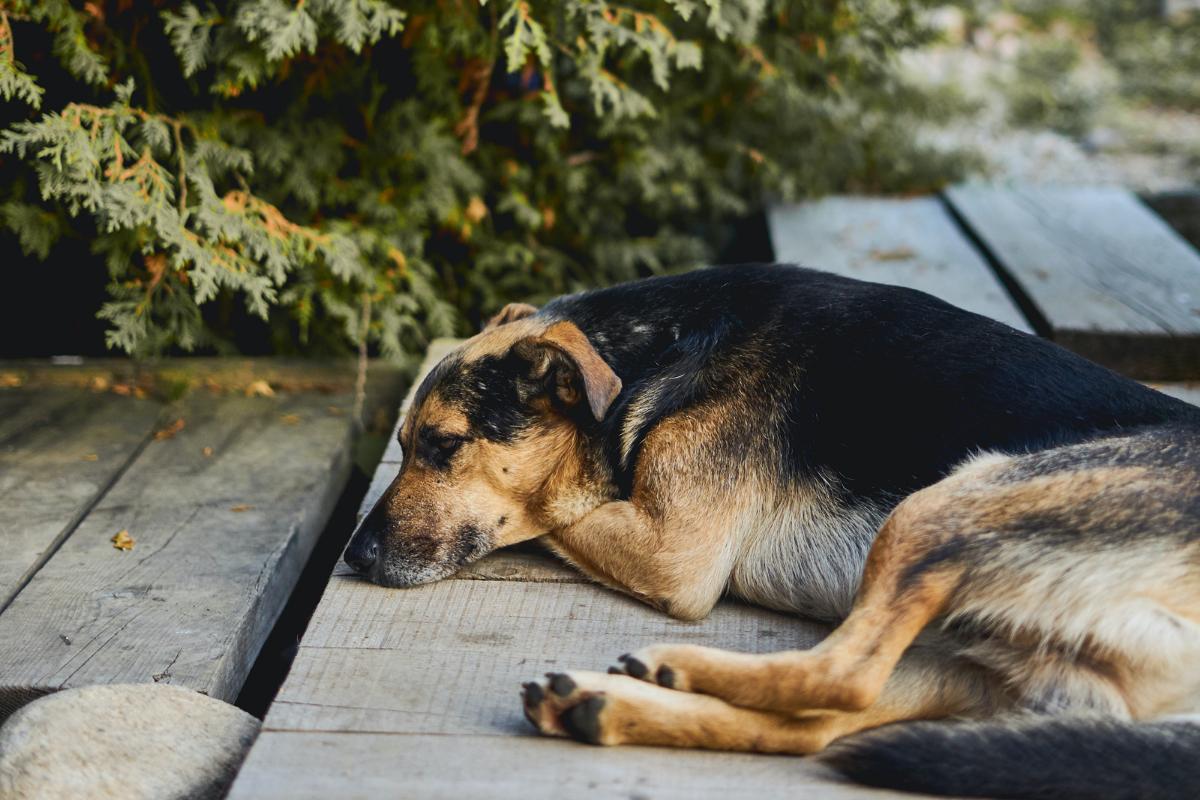
Intestinal malabsorption in dogs is one of the most complex clinical conditions to diagnose and treat in this species, and can have fatal consequences. This is why it requires constant monitoring and early treatment. Affected dogs often experience chronic diarrhea and weight loss. The causes of malabsorption in dogs are diverse, although they are mainly due to intestinal problems, in which the dog has difficulties properly absorbing the nutrients from the food they eat.
In this AnimalWised article we're going to explain the symptoms, such as chronic diarrhea, causes, and treatment of intestinal malabsorption in dogs.
What is intestinal malabsorption in dogs?
Intestinal malabsorption in dogs occurs when there is a failure in the digestion process, often due to exocrine pancreatic insufficiency or diseases affecting the small intestine. This leads to the poor absorption of nutrients from food, which can result in other health issues for your dog.
While some dogs may not show any symptoms, others may experience weight loss, chronic diarrhea, and additional symptoms we will mention below. In both scenarios, the dog will suffer from nutrient deficiencies, and their health will decline if left untreated. Some of the breeds that are most prone to this health problem include the Basenji, Shar Pei, and the Yorkshire Terrier. It's crucial for dog owners to be aware of these breeds' predispositions and monitor their health closely.

Symptoms of intestinal malabsorption in dogs
The symptoms of canine intestinal malabsorption can vary greatly. Here are the main symptoms your dog may exhibit:
- Chronic diarrhea
- Weight loss
- Yellowish vomit
- Changes in eating habits
- Melena
- Bowel sounds
- Reduction of muscle mass
- Ascites (fluid accumulation in the abdomen)
- Fluid effusion from the pleura (lining of the lungs)
It's crucial to take your dog to the veterinarian as soon as possible if they experience any of these symptoms or exhibit any other abnormal behavior, to ensure proper diagnosis and treatment.
Causes of intestinal malabsorption in dogs
There are several causes of intestinal malabsorption in dogs. These include:
- Exocrine pancreatic insufficiency
- Inflammatory bowel disease
- Small intestinal bacterial overgrowth
- Lymphatic system blockages in the gastrointestinal tract
- Idiopathic villous atrophy in the small intestine
- Infectious agents like viruses, fungi, or parasites
- Bacterial overgrowth such as SIBO
- Dietary factors like wheat sensitivity
- Genetic predispositions in certain breeds
Understanding these causes can help in the identification and management of the condition, leading to more effective treatments and improved outcomes for affected dogs.
Diagnosis of intestinal malabsorption in dogs
To accurately diagnose canine malabsorption syndrome, the following diagnostic techniques are commonly employed:
Blood test
In a complete blood count, the following alterations may indicate intestinal malabsorption:
- Hypoproteinemia: reduced globulins and albumin levels.
- Hypocalcaemia: low calcium levels, potentially due to decreased albumin.
- Hypocholesterolemia: low cholesterol levels due to malabsorption.
- Lymphopenia: reduced lymphocyte count.
- Anemia: often related to chronic disease.
- Neutrophilia: increased neutrophils due to inflammation.
- Low platelets: may occur if blood clotting is affected.
Complementary analysis
Additional tests can guide the diagnosis:
- Alpha-1 proteinase inhibitor: confirms protein loss through stool.
- Folate and vitamin B12 levels: reductions may indicate intestinal issues.
- Coagulation tests: assess risk of thrombosis.
Abdominal ultrasound
This imaging test helps visualize the intestines and other organs, checking for fluid in the abdomen. It is also useful for guiding biopsy sample collection for lab analysis.
Biopsy for histopathological analysis
Definitive diagnosis involves examining tissue samples from the intestine. Biopsies may be performed via endoscopy or laparotomy. The choice depends on the dog's condition and the veterinarian's judgment.

Treatment of intestinal malabsorption in dogs
The appropriate treatment for intestinal malabsorption depends on the dog's condition and the underlying cause. Your veterinarian may suggest the following:
Supportive treatment
This aims to alleviate symptoms:
- Thoracentesis: removes fluid from the lung pleura if breathing is affected.
- Diuretics: such as furosemide, help eliminate ascites, with careful monitoring of potassium levels.
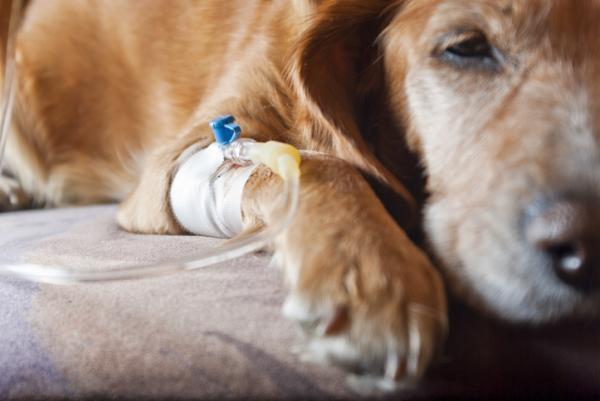
- Fluid therapy: administered if dehydration is present.
- Anticoagulants: like aspirin or clopidrogel, prevent thrombi formation.
- Vitamin B12 or folate supplementation: addresses deficiencies.
- Diet changes: hypoallergenic diets with hydrolyzed protein may be recommended for inflammatory bowel disease.
Specific treatment
Treatments target underlying diseases:
- Immune-mediated diseases: use immunosuppressants such as prednisolone or cyclosporine.
- Infectious diseases: antibiotics, antiparasitics, or antifungals as needed.
- Tumor-related diseases: chemotherapy protocols.
- Pancreatic insufficiency: supplement with pancreatic enzymes.
Tailoring treatment to the specific cause is essential for the effective management of intestinal malabsorption in dogs, improving their quality of life and health outcomes.
The prognosis for a dog with intestinal malabsorption depends on the condition of their organs, disease progression, and underlying cause. Infectious cases usually have a better prognosis, while tumors often present a more challenging situation.
If your dog is losing weight without explanation or showing any of the symptoms we discussed, it's crucial to take them to the veterinarian promptly for diagnosis and appropriate treatment. Early intervention can significantly improve their health and particularly their intestinal well-being.
This article is purely informative. AnimalWised does not have the authority to prescribe any veterinary treatment or create a diagnosis. We invite you to take your pet to the veterinarian if they are suffering from any condition or pain.
If you want to read similar articles to Chronic Diarrhea in Intestinal Malabsorption in Dogs, we recommend you visit our Other health problems category.
- J. Cerón, MJ Fernández, C. García, M. Hervera, SM Angulo, D. Pérez, C. Pérez, G. Santamarina. (2016). Clinical Manual of Internal Medicine in Small Animals I. ESVPS, Ed. SM Publishing Ltd. Sheffield, UK.
- F. Rodríguez-Franco, A. Sainz. (2002). Lymphoplasmacytic enteritis associated with hypoproteinemia in dogs: study of 12 clinical cases. AVEPA. Available at: https://ddd.uab.cat/pub/clivetpeqani/11307064v22n1/11307064v22n1p40.pdf
- A. Font. (2010). Protein-losing enteropathies . Argentine Veterinary Magazine. Available at: https: //www.veterinariargentina.com/revista/2010/11/enteropatias-con-perdida-de-proteinas/comment-page-1/