How Long Does It Take for a Dog to Digest Food?


See files for Dogs
Eating is not only a necessity for dogs, but it is one of their favorite activities. Maintaining a balanced diet and proper nutrition is vital for their health and well-being. Problems related to their digestion are very important as they can be symptoms of various health problems, both acute and chronic. This is why we need to be observant to any changes in their natural digestive rhythms.
One of the most important aspects is knowing how long does it take for a dog to digest food? At AnimalWised, we answer this question by going through the various phases of canine digestion and looking at where in the gastrointestinal tract these stages occur. Practically, this can help you organize your dog's feeding routine and even let you know when to take them for a walk or exercise.
The canine digestion process
The process of digesting food is made up of several stages and starts when it enters the dog's mouth. Food initially breaks down via the physical act of chewing and the chemical action of the dog's saliva.
The food then travels through the esophagus and into the stomach. Within the stomach, food is broken down further with the help of gastric acid, one of the main components of which is hydrochloric acid. When the food is partially broken down by this acid, it produces chyme. This is a semifluid mass of partially digested food which then travels into the small intestine.
Once the nutrients from the chyme have been assimilated into the small intestine, it travels into the large intestine for further extraction. Finally, what is left after the food has been digested is eliminated in solid form via feces and liquid via urine.
All these stages will take a certain amount of time for the organs, structures, and substances to act and digest the food. It is a complex system and there are various factors involved which affect the time it takes for food to pass from one end of the gastrointestinal tract to the other. This includes the state of the dog's health and the type of food. Some food takes longer to break down than others.
When the digestive process is not working, for whatever reason, we can see various signs and symptoms. Vomiting and diarrhea, as well as burping and coughing in dogs are some of the most common. Additionally, changes in appetite, lethargy, or unusual bowel movements can also indicate digestive issues. It's crucial to monitor these symptoms closely and consult a veterinarian if they persist.
How long does digestion take for dogs?
Unfortunately, there is no one duration of digestion in dogs. However, we can estimate how long it might take for food to be digested by dogs if we consider certain factors. The main factors to consider in canine metabolism are:
- Age: the metabolism of older dogs is slower than that of puppies.
- Type and amount of food: not all foods are equally easy to digest. For example, wet food is much easier to digest than dry food. Also, the more food they have eaten, the slower the digestion process will take.
- Animal size: large dogs usually take considerably longer to digest their food compared to small ones.
- Daily activity: a sedentary lifestyle slows down the digestive process. A dog that performs adequate physical activity daily will have healthier intestinal transit.
- Hydration: water is essential for all metabolic processes to take place.
We can also point out that a dog's digestion is often much slower than that of other animals. In fact, a dog's stomach might take between 8 to 12 hours to break down dry food before it even enters the small intestine. This will differ according to the above factors. Wet food, however, usually only takes about half this time to digest. When we compare to humans, the process usually only takes 4 to 5 hours.
After the food reaches the small intestine, it should only take a couple of hours to pass through. If the food has not been digested correctly or there is a health problem, it will possibly take longer due to constipation. This is usually rectified after they eat more easily digestible food.
The reason for this is because dogs are opportunistic carnivores. Their organism is prepared to digest practically any kind of food, even if it cannot gain much nutritional benefit from all of it. This is another reason why it is difficult to determine the duration of a given dog's digestive transit. However, we can say there is a spectrum. Easy-to-digest food should only take about 12 hours in total to digest. More difficult to break down food, such as bones, will take a couple of days.
It should be noted that stress levels can significantly impact digestion. Dogs experiencing anxiety may have disrupted digestion, prolonging the time food remains in their system. Ensuring a calm environment during and after meals can help in maintaining a smoother digestive process.

How long to wait after eating before the dog needs to defecate
It is not recommended to take a dog for a walk immediately after eating. This advice is given due to the risk of gastrointestinal problems if they exercise on a full stomach. In extreme cases, it can even lead to gastric torsion, a situation whereby the stomach becomes twisted. To avoid this, it is recommended we wait at least 2 hours before taking the dog out for a walk.
Gastric torsion, is a syndrome which most commonly occurs in large dogs. It is often known as bloat, although this is a term which can also refer to other types of excessive gas accumulation. It is characterized by abnormal stomach dilation when full, meaning the stomach cannot return to its original shape as it would when empty. The stomach twists on itself and obstructs the pathways of digestion. It also puts pressure on blood vessels and other organs and will lead to the death of the animal if not treated.
It is not only serious issues which require us to consider when to walk a dog after eating. Milder problems such as vomiting and diarrhea in dogs can still affect their well-being. Also, if your dog already eats too fast, they are more likely to get indigestion.
Due to potential digestive problems, it is important we reduce the potential risk, especially if a dog is easily excitable. One way we can do this is to take the dog for a walk before they eat. This way, they can build up their appetite and eat when they get home. They may also like to rest to digest their food.
Regardless of when you take your dog out for a walk, you should do what you can to avoid over-eating. Some dogs have an unhealthy approach to their feeding and will eat too much too quickly given the chance. You can avoid this by breaking up their daily food requirements into smaller servings and give it to them more frequently. In turn, this will help to avoid digestive problems.
In addition, using slow-feeder bowls can be beneficial for dogs that tend to gulp down their food. These bowls are designed with ridges or patterns that make it more challenging for the dog to eat quickly, promoting a healthier pace of eating and aiding in better digestion.

Can my dog swim after eating?
You will want to know how long it takes a dog to digest their food for many reasons. A common question among dog guardians is whether their dog can swim after eating. This is because when human beings go swimming immediately after they eat, they have a higher risk of drowning. Or so many people think.
Actually, humans having to wait 30 minutes to an hour after eating is a myth. There is no scientific evidence to suggest that this can cause the risk of cramping or any other problem which can contribute to drowning. If you eat a lot and then immediately exercises afterwards, then you can have digestive issues, but these are not specific to swimming.
With a dog, there is a key difference. Since gastric torsion can occur in dogs, swimming immediately after eating can mean this is more likely to occur. Jumping into the water on a full stomach can affect stomach dilation and increase the risk of gastric torsion.
We also need to be careful with the temperature of the water. Some dogs will jump into icy cold water without giving it a second thought. While this can be dangerous in and of itself, if they have just eaten it can increase the possibility of going into shock.
For both these reasons, it is ideal to wait for 2 hours after the dog has eaten to swim. This doesn't include small treats, but if the dog has eaten a full meal, the risk of complications increases if they swim immediately after eating. There are other factors which will affect this. Some dogs are better swimmers than others and underlying health issues can contribute to swimming problems.
Moreover, it is essential to consider the dog's comfort and willingness. Some dogs may have a natural aversion to water or swimming, which can induce stress if forced. Stress, in turn, can worsen digestive issues, so it's crucial to ensure the dog is relaxed and enjoys swimming before encouraging it to swim after a meal.
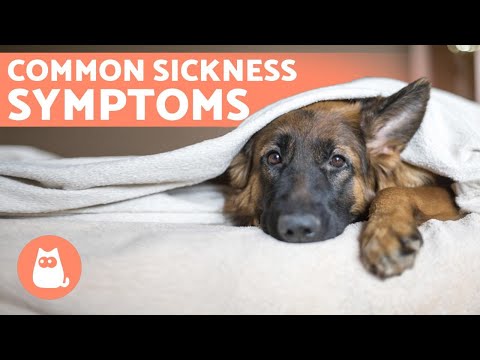
If your dog is suffering from digestive issues, there are certain symptoms we need to look out for, the most important of which can be found in this video below:
If you want to read similar articles to How Long Does It Take for a Dog to Digest Food?, we recommend you visit our Diet problems category.
- Mayoral, I., Rodríguez, F., Sainz, A., & Ynaraja, E. (1995). Medical treatment of gastric dilatation-torsion in the dog: management of the medical emergency and preparation for surgery. UAB digital documents depository. https://ddd.uab.cat/record/71069
- Organization of consumers and users. (2018). How long does it take to bathe after eating? https://www.ocu.org/salud/bienestar-prevencion/consejos/bano-digestion