Why Can’t Hens Fly?

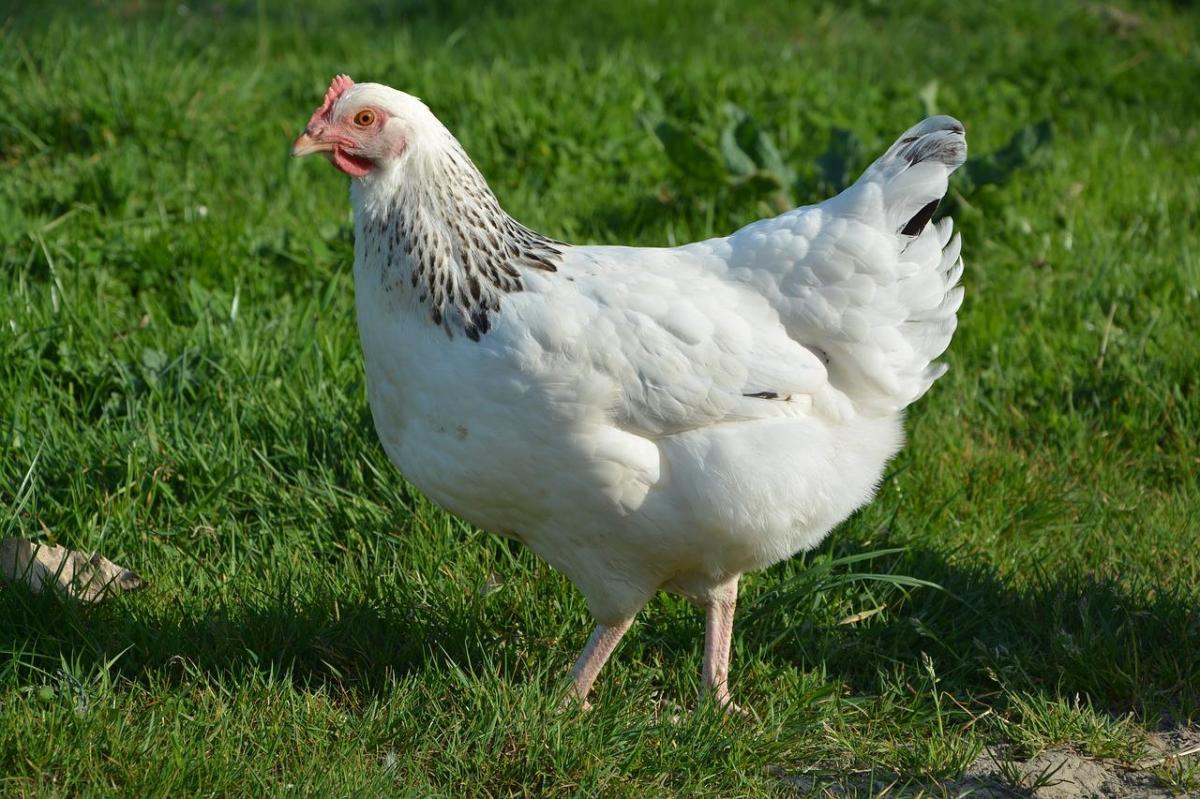

See files for Hens and roosters
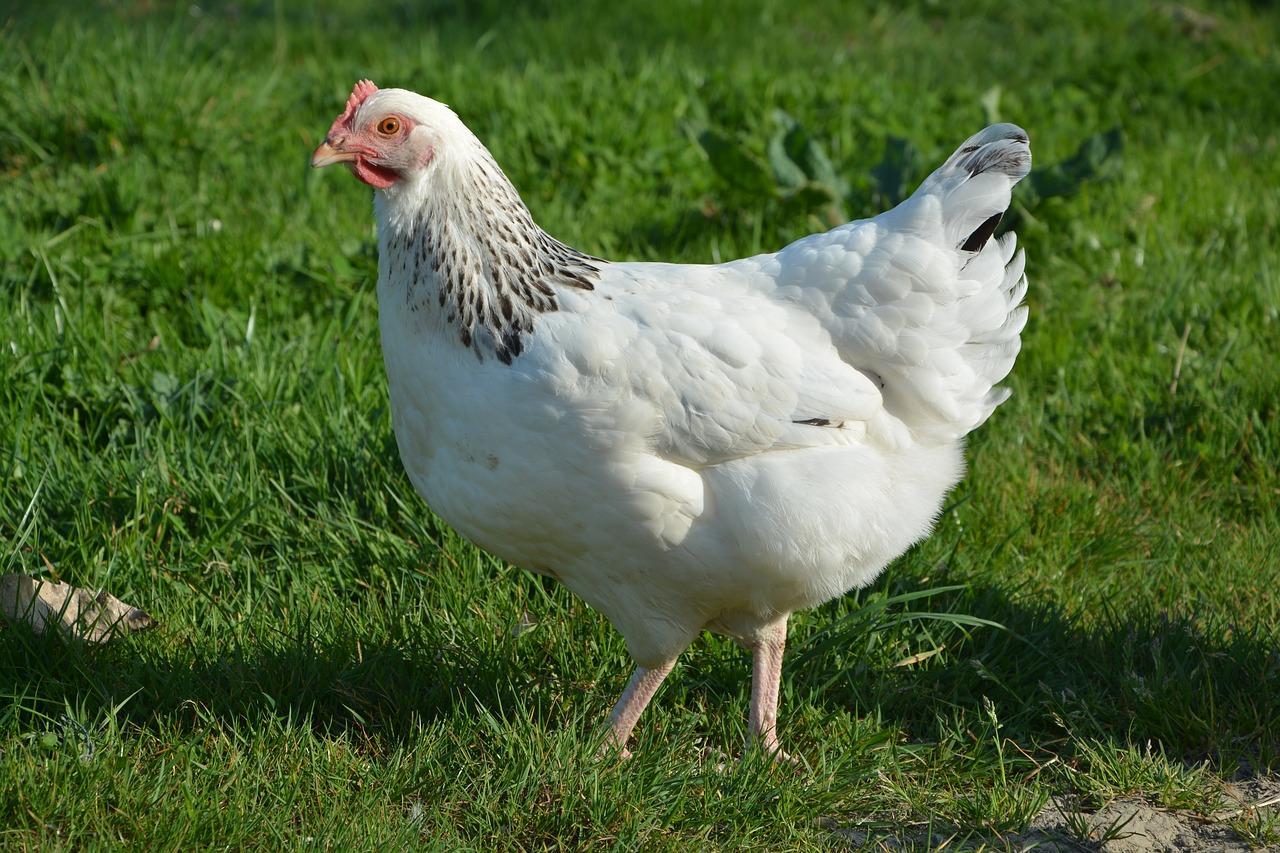
Chickens are one of the most common and widespread domestic animals. There are more chickens in the world than any other bird. Although hens are birds and have wings, they cannot fly, at least not like sparrows or pigeons, for example. Contrary to what one might expect, the ancestors of hens were decent flyers. However, over the decades, hens have been crossbred for human consumption. Due to crossbreeding, chickens are no longer able to fly because their bodies have been altered in such a way that their wings are too small for them to fly high or far.
This AnimalWised article explains everything you need to know to understand why hens can't fly.
Are hens birds?
Yes, hens and chickens are birds that belong to the order Galliformes, which also includes other known species such as partridges and turkeys, all of which share common ancestors. The chicken we know today (Gallus domesticus) is a domesticated subspecies of the red junglefowl, with characteristics of wild species such as the gray and Ceylon junglefowl, which originated in Southeast Asia.
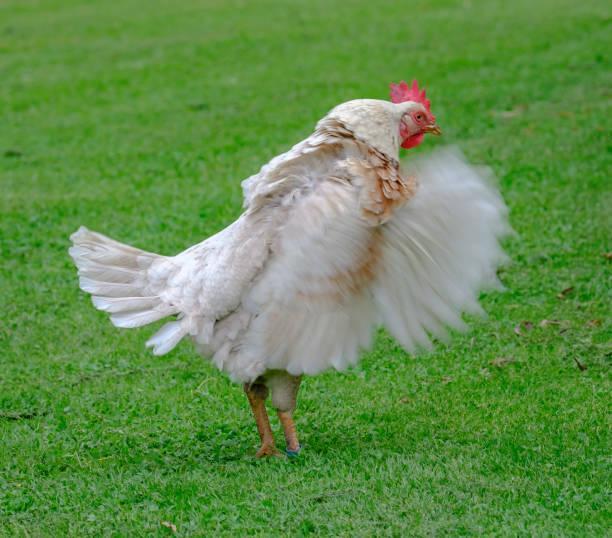
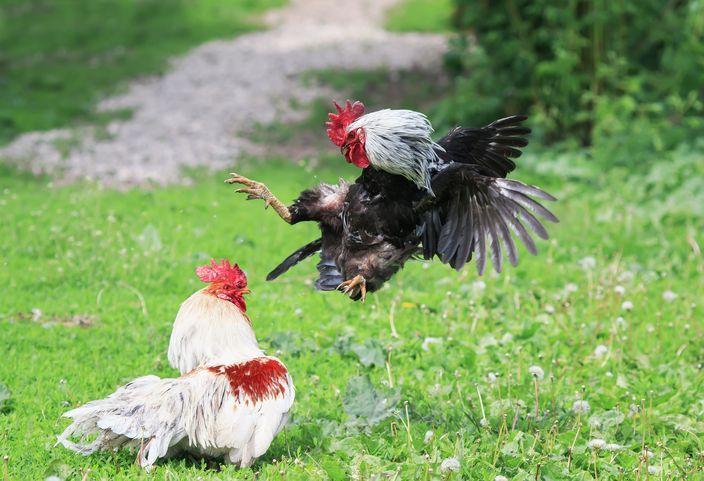
So yes, hens are technically birds, but anyone that has seen a hen fly knows that they are not very good at doing so. Hens can flap their wings and some species are able to lift off the ground for a few seconds and make explosive flights. However, their flight is different from that of other birds, and they cannot stay in the air for very long.
Are there other birds that cannot fly?
In addition to hens, penguins and ostriches are also incapable of flying, despite also having wings and being birds. There are several similarities between all these birds that cannot fly, but the most important is that all their phylogenetic ancestors could fly. Hence, we can conclude that in all of these birds the ability to fly has been lost throughout evolution.
Interestingly, some of these flightless birds have developed other adaptations that help them survive. For instance, penguins have become excellent swimmers, using their wings like flippers to glide through water with great agility. Similarly, ostriches have adapted to run at high speeds, making them the fastest birds on land. These adaptations highlight the diverse strategies birds have developed to thrive in their respective environments.

Why can't hens fly?
There is no doubt that birds do generally fly. However, from a taxonomic standpoint, flying is not an essential feature of what makes them birds. There are other factors to consider such as whether they have feathers, wings, a beak, or lungs.
The reason hens cannot fly lies primarily in their wings. The wings of chickens have a very different morphology than those of flying birds. They are more robust, therefore heavier and much smaller compared to the hens' bodies. As a result, their wings-to-bodies ratio is insufficient, which prevents them from lifting themselves off the ground.
In addition, chickens cannot fly because they lack a crucial part, the keel. This is a fundamental muscle for flight, since it enables wing flapping.
Finally, these birds have a denser and more abundant plumage, which also makes them too heavy to fly.
If you want to learn more about chickens and hens, do not miss our article how do chickens reproduce?
Moreover, the domestication process has focused on breeding chickens for specific traits, such as larger muscle mass for meat production. This selective breeding has further reduced their ability to fly. The modern chicken's anatomy is optimized for egg laying and meat yield rather than flight, which has become irrelevant for their survival in a domesticated setting.
It should be noted that while the inability to fly might seem like a disadvantage, it has allowed hens to focus on other survival strategies, such as foraging for food on the ground, where they spend most of their lives.
Why do chickens have small wings?
The wings of flightless birds are often studied as vestigial organs in evolutionary biology. Vestigial organs are those that cease to function and remain as a sign of their utility at some point in evolution. Flightless birds have wings that they cannot use to fly, although they can use them for other actions, such as social or defense rituals.
The wings of chickens are small in relation to their bodies because, as the species has evolved, wings have become less important. For example, it is more indispensable for chickens to have long legs that allow them to run and even jump, as this is more useful for their survival. In addition, these animals live on the ground for their entire lives, since they find food there and do not have to migrate, so the wings are a completely unnecessary part of their body.
There is also the fact that hens are primarily bred to provide eggs and human consumption. Therefore, humans have intervened and bred their chickens and hens to have larger flight muscles (chicken breasts) than their jungle fowl cousins. In other words, due to selective breeding, the modern chicken's body has been developed for nutritional purposes.
Furthermore, the small wings help reduce energy consumption in daily activities. Since chickens do not rely on flight to survive, their energy can be better allocated to other processes such as reproduction and maintaining their overall health.
If you have ever wondered why roosters crow in the morning when the sun rises, do not miss our article on Why do roosters crow in the morning?

What to do if a hen flies away?
As we have mentioned, hens are not great at flying, but that doesn't stop them from trying. If you have hens in a coop, and you notice that one or more hens are attempting to fly away, you should consider what is motivating them to abandon their safe space in the first place. Make sure you are providing the hens with enough water, food, and space in the coop.
In the event that one of the hens managed to fly away, you should keep calm. First, it is unlikely that the hen will make it far, and it will probably be back before dawn. Hens know that they are vulnerable animals at night.
Clipping might seem like a solution to stop them from trying to fly away. However, clipping the wings will make the hens more vulnerable to predators, because they might need their wings to defend themselves.
Moreover, ensuring a secure and comfortable environment can discourage hens from attempting to escape. Regularly check for potential threats or disturbances around the coop that might be causing stress. Additionally, consider enriching their environment with activities and structures that encourage natural behaviors like pecking and dust bathing to keep them engaged and content.
If you want to read similar articles to Why Can’t Hens Fly?, we recommend you visit our Facts about the animal kingdom category.
- Hackett Shannon J. et al. (2008). A Phylogenomic Study of Birds Reveals Their Evolutionary History . Science320.
- Nudds, R.L.; Slove-Davidson, J. (2010). A shortening of the manus precedes the attenuation of other wing-bone elements in the evolution of flightlessness in birds . Zoological Act 91: 115.