British Shorthair
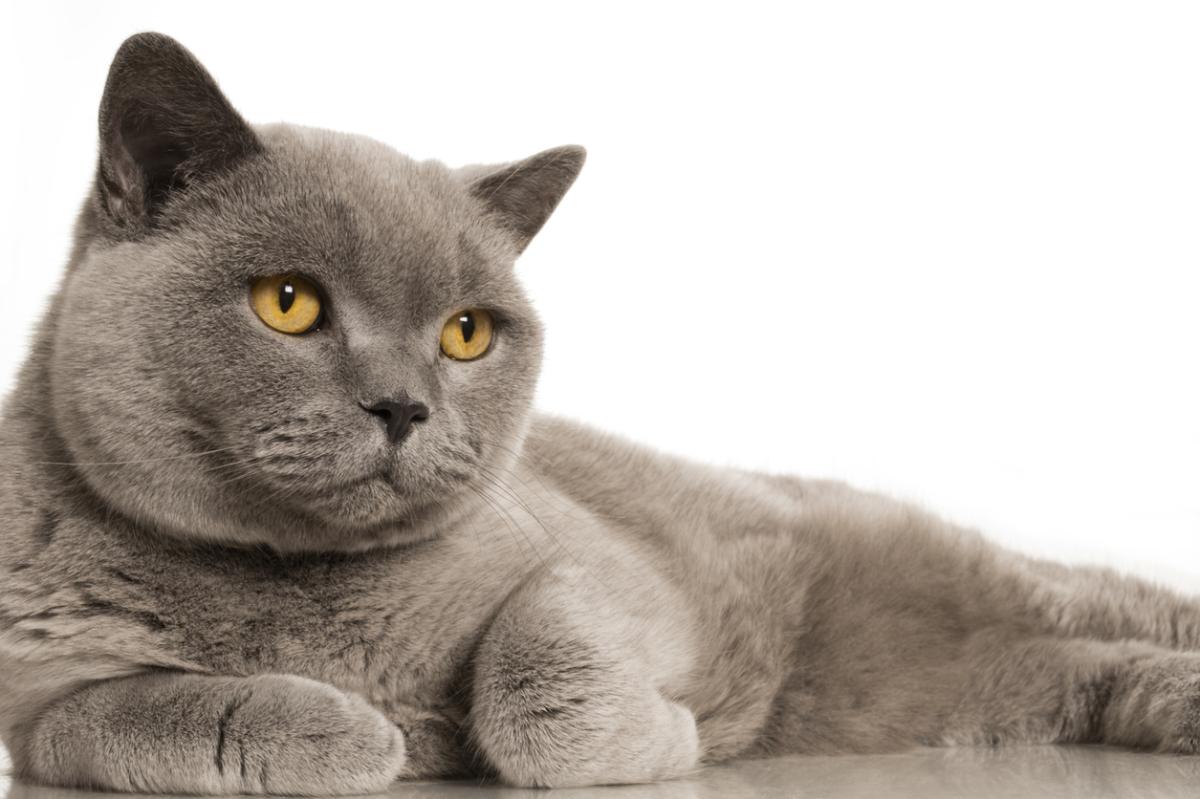
The British Shorthair is one of the oldest cat breeds. Their ancestors came from Rome, who were deported by the Romans to Britain at the time. In the past they were prized for physical strength and their ability to hunt, but soon became a domestic pet.
- Europe
- Italy
- United Kingdom
- Category II
- 7-11
- 11-13
- 13-17
- 17-22
- 22-30
- 8-10
- 10-15
- 15-18
- 18-20
Physical appearance
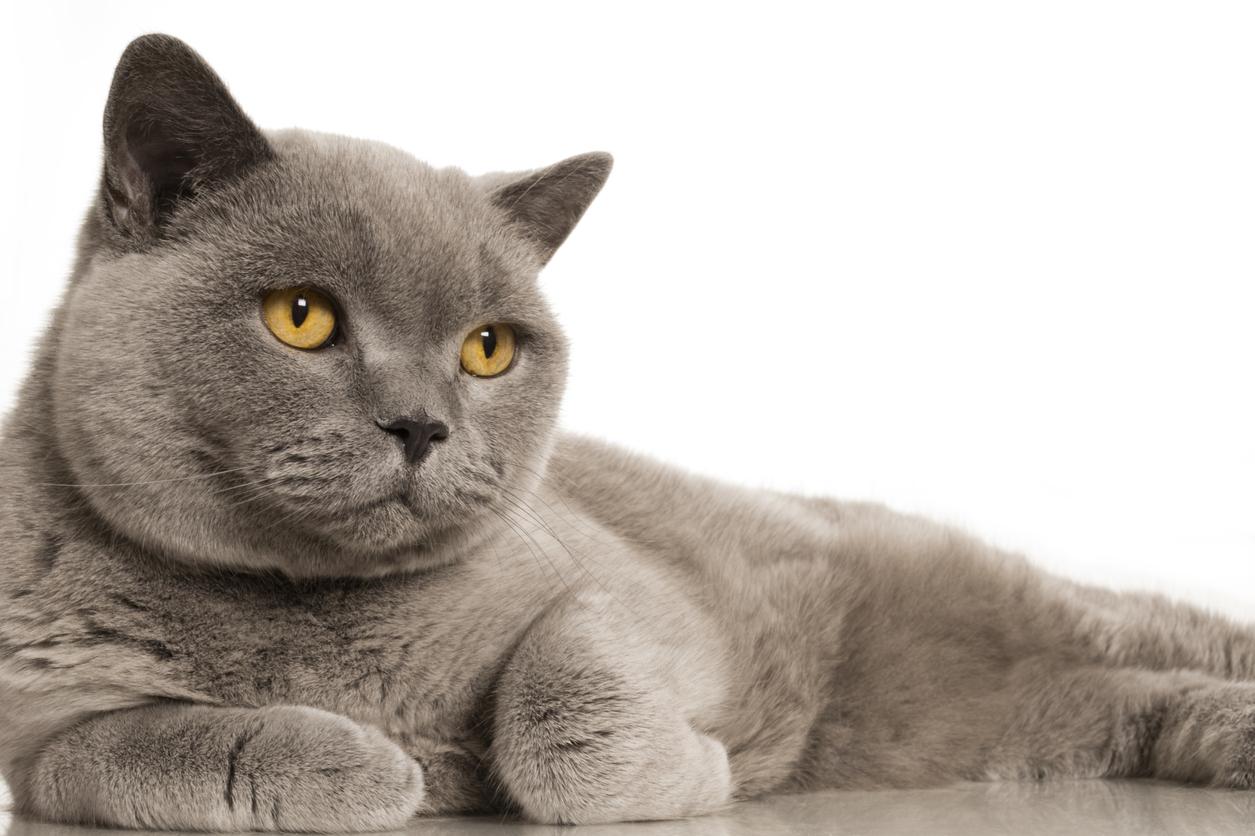
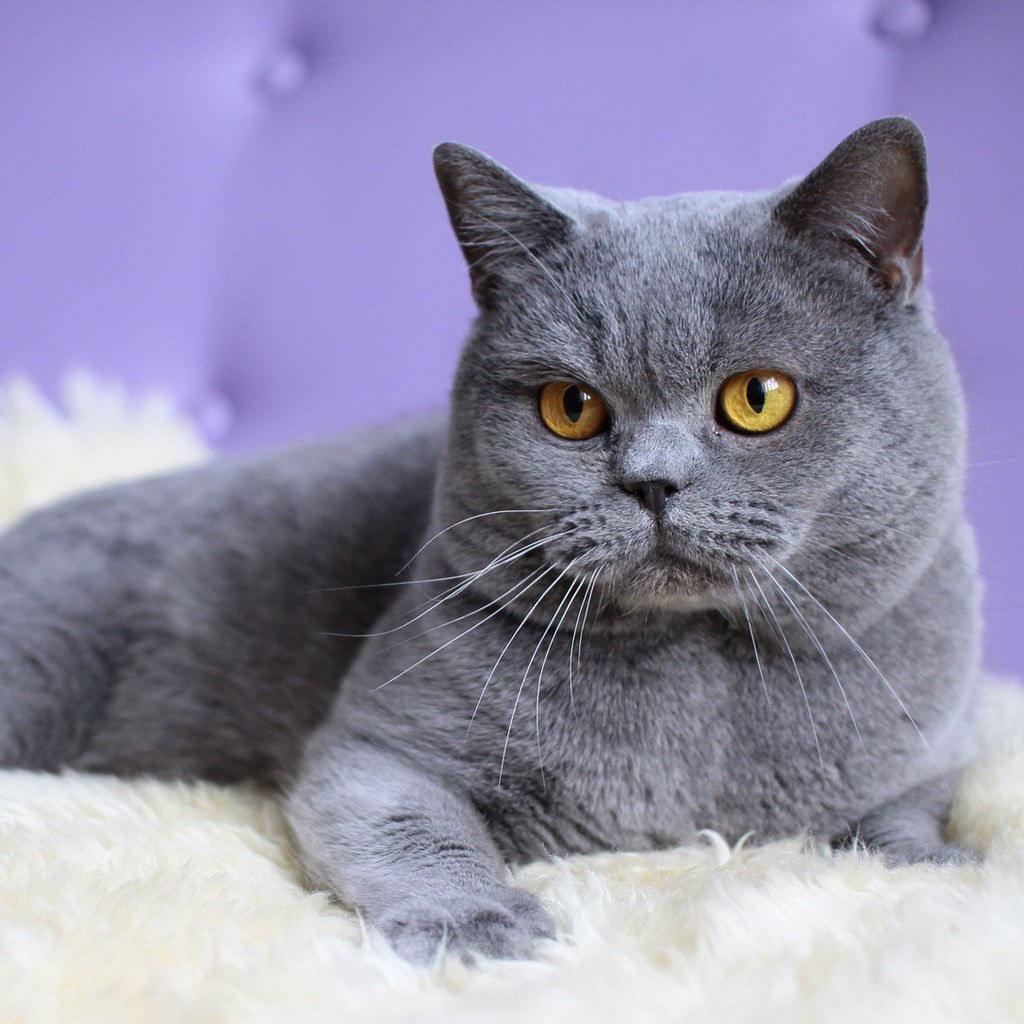
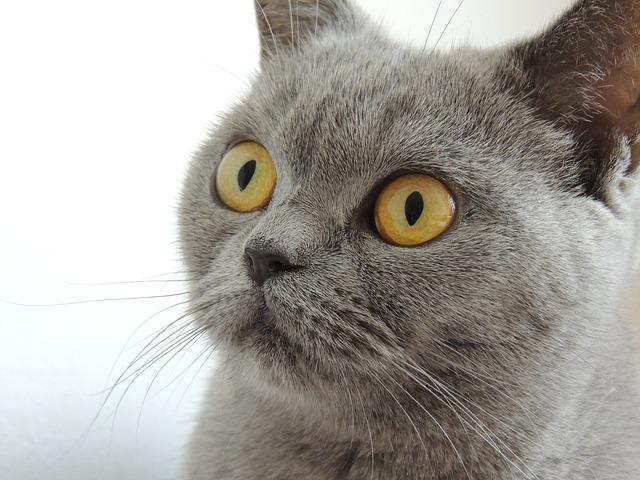
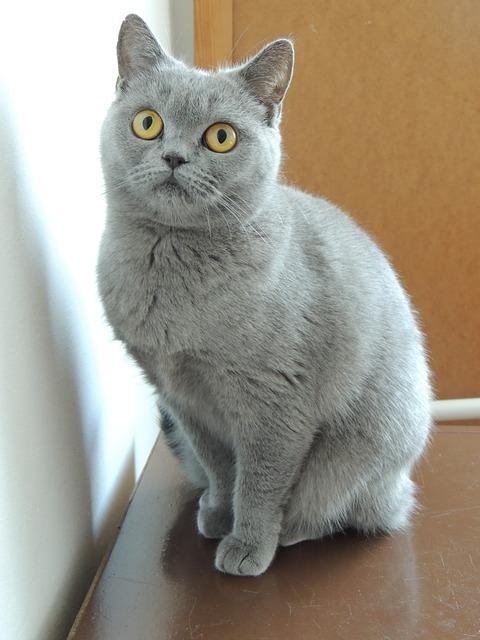
The British Shorthair stands out for their great head that is quite unmistakable. Their ears are rounded and widely separated and underneath we observe two big eyes of an intense color in harmony with their fur. This breed's plush coat adds to their distinct appearance, making them a favorite among cat enthusiasts.
The body is strong and sturdy giving them a very dignified look. Underneath the short, dense and soft hair we find an exquisite and noble cat. Medium in size, somewhat large, the British Shorthair has a majestic and slow gait that ends in a thick tail at the root which is thin at the tip. Their movements exude confidence and grace.
Although accustomed to seeing the blue British Shorthair, they come in a wide range of colors:
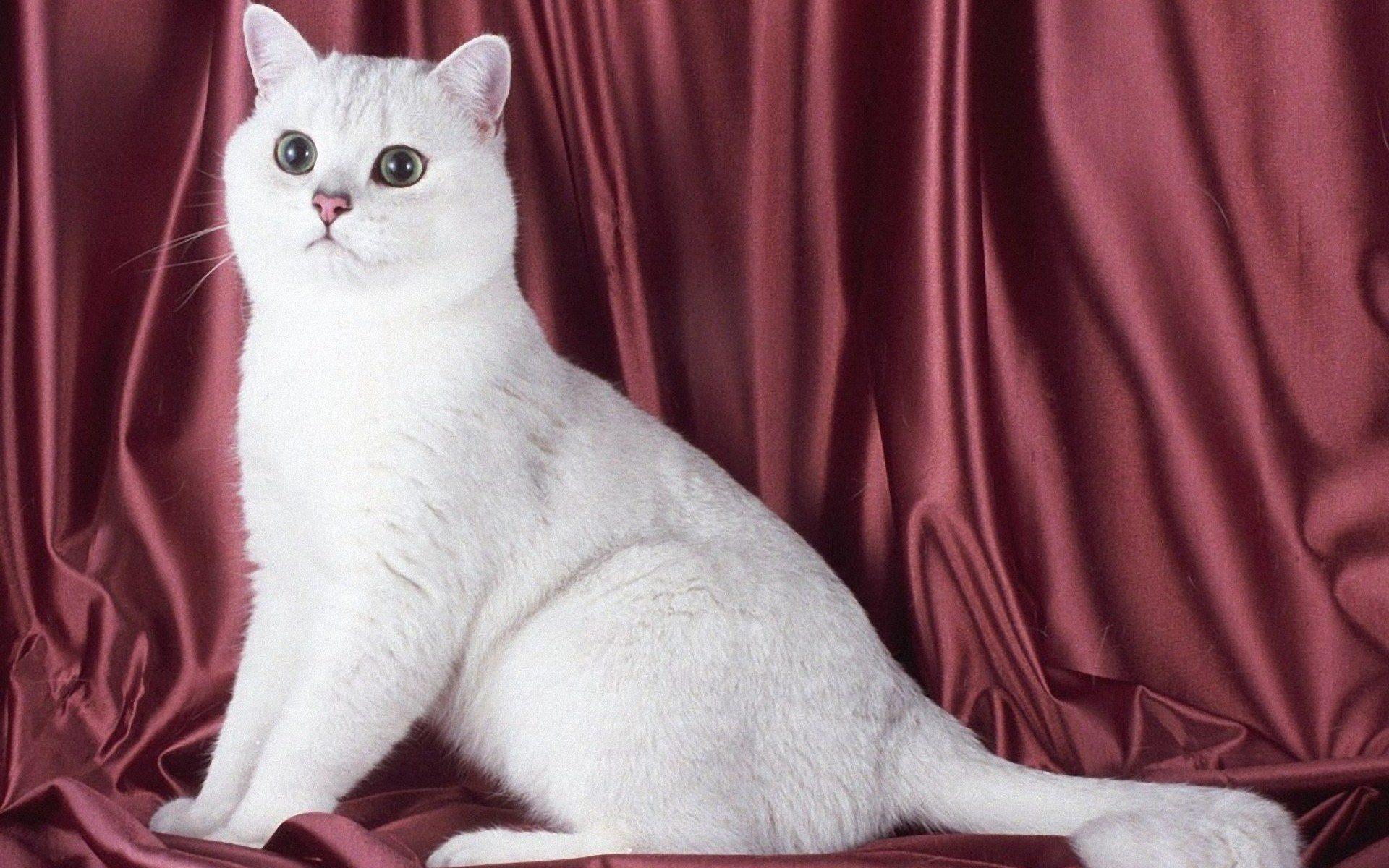
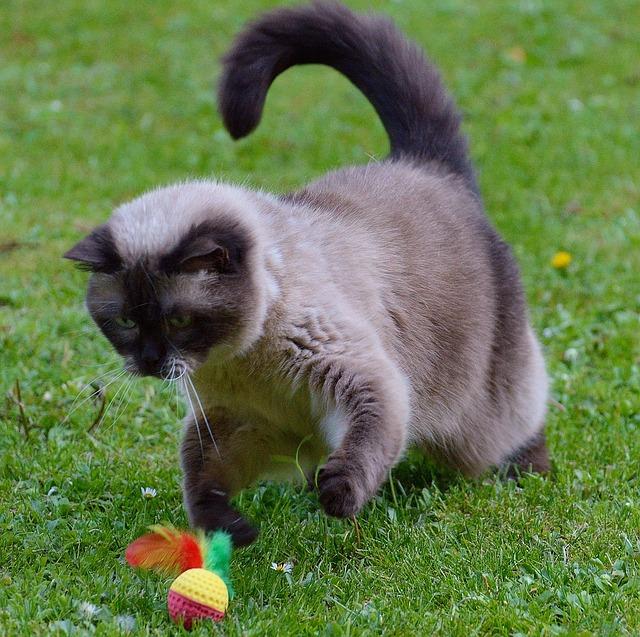
- Black, white, blue, red, cream, tricolor, chocolate, lilac, silver, golden, cinnamon and beige.
We also observe different patterns in their fur:
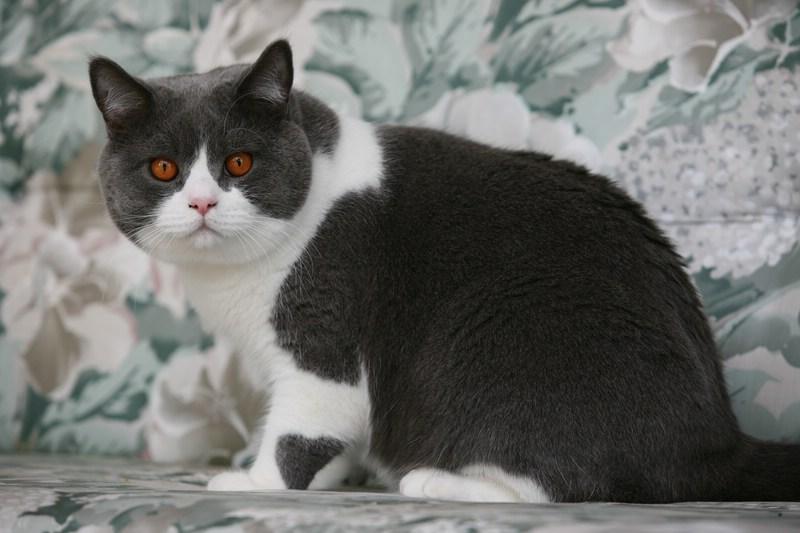
- Tortie, bicolor, white, color point, tabby (blotched, mackerel, spotted and ticked) as well as broken and marbled.
- Shaded fur may appear on some cats too (darker hair tips), adding depth to their already striking appearance.
Temperament
If you are looking for a sweet and affectionate cat, the British Shorthair is the perfect choice for you. They adore feeling loved and for that reason they can be quite dependent on their owners and follow them throughout the home. Their cheerful and spontaneous nature will without a doubt surprise us. They will often request playtime and get along beautifully with cats and dogs alike, making them ideal for multi-pet households.
They like to spend time with children as they are active and playful cats who enjoy exercise. Although, it is very likely that half way through a game they will retire to rest peacefully in their plush bed. They are quiet cats, often preferring a calm environment where they can relax and feel secure.
Health
Here are some of the most common diseases of the British Shorthair:
- Polyquitosis renal: An anomaly present in races that derive from the Persian cat. It is a genetic mutation.
- Feline Coronavirus
- Hypertrophic cardiomyopathy
- Feline distemper
Prevent your cat from becoming a victim of these diseases by always keeping up with your veterinarian's vaccination schedule. Remember that even if your cat does not go out on the street, viruses and bacteria can get to them quite easily. Regular check-ups ensure they remain in optimal health, giving them a long and happy life.
Caring for a British Shorthair
Although they require some very basic care, the truth is that unlike other races, they will appreciate all the attention you can devote to them. Follow these tips to have a happy British Shorthair:
- Provide a comfortable and spacious bed for sleeping, as they love to lounge and nap.
- Good quality food and drink is recommended as it has a direct impact on their happiness, their shiny fur and their general health. A balanced diet is crucial for maintaining their robust physique.
- We recall that removing nails (declawing) is prohibited. To care for their nails it is important to cut them from time to time or leave this task to the pet groomer or vet. Keeping their nails trimmed helps them stay comfortable and prevents damage to furniture.
- Scratching posts, toys and regular brushing are elements that should not be missing in the life of any cat. These not only provide entertainment but also help maintain their physical condition and reduce shedding.
Facts
- In 1871 the British Shorthair competed for the first time in The Crystal Palace where it broke records of popularity, surpassing the Persian cat. This event marked the beginning of their journey as a beloved breed among cat fanciers.
- During World War I and II, the British Cat almost became extinct. For this reason, they began to breed them with the Persian cat. This gave way to a more robust British Shorthair, with more rounded forms, intense eye color and so on. The crossbreeding contributed to their current appearance and solidified their place in cat history.
British Shorthair photos