How to Tell If Your Rabbit Has an Ear Infection


See files for Rabbits
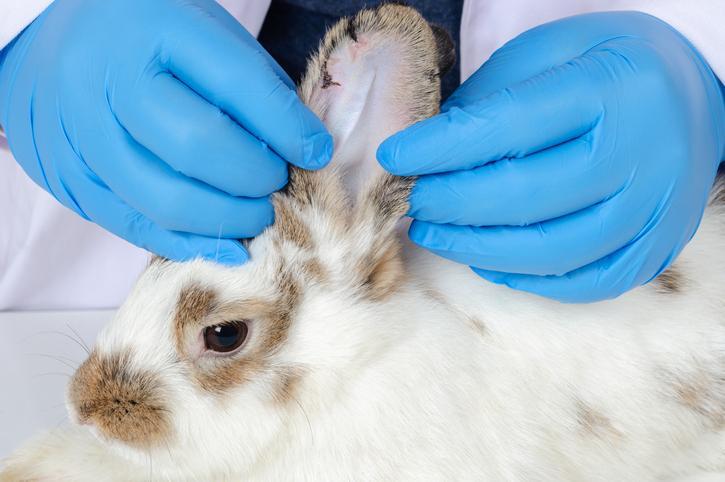
Ear infections, also known as otitis, are the most common form of ear disease in rabbits. These infections can affect the external, middle, or internal parts of a rabbit's ears. If you've noticed your rabbit tilting or shaking their head, they may have an ear infection.
In this AnimalWised article, we're going to help you know how to tell if your rabbit has an ear infection. We'll talk about the different types of otitis in rabbits, symptoms, and treatment.
Ear infection in rabbits
Otitis in rabbits is an inflammation of the ear. Since the ear can be divided into three parts (external, middle, and internal), this is also how we categorize otitis in rabbits. Let's dive deeper into each one:
- Internal otitis: refers to the inner part of the ear. These infections are more challenging to resolve and are very uncomfortable for the rabbit. This is because they are near the eardrum and vestibular system, affecting balance and hearing.
- Middle otitis: involves inflammation in the middle area of the ear canal. If not diagnosed in time, this type of infection can lead to more serious complications. However, it's less painful than internal otitis.
- External otitis: occurs in the outer part of the ear. This is often due to mites in rabbits like Psoroptes spp or Otodectes spp. Without proper diagnosis, it can progress into middle and then internal otitis.
In general, long-eared rabbits are more prone to ear infections, such as a Lop rabbit. If your rabbit has long ears, it's wise to clean their ears regularly to prevent future infections. Additionally, maintaining a clean living environment can significantly reduce the risk of infections.
How to know if your rabbit has an ear infection
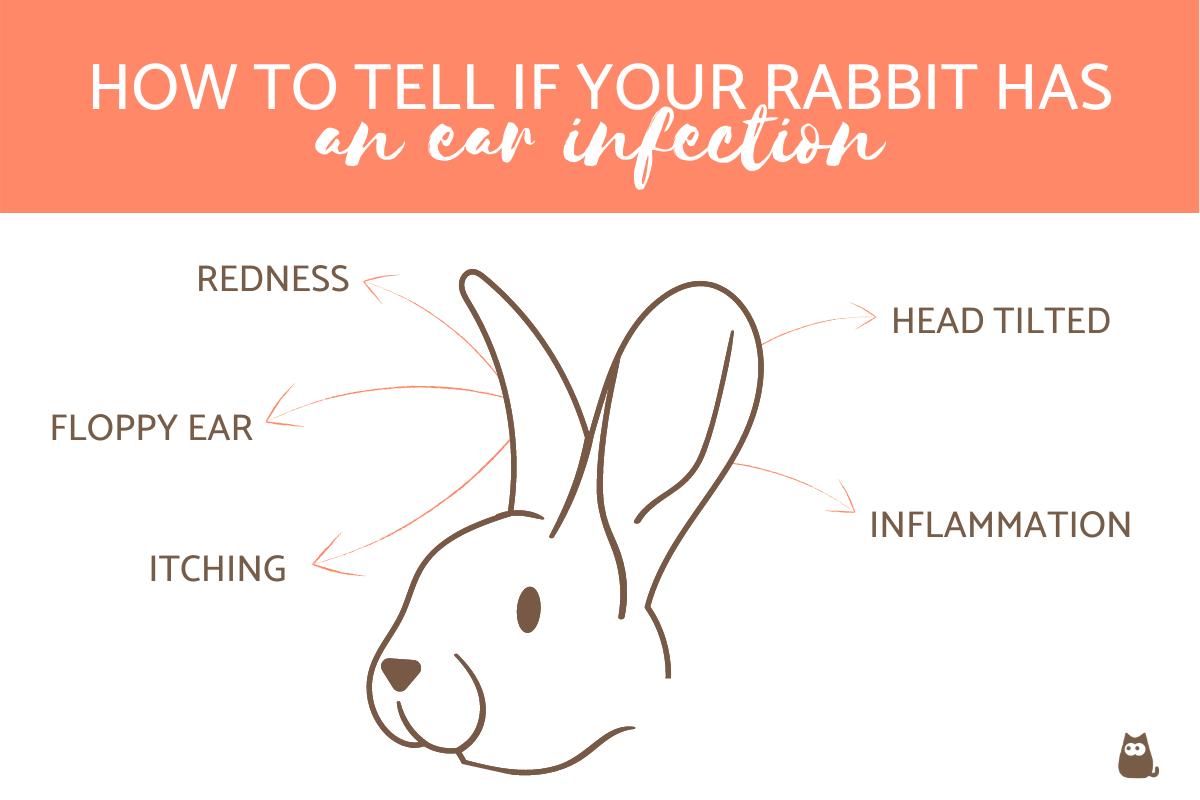
Ear infections in rabbits will exhibit certain symptoms that can help us recognize if our rabbit is suffering from an ear infection. These signs can even help us determine what type of otitis your rabbit has. The common symptoms of an ear infection in rabbits are:
- Excessive scratching of the ear
- Redness
- Inflammation
- Head shake or tilt
- One or both ears are now floppy
- Pain around the ear
- Secretions with bad odors
- Nystagmus (involuntary movement of eyes)
- Lack of appetite
- Ataxia (uncoordination)
If you notice your rabbit experiencing any of these signs, it's best to take them to the veterinarian as soon as possible. Some of these symptoms, such as nystagmus or ataxia, indicate the seriousness of the infection. However, even for mild symptoms, like redness or excessive scratching, it's prudent to contact a professional promptly, as these can easily escalate into more serious health issues.
Learn more in our article about how to know when your rabbit is sick.

Causes of ear infection in rabbits
An ear infection can be caused by many different factors. Here are the more common causes of otitis in rabbits:
- Parasites: Some skin parasites in rabbits are located at the base of their ears, causing external otitis if the necessary care is not carried out in time. Psoroptes cuniculi is the mite most associated with otitis in rabbits.
- Autoimmune diseases: These diseases can affect any part of a rabbit's body, so their ears are no exception. Although not very frequent, otitis in rabbits may occur due to an autoimmune disease.
- Injury: Another cause is when a rabbit is injured near their ears. This will cause inflammation and perhaps an ear infection. It's crucial to visit the veterinarian as soon as possible.
- Allergies: Otitis in rabbits can also occur when a rabbit is allergic to a certain medication. Some allergies that affect a rabbit's ears can be triggered by ototoxic medications. As usual, when administering a medication to your pet, it's important to carefully follow your veterinarian's instructions and let them know about any other medication your pet is taking or any allergies they may have.
- Bacteria: Some bacteria can cause an ear infection in rabbits. The most common is the Pasteurella multocida.
- Fungi: Otitis in rabbits may also be caused by fungi. In such cases, rabbits tend to worsen quickly.
To mitigate these issues, ensure regular check-ups and vaccinations. Read our article about vaccinations for rabbits for more information. You can also consult your local veterinarian.
Diagnosis of ear infection in rabbits
To diagnose otitis in rabbits, the clinical signs must be related to the anamnesis and the complementary examinations. This pathology gives many clues, since its signs are quite characteristic and there are few differential diagnoses that we can include in the study of the patient.
To be completely sure that there is no other condition, as well as to know the cause of the ear infection, the veterinary doctor must carry out the following tests:
- Blood tests
- Skin scraping
- Microbiological control
- CT scan (sometimes)
Sometimes a CT scan is also done, as some signs are only visible with neoplasms present in the rabbit's brain. It should be noted that early detection through these diagnostic measures can significantly improve recovery outcomes.

Treatment for ear infection in rabbits
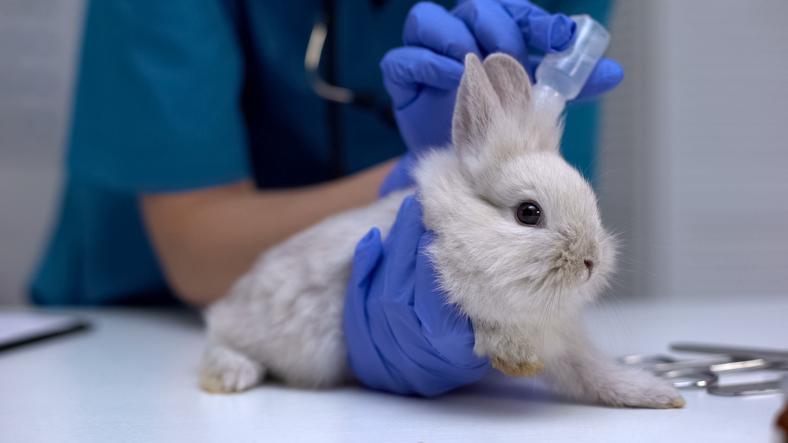
To treat an ear infection in rabbits, your veterinarian will first need to know the cause of the condition. Then, they will be able to choose the correct medication for your rabbit's condition and overall health. These are the most common medications for otitis in rabbits:
- Antibiotics: If the cause is due to bacteria, your veterinarian will choose the right antibiotic for your rabbit.
- Antifungals: If the cause is due to fungi, your veterinarian will prescribe the correct antifungal for your rabbit.
- Glucocorticoids: These help mediate the inflammation. They are often chosen when the cause of the ear infection is due to an autoimmune disease.
- Analgesics: Such as carprofen, are used as painkillers for the painful symptoms your rabbit is experiencing.
- Fluid therapy: This type of medication is used if the rabbit is dehydrated.
Only your veterinarian can diagnose and choose the correct treatment for your rabbit's specific condition. Medicating your rabbit without professional supervision is not advised, as it will likely cause more harm than good and, in the worst cases, can lead to your rabbit's death. In addition to medication, providing a stress-free environment and maintaining optimal hygiene can aid in your rabbit's recovery.
This article is purely informative. AnimalWised does not have the authority to prescribe any veterinary treatment or create a diagnosis. We invite you to take your pet to the veterinarian if they are suffering from any condition or pain.
If you want to read similar articles to How to Tell If Your Rabbit Has an Ear Infection, we recommend you visit our Other health problems category.
- Rod AW Rosychuk and Patricia Luttgen. (2003). Ear diseases. Compendium of the Fifth Edition of Stephen Ettinger's Treatise on Veterinary Medicine. 5th Edition. Elsevier Publishing House, p 392. Chapter 118.