Symptoms of a Sick Rabbit


See files for Rabbits
It wasn't long ago that most societies saw rabbits as livestock rather than companion animals. However, the last thirty years or so have seen rabbits being recognized as the lovable family members they can be. For this reason, more and more veterinary clinics are providing rabbit-specific care. They are able to treat rabbit diseases and help ensure they are best prevented. Different types of pet rabbits have been developed, but they all have certain basic care needs. Knowing whether a rabbit is unwell is one of the most fundamental.
This article on the symptoms of a sick rabbit provides 10 signs your bunny is ill. AnimalWised explains these most frequent symptoms and explains the common rabbit diseases behind them. In doing so, you can know what to look for and what you might expect in terms of treatment and prognosis.
- Keeping rabbits as pets
- How do you know if a rabbit is sick
- Lack of appetite
- Diarrhea
- Weight loss
- Difficulty eating
- Irritated or reddened eyes
- Ataxia
- Abnormal inclination of the head
- Hair loss
- Coughs and sneezes
- Physical wounds
- Symptoms that a rabbit is going to die
Keeping rabbits as pets
Keeping rabbits as pets is a practice which has grown more popular over the years. It depends on the country in which you live and we need to take into consideration people keeping livestock such as horses. However, rabbits are growing in popularity. With this increased popularity, we need to know there is a responsibility to learn more about them and provide the right levels of care. When we know what to do in terms of their care, we can best ensure their health and well-being. This article on tips for raising rabbits will help to shed some light on the subject.
The life expectancy of domestic rabbits can be up to 12 years with the right level of care. However, if we are fortunate, it is also possible they may live for more than this. Both preventive medicine and the implementation of a suitable health plan are important to help ensure their well-being. It is crucial to have regular veterinary check-ups to catch any potential health issues early on. So too is a general knowledge on the most common diseases in rabbits. With these precautions in place, rabbits can enjoy enviable health.
How do you know if a rabbit is sick
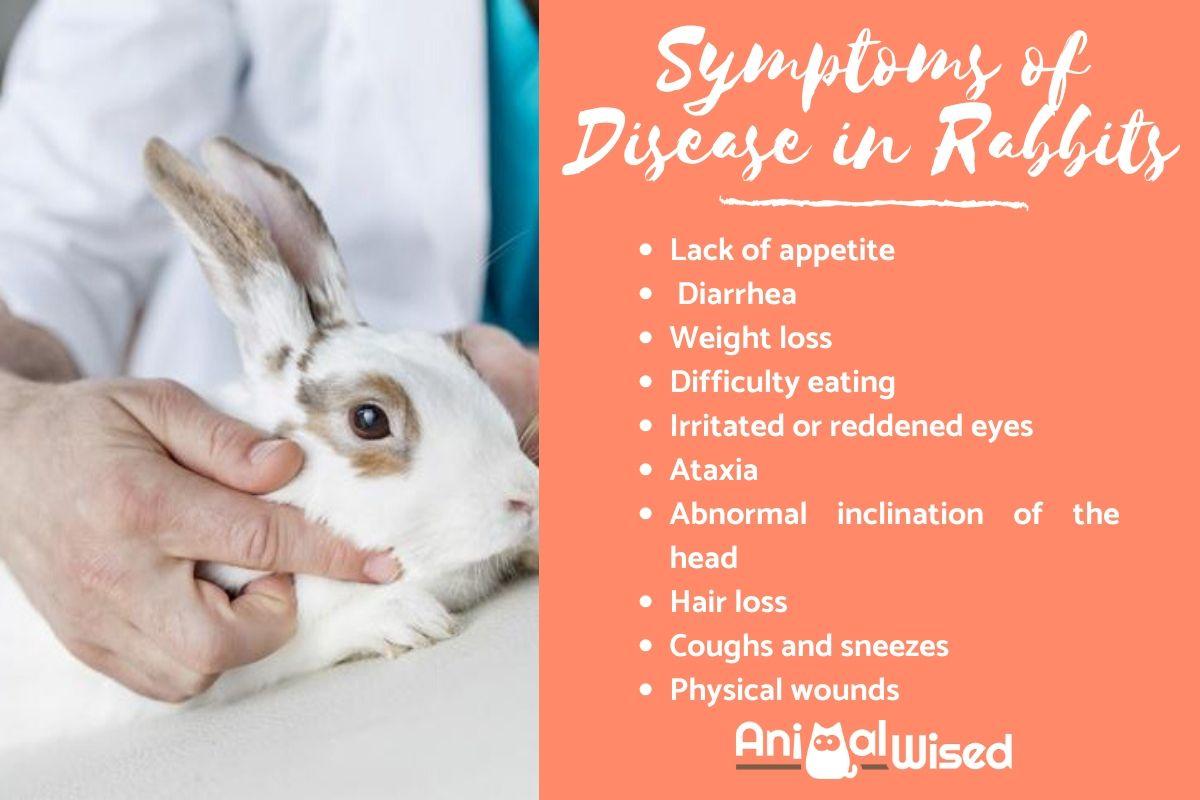
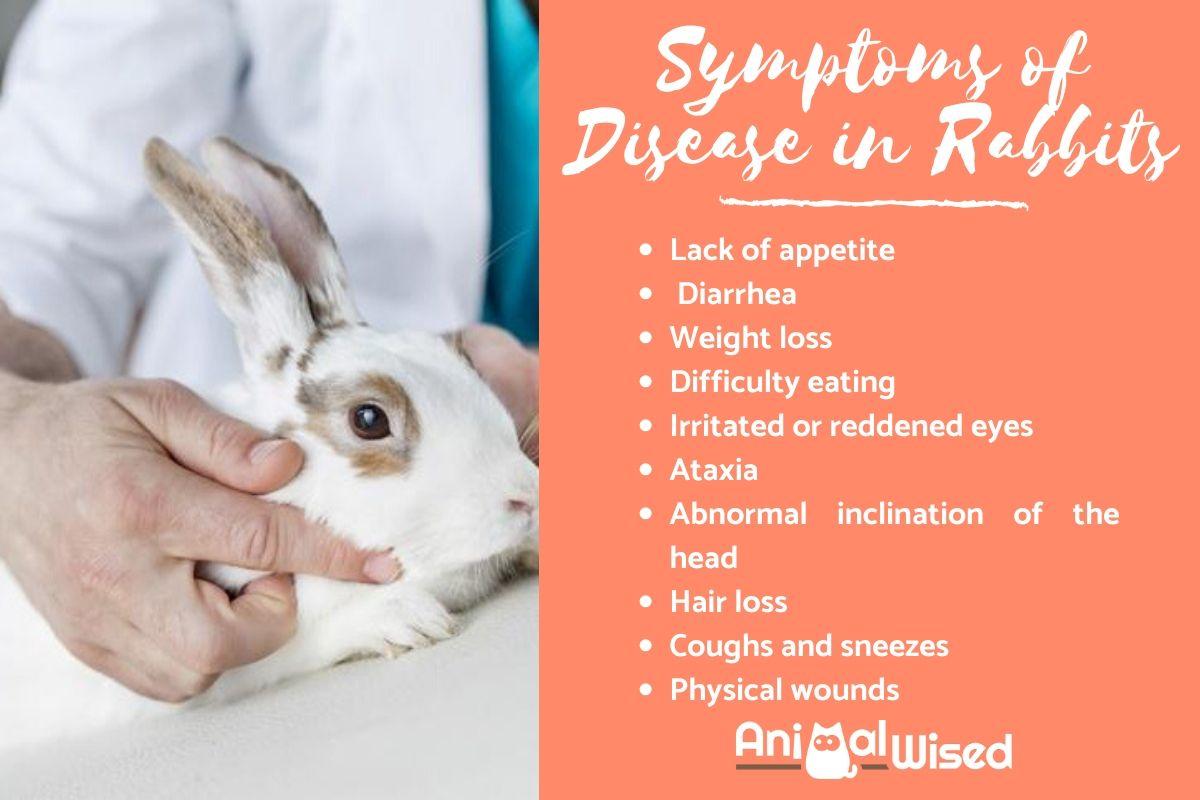
The moment a rabbit presents any disease, the guardian will likely know it immediately. This is because rabbits necessarily keep a strict routine and fairly even behavior. When this routine is disrupted or this behavior changes, it is a sure sign of a problem. Unfortunately, some conditions will only display symptoms at an advanced stage. For this reason, we need to ensure we remain observant of our rabbit's well-being. These symptoms include:
- Lack of appetite
- Diarrhea
- Weight loss
- Difficulty eating
- Irritated or reddened eyes
- Ataxia
- Abnormal inclination of the head
- Hair loss
- Coughs and sneezes
- Physical wounds
Diseases in rabbits affect different organs and bodily systems, but many of the symptoms will be more generalized. Others will be very specific to a certain disease and quite obvious that something is wrong. Below we explain these symptoms your bunny is sick in more detail. It is important to act quickly as rabbits can deteriorate rapidly once symptoms appear.

1. Lack of appetite
When a rabbit is not interested in food, their guardian will need to be concerned. It is possible the issues will only be temporary and they will regain their appetite after a short time. This could be due to a digestive problem or even short periods of stress. However, if the rabbit does not regain their appetite after 24 hours, it is best to take them to a veterinarian.
Although a lack of appetite is usually associated with digestive problems, it is also possible other pathologies can generate this symptom. Since rabbits spend much of their day eating, it should be noticeable fairly soon if they lose their appetite. A swift response can prevent further complications, such as gastrointestinal stasis, which is a serious condition in rabbits.
2. Diarrhea
Rabbits have very specific stools. You may have even seen them eating their own feces. This is because rabbits will only digest part of their food the first time round. This means their feces should be not only solid, but quite dense and fibrous since rabbits eat a lot of hay. If the rabbit has diarrhea, it means there is a serious problem. This problem can be fatal if the diarrhea presents for a prolonged period. Although it can mean the rabbit has digestive issues, diarrhea is a symptom of disease in rabbits which can be linked to many issues. It might indicate an infection, such as coccidiosis, which requires immediate veterinary attention to prevent dehydration and other severe health issues.
3. Weight loss
While weight loss can be related to a lack of appetite, it is just as problematic if they lose weight as they continue to eat. Although it can be associated with almost any disease in rabbits, weight loss shows a serious concern. The nutrients the rabbit is ingesting are not going where they should. Parasites, such as worms, can also cause weight loss as they interfere with the rabbit's ability to absorb nutrients, making it crucial to perform regular parasite control.
4. Difficulty eating
Some rabbits may not necessarily lost their appetite, but have trouble trying to eat. In these cases, the rabbit searches for food and tries to eat it. However, they cannot chew or swallow. One of the biggest problems related to this disease symptom is dentition. Since a rabbit's teeth never stop growing, they can grow abnormally and cause serious health problems. However, if the rabbit cannot swallow, it could be related to other problems such as inflammation in the throat. Dental issues may also lead to abscesses, which are painful and can further complicate eating.
5. Irritated or reddened eyes
Rabbits that do not receive a correct handling from their caretaker or which have hygiene issues in their environment are likely to develop eye issues. One of the most common is conjunctivitis which leads to redness and swelling of the eyes. This is frequent in rabbits which are poorly managed. For example, if their hutch is not cleaned regularly, it promotes bacteria which can lead to various problems. Additionally, foreign objects or allergens in the environment can also lead to eye irritation, making regular cleaning and observation essential.
6. Ataxia
Ataxia is a neurological problem, but it manifests symptoms in the muscles of the body. Signals from the brain become scrambled and can lead to muscles spasming or functioning improperly. It can be related to vestibular syndrome or other nervous system problems. However, if their gait is affected, it is also possible ear problems can cause disorientation. If your rabbit has one floppy ear, it is in itself a possible symptom of disease. Furthermore, exposure to toxins or infections affecting the central nervous system can also result in ataxia, necessitating prompt veterinary assessment.
7. Abnormal inclination of the head
This is an even clearer sign of otitis or vestibular syndrome. It will usually lead to a diagnosis of one of these problems. Head tilt in rabbits can also be caused by a parasitic infection known as Encephalitozoon cuniculi, which affects the brain and kidneys, requiring specific treatment to manage the symptoms effectively.
8. Hair loss
Another major issue related to improper care of rabbits is hair loss. If their hygiene is affected, it can promote bacteria and parasites which cause hair to fall out. However, there are many different disease in rabbits which can have this as a symptom. These can be both physical and psychological. For example, stress may lead to a rabbit pulling their own fur out. Regardless of the reason, it is a symptom which implies the problem is advanced. Fungal infections, such as ringworm, can also cause patchy hair loss and require antifungal treatment to resolve.
9. Coughs and sneezes
Respiratory diseases are particularly problematic for rabbits. If you see your rabbit sneezing or coughing, we need to look at related symptoms such as lethargy or a runny nose. One such disease related to sneezing in rabbits is known commonly as snuffles and requires immediate veterinary attention.
Snuffles is often caused by the bacteria Pasteurella multocida, which can also lead to more severe respiratory issues if not treated promptly. Additionally, maintaining a clean and well-ventilated environment can help prevent respiratory infections.
10. Physical wounds
Open wounds on your rabbits skin do not necessarily mean they have been afflicted with physical trauma. Parasites, infections, allergies and many other rabbit diseases can lead to physical wounds. As soon as one is discovered, diagnosis is required to ensure the problem isn't serious. Even dry skin from mites can lead to open wounds if not treated promptly. It is important to monitor any wounds closely for signs of infection, such as redness or pus, and seek veterinary care if they do not heal properly.

Symptoms that a rabbit is going to die
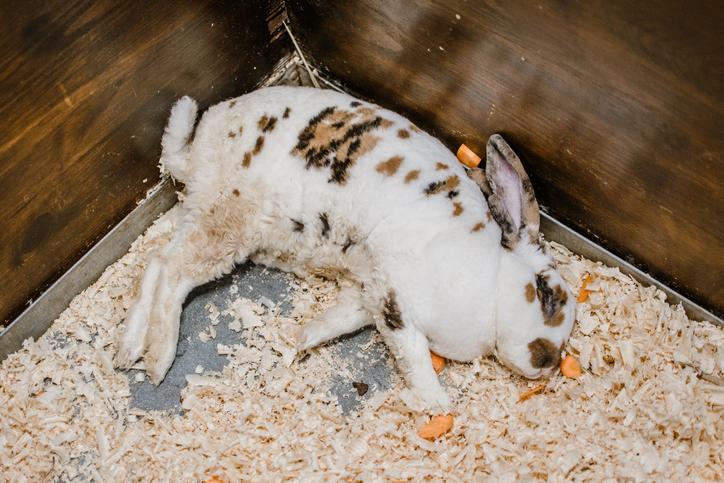
In addition to knowing how to detect the signs of pain in rabbits, it is important to know what are the signs that indicate that the life of our bunny is in serious danger. They include:
- They do not eat or drink in 24 hours
- Remain still
- Shortness of breath
- Lower than normal temperature
- Abnormal behavior
- Urinate and defecate anywhere
- Tremors
This video explains these signs a rabbit is going to die in more detail. Recognizing these signs early can be crucial for seeking emergency veterinary intervention, which might offer a chance for recovery depending on the underlying cause.

This article is purely informative. AnimalWised does not have the authority to prescribe any veterinary treatment or create a diagnosis. We invite you to take your pet to the veterinarian if they are suffering from any condition or pain.
If you want to read similar articles to Symptoms of a Sick Rabbit, we recommend you visit our Prevention category.
- Illness of Rabbits (Merck Veterinary Manual)
- Rabbit Care (University of California, Davis, School of Veterinary Medicine)
- Is Your Rabbit Sick? (House Rabbit Society)