My Dog Has a Nail Infection - Causes and Treatment


See files for Dogs
In the wild, a dog needs to maintain their own nails. They do so through various methods such as scratching on hard surfaces. When they have a bacterial infection in their claws, it can be difficult for them to treat and can become very serious. This is because the infection can abscess or even poison the blood. In the domestic environment, our dogs are not always able to care for their claws themselves, so their caregivers need to help maintain health and hygiene. When the dog has a bacterial nail infection, our intervention is particularly important.
In this AnimalWised article, we look at what happens when my dog has a nail infection. We find out the causes and treatment of bacterial claw infections in dogs and how we can use nail care to prevent them in the future.
Symptoms of nail infection in dogs
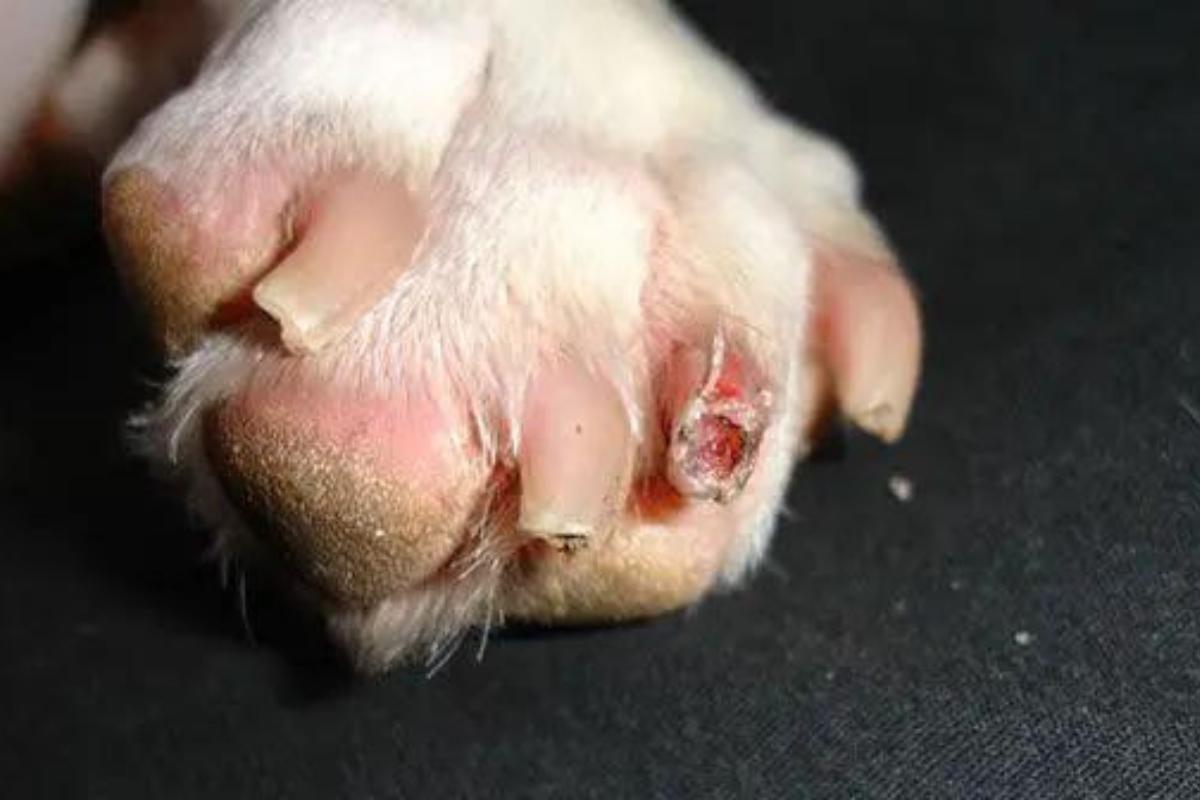
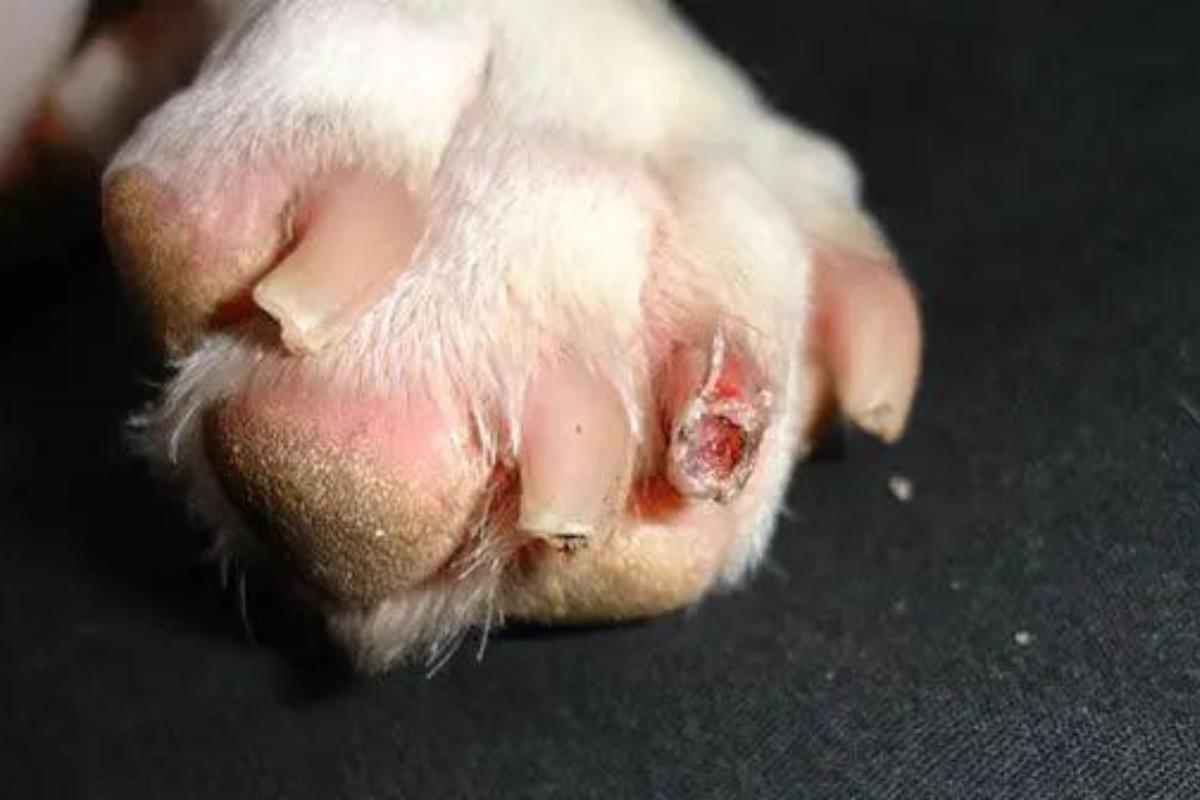
In most cases, it is quite easy to identify if your dog has one or more infected nails. When the claw is infected, the dog will likely present some of the following symptoms:
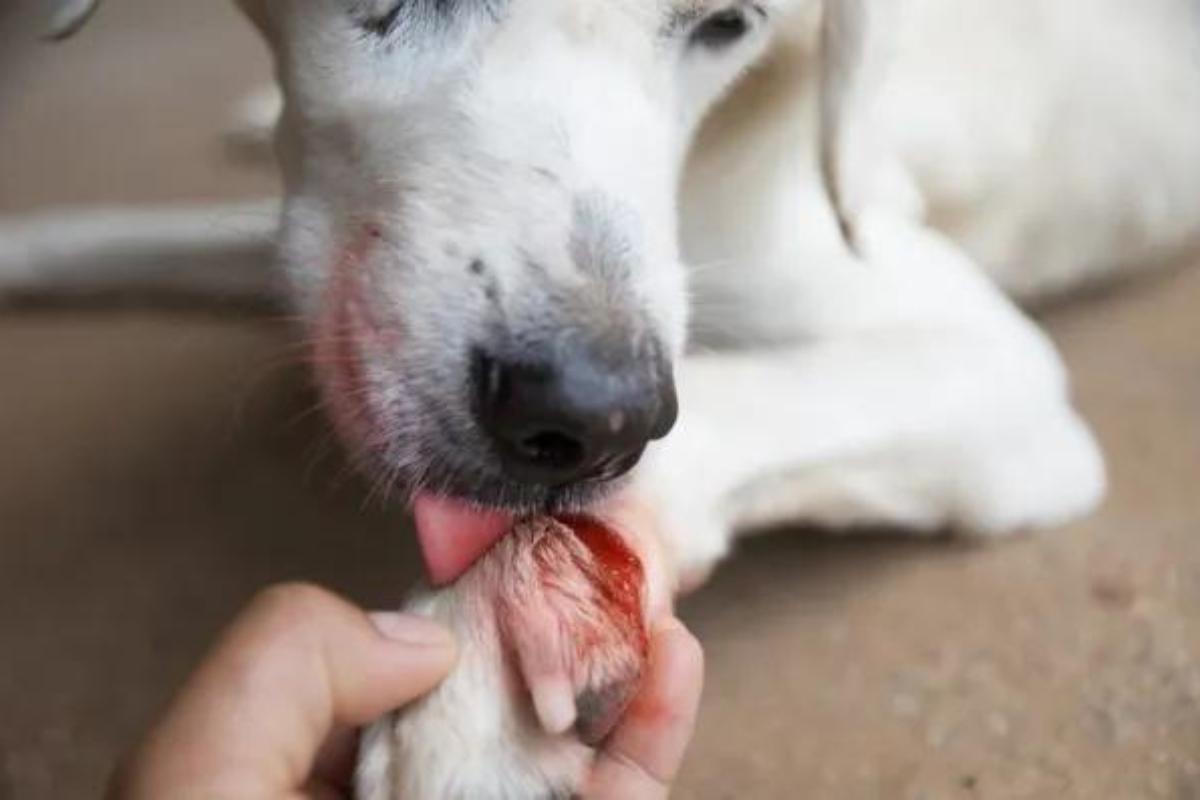
- Excessive licking: when a dog feels itching, discomfort or pain somewhere on their body, they will often lick the affected area. They do so to relieve the pain and frustration in the skin, but it can worsen the problem or lead to infection. An isolated or occasional lick should not be cause for concern, but when your dog licks their paws continuously, it is likely to be a problem with the paw. A bacterial nail infection is a common reason for this behavior.
- Lameness and apathy: nail infections cause a lot of pain. For this reason, affected dogs may avoid resting their limb on the ground and display a significant limp. They may decrease their physical activity to the point they become apathetic and sedentary. Additionally, prolonged inactivity can lead to muscle atrophy and general weakness, further exacerbating their condition.
- Pain on contact: another frequent symptom of bacterial claw infection in dogs is their refusal to have their paw handled. They may yelp or whine when the infected nail is touched or can even display abnormal signs of aggression if they think someone is going to cause more hurt to their paw. It's essential to approach them gently and observe their behavior to avoid stress.
- Swelling and irritation of the paw: with a nail infection, the affected digit usually becomes swollen, red and hot to the touch. This condition worsens if the animal licks or bites their paw repeatedly. Over time, this can lead to skin ulceration, making the infection more challenging to treat.
- Discharge: when an infection occurs, it is very common for pus to accumulate in the area. This is known as a type of abscess in dogs. Licking a wound on the dog's paw can introduce bacteria for a secondary infection. If the abscess is present, pus can build up and be discharged if the wound breaks or the area is squeezed. Regular monitoring of such abscesses is crucial to prevent further complications.
- Fever: fever occurs as a reaction of the body to a pathogen, such as a virus or bacteria that could be causing a bacterial claw infection. In the case of dogs, normal body temperature is between 37.8-39.2 ºC (100.04 ºF-102.56 ºF), with any value higher than this being considered a fever. Persistent fever can indicate systemic infection and necessitates immediate veterinary attention.
- Unpleasant smelling nail: infections produce a bad smell, especially those that have been active for a long time or that are associated with a purulent discharge. This may be the case if your dog's paw smells like Fritos. This odor can serve as an early warning sign of infection, prompting quicker intervention.
If any of these symptoms appear or if you simply notice your dog's nail looks bad, you should go to a veterinary center as soon as possible. There, a professional can assess the injury and administer appropriate treatment. Quick action can prevent the infection from spreading to other parts of the body.

Why is my dog's nail infected?
Dogs' nails are in constant contact with the ground. Being outside or in an uncontrolled environment makes chances of injury more likely. For this reason, infections on a dog's paw are relatively common. A dog's nail infection will almost always be caused by bacteria, but there are many ways said bacteria can be introduced. Here we look at the most common causes of nail infection in dogs:
- Trauma: nail infections of traumatic origin are the most frequent, especially those that affect the dewclaw. This is because it is easier for this digit to get caught on something while running or playing. However, any of the paw's digits can sustain traumatic injury. Regular inspection and grooming can help prevent such injuries.
- Bacterial infection: occurs when bacteria affects the area and infects one or more nails. Said bacteria can take advantage of a previous wound or injury to penetrate the animal's paw. However, it can already be present in the body causing another concurrent pathology. Ensuring a clean environment for your dog can minimize exposure to harmful bacteria.
- Fungal infection: in this case, it is one or several types of fungi that cause the claw infection in the dog. These types of infections are usually accompanied by localized alopecia (hair loss) and their treatment tends to be prolonged. This is because it takes a longer time for the total eradication of the fungus and its persistence. Learn more with our article on fungal infections in dogs. Regular antifungal treatments can be effective prevention.
- Autoimmune pathologies: some autoimmune diseases affect the normal growth and development of the nails, making them more prone to infection. For example, dogs affected by lupus tend to have soft and brittle nails, so they break easily and bleed often. This encourages more secondary bacterial infections. Continuous veterinary care is essential for managing autoimmune conditions.
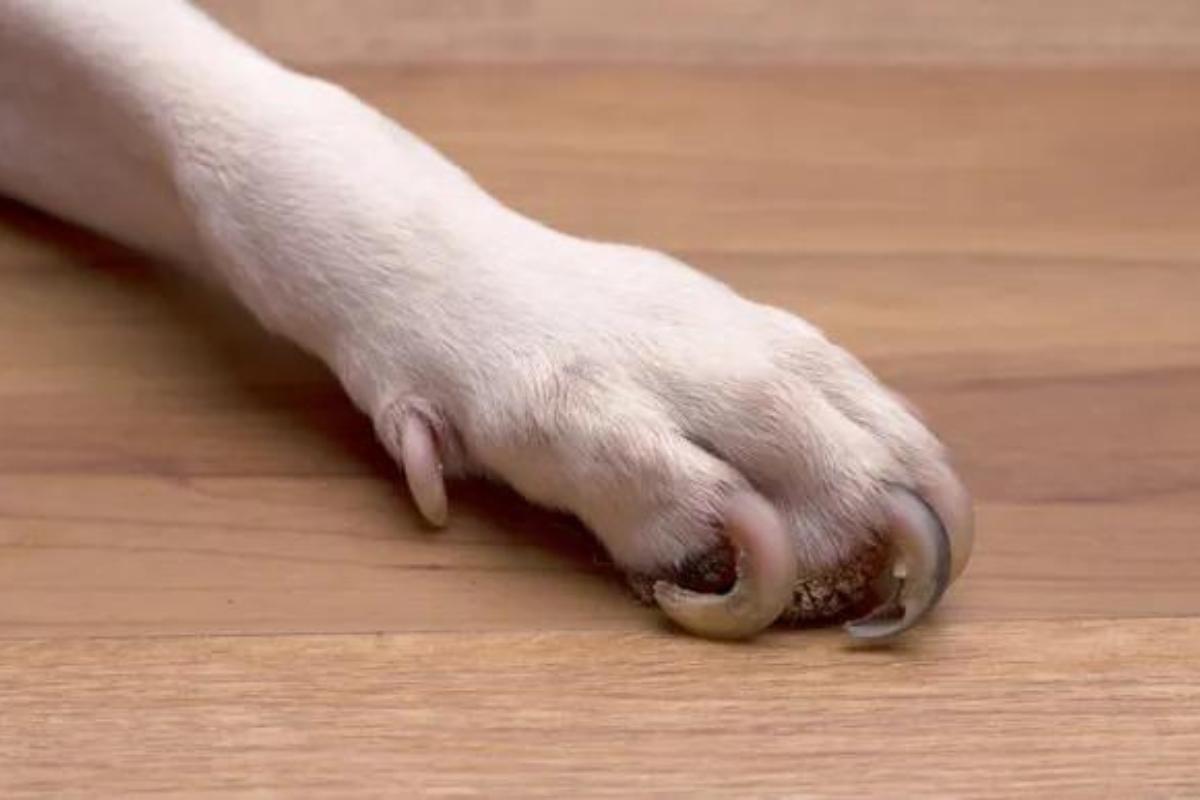
- Ingrown toenails: if a nail grows excessively, it can curl in on itself and dig into the paw pad or toe. This causes a lot of pain in the animal, either making them limp noticeably or they remain sedentary altogether. The wound caused by the nail can easily develop into a bacterial claw infection and the digit becomes swollen and red. Regular trimming can prevent this painful condition.
- Neoplasms: the appearance of a mass or tumor on the animal's fingers can also compromise the condition of the nail, since the pressure exerted on it by tumor growth can break or deform it. Sometimes these are between the toes themselves, as is the case with interdigital cysts in dog paws. Early detection and treatment of tumors can prevent nail complications.
- Excessive Licking: paw licking is not only a symptom of possible infection, but also a frequent cause of it. Dogs can lick their paws for various reasons, including stress and allergies. If the animal licks themselves excessively, it can result in dermatitis, i.e. swelling and redness of the skin. This can lead to alopecia, ulceration and secondary bacterial infection, all of which can compromise the condition of the nails. Behavioral training and addressing underlying causes can reduce excessive licking.
- Foreign body: another frequent cause of bacterial claw infection is the presence of a foreign body that has stuck in the animal's paw. Foxtails in dogs are particularly common in spring and summer, but any sharp foreign body can pierce the skin. A common issue is broken glass or other sharp objects on the ground on which they walk. This can lead to bacterial infections. Regularly checking and cleaning your dog's paws can prevent such injuries.
Since trauma can lead to secondary bacterial infections, we need to be observant of any change to the health of the dog's paws. Find out more with our article on what to do if a dog has a broken nail. Keeping a close watch on your pet's activities can help prevent injuries.

Dog nail infection treatment
If you detect that your dog's nail is infected, it is always best to go to your veterinarian for assessment. They can diagnose the underlying issue and prescribe the most appropriate course of treatment.
Whether due to trauma, cutting the nails too close or any other reason, when the nail is broken and bleeding, you will need to administer first aid. In this case, you will need to wipe clean the wound with sterile gauze and saline solution, then put pressure on it to stanch the bleeding. If the bleeding does not stop, we can use an adhesive bandage or clean gauze and medical tape to wrap the wound. We should take them to the vet for follow-up treatment.
If you observe a bad odor from the nail, redness and inflammation of the paw, evident bleeding or purulent discharge, take a look for the presence of a foreign body. When these are superficial, we may be able to remove the object ourselves, always ensuring we disinfect any tools we use and the wound after removal. However, if the foreign body is in deep and removal is too painful, take them to a veterinarian. Prompt veterinary care is crucial to avoid complications.
Whatever the reason for the nail infection, when it is bad enough to go to a veterinarian there are always risks. Bacterial claw infections can poison the blood and lead to systemic problems which threaten the overall health of the dog. The vet will be able to perform the correct diagnostic tests such as x-rays or ultrasounds. Since different types of bacteria require specific antibiotics, they may need to perform blood tests to determine treatment. Early intervention can prevent the need for more invasive procedures.
Treatment will depend on the underlying cause. This could be as minor as wound cleaning for mild trauma or as serious as surgical intervention to remove cancerous tumors. It is for this reason going to the veterinarian is important if you are at all unsure. Recovering dogs will likely require bandages for the paw and/or an Elizabethan collar to prevent them licking or biting the nail. Ensuring a stress-free recovery environment can enhance healing prospects.
Learn more about protecting your dog's feet with our article on dog paw pad anatomy. Understanding foot anatomy can aid in early detection and prevention of nail issues.

This article is purely informative. AnimalWised does not have the authority to prescribe any veterinary treatment or create a diagnosis. We invite you to take your pet to the veterinarian if they are suffering from any condition or pain.
If you want to read similar articles to My Dog Has a Nail Infection - Causes and Treatment, we recommend you visit our Other health problems category.