The Most Dangerous Animals in Australia

Yes, it may be true that Australia is home to the highest amount of dangerous animals in the World, though not all of them are deadly. Though it is in fact the country with the most dangerous species, we do have to take into account that the area of Australia is much bigger than many countries and that it has a very diversified wildlife. Dangerous animals commonly stay away from big cities and are usually found in wilder, natural areas; though you may see a big spider at home once or twice, you should not be afraid, they are harmless for humans.
If you're interested in the humongous fauna of this amazing continent and are interested in knowing about the most dangerous animals in Australia, keep on reading this AnimalWised.com article and learn all the facts.
- The Australian Box Jellyfish
- The Honey Bee
- The Irukandji Jellyfish
- The Bull Shark
- The Eastern Brown Snake
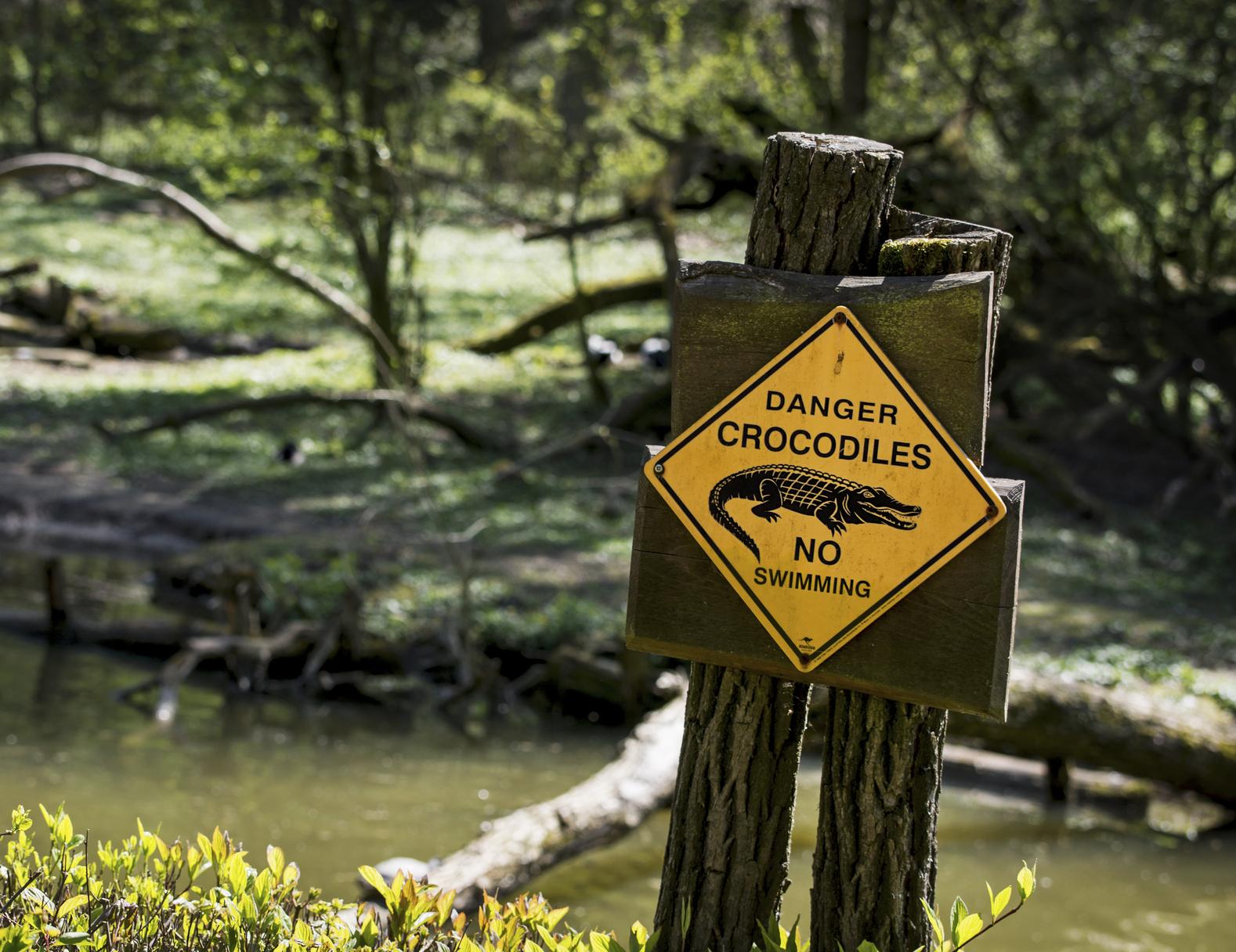
- The Saltwater Crocodile
- The Sydney Funnel Web Spider
- The Blue-ringed Octopus
- The Coastal Taipan
- The Death Adder
- Other dangerous animals in Australia
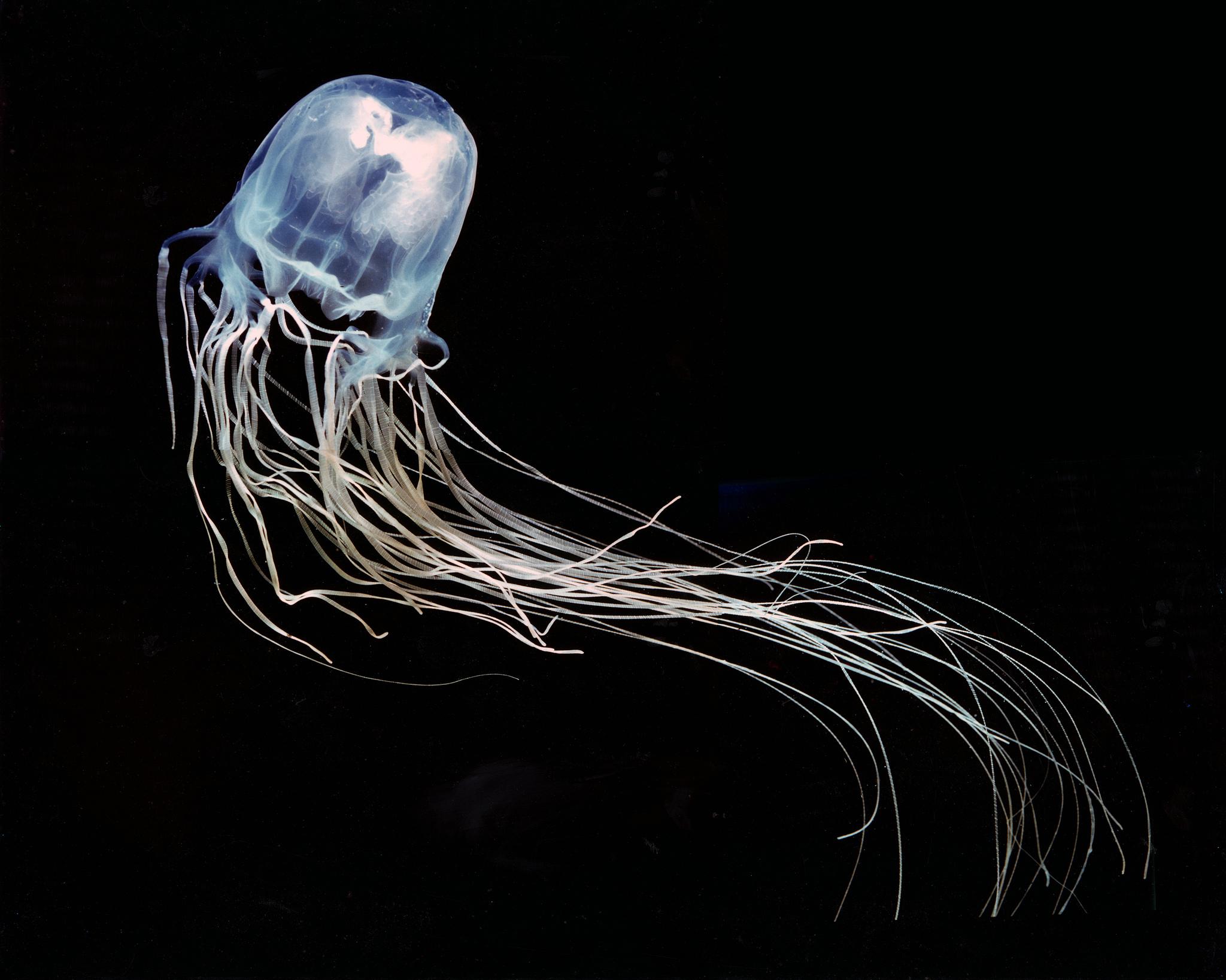
The Australian Box Jellyfish
Who would have thought that the most dangerous animal in Australia was a Jellyfish? This species, also known as sea wasp, can grow to as big as three meters (10 ft). They owe their name due to the shape of their top, which is shaped as a cube and has four corners instead of being round like most jelly fish.
The box jellyfish can have as many as 5000 tentacles that can reach 2 meters in length. This is where their venom resides. They use it as a defense against other fish and prey to paralyze their victims. Only the turtle is capable of standing the jellyfish's sting.
Where are they found?
Australian Box Jellyfish reside in the Indo-Pacific region, though they can also scarcely be found in tropical and sub-tropical oceans. In Australia, they usually live in the coast of northern Australia, though during the warmer months of summer, these invertebrates swim closer to the shore in order to breed in estuaries.
In addition to their presence in northern waters, these creatures have been increasingly observed in areas where ocean temperatures are rising, a trend linked to climate change, which further exacerbates their spread.
How dangerous are they?
The venom in the tentacles of the box jellyfish affects the nervous system within minutes and can paralyze its victim and can cause cardiac arrest within one or two minutes. Only the pain caused by the sting is enough to make a human go into shock.
During their breeding period, Box jellyfish lay their eggs in the northern Australia estuaries, which is why they may not be visible in muddy areas and can actually be dangerous, and even deadly, to humans. It is highly recommended to wear protective clothing when swimming in areas where these jellyfish are known to be present.

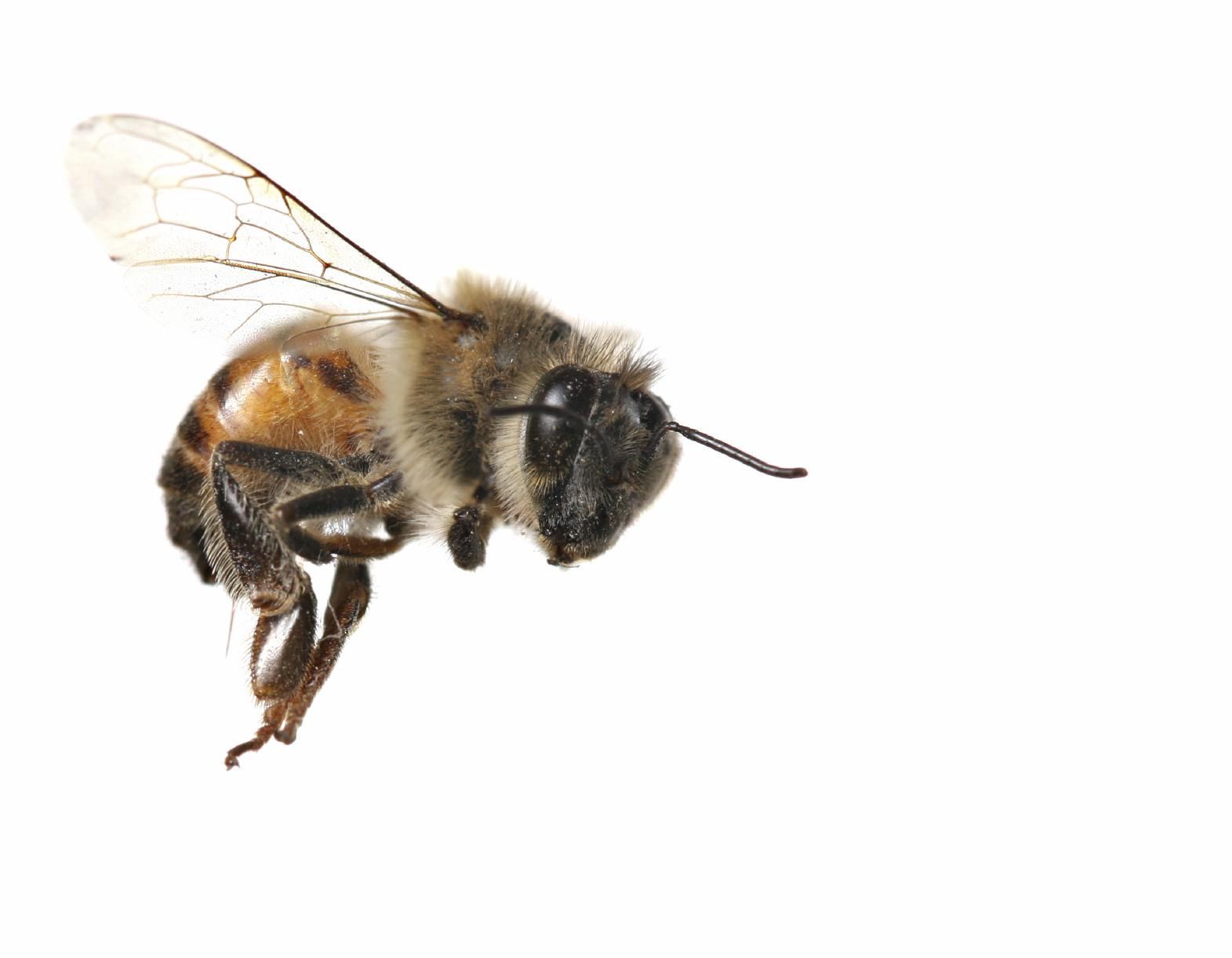
The Honey Bee
Again, though we can find the common European Honey Bee around the World, this species was introduced to the country in the nineteenth century. The proliferation of this bee has even caused Australian native bees to become endangered. The honey bee has just one sting and therefore can only attack one individual once.
Where are they found?
Honey Bees can be found all around Australia, though you may find them more commonly in agricultural areas, especially in the regions of Victoria and South Australia.
Their presence is crucial for pollination, yet it also introduces risks due to their defensive nature when their hives are disturbed.
How dangerous are they?
You may be surprised, but honey bees have caused more deaths per year than spiders and sharks in Australia. This is due to the fact that 3% of the population is allergic to the sting of the bee so, if you are allergic the amount of bees in the country means that you are at a higher danger risk. Even those who are not allergic can suffer serious symptoms such as breathing problems.
It should be noted that bee-related incidents often occur during the peak flowering seasons when bees are most active, thus increasing the likelihood of encounters with humans.

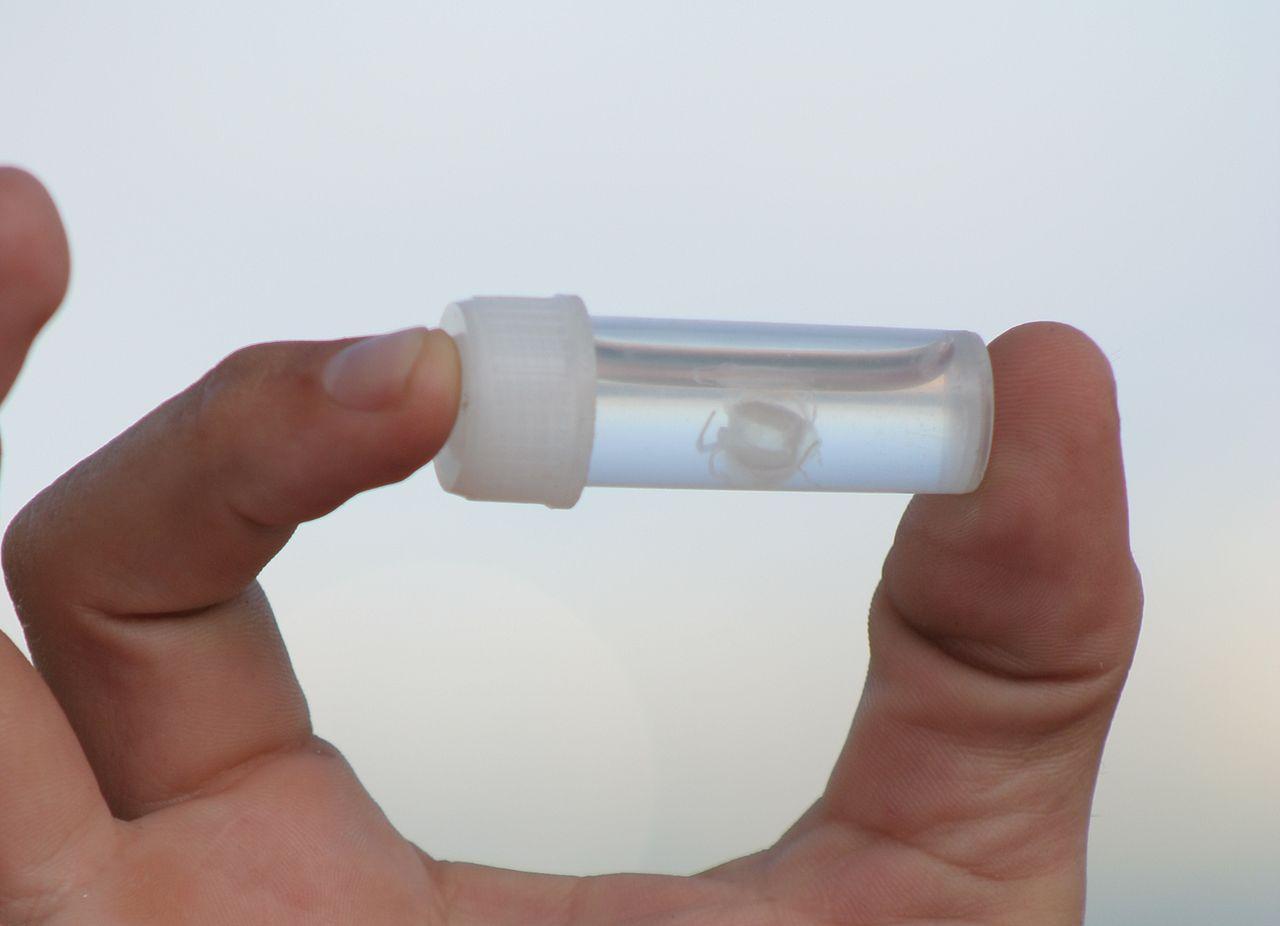
The Irukandji Jellyfish
The Irukandji jellyfish is in fact a smaller species of box jellyfish, they are transparent in color and can be as small as 1 centimeter (0.4 in). There are five different sub-species of the Irukandji Jellyfish that carry a venom that can also be lethal. Like the Box Jellyfish, it uses its tentacles to poison possible prey, though these little creatures also have venomous stings on their bell too. In fact, their sting also has its own syndrome: the Irukandji syndrome, which is caused by a small amount of venom.
Where are they found?
Though they have mainly been sighted around Cairns and the northern Australian coast, there have been records of Irukandji stings across the whole of the Australian coast.
Their expanding range could be attributed to changes in oceanic conditions, which may allow them to inhabit new areas.
How dangerous are they?
Irukandji syndrome has known to kill two people in the past. This will only happen if not hospitalized and treated so, if the symptoms of an Irukandji jellyfish occur, it is highly important to seek medical attention immediately. The symptoms of the syndrome include: cramps, lower back pain, sweating, nausea and anxiety.
Additional symptoms may include hypertension and a sense of impending doom, making it crucial to recognize and address these signs promptly.

The Bull Shark
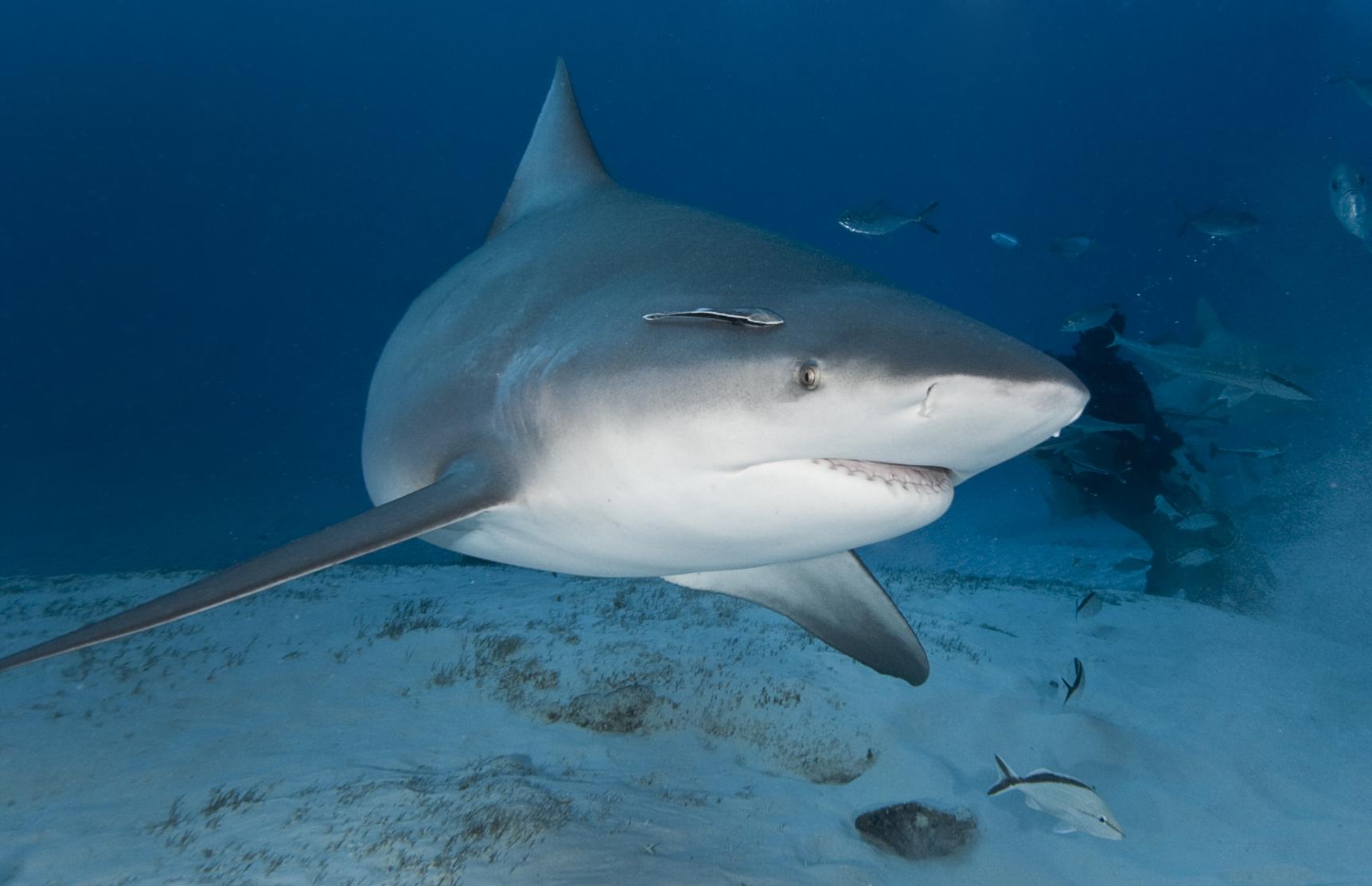
Now this is more like the type of animal you'd expect to find on this list. The bull shark gets its name thanks to their snout, which they use to head but their prey before they actually attack. These animals, which are from 7 to 5 feet long (2-3.4 meters long), are extremely agile, fast and aggressive. In fact, the bull shark is considered the most dangerous shark in the World.
Where are they found?
Bull sharks can be found around all tropical shorelines. However, bull sharks are known for travelling inland through freshwater, which is why you may also encounter them in estuaries and even rivers. Their travelling nature and adaptability is precisely what makes them this dangerous.
They have been known to travel thousands of miles upriver, which is why they might be found well beyond typical shark habitats.
How dangerous are they?
Though humans are not part of their usual diet (Which includes anything from dolphins to small fish), bull sharks may attack humans out of curiosity if they mistake a person for another animal. In fact, this shark is one of the top 3 sharks most likely to attack humans.
Despite their aggressive reputation, attacks are rare, and most encounters are non-fatal due to their tendency to release rather than consume their human victims.

The Eastern Brown Snake
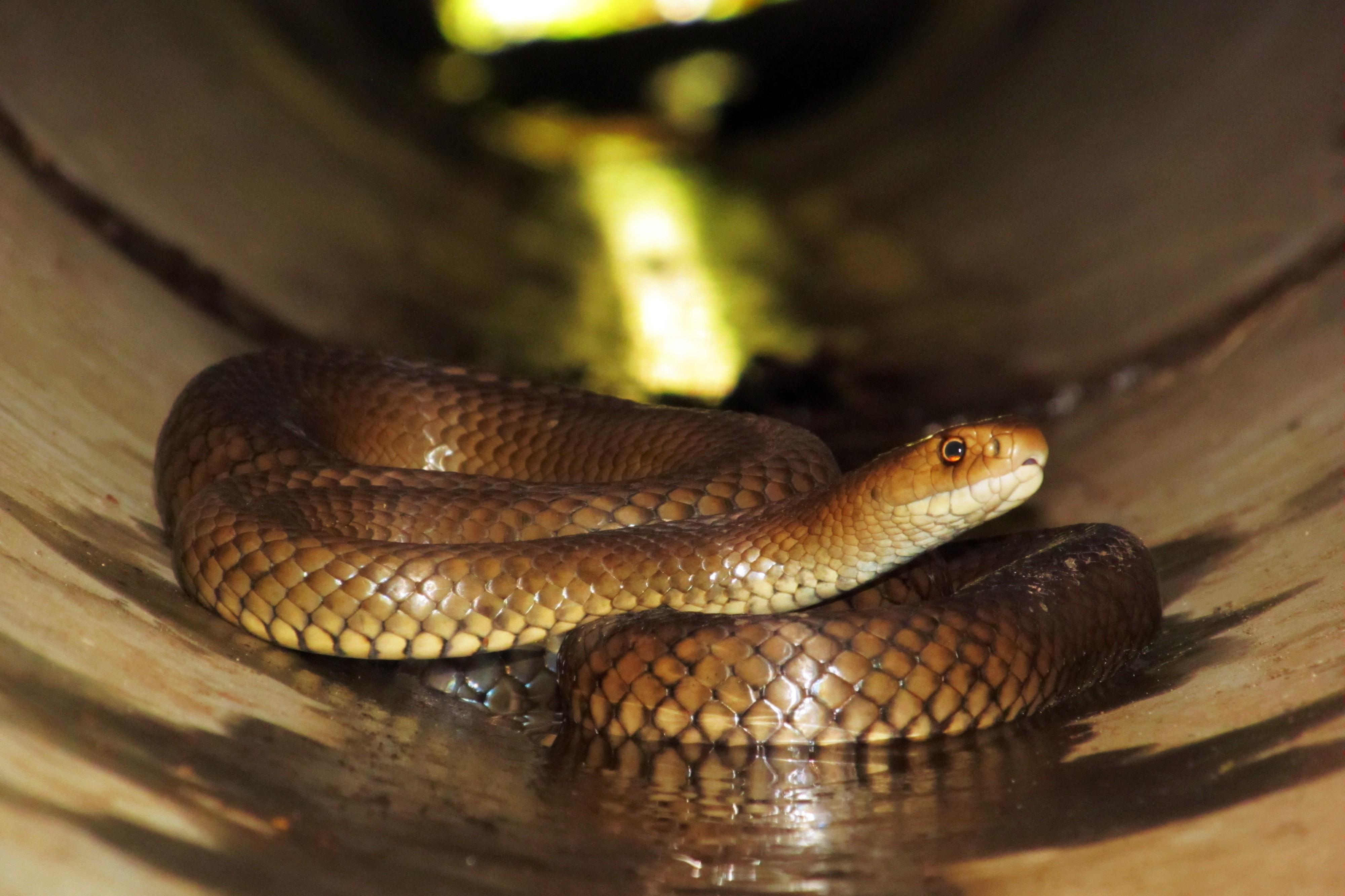
As their name indicates, Eastern Brown snakes are brown in color, though their tone and scale pattern can vary highly depending on the sub-species and age of the snake. Their average length is between 3.6 to 5.9 feet (1-1.8 meters) though there have been sightings of these snakes to be as long as 7.9 feet (2.4 meters). They are classified as the second most venomous snake in the world.
Where are they found?
You can find Eastern Brown snakes mainly on the East coast of Australia in both coast, woodlands, grasslands and even farming areas: from Cape York to inland areas of Queensland, New South Wales, South Australia and Victoria. However, you can find this snake all around Australia.
Encounters are more likely in rural and suburban areas, especially during their active seasons in spring and summer when they search for mates and food.
How dangerous are they?
The combination of the fact that they can be found in many habitats and that they are the second most venomous snakes makes them quite dangerous. If a human is bitten by this snake, he or she will need immediate medical attention. Even though the bite may not present any symptoms at first, the venom can eventually cause paralysis and bleeding.
The development of an effective antivenom has significantly reduced fatalities, but rapid medical response is still essential.
Learn the difference between a colubrid and a snake here.

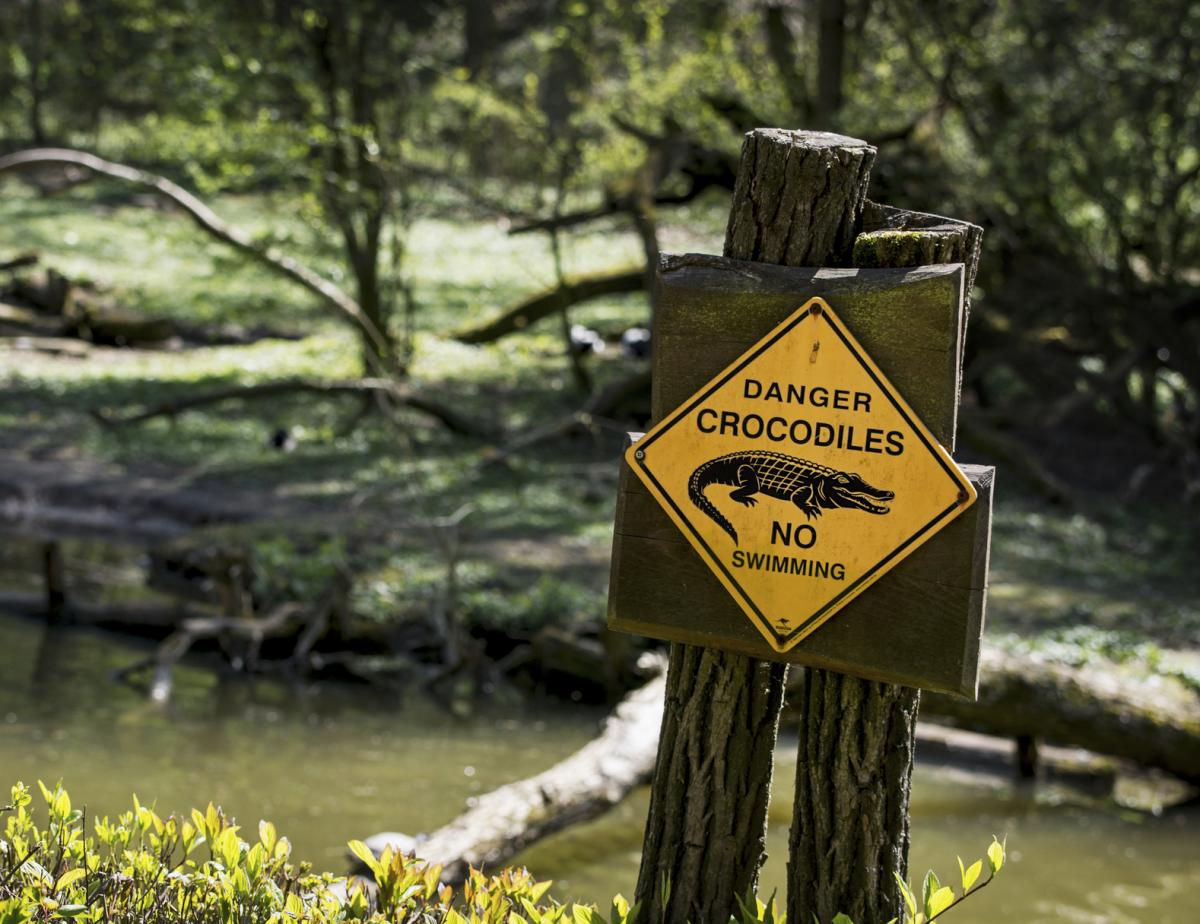
The Saltwater Crocodile
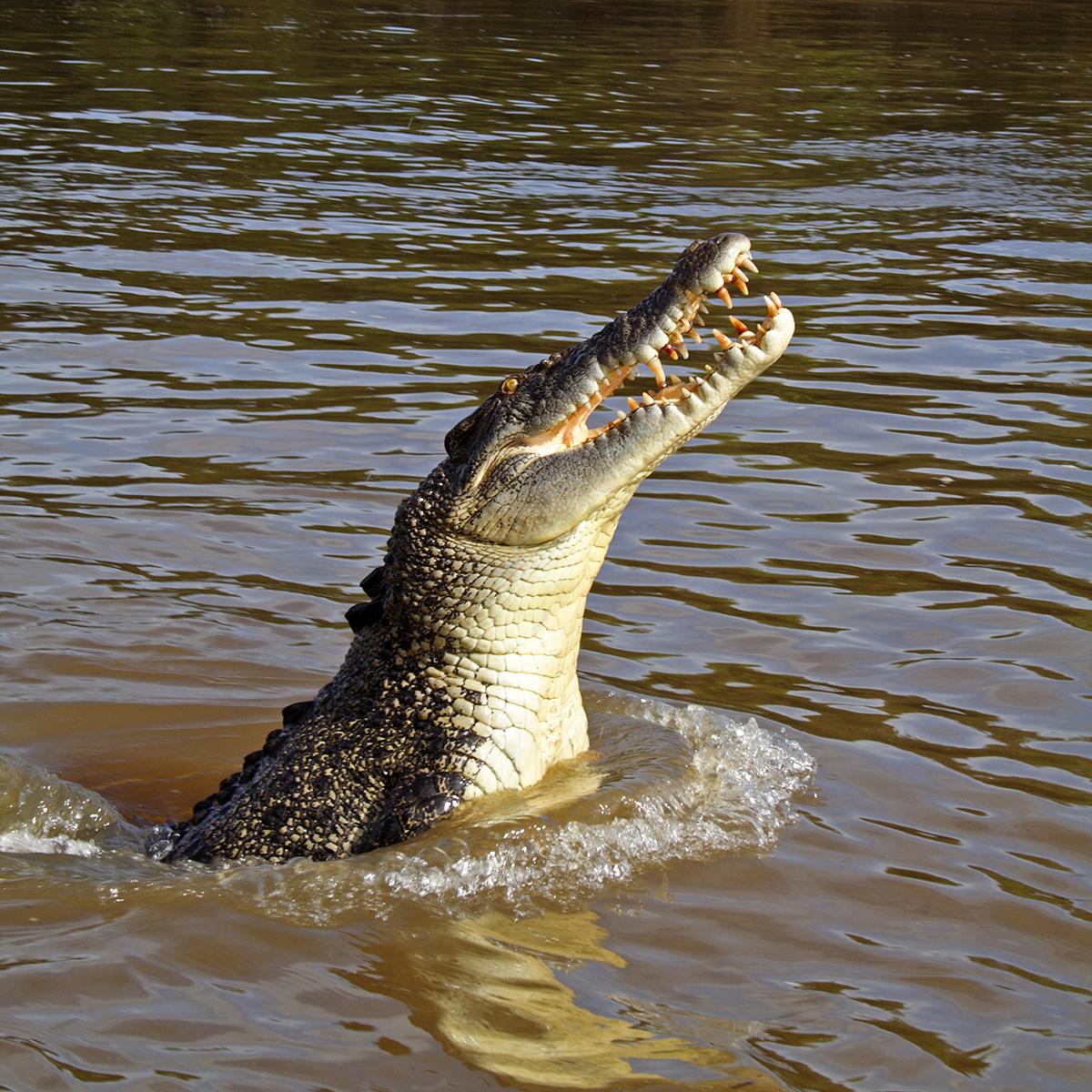
Also know as the Estuarine crocodile, there is a worldwide population of 300.000 of this species and is currently on the list of endangered animals in the Great Barrier Reef. These crocodiles are natural predators that will try to get their hands on any living creature as part of their diet. As they can get as big as 17 feet (5 meters), their tail is also a powerful weapon with which to beat their prey. Aggressively playful with their victims, these crocodiles can jump from the water's edge to catch their victims and even surf over water if need be, strategy is part of this animal's hunting nature.
Where are they found?
As their names imply, Saltwater crocodiles can mainly be found in saltwater in the northern Australian coast, though there have also been sightings of these animals in the area's estuaries and even in freshwater.
These adaptable creatures can survive in a range of environments, which contributes to their success as apex predators in these regions.
How dangerous are they?
Even though this animal can actually beat and quarter a human being to death, the low population and the clear signs in areas where this animal lives in, makes the Saltwater animal the cause of very few human deaths throughout the history of Australia.
Despite their ferocity, they usually avoid contact with humans unless provoked or when humans enter their territory during breeding season.

The Sydney Funnel Web Spider
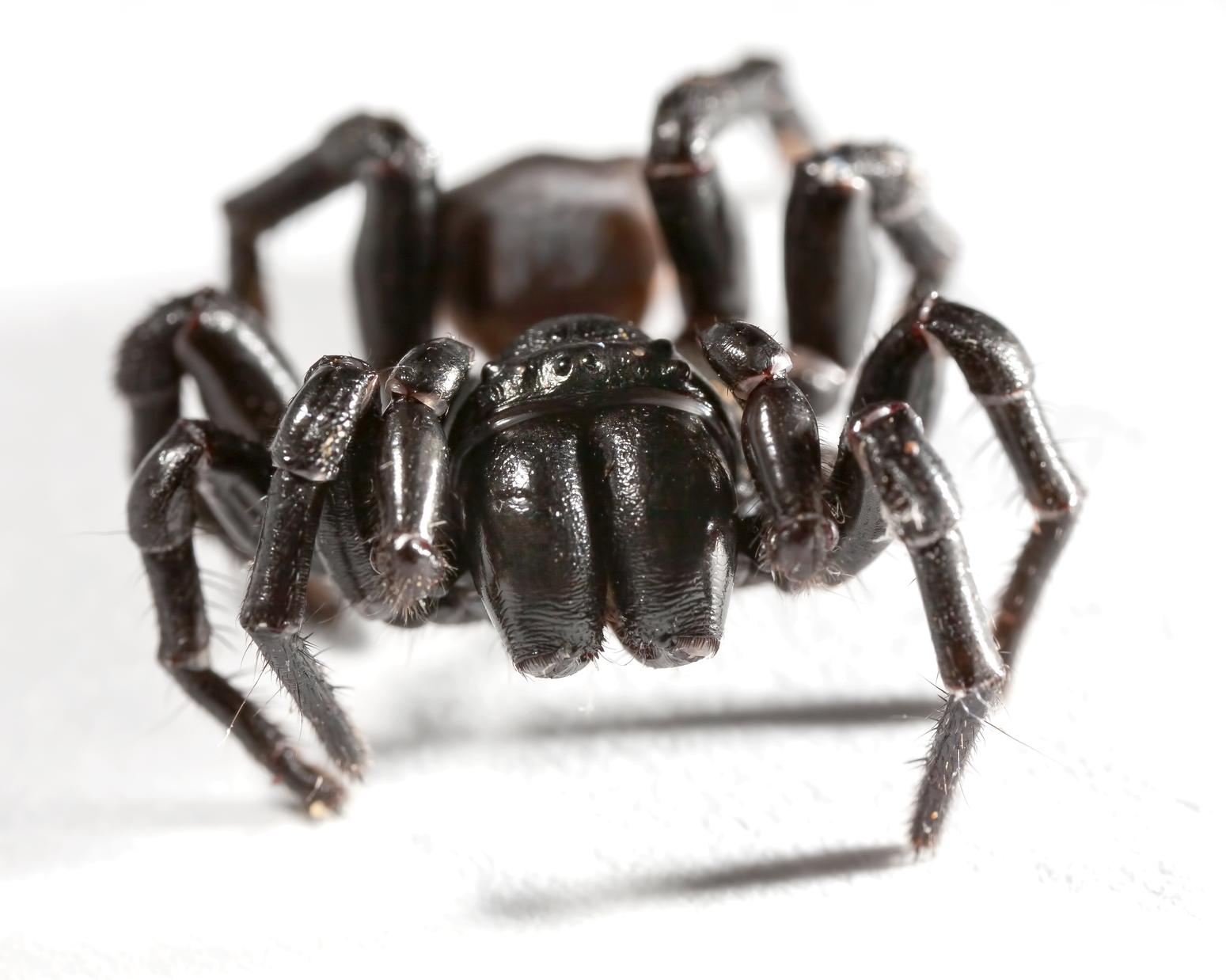
The Sydney Funnel web spider is a nocturnal animal that burrows during the day unless their hiding place is flooded. These spiders are only 2 inches (5 cm) long though their legs can go up to 18 inches (7 centimeters). They are characterized by their hairless, shiny carcass.
Where are they found?
Australian East coast, from Tasmania to Northern Queensland. They are found in burrows made in the ground, especially under deadwood, rocks, pipes etc..., though you can also find funnel-webs in trees. In Sydney, they are mainly found in open forest areas and the city's suburbs.
They prefer moist environments and are often drawn to human dwellings in search of shelter and prey.
How dangerous are they?
The venom in the Sydney Funnel web spider is highly toxic, more so in males, as the female's venom has much lower toxicity levels . In fact it is considered the most venomous spider in the World! Although it has killed 14 people in the history of Australia, no deaths have occurred since the introduction of an antivenom in the 80's. However, if you are bitten by the Sydney Funnel Web Spider, you will need hospitalization, as its venom can harm your nervous system. The silky strings found in holes are a good sign that you are in front of a funnel web spider burrow, which is why they are easily avoidable.
It's important to exercise caution during the rainy season when these spiders are more likely to wander into homes.

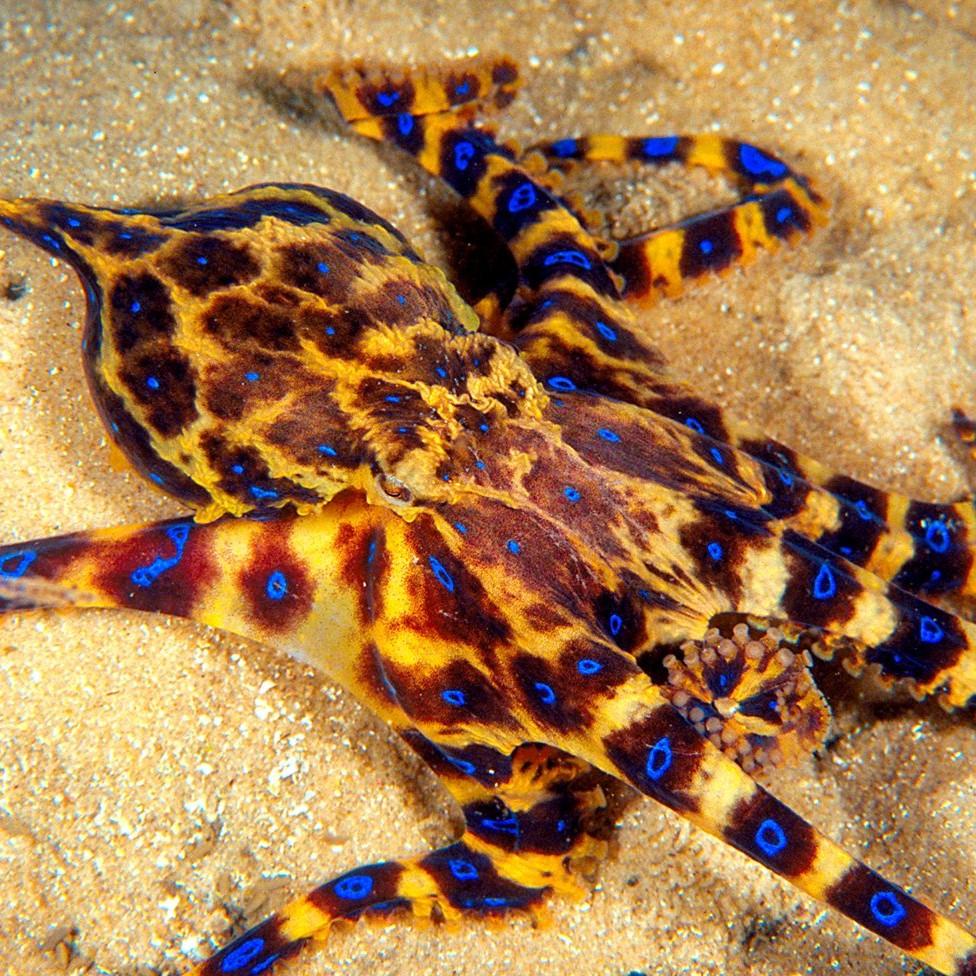
The Blue-ringed Octopus
The blue-ringed octopus is not an aggressive animal per se. Though it will look completely brown in color, it can change in color in order to camouflage itself to hide from predators. If it feels threatened its tentacles will create iridescent blue rings on them. It is precisely these blue rings which are venomous for any predator that tries to disturb the blue-ringed octopus. These beautiful cephalopods have an average size from 5 to 8 inches (12 to 20 centimeters).
Where are they found?
The blue-ringed octopus is found around the Australian coastline, especially in Southern and Western Australia. You can find them in many tide pools and coral reefs.
They thrive in shallow waters where they can hunt small crabs and shrimp, often hiding under rocks and crevices.
How dangerous are they?
If you leave them alone and do not touch them, they are not dangerous at all. It is the blue rings that appear when the octopus feels threatened that produce tetrodotoxin, the venom that can harm humans. This venom can release neurotoxins in the body that can paralyze your body and close down the respiratory system.
While bites are rare, they are potentially fatal, as there is no known antivenom for the toxin they produce.

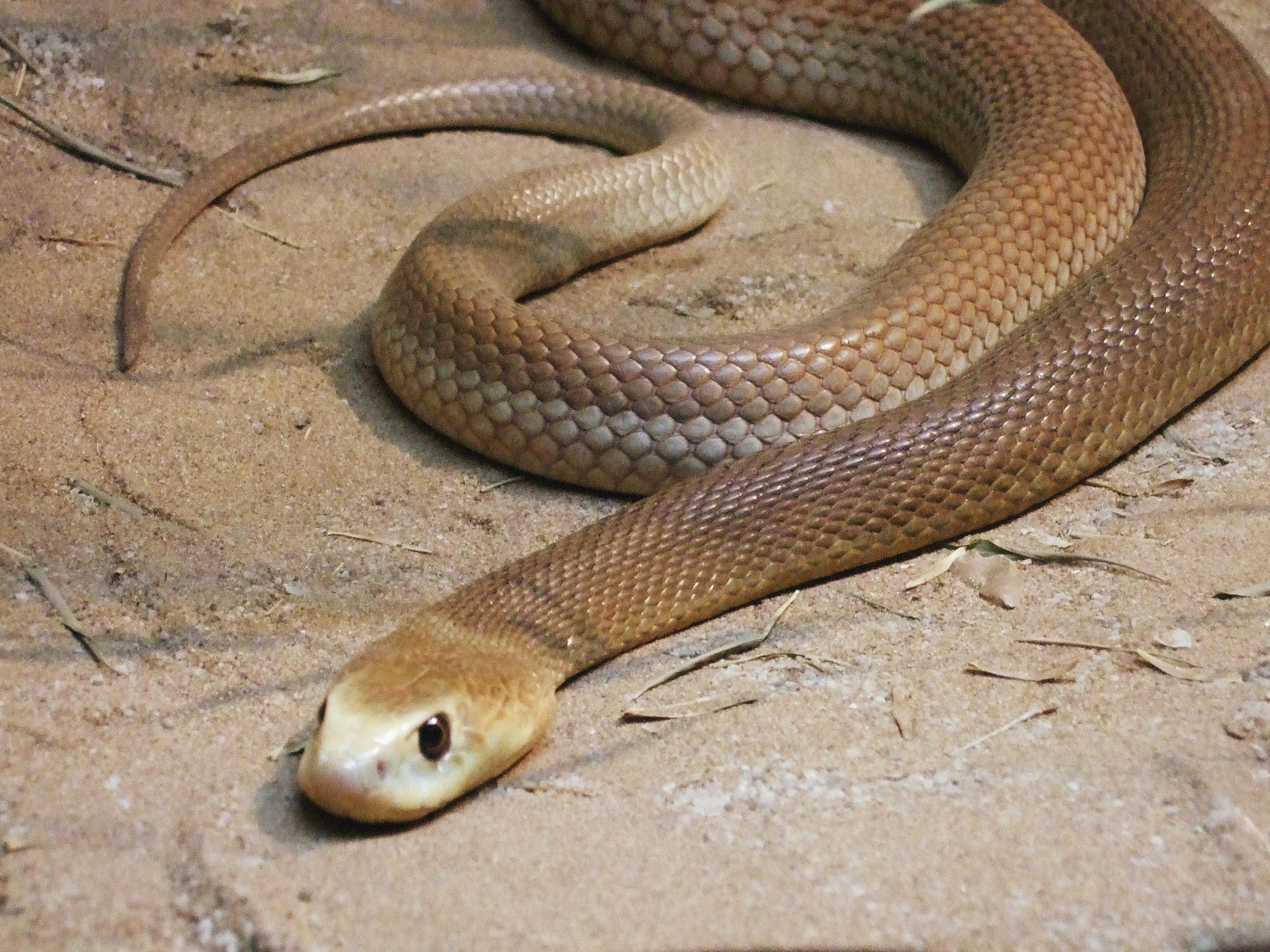
The Coastal Taipan
Humans are not in a Coastal Taipan's diet, though its venom is still highly toxic for any living being. The Coastal Taipan on both mammals and birds. Though it would not attack a human in normal circumstances, it will bite if it feels threatened. You'll identify this snake for being brownish in color, with the sides of their body being lighter than the center. This snake can be as long as 6.6 feet (2 meters).
Where are they found?
You can find coastal Taipan snakes in North and East Australia. As its name suggests, their natural habitat is the coast, though they can actually live hundred of miles away from shore, provided they have tropical weather conditions. Most of these animals have been found in Queensland and New South Wales.
They prefer habitats that offer plenty of cover, such as sugarcane fields or rainforests, which offer ample food sources.
How dangerous are they?
The Coastal Taipan in the biggest venomous snake in the country. Its venom can paralyze the nervous, cardiac and breathing systems, as well as causing internal bleeding. However, this snake usually avoids conflict and will only attack if it is cornered.
Despite their reputation, they are shy and prefer to retreat, but their speed and potency make them formidable if provoked.

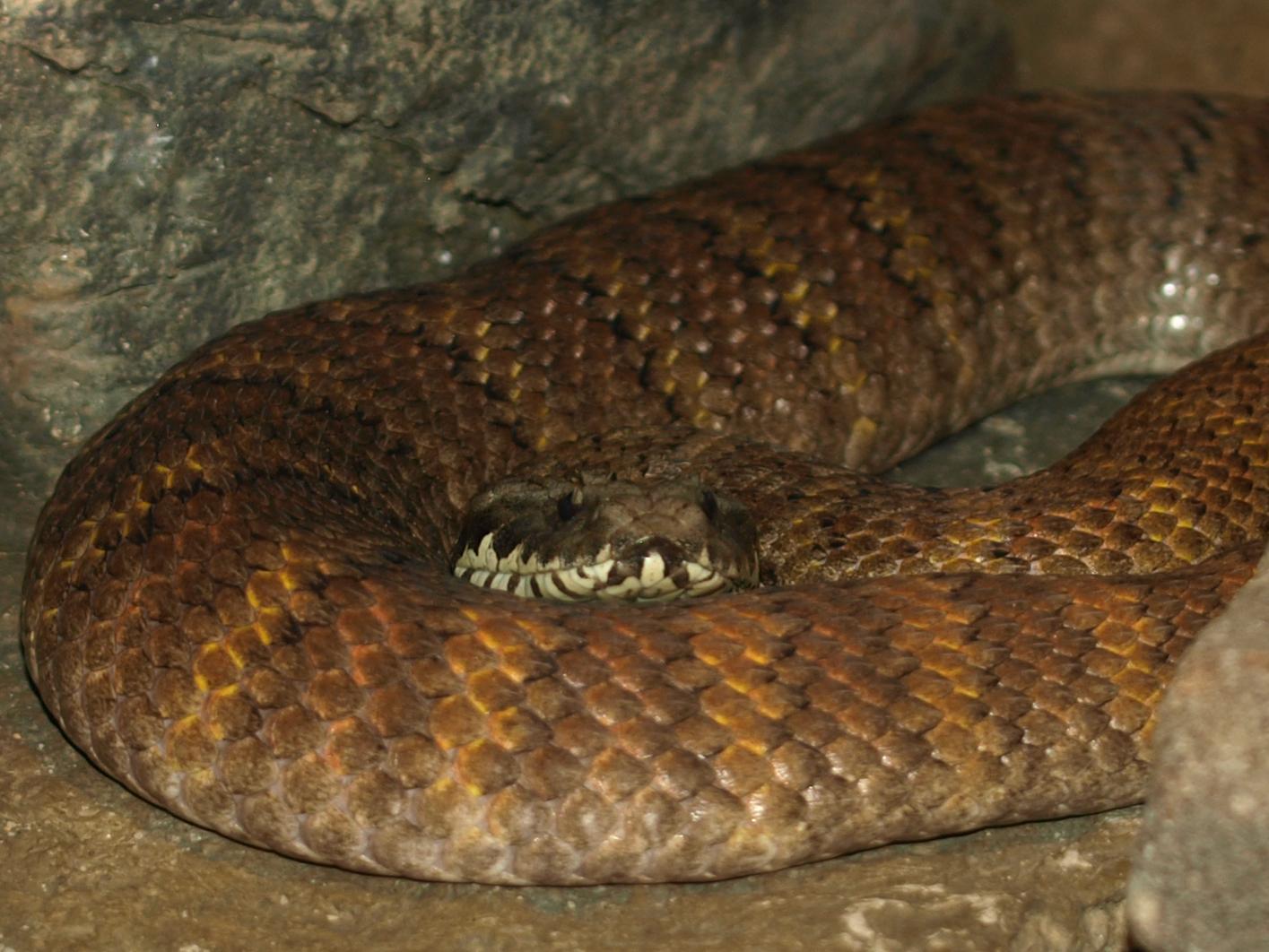
The Death Adder
The last of the most dangerous animals in Australia could be none other than a snake. In this case, the Death adder, also known as Acanthophis, is great at camouflage to hide from predators and hunt prey. When it attacks, the length of its fangs make its venom penetrate into deeper layers of the skin. This land snake can go from 2.3 to 3.3 feet (70 -100 centimeters) in length, and is usually used to hunting small mammals and birds.
Where are they found?
Most of them are found around the Sydney bushland, though we can actually find them in many forests and grassland across the East and South coast of Australia. These species usually hide in grassy and leafy areas.
They are often found lying in wait for prey, camouflaged among leaves and debris on the forest floor.
How dangerous are they?
The strike of the death adder's bite is the fastest among all the snakes in Australia. The toxins released can cause paralysis. If not treated, the venom can cause death within six hours after being bitten.
Due to their excellent camouflage, they are easily stepped on, which makes accidental encounters more likely.

Other dangerous animals in Australia
Australia is not the country with most dangerous animals in the world for no reason. There are more than 30 species of animals that can be dangerous for humans. Take a look at the full list of animals that can cause harm to humans.
Snakes
- Mulga snake
- Red-bellied black snake
- Tiger snake
- Spotted brown snake
- Yellow-bellied sea snake
- Collet's snake
- Highland copperhead
- Inland Taipan
- Blue- bellied black snake
Sharks
- Tiger shark
- Great white shark
Other dangerous animals
- Cone shells
- Bluebottle fly
- Lionfish
- Redback spider
- Reef stonefish
- Smooth toadfish
- Australian Paralysis tick
- Bull ant
- Giant centipede
It's worth noting that many of these species have evolved to live in harmony with their environment, using their dangerous traits primarily for self-defense or hunting.
As you can see, the wildlife of Australia is particularly dangerous, but fascinating! Discover other dangerous animals from all over the world:
If you want to read similar articles to The Most Dangerous Animals in Australia, we recommend you visit our Facts about the animal kingdom category.
Tips
- Follow the local authorities' recommendations, warnings and advice to stay safe from dangerous animals.