When Do Pregnant Dogs Get Bigger Nipples?


 Add us on Google

See files for Dogs
The journey of pregnancy in dogs is an amazing process that spans approximately two months, or 63 days on average. During this period, the expectant mother's body undergoes a series of intricate transformations to support the growth and development of her litter. While many of these changes occur internally, some external signs, such as breast enlargement, become evident as the pregnancy progresses.
This AnimalWised article explains the most common physical and behavioral changes during a dog's pregnancy, including when their nipples become bigger and what it might signify.
At what stage of pregnancy do a dog's nipples change?
The typical gestation period for dogs is around 63 days from conception, though it can vary by several days, translating to roughly two months.
Larger breeds often have longer gestation periods compared to smaller breeds, allowing more time for puppy development. Additionally, litters with more puppies usually have shorter gestation periods, possibly because the mother’s body reaches capacity and signals the start of whelping (delivery) sooner. Individual dogs, even within the same breed, can have slightly different pregnancy lengths due to factors like genetics and overall health.
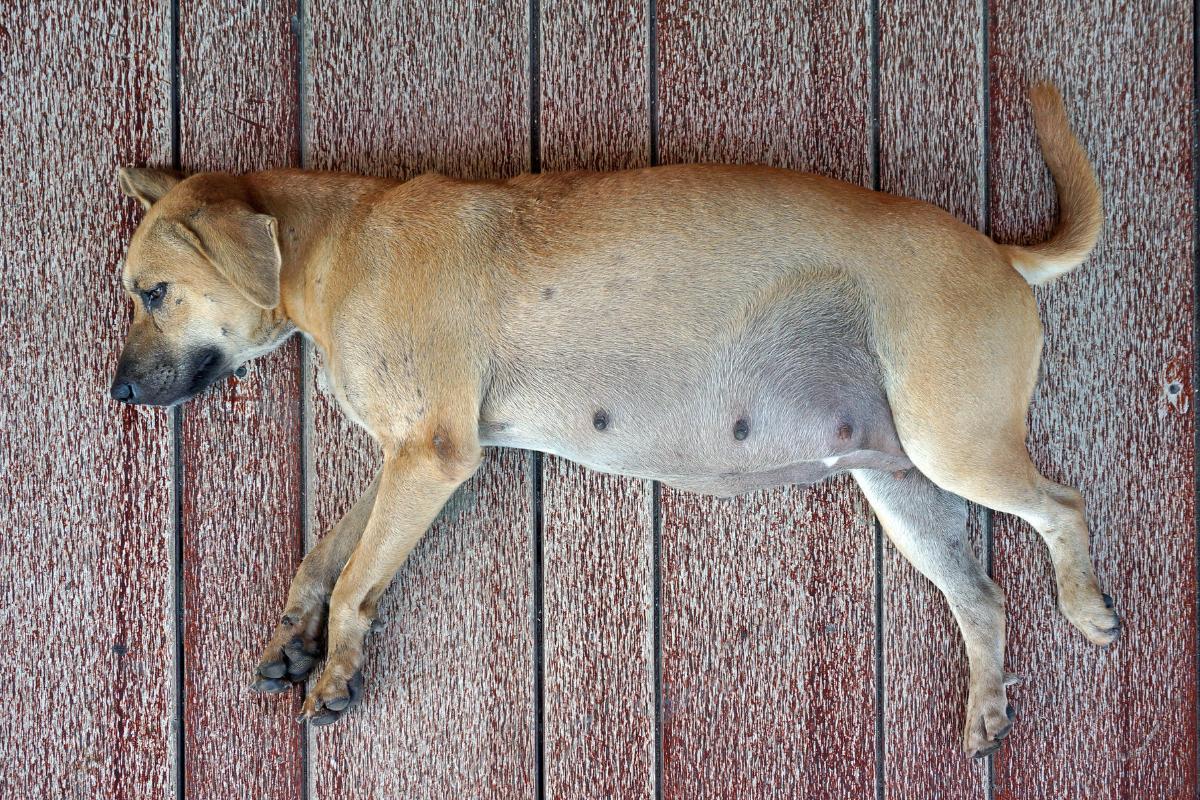
One of the earliest and most reliable signs of pregnancy in dogs is changes in the nipples, which typically occur around two to three weeks after conception. During this time, hormonal changes are already underway, gradually preparing the dog’s body for the arrival of her litter.
Moreover, it's important to remember that each dog's experience of pregnancy can vary. Monitoring these early signs closely can help in providing timely care and support for the expectant mother.
How do I know if my dog's nipples indicate pregnancy?
To determine if your dog's nipples indicate pregnancy, look for the following changes:
- Size: around two to three weeks after conception, a pregnant dog's nipples will typically become noticeably larger. The mammary glands enlarge in preparation for milk production, making the nipples appear bigger and more prominent.
- Color: the nipples may turn a darker pink or red due to increased blood flow to the area.
- Shape: the nipples may become more rounded and protrude more from the body.
- Discharge: later in the pregnancy, there might be a milky discharge from the nipples. This discharge is often a precursor to the milk that will sustain the puppies once they are born.
These changes likely serve an evolutionary purpose by making the nipples more easily identifiable and accessible to newborn puppies for feeding soon after birth.
A dog's nipples change during pregnancy due to a surge in hormones, primarily progesterone. The elevated progesterone levels stimulate the mammary glands, which are responsible for milk production. This stimulation triggers changes in the nipples, the visible part of the mammary glands.
Our other article explores what to feed a pregnant dog, dives into the best dietary choices to keep both mama and her developing pups healthy and thriving. Proper nutrition is vital not only for the mother's health but also for the proper development of the puppies.

Are nipple changes a reliable sign of pregnancy in dogs?
Nipple changes can be an early indicator of pregnancy in dogs, however, they are not entirely reliable on their own. While these changes can aid in early detection, some dogs might not exhibit significant nipple changes throughout their pregnancy.
In some cases, false pregnancy, or pseudopregnancy, can mimic many signs of real pregnancy, including nipple changes. After a heat cycle, a dog's body undergoes hormonal shifts, regardless of whether she has been bred. These hormonal shifts are a natural part of the reproductive cycle and can sometimes lead to confusion.
These hormonal changes, similar to those during pregnancy, include elevated levels of progesterone, which prepares the body for pregnancy and can trick it into mimicking pregnancy symptoms. This includes stimulating the mammary glands, leading to nipple changes similar to those of a pregnant dog. Symptoms of false pregnancy typically appear one to two months after the heat cycle, coinciding with the timeframe for nipple changes in actual pregnancy.
In false pregnancies, while nipple changes might be present, some signs typical of real pregnancy might be absent. These could include significant weight gain, behavioral changes like nesting or carrying objects like toys, and visible abdominal enlargement later in the term.
If you notice nipple changes along with other potential signs of pregnancy, it’s important to consult your veterinarian. They can confirm or rule out pregnancy and offer guidance on managing false pregnancy symptoms. Most false pregnancies resolve on their own within a few weeks to a month. However, your veterinarian might recommend dietary adjustments or mild medications to manage discomfort.
A vet can confirm pregnancy through methods such as:
- Palpation: which involves feeling the dog's abdomen for developing puppies, usually effective between 28-35 days of gestation. This method requires skill and should be performed by a professional to avoid any harm to the developing puppies.
- Ultrasound: which involves detecting pregnancy as early as 25 days after conception. It can provide visual confirmation and assess fetal health.
- Blood tests: which measures the hormone relaxin, which is produced only during pregnancy, typically reliable after 28-30 days. These tests offer a non-invasive way to confirm pregnancy.
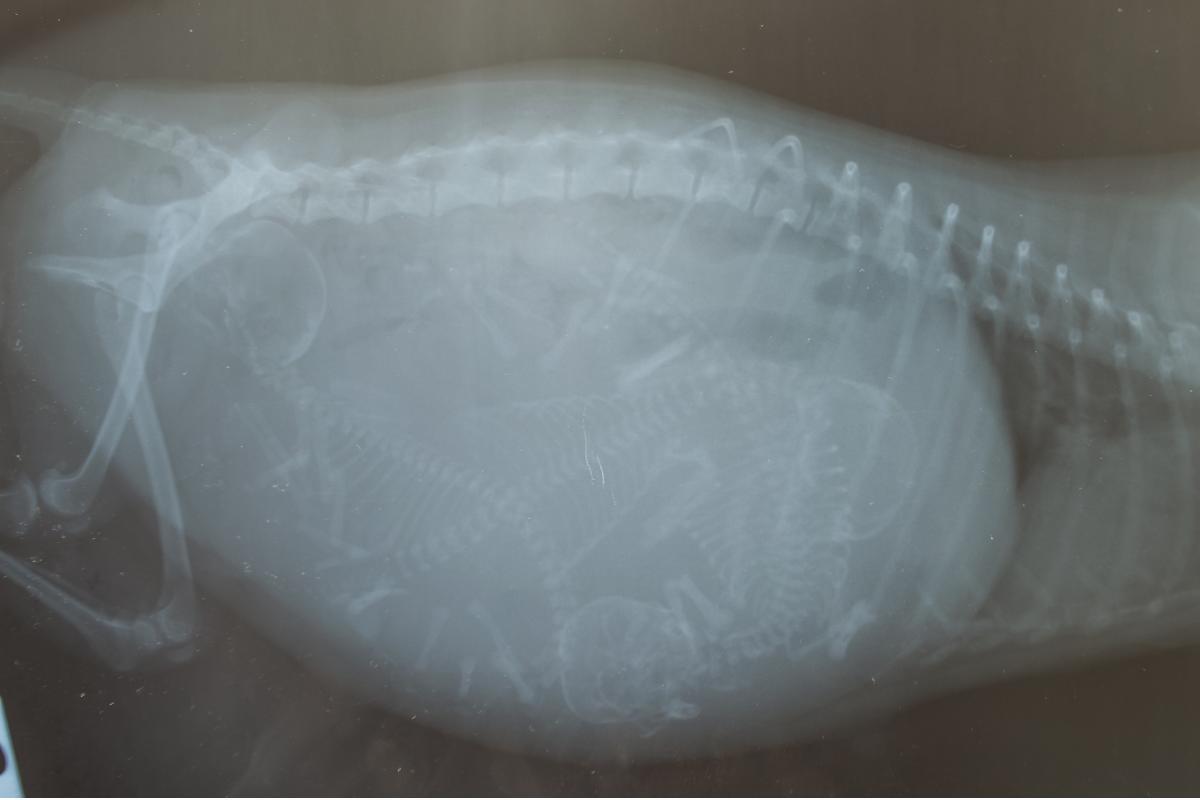
- X-rays: are a reliable method for identifying fetal skeletons after 45 days of gestation, which can also help determine the number of puppies. Radiographs are most effective later in the pregnancy.
In this other article, we explore phantom pregnancy in dogs. We look at why false pregnancy occurs, as well as what to do about it and how to prevent it reoccurring in the future. Understanding these conditions can help dog owners manage their pet's health more effectively.

Stages of a dog's pregnancy
There are generally five stages to a dog's pregnancy:
Heat cycle and mating
This stage marks the beginning of the potential for pregnancy. During the heat cycle, the female dog (bitch) will exhibit signs like attracting males, bloody discharge, and vulvar swelling. Mating typically occurs 10-20 days after the heat cycle begins, when the dog is most receptive. This period is crucial for successful conception.
Implantation (Weeks 1-3)
After mating, the fertilized eggs travel to the uterus and implant themselves in the lining. This stage is marked by few outward signs, but some dogs might experience slight lethargy or nausea. The embryos are developing rapidly, and the mother's body begins subtle changes to accommodate the new life.
Fetal development (Weeks 3-6)
During this period, the embryos develop rapidly into fetuses with distinct organs and features. The mother's body starts preparing for the growing puppies. This might be when nipple changes like increased size and pigmentation become noticeable. The puppies' organs start to form, and their tiny hearts begin to beat.
Rapid growth and preparation (Weeks 6-9)
This is a vital stage of growth for the puppies. Their bones and muscles develop significantly, and they start preparing for life outside the womb. The mother will likely experience increased appetite, weight gain, and a growing abdomen. This is also when you might be able to feel the puppies move inside her belly. Ensuring the mother receives adequate nutrition is essential during this time.
Delivery (Week 9)
This is the final stage, where the mother gives birth to the puppies. There's a natural drop in body temperature 12-24 hours before labor, along with restlessness and nesting behaviors. Veterinarians typically recommend whelping (delivery) happens around 63 days after conception, with some flexibility (57-70 days) depending on the individual dog. Proper preparation for this stage can ensure a safe delivery.
While these stages provide a general timeline, consulting your veterinarian throughout the pregnancy is crucial. They can monitor the dog's health, confirm pregnancy through tests like ultrasounds or blood tests, and offer guidance on prenatal care to ensure a smooth and healthy pregnancy for your dog. Regular vet visits can help address any complications early.
To delve deeper into the week-by-week development of your furry friend's puppies, check out our informative article on dog pregnancy week by week. Understanding each stage can help ensure the well-being of both the mother and her puppies.
If you want to read similar articles to When Do Pregnant Dogs Get Bigger Nipples?, we recommend you visit our Gestation category.
- Carlson and Giffin. (2002). Practical manual of canine veterinary medicine . Madrid: Editorial el Drac.